

The Fawn Response: Unmasking the Trauma of "People-Pleasing"
If you constantly flatten your own needs to manage the emotional climate of a room, you are not just "too nice." You are operating in a highly exhausting, autonomic survival state. Discover the neurobiology of Fawning.
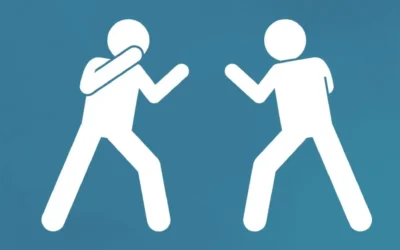
Most of us are fluent in the classic survival responses: Fight (aggression), Flight (avoidance), and Freeze (dissociative shutdown). But there is a fourth, highly insidious trauma response that frequently evades clinical detection because it looks so polite: Fawn.
At Taproot Therapy Collective in Birmingham, AL, we reject the pop-psychology label of the "people pleaser." Fawning is not a personality trait or a character deficit; it is the biological compulsion to merge with others, to flatten your own needs, and to prioritize the comfort of everyone else in the room over your own psychological safety. If you find yourself constantly apologizing, unable to say "no," or suffering chronic fatigue from the emotional labor of managing other people's moods, your nervous system is trapped in an autonomic survival loop.
Coined by trauma specialist Pete Walker, the "Fawn" response originates in volatile or neglectful early environments. If a caregiver is terrifying, fighting back is biologically impossible (you are too small), and fleeing is a death sentence (you need them for survival). Freezing invites neglect. Therefore, the child's nervous system engineers a brilliant solution: become indispensable. If I can anticipate your anger before it erupts, if I can be the perfect mirror, then I am safe. Eventually, this hardwires into the brain, resulting in an adult who experiences life-or-death panic whenever they attempt to set a boundary.
The Biological Contradiction of "Nice"
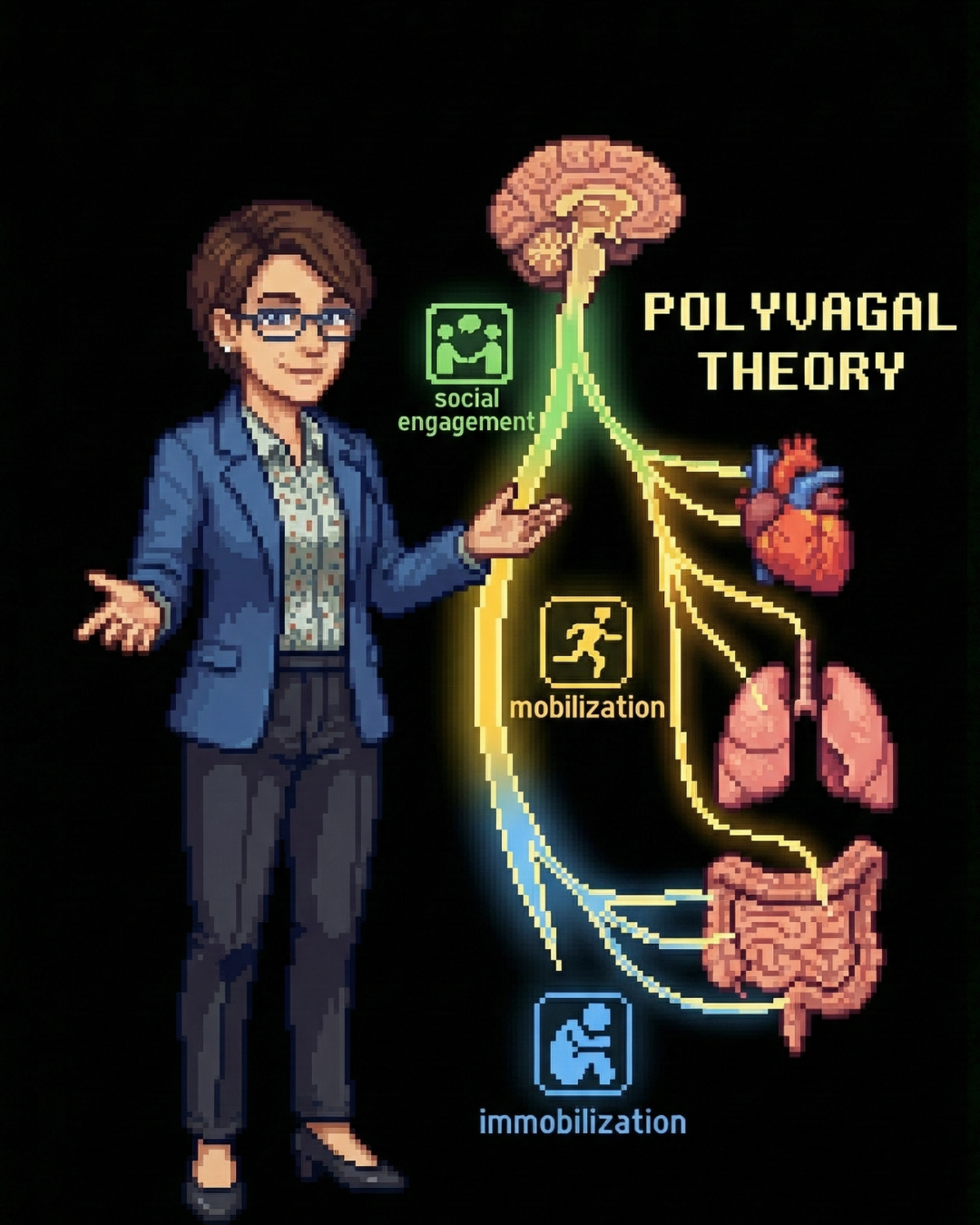
Through the lens of Somatic Experiencing (SE), we view Fawning as a biological "safety shape" known as social submission. It is a devastating physiological paradox.
The Surface: Social Engagement
Externally, the Ventral Vagal complex is highly active. You are smiling, nodding, and speaking in a soothing, agreeable cadence. To the outside world, you appear calm, highly functional, and extremely accommodating.
The Interior: Sympathetic Arousal
Internally, your sympathetic nervous system is screaming. Your heart rate is elevated, cortisol is flooding your bloodstream, and you are hyper-vigilantly tracking the other person's micro-expressions for any sign of disapproval. Your body is running a marathon of threat-detection while forcing your face to smile.
This is why chronic fawners suffer from severe systemic fatigue, migraines, autoimmune flare-ups, and digestive issues. Their bodies are managing the metabolic equivalent of a warzone 24 hours a day. The tragedy of the Fawn response is that it forces the creation of a false self. You become an autonomic chameleon, which breeds profound isolation: even when people love you, you suspect they only love the mask.
The Council of Pioneers: How Psychology Maps the Fawn
While Pete Walker codified the modern term "Fawn," the greatest pioneers in clinical psychology have been identifying and treating this exact phenomenon for a century, albeit through entirely different theoretical languages.
https://encrypted-tbn2.gstatic.com/licensed-image?q=tbn:ANd9GcQplAtOYi7ScWtoIZslJL7h9sgKJSxQDMavKY1R4rbjvdhnACyaUEze3Bj_Wxewb4KsAkdI_blr5Zi-wkwCarl Jung
Analytical PsychologyCarl Jung would view the Fawn response as a catastrophic over-identification with the Persona (the social mask) at the absolute expense of the Shadow. The fawning individual has repressed all their aggressive, assertive, and boundary-setting energy into the unconscious Shadow. Jungian therapy works to reintegrate this dark, assertive energy so the patient can survive conflict without losing themselves.
Alfred Adler
Individual PsychologyAlfred Adler would frame fawning as a maladaptive striving for significance. Driven by a deep "inferiority complex," the individual attempts to secure their place in the social hierarchy through extreme submissiveness. Adlerian therapy would focus on replacing this submissive striving with genuine "social interest" and courage.
Carl Rogers
Person-Centered TherapyCarl Rogers understood fawning as the result of "Conditions of Worth." The child learned that positive regard was highly conditional upon their obedience. As a result, their Ideal Self completely eclipsed their True Self. Rogers combated this by providing "unconditional positive regard," allowing the True Self to finally emerge without fear of abandonment.
Fritz Perls
Gestalt TherapyFritz Perls classified fawning as a boundary disturbance known as "Confluence." In confluence, the boundary between self and other is completely erased to avoid the friction of conflict. The individual literally forgets where they end and the other person begins. Gestalt forces the patient into the "here and now" to re-establish their distinct physical and emotional borders.
Marsha Linehan
Dialectical Behavior TherapyDr. Marsha Linehan would categorize chronic fawning as a severe deficit in Interpersonal Effectiveness, born from an invalidating early environment. DBT targets this directly with DEAR MAN protocols, teaching the nervous system how to tolerate the extreme distress of asserting a boundary without capitulating to the urge to appease.
Arnold Mindell
Process-Oriented PsychologyArnold Mindell would see fawning as the "primary process" (the socially acceptable identity). The suppressed anger and boundary energy is the "secondary process," which is desperately trying to emerge—often manifesting as somatic symptoms, chronic pain, or disturbing dreams. Process Work amplifies these bodily symptoms to help the anger surface safely.
The Taproot Protocol: From Appeasement to Authenticity
Healing the Fawn response is terrifying because it requires doing the one thing your nervous system genuinely believes will kill you: disappointing another human being. It requires moving from "Safety via Merging" to "Safety via Autonomy." You cannot logic your way into this; it is a somatic process.
- Titrating Boundaries: We do not start by confronting your most abusive relationship. We start microscopically. Returning a wrong food order. Saying, "I prefer Italian tonight," instead of "I don't care." We teach the nervous system that the world does not end when you display a preference.
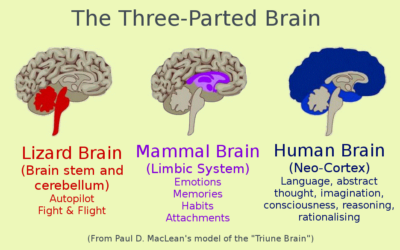
- Subcortical Processing: Using Brainspotting and EMDR, we access the midbrain to metabolize the original terror of abandonment that created the Fawn reflex, uncoupling the present-day request from the historical threat.
- Reclaiming the "Shadow" Anger: Anger is the emotion of boundaries. It is the biological energy that says, "This is me, and that is you." Through Somatic Experiencing, we help patients physically locate and express their repressed anger—reclaiming their right to protect themselves without guilt.
Our Clinical Specialists
Healing complex trauma requires a multifaceted approach. Review the credentials of the clinicians guiding this neuro-somatic integration across Alabama:
Stop Performing. Start Living.
The goal of therapy is not to become selfish; it is to become real. When you can say "No" without panic, your "Yes" finally becomes trustworthy. Discover safety in your own skin, not just in the approval of others.
Schedule an Assessment















0 Comments