
Who was Friedrich Wilhelm Joseph Schelling?
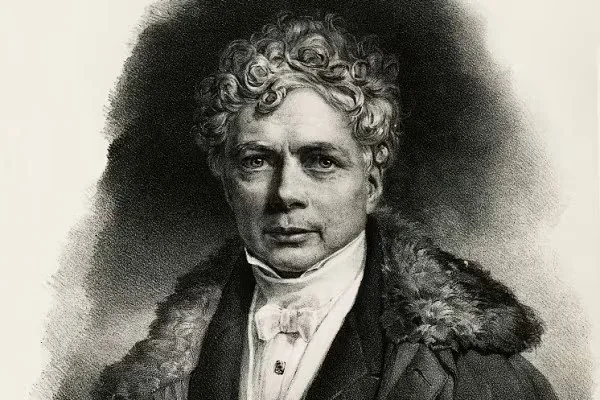
Friedrich Wilhelm Joseph Schelling (1775-1854), a German philosopher, had a significant impact on the development of psychology and psychotherapy, especially in understanding trauma. His ideas about the psyche, the unconscious, and the effects of traumatic experiences continue to resonate with many contemporary psychological theories and therapeutic modalities. In this essay, we will explore Schelling’s conceptualization of trauma, its influence on depth psychology, and its relevance to contemporary psychotherapy approaches.
Schelling’s Conceptualization of Trauma
Schelling’s understanding of trauma is grounded in his view of the psyche as a dynamic, interconnected system consisting of conscious and unconscious elements. He believed that the unconscious plays a crucial role in shaping an individual’s thoughts, feelings, and behaviors. According to Schelling, traumatic experiences can disrupt the delicate balance between these elements, resulting in psychological distress and dysfunction.
Trauma, as per Schelling, occurs when an individual experiences an overwhelming event that surpasses their ability to cope. This can be a single, acute incident or a chronic, repeated pattern of abuse or neglect. When confronted with such an experience, the psyche may fragment or dissociate as a means of self-protection, leading to the development of psychological symptoms such as anxiety, depression, and post-traumatic stress disorder (PTSD).
The Influence of Schelling’s Ideas on Depth Psychology
Schelling’s conceptualization of trauma has been particularly influential in the field of depth psychology, which focuses on exploring the unconscious mind to promote healing and growth. Depth psychologists, such as Carl Jung and Sigmund Freud, heavily relied on Schelling’s work in developing their own theories about the structure and function of the psyche.
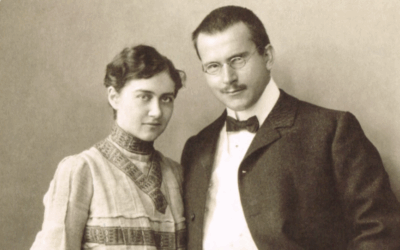
Carl Jung’s Analytical Psychology Jungexpanded on Schelling’s notion of the unconscious by proposing the existence of a collective unconscious that contains archetypal patterns and symbols shared by all humans. He believed that traumatic experiences could activate these archetypes, leading to psychological distress and the emergence of symbolic imagery in dreams and fantasies. Jung’s approach to psychotherapy, known as analytical psychology, involves exploring these symbolic expressions of the unconscious to promote healing and individuation.
Sigmund Freud’s Psychoanalysis Freud, another pioneer of depth psychology, also drew on Schelling’s ideas in developing his theory of psychoanalysis. He believed that traumatic experiences, particularly those occurring in childhood, could become repressed in the unconscious mind, leading to the development of neurotic symptoms later in life. Psychoanalysis involves bringing these repressed memories and conflicts into conscious awareness through techniques such as free association and dream analysis.
Contemporary Psychotherapy Modalities Influenced by Schelling’s Ideas
Schelling’s conceptualization of trauma has influenced a range of contemporary psychotherapy modalities, beyond depth psychology. Two notable examples are Eye Movement Desensitization and Reprocessing (EMDR) therapy and Somatic Experiencing (SE).
Eye Movement Desensitization and Reprocessing (EMDR) Therapy Developed by Francine Shapiro, EMDR therapy is based on the idea that traumatic memories can become “stuck” in the brain, leading to psychological distress. EMDR involves using bilateral stimulation (such as eye movements or tapping) to help the brain reprocess these traumatic memories, allowing them to be integrated into the individual’s overall life narrative.
Somatic Experiencing (SE)
Created by Peter Levine, SE is based on the premise that trauma is stored in the body as well as the mind and that healing involves releasing these stored traumatic energies through physical sensations and movements. SE practitioners work with clients to help them develop greater awareness of their bodily sensations and to gradually discharge traumatic activation in a safe and controlled manner.
The Importance of Individuality in Trauma Treatment
As a psychotherapist working with clients who have experienced trauma, it is crucial to recognize the complexity and individuality of each person’s response to overwhelming events. While Schelling’s conceptualization of trauma provides a valuable framework for understanding the impact of such experiences on the psyche, it is essential to approach each client with empathy, curiosity, and a willingness to adapt one’s therapeutic approach to their unique needs and circumstances.
The goal of trauma-informed psychotherapy is to help clients regain a sense of safety, control, and connection in their lives. By understanding the profound impact of trauma on the psyche and the body, and by drawing on the insights of thinkers like Schelling, psychotherapists can play a vital role in supporting individuals on their journey towards healing and wholeness.
The Non-Linear Nature of Healing from Trauma
It is important to acknowledge that healing from trauma is a deeply personal and often non-linear process. While Schelling’s conceptualization of trauma provides a valuable theoretical foundation, each individual’s path towards recovery will be unique. As psychotherapists, our role is to provide a safe, supportive, and non-judgmental space in which clients can explore their experiences, develop new coping strategies, and ultimately reconnect with their innate capacity for resilience and growth.
The Relevance of Schelling’s Ideas in the Contemporary World
In an age where trauma is increasingly recognized as a widespread and devastating mental health concern, the work of thinkers like Schelling is more relevant than ever. By continuing to engage with his ideas and those of the many psychologists and psychotherapists he has influenced, we can develop ever more sophisticated and compassionate approaches to helping individuals heal from even the most overwhelming of experiences. In doing so, we can play a small but vital role in building a world where all people have the opportunity to live full, meaningful, and joyful lives, free from the lingering effects of trauma.
Schelling’s Legacy
Friedrich Wilhelm Joseph Schelling’s conceptualization of trauma as a disruption of the delicate balance between conscious and unconscious elements of the psyche has had a profound influence on the development of psychology and psychotherapy. His ideas have informed the work of depth psychologists such as Jung and Freud, as well as contemporary therapeutic modalities such as EMDR and Somatic Experiencing.
As psychotherapists, it is our responsibility to draw upon the rich theoretical and practical traditions informed by Schelling’s work to help clients navigate the challenging process of healing from trauma. By providing a safe, supportive, and non-judgmental space for exploration and growth, we can support individuals in reconnecting with their innate resilience and achieving a greater sense of wholeness and well-being.
In the face of the widespread prevalence of trauma in our society, the insights of thinkers like Schelling are more valuable than ever. By continuing to engage with and build upon his legacy, we can develop increasingly effective and compassionate approaches to helping individuals heal from even the most overwhelming of experiences, ultimately contributing to a world where all people can thrive.
Bibliography Timeline:
1775: Born on January 27th in Leonberg, Württemberg, Germany
1790: Enrolled at the Tübinger Stift, a Protestant seminary, where he became friends with Georg Wilhelm Friedrich Hegel and Friedrich Hölderlin
1792: Completed his master’s thesis, “Antiquissimi de prima malorum humanorum origine philosophematis Genes. III explicandi tentamen criticum et philosophicum”
1793: Began studying theology at the University of Tübingen
1795: Published his first philosophical work, “Ueber die Möglichkeit einer Form der Philosophie überhaupt” (On the Possibility of a Form of Philosophy in General)
1796: Published “Abhandlungen zur Erläuterung des Idealismus der Wissenschaftslehre” (Treatises Explaining the Idealism of the Science of Knowledge)
1797: Appointed as an extraordinary professor of philosophy at the University of Jena
1800: Published “System des transzendentalen Idealismus” (System of Transcendental Idealism)
1803: Married Caroline Schlegel, who was previously married to August Wilhelm Schlegel
1806: Published “Philosophische Untersuchungen über das Wesen der menschlichen Freiheit und die damit zusammenhängenden Gegenstände” (Philosophical Investigations into the Essence of Human Freedom) 1809: Appointed as a professor of philosophy at the University of Würzburg
1812: Moved to Munich and became the Secretary General of the Academy of Fine Arts
1820: Appointed as a professor of philosophy at the University of Erlangen
1827: Published “System der Weltalter” (System of the Ages of the World)
1841: Retired from his position at the University of Erlangen
1854: Died on August 20th in Bad Ragaz, Switzerland
References:
- Beiser, Frederick C. (2002). German Idealism: The Struggle Against Subjectivism, 1781-1801. Cambridge, MA: Harvard University Press.
- Bowie, Andrew (1993). Schelling and Modern European Philosophy: An Introduction. London: Routledge.
- Ffytche, Matt (2012). The Foundation of the Unconscious: Schelling, Freud and the Birth of the Modern Psyche. Cambridge: Cambridge University Press.
- Freydberg, Bernard (2008). Schelling’s Dialogical Freedom Essay: Provocative Philosophy Then and Now. Albany, NY: State University of New York Press.
- Gutmann, James (1936). Schelling: Of Human Freedom. Chicago, IL: The Open Court Publishing Company.
- McGrath, S. J. (2010). The Dark Ground of Spirit: Schelling and the Unconscious. London: Routledge.
- Norman, Judith & Welchman, Alistair (Eds.). (2004). The New Schelling. London: Continuum.
- Schelling, F. W. J. (1978). System of Transcendental Idealism (1800). (P. Heath, Trans.). Charlottesville, VA: University Press of Virginia.
- Schelling, F. W. J. (2006). Philosophical Investigations into the Essence of Human Freedom. (J. Love & J. Schmidt, Trans.). Albany, NY: State University of New York Press.
- Wirth, Jason M. (Ed.). (2005). Schelling Now: Contemporary Readings. Bloomington, IN: Indiana University Press.














0 Comments