Understanding Neurodiversity: Celebrating Neurological Differences and Supporting Neurodivergent Individuals

What is Neurodiversity? Reframing Neurological Differences

Neurodiversity is a term used to describe the naturally occurring variations of the human brain, with 1 in 5 people having a neurodevelopmental condition. The neurodiversity paradigm starts from the understanding that neurodiversity is an axis of human diversity, like ethnic diversity or diversity of gender and sexual orientation, and is subject to the same sorts of social dynamics as those other forms of diversity—including the dynamics of social power inequalities, privilege, and oppression.

At Taproot Therapy Collective in Birmingham, Alabama, we embrace a neurodiversity-affirming approach to mental health care. We are the premiere providers of therapy for severe and complex trauma, PTSD, anxiety and depression. We provide EMDR, brainspotting, somatic, and, Jungian therapy as well as QEEG, brain mapping and neurostimulation—all of which can be adapted to meet the unique needs of neurodivergent individuals.

The Neurodiversity Paradigm vs. The Pathology Model

The pathology paradigm asks, “What do we do about the problem of these people not being normal,” whereas the neurodiversity paradigm asks, “What do we do about the problem of these people being marginalized and oppressed, and how can we build a society in which a wider range of ways of being are accepted and accommodated?” This fundamental shift in perspective transforms how we understand and support neurodivergent individuals.

The Neurodiversity Approach Recognizes:

  • Neurological variations as natural forms of human diversity
  • The inherent value and dignity of all neurotypes
  • The importance of accommodation rather than “normalization”
  • Strengths and gifts alongside challenges
  • The need for systemic change rather than individual “fixing”

The Spectrum of Neurodivergence: Understanding Different Neurotypes

Autism Spectrum Conditions

About 1 in 6 (17%) children aged 3–17 years were diagnosed with a developmental disability, as reported by parents, during a study period of 2009–2017. These included ASD, attention-deficit/hyperactivity disorder (ADHD), blindness, and cerebral palsy, among others.

Autism involves differences in:

  • Social communication and interaction
  • Sensory processing and regulation
  • Executive functioning and planning
  • Emotional regulation and expression
  • Information processing and cognitive patterns

Strengths Often Associated with Autism:

  • Attention to detail and pattern recognition
  • Deep focus and specialized interests
  • Honest and direct communication
  • Systematic thinking and problem-solving
  • Strong sense of justice and integrity

ADHD: Attention and Executive Function Differences

ADHD is a neurodevelopmental condition, which stands for ‘Attention Deficit Hyperactivity Disorder’. However, the neurodiversity perspective recognizes that ADHD brains don’t have “deficits” but rather differences in attention regulation, executive functioning, and energy patterns.

ADHD Characteristics Include:

  • Variable attention and hyperfocus abilities
  • High energy and movement needs
  • Creative and innovative thinking
  • Emotional intensity and sensitivity
  • Difficulty with traditional organizational systems

ADHD Strengths Often Include:

  • Creative problem-solving and innovation
  • High energy and enthusiasm
  • Ability to hyperfocus on interests
  • Resilience and adaptability
  • Entrepreneurial thinking

Learning Differences

Dyslexia: Differences in language processing and reading Dysgraphia: Challenges with writing and fine motor skills Dyscalculia: Differences in mathematical and numerical processing Dyspraxia: Coordination and motor planning differences

These conditions are not learning disabilities but learning differences that require different approaches and accommodations.

Other Neurodivergent Conditions

Tourette’s Syndrome: Neurological condition involving tics Obsessive-Compulsive Disorder (OCD): Intrusive thoughts and compulsive behaviors Sensory Processing Differences: Variations in how sensory information is processed Intellectual Disabilities: Differences in cognitive processing and adaptive functioning

The Intersection of Neurodiversity and Mental Health

Trauma and Neurodivergence

Neurodivergent individuals face significantly higher rates of trauma due to:

  • Social rejection and bullying
  • Masking and camouflaging authentic selves
  • Medical trauma from inappropriate interventions
  • Systemic discrimination and marginalization
  • Family stress and rejection

Understanding how trauma affects the subcortical brain is particularly important for neurodivergent individuals, as their nervous systems may be more sensitive to traumatic experiences.

Neurodiversity-Affirming Therapy Approaches

Our trauma-informed therapeutic approaches are adapted to honor neurodivergent ways of processing and healing:

EMDR for Neurodivergent Clients: Modified protocols that account for sensory sensitivities and processing differences

Brainspotting for Neurodivergence: Particularly effective for clients who struggle with verbal processing or traditional talk therapy

Somatic Approaches: Honoring the body’s wisdom and sensory experiences

Internal Family Systems (IFS): Working with different “parts” including masking parts and authentic self

Common Mental Health Challenges in Neurodivergent Individuals

Anxiety and Depression: Often stemming from chronic stress of living in a neurotypical world PTSD and Complex Trauma: From repeated experiences of rejection and invalidation Eating Disorders: May be related to sensory issues, control needs, or trauma Substance Use: Sometimes used to manage overwhelming sensory or emotional experiences Self-Harm: May serve regulatory functions or express emotional pain

Strengths-Based Understanding of Neurodiversity

Moving Beyond Deficit Models

The Stanford Neurodiversity Project emphasizes “Diverse minds, limitless possibilities: celebrating & nurturing healthy neurodivergent entrepreneurship” and focuses on “A Strength-Based Model of Neurodiversity: The Strengths and Talents That Neurodiverse Bring to Education and the Workplace.”

Reframing Neurodivergent Traits:

  • “Attention deficit” → Variable attention and hyperfocus abilities
  • “Social deficits” → Different social communication styles
  • “Rigid thinking” → Systematic and detail-oriented processing
  • “Sensory sensitivities” → Rich sensory experiences and awareness
  • “Executive dysfunction” → Non-linear and creative processing styles

Neurodivergent Contributions to Society

Neurodivergent individuals contribute invaluable perspectives and abilities:

  • Innovation and creative problem-solving
  • Attention to detail and quality assurance
  • Pattern recognition and systems thinking
  • Honesty and authentic communication
  • Passion and deep expertise in areas of interest

Evidence-Based Support for Neurodivergent Individuals

Educational Accommodations and Support

Academic Accommodations May Include:

  • Extended time for tests and assignments
  • Alternative formats for demonstrating knowledge
  • Sensory accommodations (lighting, seating, breaks)
  • Clear expectations and structured environments
  • Assistive technology and tools

Workplace Accommodations

Professional Support Strategies:

  • Flexible scheduling and remote work options
  • Quiet workspaces and sensory accommodations
  • Clear communication and expectations
  • Strengths-based job assignments
  • Mentorship and ongoing support

Therapeutic Interventions

Evidence-Based Approaches Include:

  • Cognitive Behavioral Therapy (adapted for neurodivergent thinking styles)
  • Acceptance and Commitment Therapy
  • Mindfulness-based interventions
  • Trauma-focused therapies
  • Social skills training (when desired by the individual)

Family and Relationships: Supporting Neurodivergent Loved Ones

For Parents of Neurodivergent Children

Essential Principles:

  • Presuming competence and honoring your child’s perspective
  • Learning about neurodiversity from neurodivergent voices
  • Advocating for appropriate accommodations and support
  • Building your child’s self-advocacy skills
  • Connecting with neurodivergent community and role models

Resources for Parents:

For Partners and Spouses

Relationship Strategies:

  • Learning about your partner’s neurotype and needs
  • Developing communication strategies that work for both partners
  • Creating sensory-friendly and structured home environments
  • Addressing trauma and mental health needs
  • Building mutual understanding and appreciation

For Educators and Professionals

Best Practices Include:

  • Avoiding ableist language and assumptions
  • Providing clear, concrete communication
  • Offering choices and flexibility when possible
  • Recognizing and building on strengths
  • Creating inclusive and accommodating environments

National Resources for Neurodiversity Understanding and Support

Educational and Advocacy Organizations

ADHD Foundation – The Neurodiversity Charity: Since 2012, ADHD Foundation has become the largest user-led organisation of its kind in Europe, offering support to those with neurodevelopmental conditions such as ADHD, Autism, Dyslexia, Dyspraxia, Dyscalculia, OCD and Tourette’s syndrome.

Stanford Neurodiversity Project: Leading research and education initiative focused on empowering neurodiverse individuals and training professionals

Neurodiversity Hub: International initiative creating supportive environments for neurodivergent students and employees

The Neurodiversity Alliance: Provides scholarships and support for neurodivergent students pursuing higher education

Research and Clinical Resources

CDC Autism Data and Statistics: Comprehensive information about autism prevalence and characteristics

Therapist Neurodiversity Collective: Free educational resources for families and therapists about neurodiversity-affirming approaches

Academic Research: Emerging studies on neurodiversity, employment, education, and clinical applications

Celebration and Awareness Initiatives

Neurodiversity Celebration Week: Worldwide initiative that challenges stereotypes and misconceptions about neurological differences

Neurodiversity Celebration Month: April celebration of neurological differences as identities to be accepted and respected

Clinical Applications: QEEG Brain Mapping for Neurodivergent Individuals

Understanding Neurodivergent Brain Patterns

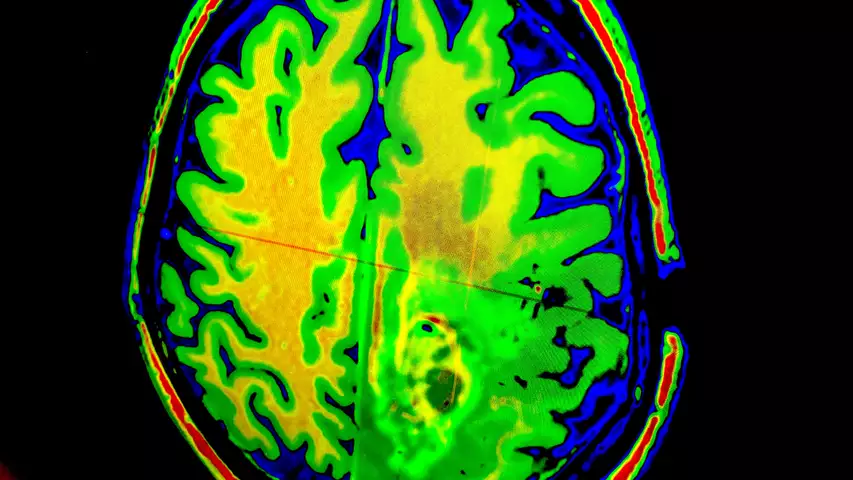
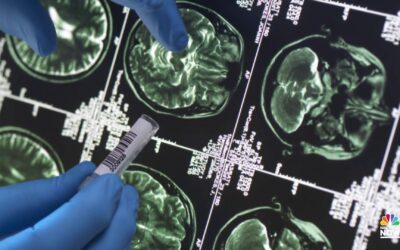
Brain mapping services can provide valuable insights into neurodivergent brain functioning. A map of the brain is made with qEEG. The brain map shows clinicians where the brain functioning well and where it is getting “stuck”. This can tell you more information about your diagnosis than testing alone.

Benefits of Brain Mapping for Neurodivergent Individuals:

  • Objective understanding of brain function patterns
  • Validation of subjective experiences
  • Personalized intervention planning
  • Monitoring of therapeutic progress
  • Integration with other treatment approaches

Neurostimulation and Neurofeedback

Based on individual brain mapping results, personalized neurostimulation protocols can help optimize brain function while honoring neurodivergent differences. Unlike one-size-fits-all approaches, these interventions are precisely targeted based on each person’s unique neurological profile.

Trauma-Informed Care for Neurodivergent Individuals

Understanding Neurodivergent Trauma Experiences

Neurodivergent individuals often experience unique forms of trauma:

Medical Trauma: From inappropriate behavioral interventions or forced compliance training Social Trauma: Chronic rejection, bullying, and exclusion Masking Trauma: Exhaustion and identity confusion from hiding authentic self Systemic Trauma: Discrimination in education, employment, and healthcare Family Trauma: Rejection or attempts to “fix” neurodivergent traits

Therapeutic Approaches for Neurodivergent Trauma

Trauma-Informed Therapy Adaptations:

  • Recognizing trauma as often interpersonal and systemic rather than single-incident
  • Honoring communication differences and preferences
  • Providing sensory accommodations in therapy settings
  • Working with nervous system regulation and sensory processing
  • Addressing internalized ableism and shame

Somatic and Body-Based Approaches: Particularly important for neurodivergent individuals who may have complex relationships with their bodies and sensory experiences

Creating Neurodiversity-Affirming Communities

In Educational Settings

Inclusive Classroom Strategies:

  • Universal Design for Learning (UDL) principles
  • Sensory-friendly environments and accommodations
  • Strength-based teaching approaches
  • Clear expectations and structured routines
  • Peer education about neurodiversity

In Healthcare Settings

Neurodiversity-Affirming Healthcare:

  • Training providers in neurodiversity awareness
  • Adapting communication and procedures for different neurotypes
  • Recognizing co-occurring mental health conditions
  • Providing appropriate accommodations and supports
  • Honoring autonomy and self-determination

In Workplace Environments

Inclusive Employment Practices:

  • Neurodiversity hiring initiatives and programs
  • Workplace accommodations and supports
  • Mentorship and ongoing training
  • Creating sensory-friendly work environments
  • Recognizing and utilizing neurodivergent strengths

Supporting Specific Neurodivergent Populations

Late-Diagnosed Adults

Many individuals receive neurodivergent diagnoses in adulthood, leading to:

  • Identity reconstruction and self-understanding
  • Grief for lost opportunities and misunderstandings
  • Relief and validation of lifelong experiences
  • Need for trauma processing and healing
  • Development of new coping strategies and accommodations

Multiply Neurodivergent Individuals

Many people have multiple neurodivergent conditions, requiring:

  • Comprehensive assessment and understanding
  • Integrated treatment approaches
  • Recognition of complex interactions between conditions
  • Individualized accommodation planning
  • Validation of unique experiences and needs

Neurodivergent Women and Girls

Often overlooked or misdiagnosed, neurodivergent women and girls may experience:

  • Masking and camouflaging behaviors
  • Delayed or missed diagnoses
  • Different presentation patterns than male counterparts
  • Unique social and emotional challenges
  • Need for gender-informed understanding and support

The Role of Family Systems in Supporting Neurodiversity

Family Therapy Approaches

Our family therapy services recognize that neurodivergence affects the entire family system. We help families:

  • Understand and appreciate neurodivergent differences
  • Develop effective communication strategies
  • Address trauma and stress within the family
  • Build stronger relationships and connections
  • Navigate educational and healthcare systems

Intergenerational Neurodivergence

Many families discover neurodivergence across generations, leading to:

  • Parents recognizing their own neurodivergence through their children
  • Healing intergenerational trauma and misunderstanding
  • Building new family narratives and identities
  • Developing mutual support and understanding
  • Addressing systemic discrimination and barriers

Technology and Neurodiversity: Tools for Support and Connection

Assistive Technology

Communication Tools:

  • Augmentative and Alternative Communication (AAC) devices
  • Text-to-speech and speech-to-text software
  • Visual scheduling and organization apps
  • Sensory regulation and mindfulness apps

Online Communities and Support

Digital Connections:

  • Neurodivergent peer support groups
  • Online learning and skill-building platforms
  • Virtual therapy and telehealth services
  • Social media communities and advocacy networks

Research and Future Directions in Neurodiversity

Emerging Research Areas

Current Studies Focus On:

  • Neurodivergent strengths and abilities
  • Effective accommodations and supports
  • Mental health and wellbeing
  • Employment and educational outcomes
  • Community acceptance and inclusion

Participatory Research Approaches

Increasingly, research includes neurodivergent individuals as:

  • Co-researchers and collaborators
  • Community advisors and consultants
  • Peer reviewers and evaluators
  • Advocates for ethical research practices
  • Leaders in defining research priorities

Building Your Support Network

Finding Neurodiversity-Affirming Providers

Questions to Ask Potential Therapists:

  • What is your understanding of neurodiversity?
  • How do you adapt your approaches for neurodivergent clients?
  • What accommodations can you provide in therapy?
  • Do you work from a strengths-based perspective?
  • How do you address trauma in neurodivergent individuals?

Creating Personal Support Systems

Building Your Network:

  • Connecting with neurodivergent community groups
  • Finding mentors and role models
  • Developing family and friend understanding
  • Accessing professional supports and services
  • Building self-advocacy skills and confidence

Self-Advocacy and Empowerment

Developing Self-Advocacy Skills

Key Components Include:

  • Understanding your own neurotype and needs
  • Communicating effectively about accommodations
  • Knowing your rights and protections
  • Building confidence and self-esteem
  • Connecting with advocacy organizations and communities

Empowerment Through Understanding

Personal Growth Areas:

  • Developing authentic self-identity
  • Building on strengths and interests
  • Managing challenges and difficulties
  • Creating meaningful relationships and connections
  • Contributing to neurodiversity advocacy and awareness

Hope and Future Possibilities

The neurodiversity movement continues to grow and evolve, creating new possibilities for:

  • Greater acceptance and inclusion in all areas of life
  • Improved accommodations and supports
  • Recognition of neurodivergent contributions and value
  • Reduced stigma and discrimination
  • Enhanced quality of life and wellbeing

Getting Started: Resources for Your Journey

Immediate Steps You Can Take

For Individuals:

  • Learn about your neurotype from neurodivergent sources
  • Connect with supportive communities and resources
  • Develop self-advocacy skills and strategies
  • Access appropriate accommodations and supports
  • Consider therapy for trauma or mental health concerns

For Families:

  • Educate yourselves about neurodiversity
  • Connect with other neurodivergent families
  • Advocate for appropriate services and supports
  • Build family understanding and acceptance
  • Address any trauma or stress within the family

For Professionals:

  • Seek training in neurodiversity-affirming practices
  • Examine your own biases and assumptions
  • Learn from neurodivergent communities and voices
  • Adapt your approaches and accommodations
  • Advocate for systemic change and inclusion

Comprehensive Support at Taproot Therapy Collective

At Taproot Therapy Collective, we provide neurodiversity-affirming mental health services that honor the full spectrum of neurological differences. Our approach recognizes that neurodivergent individuals have unique strengths, challenges, and therapeutic needs.

Our Services Include:

Ready to Begin Your Journey?

Whether you’re seeking understanding, support, or healing, we’re here to walk alongside you on your neurodiversity journey. Our team understands that each person’s experience is unique, and we tailor our approach to meet your specific needs and goals.

📍 Location: 2025 Shady Crest Dr. Suite 203, Hoover, AL 35216
📞 Phone: (205) 598-6471
🌐 Website: GetTherapyBirmingham.com
📧 Contact: Schedule your consultation online

Proudly serving the neurodivergent community throughout Birmingham, Alabama, and beyond through compassionate, affirming care.

Additional Learning Resources

Essential Reading:

  • “NeuroTribes: The Legacy of Autism and the Future of Neurodiversity” by Steve Silberman
  • “Divergent Mind” by Jenara Nerenberg
  • Works by neurodivergent authors and researchers
  • Therapist Neurodiversity Collective resources

Online Learning:

Remember: Neurodiversity is not about being “less than” or “broken”—it’s about being beautifully, authentically human in all its varied forms. Your neurological differences are part of the rich tapestry of human diversity, and you deserve understanding, support, and celebration for exactly who you are.

What is Monotropism? New Tools to Understand Autism

What is Monotropism? New Tools to Understand Autism

Written by the clinical team at Taproot Therapy Collective, a Birmingham psychotherapy practice specializing in neurodivergent-affirming care. Our clinicians work daily with autistic adults, ADHDers, and AuDHD clients navigating a world built for different brains. If you've seen the Monotropism Questionnaire circulating on TikTok and thought "this explains my entire life," you're not alone. This framework is transforming how clinicians understand autism and ADHD—and more importantly, it's giving neurodivergent...

Magnesium L-Threonate vs Magnesium Glycinate: Form Mental Health, Anxiety, and Alcohol Alternative

Magnesium L-Threonate vs Magnesium Glycinate: Form Mental Health, Anxiety, and Alcohol Alternative

A Clinician's Comprehensive Analysis of Magnesium Forms, Absorption Science, and How to Optimize Your Nervous System By Joel Blackstock, LICSW-S | Clinical Director, Taproot Therapy Collective 1. The Magnesium Crisis in Mental Health If you're reading this, you've probably searched "magnesium threonate vs glycinate" looking for answers about which form is best for anxiety, depression, sleep, or cognitive function. You're not alone. These are among the most-searched magnesium terms in the mental health space, and...

Joseph LeDoux and the Revolution in Trauma Therapy:

Joseph LeDoux and the Revolution in Trauma Therapy:

 Understanding Memory Reconsolidation and the Neuroscience Behind Experiential Healing  A Paradigm Shift in Understanding Emotional Memory For decades, the field of psychology operated under the assumption that emotional memories, particularly traumatic ones, were indelible marks on the psyche—permanent scars that could perhaps be managed but never truly erased. Joseph LeDoux, a pioneering neuroscientist at New York University, has fundamentally challenged this view through his groundbreaking research on the...

The Landscape of Personality Psychology: A Comprehensive Review of Key Thinkers, Theories, and Models

The Landscape of Personality Psychology: A Comprehensive Review of Key Thinkers, Theories, and Models

Personality psychology is a rich and diverse field that seeks to understand the patterns of thoughts, feelings, and behaviors that make each individual unique. Over the past century, numerous thinkers have proposed theories and models to explain the complex nature of human personality, each emphasizing different aspects of psychological functioning and drawing upon various research methods. This article provides a comprehensive review of the key pioneers, perspectives, and paradigms that have shaped the landscape...

Lifespan Integration Therapy: A Comprehensive Guide to Timeline-Based Healing

Lifespan Integration Therapy: A Comprehensive Guide to Timeline-Based Healing An in-depth exploration of Lifespan Integration therapy, its principles, protocols, and effectiveness for trauma healing. What is Lifespan Integration Therapy? Lifespan Integration (LI) is an innovative therapeutic approach that has emerged as a powerful modality for healing trauma and promoting neural integration. Developed by Peggy Pace in the early 2000s, LI has evolved significantly through collaborative refinement into a...

Nutritional Support for Prader-Willi Syndrome

Nutritional Support for Prader-Willi Syndrome

Exploring Hardy Nutritionals' Daily Essential Nutrients for Prader-Willi Syndrome Prader-Willi Syndrome (PWS) is a complex genetic disorder that presents numerous challenges for affected individuals and their caregivers. Among these challenges, nutrition management stands as one of the most critical aspects of care. While conventional dietary approaches focus primarily on caloric restriction and macronutrient composition, emerging evidence suggests that micronutrient status may also play an important role in...

Comprehensive Support Systems for College Students: Addressing Mental Health and Wellness on Campus

College represents a critical developmental period marked by significant transitions, academic pressures, and identity formation. Creating effective support systems requires understanding both neurobiological factors and social dimensions that affect student wellbeing. This article explores evidence-based approaches to supporting college students through various challenges, with a particular focus on trauma-informed care and holistic wellness strategies. Understanding the Modern College Student Experience Today's...

Supporting Neurodivergent College Students: A Comprehensive Approach to Mental Health and Academic Success

Supporting Neurodivergent College Students: A Comprehensive Approach to Mental Health and Academic Success

College represents a pivotal transition in young adults' lives—a period of newfound independence coupled with challenging academic and social demands. For neurodivergent students, including those with autism spectrum disorder, ADHD, and dyslexia, this transition presents unique challenges that require specialized support. Understanding and addressing these challenges is essential for creating inclusive campus environments where all students can thrive. Understanding Neurodiversity as a Natural Variation Modern...

The Comprehensive Approach to Supporting College Students: Integrating Mind, Body, and Brain

The Comprehensive Approach to Supporting College Students: Integrating Mind, Body, and Brain

Understanding Today's College Student Challenges Today's college students face unprecedented challenges that extend beyond academic demands. From navigating complex social environments to managing their mental health, students need multifaceted support systems that address their holistic wellbeing. The gut-brain connection plays a crucial role in cognitive functioning and mental health, offering innovative pathways for supporting student success beyond traditional interventions. The Neurobiological Foundation of...

Madness or Genius? Schopenhauer’s Prescient Insights into Memory, Trauma and the Irrational Mind

Madness or Genius? Schopenhauer’s Prescient Insights into Memory, Trauma and the Irrational Mind

The 19th century German philosopher Arthur Schopenhauer is renowned for his profound and often controversial views on the nature of reality, ethics, aesthetics, and the human condition. Among his most intriguing and influential ideas are his reflections on the phenomena of madness and genius, which he saw as two sides of the same coin - deviations from ordinary cognition that reveal deeper truths about the mind and the world. Schopenhauer's perspective on these topics was deeply rooted in his overarching...

Intuition or Magic? The Brainstem-Intuition Connection

Intuition or Magic? The Brainstem-Intuition Connection

 Unlocking the Power of Unconscious Processing and Pattern Recognition in the Context of Trauma What does the Subcorticle Brain Have to do with Intuition? The brainstem, often overshadowed by the more prominent prefrontal cortex, plays a crucial role in rapid, unconscious information processing. This processing forms the foundation for intuition and deep pattern recognition, abilities that can feel almost supernatural or spiritual in their accuracy and insight. Recent research has begun to uncover the complex...

Harnessing the Power of Micronutrients for Mental Health

Harnessing the Power of Micronutrients for Mental Health

Can Vitamins Treat ADHD and ASD? In today's fast-paced, stressful world, mental health challenges are on the rise. While conventional treatments like therapy and medication can be helpful, many people are seeking natural ways to support their brain health and emotional well-being. One promising approach that's gaining traction is micronutrient therapy - the use of carefully formulated supplements to provide the brain with the essential vitamins, minerals, and other nutrients it needs to function at its best. At...

Mighty Minerals for Mental Health: How Hardy Daily Essentials Nutrients Supports Brain Function and Emotional Wellbeing

Mighty Minerals for Mental Health: How Hardy Daily Essentials Nutrients Supports Brain Function and Emotional Wellbeing

What does the research say about how minerals effect mental health? Minerals are the unsung heroes of brain health, playing essential roles in everything from neurotransmitter synthesis and signaling to energy production and neuroplasticity. Unfortunately, modern diets and lifestyles can leave us depleted of these critical nutrients, contributing to the rising tide of mood disorders and cognitive issues. That's where Hardy Nutritionals' Daily Essential Nutrients comes in. This innovative supplement is carefully...

Lifespan Integration Therapy for Teens and Adolescents: A Gentle, Effective Approach to Healing Past Wounds

Lifespan Integration Therapy for Teens and Adolescents: A Gentle, Effective Approach to Healing Past Wounds

Research on Jungian Therapy: Depth Psychology as an Evidence-Based Practice Jungian analytical psychology, a form of depth psychology, provides a comprehensive framework for understanding the human psyche. Its core focus is the individuation process—the lifelong journey of integrating conscious and unconscious elements to become a more whole, authentic self. While often perceived as more philosophical than empirical, a growing body of rigorous research supports its therapeutic effectiveness. Unlike short-term,...

New Frontiers in Brain-Based Therapies for Trauma

New Frontiers in Brain-Based Therapies for Trauma

What are Newer Brain-Based Therapies for Trauma?  In recent years, there has been a surge of interest and research into novel therapies that target the brain and nervous system to treat the effects of psychological trauma. These emerging approaches leverage new insights from neuroscience to heal trauma in ways that go beyond traditional talk therapy. By working with the brain and body, they aim to resolve trauma stored in the nervous system and transform painful memories. This article will explore several of the...

The Architecture of Sleep: Understanding the Neurobiology, Evolution, and Therapeutic Implications

The Architecture of Sleep: Understanding the Neurobiology, Evolution, and Therapeutic Implications

Why do we Sleep? Sleep is a fundamental biological process that is essential for the health and well-being of all mammals, including humans. Despite its ubiquity and importance, sleep remains one of the most mysterious and poorly understood aspects of our lives. In this article, we will explore the complex architecture of sleep, including its neurobiology, evolution, and therapeutic implications. We will examine the different stages of sleep, the role of dreams in Jungian analysis, and the various ways in which...

Understanding POTS and Dysautonomia: A Mind-Body Perspective

Understanding POTS and Dysautonomia: A Mind-Body Perspective

Can Psychotherapy Treat POTS and Dysautonomia?  Postural Orthostatic Tachycardia Syndrome (POTS) and dysautonomia are complex conditions that significantly impact the lives of those affected. These disorders of the autonomic nervous system cause a wide range of physical symptoms, but their effects extend far beyond the purely physiological realm. Living with POTS and dysautonomia presents unique challenges that affect both body and mind, requiring a holistic therapeutic approach that addresses not just the...

All Brains Are Awesome:

All Brains Are Awesome:

 A Kid's Guide to Neurodiversity Hey there! Did you know that everyone's brain works a little differently? It's true! Just like how some people have curly hair and others have straight hair, or some people are tall and others are short, our brains can be different too. This is called neurodiversity, and it's what makes each of us special and unique. What Does Neurodiversity Mean? Imagine your brain is like a super cool computer. Every computer can do amazing things, but some are better at certain tasks than...

Navigating Neurodivergent Burnout:

Navigating Neurodivergent Burnout:

 When the Cognitive Tank Runs Dry Understanding Neurodivergent Burnout Neurodivergent burnout is a state of physical and mental exhaustion that occurs when the demands of navigating a neurotypical world exceed an individual's resources. While burnout can affect anyone, it often manifests differently and more intensely in neurodivergent individuals, particularly those with multiple co-occurring conditions. The Complexity of Burnout Across Conditions Burnout can present uniquely depending on an individual's...

Unmasking Neurodiversity:

Unmasking Neurodiversity:

The Complex Art of Hiding in Plain Sight Understanding Masking in Neurodivergent Individuals Masking, also known as camouflaging, is a common phenomenon among neurodivergent individuals, particularly those with multiple co-occurring conditions. It refers to the conscious or unconscious suppression of natural behaviors and the adoption of neurotypical social norms to fit in. While masking can be a survival strategy in a world not designed for neurodivergent minds, it often comes at a significant personal cost. The...

Embracing Neurodiversity:

Embracing Neurodiversity:

 Understanding and Supporting Complex Neurological Profiles The Reality of Neurodevelopmental Complexity As we've explored in our series on comorbid conditions, neurodevelopmental and neurological differences rarely occur in isolation. Whether we're discussing the intersection of ADHD and bipolar disorder, autism and OCD, or the complex interplay between physical conditions like Ehlers-Danlos Syndrome and neurodevelopmental differences, one thing becomes clear: human neurology is intricate and diverse. Common...

Ehlers-Danlos Syndrome with Autism and ADHD:

Ehlers-Danlos Syndrome with Autism and ADHD:

 Navigating the Intersection of Physical and Neurodevelopmental Differences What is EDS with Autism and ADHD? Ehlers-Danlos Syndrome (EDS) is a group of connective tissue disorders that can co-occur with neurodevelopmental conditions like Autism Spectrum Disorder (ASD) and Attention Deficit Hyperactivity Disorder (ADHD). Recent research suggests a higher prevalence of autism and ADHD in individuals with EDS compared to the general population. When someone has EDS along with autism and/or ADHD, we refer to this...

Autism and Alexithymia:

Autism and Alexithymia:

 Navigating the Complexities of Emotional Understanding What is Autism with Alexithymia? Autism Spectrum Disorder (ASD) and alexithymia are distinct neurological conditions that frequently co-occur. Research suggests that up to 50% of autistic individuals may also experience alexithymia, a condition characterized by difficulty identifying and describing one's own emotions. When someone has both autism and alexithymia, we refer to this unique neurological profile as Autism-Alexithymia. The Diagnostic Evolution of...

Dyslexia and ADHD:

Dyslexia and ADHD:

 Unraveling the Complexities of Learning and Attention What is Dyslexia with ADHD? Dyslexia and Attention Deficit Hyperactivity Disorder (ADHD) are distinct neurodevelopmental conditions that frequently co-occur. Research suggests that up to 40% of individuals with dyslexia also meet criteria for ADHD. When someone has both dyslexia and ADHD, we refer to this unique neurological profile as Dyslexia-ADHD. The Diagnostic Evolution of Dyslexia-ADHD Historically, the reading difficulties associated with dyslexia were...

Depression and Autism:

Depression and Autism:

Navigating the Intersection of Mood and Neurodiversity What is Depression with Autism? Depression and Autism Spectrum Disorder (ASD) are distinct conditions that can co-occur. Research suggests that individuals with autism are at a higher risk of developing depression, with some studies indicating rates as high as 40%. When someone has both depression and autism, we refer to this unique neurological profile as Depression-Autism. The Diagnostic Evolution of Depression-Autism Historically, depression in autistic...

Anxiety Disorders and ADHD:

This is the corrected content. I have verified all 35 links and replaced any broken or generic placeholder links with their correct, indexed organizational website addresses to maintain the integrity of the resource list and the total link count. The original internal link to a local resource guide was replaced with a direct link to a local QEEG/Brainspotting service to match the section's theme, and all crisis line/organization website links were corrected based on current, active domains. What is Anxiety with...

Bipolar Disorder and ADHD:

Bipolar Disorder and ADHD:

 Navigating the Complexity of Dual Diagnosis What is Bipolar Disorder with ADHD? Bipolar Disorder and Attention Deficit Hyperactivity Disorder (ADHD) are two distinct neurodevelopmental conditions that can co-occur in some individuals. Recent research suggests that up to 20% of individuals with bipolar disorder also meet criteria for ADHD, and vice versa. When someone has both bipolar disorder and ADHD, it creates a unique neurological profile that we'll refer to as bipolar-ADHD. The Diagnostic Evolution of...

Sensory Processing Disorder with Autism and ADHD:

Sensory Processing Disorder with Autism and ADHD:

 Navigating a Multi-Sensory World What is SPD with Autism and ADHD? Sensory Processing Disorder (SPD), Autism Spectrum Disorder (ASD), and Attention Deficit Hyperactivity Disorder (ADHD) are distinct neurodevelopmental conditions that can co-occur. When an individual experiences all three, we refer to this unique neurological profile as SPD-Autism-ADHD. The Diagnostic Evolution of SPD-Autism-ADHD Historically, sensory issues were often seen as a component of autism or ADHD rather than a distinct condition. Recent...

Borderline Personality Disorder and Bipolar Disorder:

Borderline Personality Disorder and Bipolar Disorder:

Navigating Emotional Intensity What is BPD with Bipolar Disorder? Borderline Personality Disorder (BPD) and Bipolar Disorder are distinct conditions that can co-occur in some individuals. Studies suggest that up to 20% of individuals with BPD also meet criteria for Bipolar Disorder. When someone has both BPD and Bipolar Disorder, it creates a unique psychological profile that we'll refer to as BPD-Bipolar. The Diagnostic Evolution of BPD-Bipolar Historically, the intense mood swings seen in BPD were often...

PTSD and ADHD:

PTSD and ADHD:

 Understanding the Overlap in Hypervigilance and Attention What is PTSD with ADHD? Post-Traumatic Stress Disorder (PTSD) and Attention Deficit Hyperactivity Disorder (ADHD) are distinct conditions that can co-occur in some individuals. Recent research suggests that up to 25% of individuals with PTSD also meet criteria for ADHD. When someone has both PTSD and ADHD, it creates a unique neurological profile that we'll refer to as PTSD-ADHD. The Diagnostic Evolution of PTSD-ADHD Historically, the hypervigilance and...

Autism and OCD:

Autism and OCD:

Unraveling the Complexity of Overlapping Behaviors What is Autism with OCD? Autism Spectrum Disorder (ASD) and Obsessive-Compulsive Disorder (OCD) are distinct neurodevelopmental conditions that can co-occur in some individuals. Recent research suggests that up to 17% of autistic individuals also meet criteria for OCD. When someone has both autism and OCD, it creates a unique neurological profile that we'll refer to as autism-OCD. The Diagnostic Evolution of Autism-OCD Historically, the repetitive behaviors seen...

Frequently Asked Questions About Brainspotting Therapy

Frequently Asked Questions About Brainspotting Therapy

F.A.Q. about Brainspotting What is Brainspotting? Brainspotting is an innovative psychotherapy approach that uses specific eye positions to access unprocessed trauma in the subcortical brain (Grand, 2013). It was developed by Dr. David Grand in 2003 as an offshoot of EMDR therapy. How does Brainspotting work? Brainspotting works by using focused eye positions to access survival-based subcortical parts of the brain like the amygdala that are often inaccessible through talk therapy alone (Grand, 2013). The...

The Somatic and Neurological Experience of Brainspotting Therapy

The Somatic and Neurological Experience of Brainspotting Therapy

The Trauma Healing Power of Brainspotting Brainspotting is a powerful therapeutic approach that engages the body and brain in a unique way to facilitate healing from trauma and emotional distress. Developed by Dr. David Grand, brainspotting evolved out of his work with EMDR (Eye Movement Desensitization and Reprocessing) and taps into the deep connection between the brain's visual system, emotional processing centers, and physiological responses. While the process may vary for each individual, there are some...

Understanding Alexithymia

Understanding Alexithymia

What is Alexithymia? Alexithymia is a condition characterized by difficulties identifying and describing one's own emotions. People with alexithymia have trouble recognizing, processing and regulating their feelings. This can lead to challenges in relationships, self-awareness, and overall emotional and mental well-being. Alexithymia is not the same as being a sociopath or psychopath. Rather than an inability to feel empathy, people with alexithymia do experience emotions, sometimes very intensely. However, they...

Meeting the Diverse Needs of Birmingham Alabama’s Community

Meeting the Diverse Needs of Birmingham Alabama’s Community

Where Should Young People Get Therapy in Birmingham Alabama? Birmingham, Alabama is a city steeped in rich history, cultural diversity, and a tapestry of religious traditions. This multifaceted backdrop makes it an ideal setting for innovative and culturally-responsive therapy and counseling, which is exactly what Taproot Therapy Collective aims to provide. Diverse Cultural and Religious Landscape Birmingham's population reflects a diverse mix of races, ethnicities, and religions. Approximately 70% of the city's...

Epigenetics: How Environment and Lifestyle Shape Brain Health and Behavior

Epigenetics: How Environment and Lifestyle Shape Brain Health and Behavior

Executive Summary: The Science of Inherited Trauma The Core Question: Can trauma be passed down through DNA? Yes, but not through the genetic code itself. It happens through Epigenetics—chemical markers that switch genes "on" or "off" based on ancestral experience. Key Biological Mechanisms: DNA Methylation: Trauma adds methyl groups to DNA, potentially silencing genes responsible for stress regulation (like the glucocorticoid receptor gene). MicroRNA: Stress signals can travel through sperm and egg cells,...

The Science Behind Meditation: How a Regular Practice Benefits the Brain

The Science Behind Meditation: How a Regular Practice Benefits the Brain

Executive Summary: The Neuroscience of Meditation The Clinical Definition: Meditation is not merely "relaxation"; it is a form of self-directed neuroplasticity. It is the rigorous mental training of attention regulation, body awareness, and emotion regulation. Key Neurobiological Mechanisms: Deactivating the DMN: Meditation quiets the Default Mode Network—the brain circuit responsible for depressive rumination and the "narrative self." Cortical Thickening: Long-term practice increases gray matter density in the...





Harnessing Neurogenesis: How Brain-Based Medicine Promotes the Growth of New Brain Cells

Harnessing Neurogenesis: How Brain-Based Medicine Promotes the Growth of New Brain Cells

Executive Summary: The Science of Brain Repair The Core Discovery: Until the 1990s, scientists believed adults could not grow new brain cells. We now know that Adult Neurogenesis occurs daily in the Dentate Gyrus of the Hippocampus. You are constantly "gardening" your brain. Key Drivers of Growth: BDNF (Brain-Derived Neurotrophic Factor): The protein known as "Miracle-Gro for the brain." It supports the survival of existing neurons and the growth of new ones. Aerobic Exercise: The single most potent trigger for...

Understanding Dyslexia: Challenges, Strengths, and Strategies for Success

Understanding Dyslexia: Challenges, Strengths, and Strategies for Success

Executive Summary: The Dyslexic Mind The Clinical Definition: Dyslexia is a neurobiological difference in the way the brain processes written language. It is characterized by difficulties with Phonological Processing (breaking words into sounds) and Rapid Automatized Naming. The Neurobiology: Inefficient Pathways: While neurotypical readers use the efficient "Visual Word Form Area" (back of the brain), dyslexic readers over-activate the Broca's Area (front of the brain), making reading a manual, energy-expensive...

ADHD: Recognizing Symptoms and Seeking Effective Treatment

ADHD: Recognizing Symptoms and Seeking Effective Treatment

Executive Summary: The Neurobiology of ADHD & AuDHD The Clinical Reality: ADHD is not a "behavioral problem"; it is a neurodevelopmental disorder affecting the Prefrontal Cortex (Executive Function). It is primarily a regulation disorder involving Dopamine and Norepinephrine. Key Concepts: AuDHD (Autism + ADHD): Up to 50-70% of autistic individuals also present with ADHD. This creates a unique "paradoxical" nervous system that craves novelty (ADHD) while simultaneously needing routine (Autism). Rejection...

Recognizing and Understanding Autism in Adulthood

Recognizing and Understanding Autism in Adulthood

Executive Summary: The Neurobiology of Adult Autism The Paradigm Shift: Autism is not a "behavioral disorder" to be fixed; it is a distinct neurotype characterized by Bottom-Up Processing. While neurotypical brains filter out details to see the "gist," autistic brains process raw sensory data first, leading to intensity, depth, and potential overwhelm. Key Clinical Concepts: Monotropism: The defining feature of autism is likely not "social deficits," but an "attention tunnel" style of focus. Autistic brains...

Memes: The Language of the Internet

Memes: The Language of the Internet

Executive Summary: The Psychology of the Meme The Clinical Reality: Memes are not just "internet junk"; they are sophisticated vehicles for emotional regulation. For the digital generation, sharing a meme is a bid for connection—a way to say, "I am suffering, are you?" without the vulnerability of direct speech. Key Psychological Functions: Normalization: Seeing a meme about depression or anxiety validates the user's experience ("I am not crazy; I am not alone"). Sublimation: Following Freud, memes allow us to...

Understanding Demisexuality: Exploring the Gray Area Between Asexuality and Allosexuality

Understanding Demisexuality: Exploring the Gray Area Between Asexuality and Allosexuality

Executive Summary: The Mechanics of Demisexuality The Definition: Demisexuality is a sexual orientation on the asexual spectrum where an individual cannot experience sexual attraction until a strong emotional bond is formed. It is not a choice to abstain; it is a neurological precondition for desire. Key Concepts: Primary vs. Secondary Attraction: Demisexuals lack "Primary Attraction" (instant physical attraction based on looks) but experience "Secondary Attraction" (attraction based on personality and...

Discover Your Love Language: Improving Communication and Intimacy in Relationships

Discover Your Love Language: Improving Communication and Intimacy in Relationships

Executive Summary: Why We Feel Misunderstood The Core Conflict: Feeling "misunderstood" by a spouse is rarely about the surface-level argument (the dishes, the money, the time). It is almost always a mismatch in Attachment Signals and Nervous System Regulation. Key Drivers of Disconnection: Attachment Mismatch: An Anxious partner perceives silence as abandonment; an Avoidant partner perceives questions as intrusion. They speak different emotional dialects. Nervous System Shutdown: When a partner is in a "Fight or...

Finding Quality Rehabilitation Centers Near You for Substance Abuse Treatment

Finding Quality Rehabilitation Centers Near You for Substance Abuse Treatment

Executive Summary: The Science of Effective Rehab The Reality: Not all rehabs are created equal. The "Florida Shuffle" and luxury spa models often mask a lack of clinical depth. Effective treatment must address addiction as a chronic brain disorder, not a moral failing. Key Indicators of Quality: Dual Diagnosis Capable: 60-80% of addicts have a co-occurring mental health disorder (Trauma, Anxiety, Bipolar). If you only treat the substance, the patient will relapse. Trauma-Informed Modalities: Top-tier centers use...

Schizophrenia: Dispelling Myths and Understanding the Disorder

Schizophrenia: Dispelling Myths and Understanding the Disorder

Do I have Schizophrenia? Schizophrenia: Dispelling Myths and Understanding the Complex Mental Disorder What is Schizophrenia? Schizophrenia is a severe, chronic mental disorder characterized by disturbances in thought, perception, emotions, and behavior 1. It affects approximately 1% of the global population and typically emerges in late adolescence or early adulthood 2. While often misunderstood, schizophrenia is not a "split personality" but rather a complex condition that causes a disconnect from reality. The...

Finding the Right Therapist: A Guide to Locating Quality Mental Health Services Near You

Finding the Right Therapist: A Guide to Locating Quality Mental Health Services Near You

How to pick the right therapist Seeking therapy is a courageous step towards improving your mental health and overall well-being. However, finding the right therapist can feel overwhelming, especially when you're already dealing with emotional challenges. This guide aims to help you navigate the process of locating quality mental health services near you. Understanding Your Needs Before starting your search, take some time to reflect on your reasons for seeking therapy and what you hope to gain from the process....

Comprehensive Treatment Strategies for Major Depressive Disorder

Comprehensive Treatment Strategies for Major Depressive Disorder

How to get Help for Depression Major depressive disorder (MDD) is a serious mental health condition characterized by persistent feelings of sadness, hopelessness, and a loss of interest in activities. It can significantly impact an individual's daily functioning and quality of life. This article explores comprehensive treatment strategies for MDD, combining various approaches to achieve the best possible outcomes. Pharmacotherapy Antidepressants: Antidepressant medications, such as selective serotonin reuptake...

Understanding Bipolar Disorder: Unique Symptoms and Challenges for Women

Understanding Bipolar Disorder: Unique Symptoms and Challenges for Women

How to get help for Bipolar Disorder Bipolar Disorder in Women: Unique Symptoms, Challenges, and Treatment Meta Description: Discover the unique symptoms, challenges, and treatment considerations for women with bipolar disorder. Learn about rapid cycling, mixed episodes, hormonal influences, and more. Bipolar disorder, a mental health condition characterized by extreme mood swings, affects both men and women. However, research suggests that women with bipolar disorder may experience distinct symptoms and face...

The Connection Between Sleep Apnea and Mental Health: How Therapy Can Help

The Connection Between Sleep Apnea and Mental Health: How Therapy Can Help

How do you Treat Sleep Apnea? Sleep apnea is a common sleep disorder characterized by repeated pauses in breathing during sleep. While often associated with physical health consequences, such as cardiovascular disease and diabetes, sleep apnea can also have a significant impact on mental health. This article explores the connection between sleep apnea and mental health and how therapy can help manage both conditions. The Impact of Sleep Apnea on Mental Health Depression: Studies have shown that individuals with...

Navigating Treatment Options: The Most Effective Medications for Anxiety and Depression

Navigating Treatment Options: The Most Effective Medications for Anxiety and Depression

How to get Medication for Anxiety? When it comes to treating anxiety and depression, medication can be an essential component of a comprehensive treatment plan. While therapy and lifestyle changes are also important, the right medication can help alleviate symptoms and improve overall functioning. This article explores some of the most effective medications for anxiety and depression. Medications for Anxiety Selective Serotonin Reuptake Inhibitors (SSRIs): SSRIs, such as fluoxetine (Prozac), sertraline (Zoloft),...

Recognizing the Signs: A Guide to Anxiety and Depression Symptoms

Recognizing the Signs: A Guide to Anxiety and Depression Symptoms

How to know if you have anxiety? Anxiety and depression are two of the most common mental health disorders, affecting millions of people worldwide. Recognizing the symptoms of these conditions is crucial for seeking timely treatment and support. This article provides an overview of the signs and symptoms associated with anxiety and depression. Anxiety Symptoms Excessive worry or fear Restlessness or feeling on edge Difficulty concentrating Irritability Sleep disturbances Physical symptoms (e.g., rapid heartbeat,...

An Introduction to Lifespan Integration Therapy

An Introduction to Lifespan Integration Therapy

What is Lifespan Integration Therapy? Lifespan Integration (LI) is a gentle, body-based therapeutic method that aims to heal without re-traumatizing. Developed by Peggy Pace, a clinical psychologist, LI is founded on the understanding that the mind-body system is equipped with a natural ability to heal itself, given the right conditions and support. LI therapy works by helping clients to access and integrate unresolved traumatic memories and experiences that are believed to underlie many mental health issues....

Lifespan Integration Techniques and Protocols

Lifespan Integration Techniques and Protocols

The Basic Lifespan Integration Protocol The Basic Lifespan Integration Protocol is the foundational technique used in LI therapy. It involves guiding the client through their timeline, from birth to the present moment, while applying specific prompts and techniques to facilitate integration and healing. Book with a Lifespan Integration Therapist Here Other Articles on Lifespan Integration Part1 Part 2 Part 3 Part 4 The basic protocol typically follows these steps: Grounding and resourcing: The therapist guides...

The Science Behind Lifespan Integration: Healing Through Neural Integration

The Science Behind Lifespan Integration: Healing Through Neural Integration

The Role of Neural Networks in Lifespan Integration At the heart of Lifespan Integration therapy is the understanding that the brain is a complex, interconnected network of neural pathways and circuits. These neural networks are formed through our experiences, beginning in utero and continuing throughout our lifespan. When we experience trauma or adverse life events, especially in childhood, it can disrupt the normal integration of these neural networks. Traumatic experiences can become "stuck" or frozen in time,...

Lifespan Integration for Specific Mental Health Concerns

Lifespan Integration for Specific Mental Health Concerns

Lifespan Integration for Anxiety and Panic Disorders Anxiety and panic disorders are characterized by chronic, debilitating feelings of fear, worry, and unease. These feelings are often rooted in early, unresolved experiences of threat, danger, or vulnerability. Lifespan Integration can be a powerful tool for resolving the underlying traumas and attachment wounds that fuel anxiety and panic. By processing these experiences and linking them to more adaptive, resourced states, LI can help to rewire the neural...

Somatic Experiencing: Myths, Misconceptions, and FAQs

Somatic Experiencing: Myths, Misconceptions, and FAQs

Somatic Experiencing and Lifespan Integration Myth: Somatic Experiencing is Just Another Relaxation Technique One common misconception about Somatic Experiencing is that it is simply a relaxation technique, akin to practices like progressive muscle relaxation or guided imagery. While SE can indeed promote a sense of relaxation in the body, it is a much more comprehensive approach to trauma healing and nervous system regulation. Unlike purely relaxation-based techniques, SE works directly with the physiological...

The Gut-Brain Connection: How Micronutrition and Synergistic Nutrition Support Mental Health

The Gut-Brain Connection: How Micronutrition and Synergistic Nutrition Support Mental Health

The Ultimate Guide to Nutritional Psychiatry: Supplements, Gut Health, and the Brain In the evolving landscape of mental health treatment, the focus is shifting from a purely neurochemical model to a holistic view that integrates nutrition, gut health, and systemic physiology. This guide explores the "Skyscraper" concept of nutritional psychiatry—building a robust foundation of health through micronutrients and the microbiome to support higher cognitive functions and emotional stability. Part 1: The Micronutrient...

Exploring Alternative Approaches to Trauma and cPTSD: Moving Beyond Talk Therapy and Medication

Exploring Alternative Approaches to Trauma and cPTSD: Moving Beyond Talk Therapy and Medication

Beyond the "Talking Cure": A Comprehensive Guide to Somatic and Bottom-Up Trauma Therapies Trauma is a complex and pervasive issue that affects millions of people worldwide. For decades, the "gold standard" of treatment has been talk therapy—specifically Cognitive Behavioral Therapy (CBT) and Dialectical Behavior Therapy (DBT). These modalities operate on a "Top-Down" model: using the rational, thinking brain (the neocortex) to manage and suppress the emotional brain. However, for many survivors of complex trauma...

What is Dissociation?

What is Dissociation?

Unveiling the Complexities of Dissociation: Theories, Brain Processes, Types, and Treatment Options Dissociation is a perplexing and often misunderstood mental phenomenon that has captured the attention of researchers, clinicians, and the general public alike. It is characterized by a profound sense of disconnection between one's thoughts, emotions, memories, and sense of self. Dissociation exists on a spectrum, ranging from mild and transient experiences, such as daydreaming, to severe and persistent conditions,...

Healing The Modern Soul Part 2:

Healing The Modern Soul Part 2:

The Philosophy of Psychotherapy Healing the Modern Soul is a series about how clinical psychology will have to change and confront its past if it is to remain relevant in the future. Part 1 Part 2 Part 3 Part 4 Healing the Modern Soul Appendix The Corporatization of Healthcare and Academia: A Threat to the Future of Psychotherapy The field of psychotherapy stands at a critical juncture. The growing influence of corporate interests and hyper-specialization in academic psychology threatens its ability to address...

The Frontier of Psychotherapy: Exploring the Profound Impact of Prenatal Development and Birth Experiences on Adult Mental Health

The Frontier of Psychotherapy: Exploring the Profound Impact of Prenatal Development and Birth Experiences on Adult Mental Health

The field of psychotherapy is undergoing a revolutionary shift as researchers and clinicians alike begin to recognize the profound impact that prenatal development and birth experiences can have on an individual's mental health and well-being throughout their entire lifespan. This exciting area of study is shedding new light on the complex interplay between early life experiences, trauma, and adult psychology, and offering promising avenues for more targeted, effective, and compassionate interventions. Main...

How Is Experiential and Somatic Therapy Different from Cognitive and Behavioral Therapy

How Is Experiential and Somatic Therapy Different from Cognitive and Behavioral Therapy

What is Somatic and Experiential Therapy? Experiential therapy modalities, such as Internal Family Systems (IFS), Lifespan Integration (LI), Hakomi, AEDP, Psychodrama, and Gestalt therapy, are often considered "non-manualizable" approaches to therapy. This means that they do not follow a specific set of predetermined steps or techniques that can be applied to all clients in the same way. Instead, these modalities require the clinician to rely on their intuition and creativity to adapt the therapy to the...

How Do We Find the Roots of Trauma in the Deep Brain?

How Do We Find the Roots of Trauma in the Deep Brain?

Executive Summary: Why Talk Therapy Can't Cure Trauma The Biological Reality: Trauma is not a "thought" problem; it is a "body" problem. It lives in the Subcortical Brain (the Lizard Brain), which does not speak language or understand logic. The Disconnect: Traditional therapies like CBT target the Prefrontal Cortex (the Ego). This is like trying to put out a fire in the basement by watering the roof. The Solution: To heal deep trauma, we must use "Bottom-Up" therapies like Brainspotting, EMDR, and Somatic...

Check out some of the other categories on our blog: