
Everything Taproot Therapy Collective offers works with the nervous system, not just the story. Below is every treatment we practice at our Hoover office, minutes from Birmingham, and by secure video across Alabama, with who each one is for. You don't have to choose; the free 15-minute intake call matches you with a clinician, and the clinician chooses the method or combination that fits.
Every treatment we offer
The foundation of everything here. Trauma, anxiety, burnout and chronic pain treated in the nervous system rather than the story.
Peter Levine's method for shock trauma, freeze and anxiety with no clear cause; the slowest and gentlest processing we offer.
Our assessment method: locating where trauma is held in the body so we know where to aim and can see what changes.
Structured reprocessing for single-incident trauma, panic and PTSD with a clear origin; six EMDR-trained therapists.
Fixed-gaze processing for complex and developmental trauma, and for clients EMDR overwhelms; seven trained therapists.
Light and color stimulation inside psychotherapy for states other methods can't move; one of two ETT therapists in Alabama. Office only.
Timeline-based repair for pre-verbal, attachment and dissociative trauma; two therapists listed in the official LI directory.
Richard Schwartz's parts model for complex PTSD, the inner critic and self-sabotage; IFS Institute-trained clinicians.
Parts work beyond IFS: ego-state and Jungian complex approaches for inner conflict.
Dream and shadow work for depression, midlife and religious deconstruction, when the question is what your life is for.
Meaning, mortality, freedom and isolation, in the tradition of Frankl and Yalom.
Emotion regulation, distress tolerance and interpersonal skills for emotions that go from zero to a hundred; adults and teens.
Trauma-sensitive practice taught inside therapy, for anxiety, pain and relapse prevention.
Objective data for ADHD, autism, brain injury and treatment-resistant depression, and training aimed at it. Office only.
All of the above except brain mapping and ETT, by secure video anywhere in Alabama on the same sliding scale.
How they fit together
Most clients get more than one. The usual shape is regulation first, with somatic therapy, so processing is safe; then processing, with EMDR for a clear event, Brainspotting or Lifespan Integration for the developmental layer; then integration, with parts work and depth therapy for what the trauma made of you. When symptoms don't respond to any of it, a QEEG brain map shows why. Training bodies for the methods: the EMDR International Association, Brainspotting International, Somatic Experiencing International, the IFS Institute and BCIA.
How it works at Taproot
- 1Free 15-minute intake call
Tell the coordinator what's going on; you'll be matched with a clinician.
- 2First session
History, what you've tried, and the method or combination that fits.
- 3Treatment
Regulation, processing and integration, reviewed as you go.
Which treatment for which situation
| What you're dealing with | Where we usually start |
|---|---|
| One clear traumatic event | EMDR |
| Childhood or long-relationship trauma | Brainspotting, then parts work |
| Trauma you can't remember; dissociation | Lifespan Integration |
| Anxiety, panic, a body that won't settle | Somatic therapy or Somatic Experiencing |
| Inner conflict, self-sabotage, the inner critic | IFS or parts-based therapy |
| Depression about meaning, midlife, deconstruction | Jungian or existential work |
| Emotions from zero to a hundred | DBT skills |
| ADHD, autism, brain injury, nothing has worked | QEEG brain map and neurofeedback |
| EMDR and Brainspotting plateaued | Emotional Transformation Therapy |
Is somatic and brain-based psychotherapy right for me? A 30-second check
Therapists
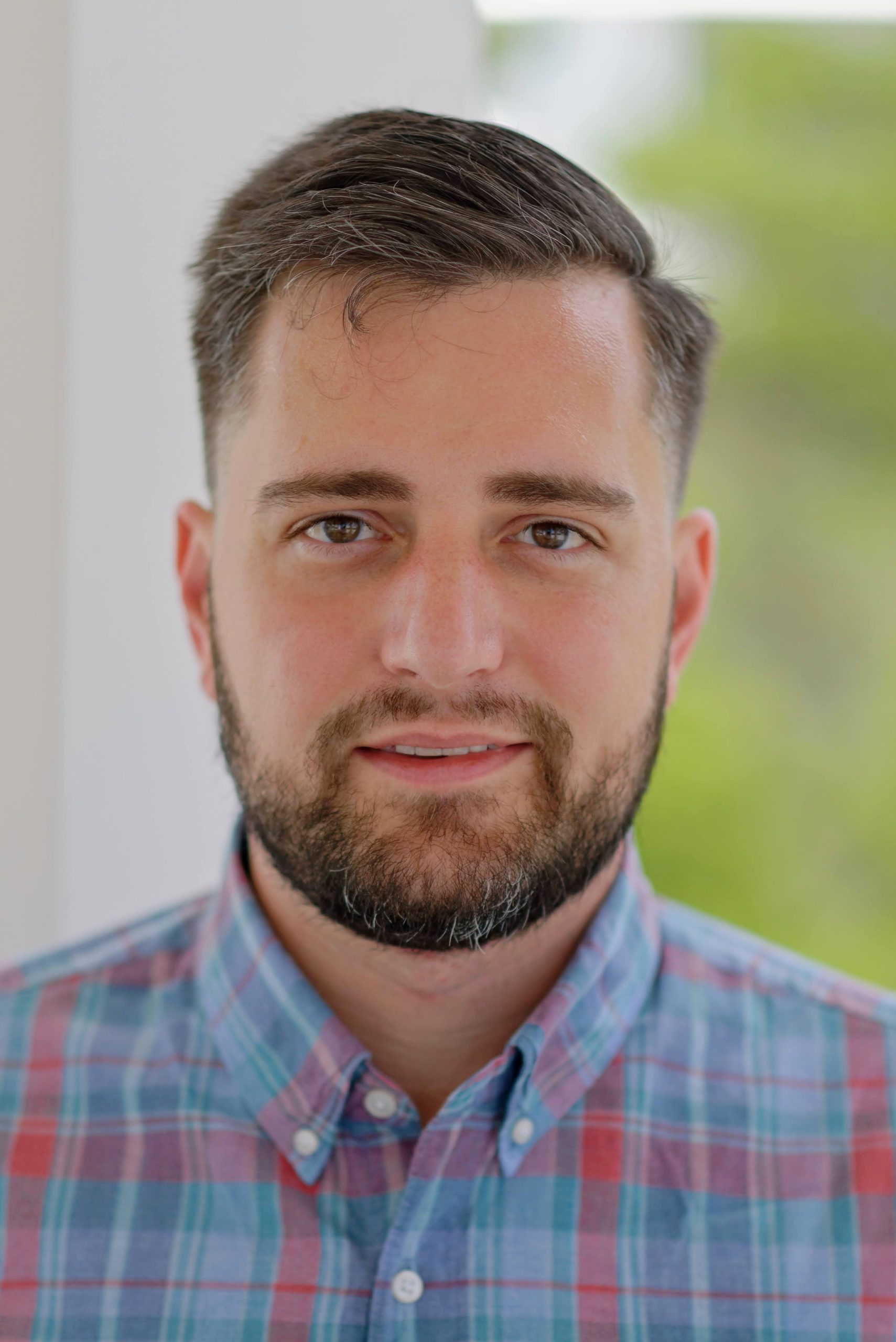
Clinical director; EMDR, Brainspotting, ETT, Jungian and existential work.
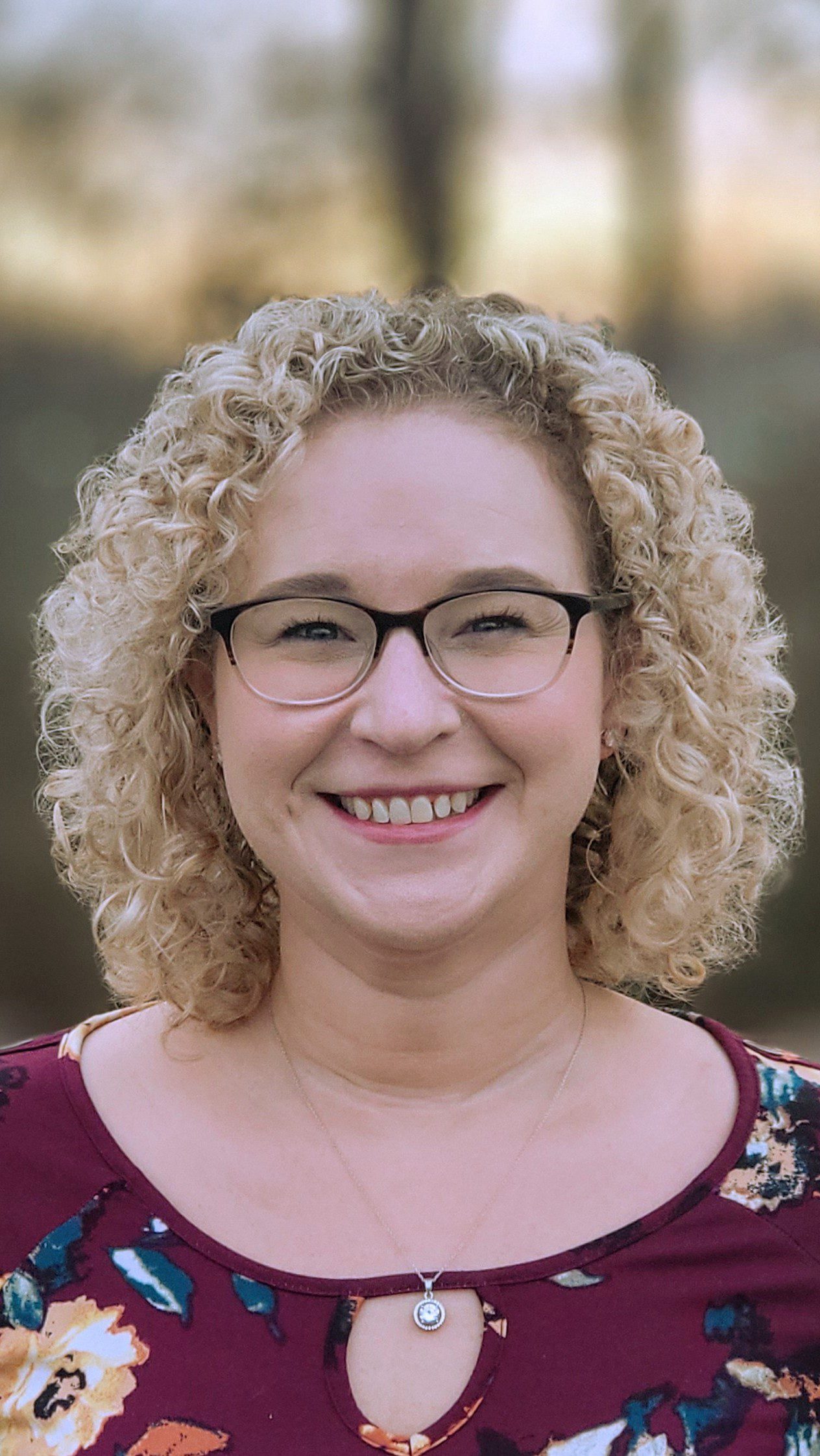
Lead clinician; Lifespan Integration, Brainspotting, EMDR, DBT.
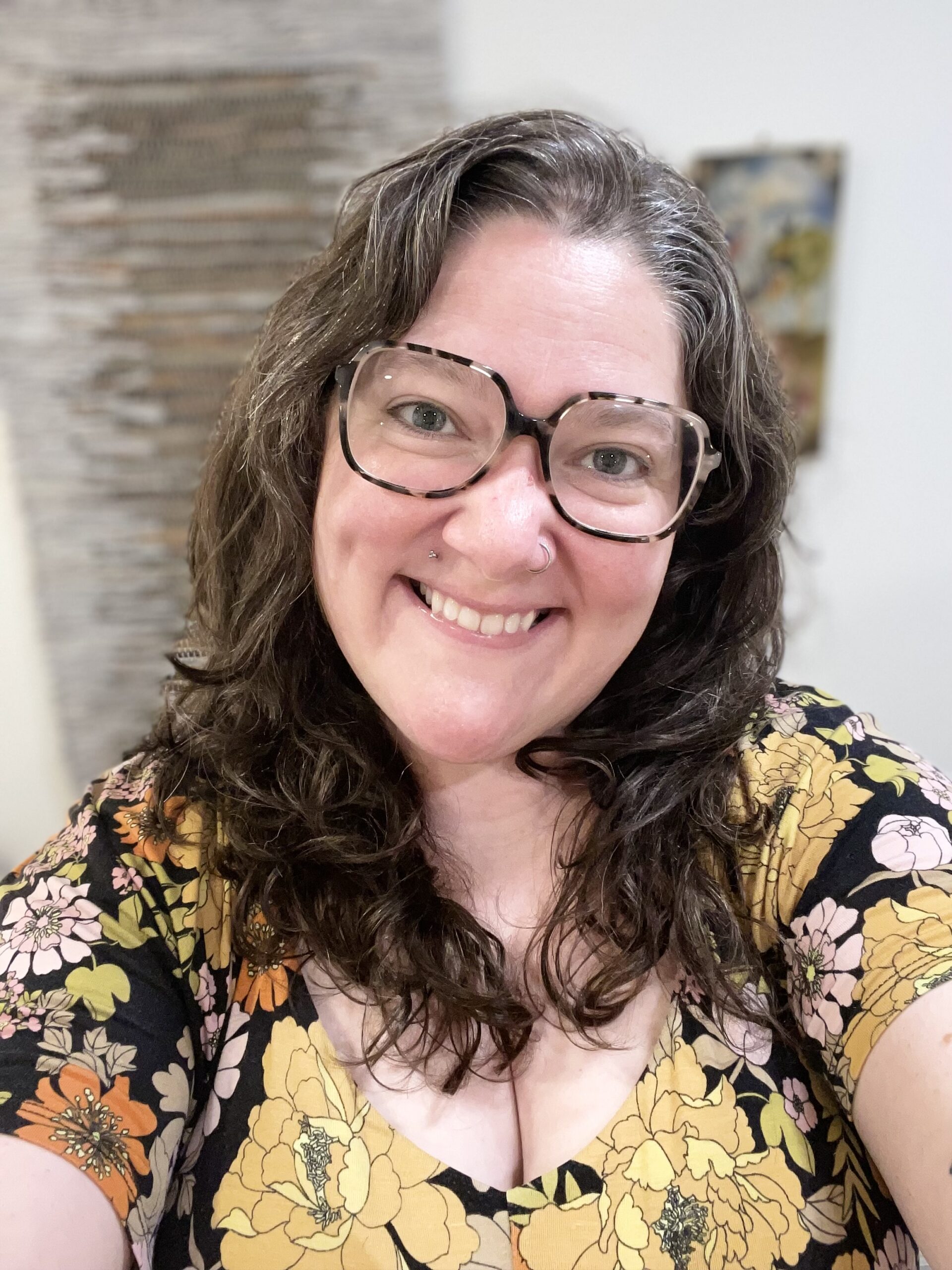
Somatic Experiencing, Brainspotting, IFS.
QEEG brain mapping and neurofeedback, office only.
All eleven clinicians and what each one does.
Cost, insurance and teletherapy
We accept Blue Cross Blue Shield of Alabama for most clinicians. Private-pay and out-of-network sessions are $250, with an income-based sliding scale, and we send a monthly superbill with the codes your insurer needs for out-of-network reimbursement. Secure video sessions are available anywhere in Alabama on the same sliding scale.
Frequently asked questions
How do I know which treatment I need?
You don't have to. That's what the free 15-minute intake call and the first session are for: the coordinator matches you with a clinician, and the clinician chooses the method or combination that fits what you bring. Most clients end up with more than one.
Are all of these available by video?
EMDR, Brainspotting, somatic therapy, Somatic Experiencing, IFS and parts work, Lifespan Integration, Jungian and existential therapy, DBT skills and mindfulness all work over secure video. QEEG brain mapping, neurofeedback and Emotional Transformation Therapy require the Hoover office.
Does insurance cover these?
Blue Cross Blue Shield of Alabama covers psychotherapy with most of our clinicians regardless of the method. Brain mapping and neurofeedback are billed separately and quoted on the intake call.
What makes Taproot different from a general counseling practice?
Every clinician here works somatically and experientially. We don't do talk therapy as a default; we use it in service of methods that reach the nervous system.
Start with the right treatment, in Hoover or online
Your first call is a free 15-minute conversation with our intake coordinator, who matches you with the right clinician. Our office is off I-65 at the Riverchase exit in Hoover, about ten minutes from Vestavia Hills, Homewood and Mountain Brook and fifteen from downtown Birmingham, with free parking at the door.
Book onlineCall (205) 598-6471