
Existential therapy is for the questions that don't have a diagnosis: what my life is for now that the marriage, the career or the faith is gone; how to live knowing I will die; why success feels like nothing; whether I chose any of this. At Taproot Therapy Collective in Hoover, minutes from Birmingham, Alabama, we practice it in the tradition of Viktor Frankl, Irvin Yalom and Rollo May, integrated with the somatic and trauma-processing methods the rest of the practice uses, in person and by secure video anywhere in Alabama.
What is existential therapy?
It began with Viktor Frankl, who built logotherapy out of what he learned in the camps, that people survive when they have a why; the Viktor Frankl Institute in Vienna carries that work on. Rollo May brought it to America. Irvin Yalom named the four givens every person has to answer, death, freedom, isolation and meaninglessness, and wrote the textbook still taught through the Existential-Humanistic Institute, the Society for Existential Analysis and APA Division 32. A 2015 meta-analysis of 21 randomized trials found structured existential interventions improved psychological outcomes, with the strongest effects in people facing serious illness.
Who is existential therapy for?
Depression that isn't about brain chemistry so much as a life that stopped making sense. Midlife, divorce, retirement, the empty house. Grief that has become a question about everything. A diagnosis that put a clock on things. Burnout in people who won and found nothing there. Religious deconstruction. Creatives, physicians and clinicians who have run out of meaning. And people who have finished trauma therapy and want to know what to build now.
What happens in an existential session at Taproot?
You bring the question, not the symptom. Your therapist helps you look at the actual situation you're living in, the choices inside it that are still yours, the responsibility you've been avoiding or the one you've been carrying that isn't yours, and the meaning that is available in it now rather than the one you lost. When the material turns out to be held in the body, as grief and dread usually are, we move into Brainspotting or somatic work and come back. Jungian dream work is often part of it. Sessions are 50 to 80 minutes, in Hoover or by video.
How it works at Taproot
- 1Free 15-minute intake call
Tell the coordinator what the question is; you'll be matched with Joel or Alice.
- 2The situation
The concrete life you're living, not the diagnosis: what ended, what's left, what's still yours to choose.
- 3The work
Weekly sessions that follow the question, with somatic or Brainspotting work when it lives in the body.
- 4A new orientation
Every other week as meaning takes hold; many people return at the next threshold.
Yalom's four givens, and how they show up in the room
| Given | How it shows up | What we do |
|---|---|---|
| Death | A diagnosis, a parent's death, the number on your next birthday | Face it directly; grief work and somatic processing for the dread underneath |
| Freedom | You could change everything and can't move; or you never chose any of it | Find the choices that are still yours and the responsibility that isn't |
| Isolation | Surrounded by people and unreachable; the marriage that's a roommate | Attachment work and the relationships that are possible now |
| Meaninglessness | Success that feels like nothing; faith that collapsed | Logotherapy: the meaning available in this life, not the one you lost |
Is existential therapy right for me? A 30-second check
Existential therapists in Birmingham and Hoover
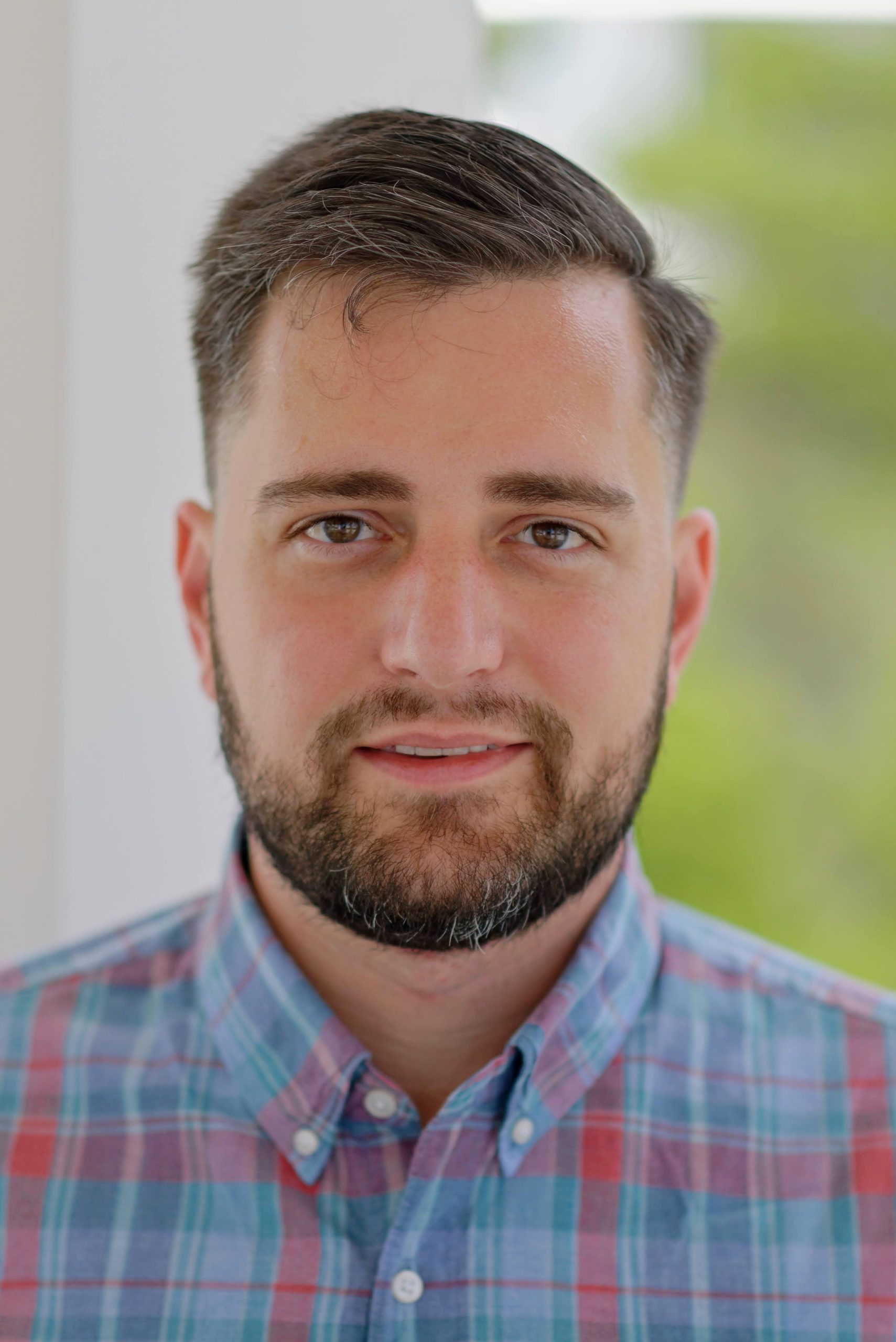
Studied comparative religion at Sewanee before social work. Existential and Jungian depth work for religious deconstruction, midlife, burnout and meaning, integrated with EMDR, Brainspotting and ETT.
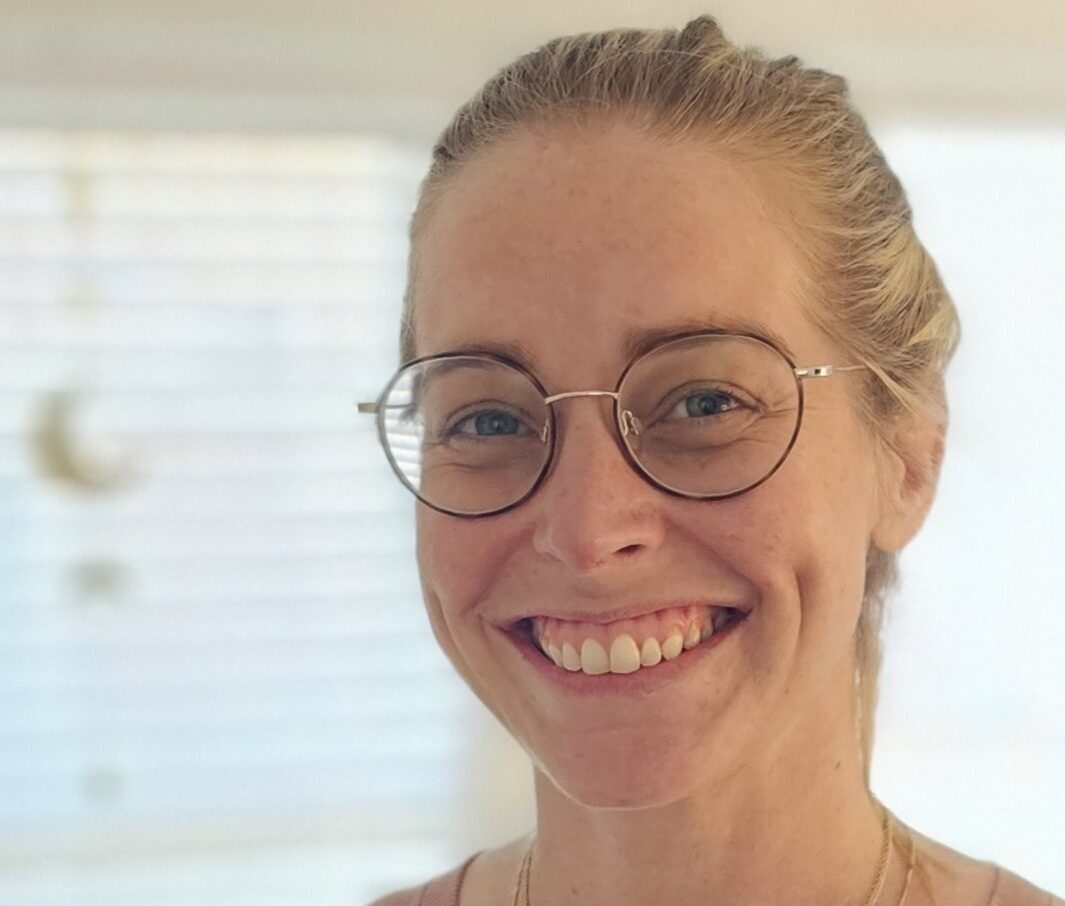
Spiritual crisis, religious abuse, gender and sexuality transitions and relationships, through existential and Jungian work with EMDR and Brainspotting.

Cost, insurance and teletherapy
We accept Blue Cross Blue Shield of Alabama for most clinicians. Private-pay and out-of-network sessions are $250, with an income-based sliding scale, and we send a monthly superbill with the codes your insurer needs for out-of-network reimbursement. Secure video sessions are available anywhere in Alabama on the same sliding scale.
A look inside Taproot
Frequently asked questions
Is existential therapy just philosophy?
It's therapy that takes your actual situation seriously instead of reducing it to symptoms. A meta-analysis of 21 randomized trials found structured, meaning-focused existential interventions improved psychological outcomes, especially for people facing serious illness. The philosophy is the map; the work is your life.
Is this for people who have lost their religion?
Often, yes. Deconstruction leaves a hole where meaning used to be, and existential therapy is the tradition built for exactly that question. Joel Blackstock studied comparative religion before social work and has no agenda about what you should believe next.
How does existential work fit with somatic trauma therapy?
Trauma processing answers what happened to you. Existential work answers what you do with the life you have now. At Taproot they run together: when a question about meaning turns out to be held in the body, we move into Brainspotting or somatic work and come back.
How long does it take?
It's open-ended by nature, usually months, weekly at first and every other week as things settle. Some people come for a season around a specific crisis and return years later for the next one.
Start existential therapy in Birmingham, Hoover or online
Your first call is a free 15-minute conversation with our intake coordinator, who matches you with the right clinician. Our office is off I-65 at the Riverchase exit in Hoover, about ten minutes from Vestavia Hills, Homewood and Mountain Brook and fifteen from downtown Birmingham, with free parking at the door.
Book onlineCall (205) 598-6471