
If you go numb when things get intense, lose stretches of time, feel like you're watching yourself from outside, or can't remember most of your childhood, that's dissociation, and it's not a character flaw. It's the nervous system's most effective survival strategy, and it needs a specific kind of treatment: phased, body-based and slow enough that you stay. At Taproot Therapy Collective in Hoover, minutes from Birmingham, four clinicians specialize in dissociation, from everyday checking out through dissociative identity disorder. In person or by secure video anywhere in Alabama; Blue Cross Blue Shield of Alabama accepted for most clinicians.
What dissociation is
Dissociation is disconnection: from the body, from feeling, from memory, from the sense of being one continuous person. The International Society for the Study of Trauma and Dissociation sets the treatment guidelines the field follows, and they begin from a premise our whole practice shares: dissociation is what a nervous system does when fight and flight aren't possible, and it is almost always trauma, usually early and repeated. Everyday dissociation is common. Depersonalization, dissociative amnesia and dissociative identity disorder are the far end of the same spectrum.
Who this page is for
People who go blank, numb or far away under stress. Big gaps in memory, especially childhood. Feeling unreal, or that the world is. Losing time. Panic that ends in shutdown. Clients whom EMDR flooded. Survivors of childhood abuse, high-control religion or long abusive relationships. And people who feel like different versions of themselves in different situations and have been afraid to say so.
How we treat dissociation at Taproot
Phased, the way the guidelines prescribe: stability and regulation before any processing, processing only at the pace your system tolerates, integration after. Somatic therapy builds the capacity to stay present in the body, which is where this work begins. Lifespan Integration is our primary processing method for dissociative clients because it doesn't require you to be inside the memory; it walks your timeline until the body knows time has passed. Internal Family Systems treats the part that leaves as a protector to be understood, not overridden, and is the frame for dissociative identity disorder. Brainspotting is used slowly, when the system is ready.
How it works at Taproot
- 1Free 15-minute intake call
Tell the coordinator what's going on; you'll be matched with a clinician who specializes in dissociation.
- 2First sessions
History and what you've already tried, in the Hoover office or by secure video.
- 3Treatment
Phased: regulation first, then Lifespan Integration, IFS or slow Brainspotting, then integration.
The dissociation spectrum, and how we work at each point
| What it looks like | What it's called | Where we start |
|---|---|---|
| Going numb, checking out, autopilot | Everyday dissociation | Somatic therapy and grounding |
| Feeling unreal or outside your body | Depersonalization and derealization | Somatic work, then Lifespan Integration |
| Losing time; memory gaps | Dissociative amnesia | Lifespan Integration; nothing forced |
| Different self-states with their own memories | Dissociative identity disorder | IFS-framed, phased care with Alice or Marie |
| EMDR made it worse | A system that protects you by leaving | Lifespan Integration and IFS instead |
Is dissociation therapy right for me? A 30-second check
Dissociation specialists in Hoover
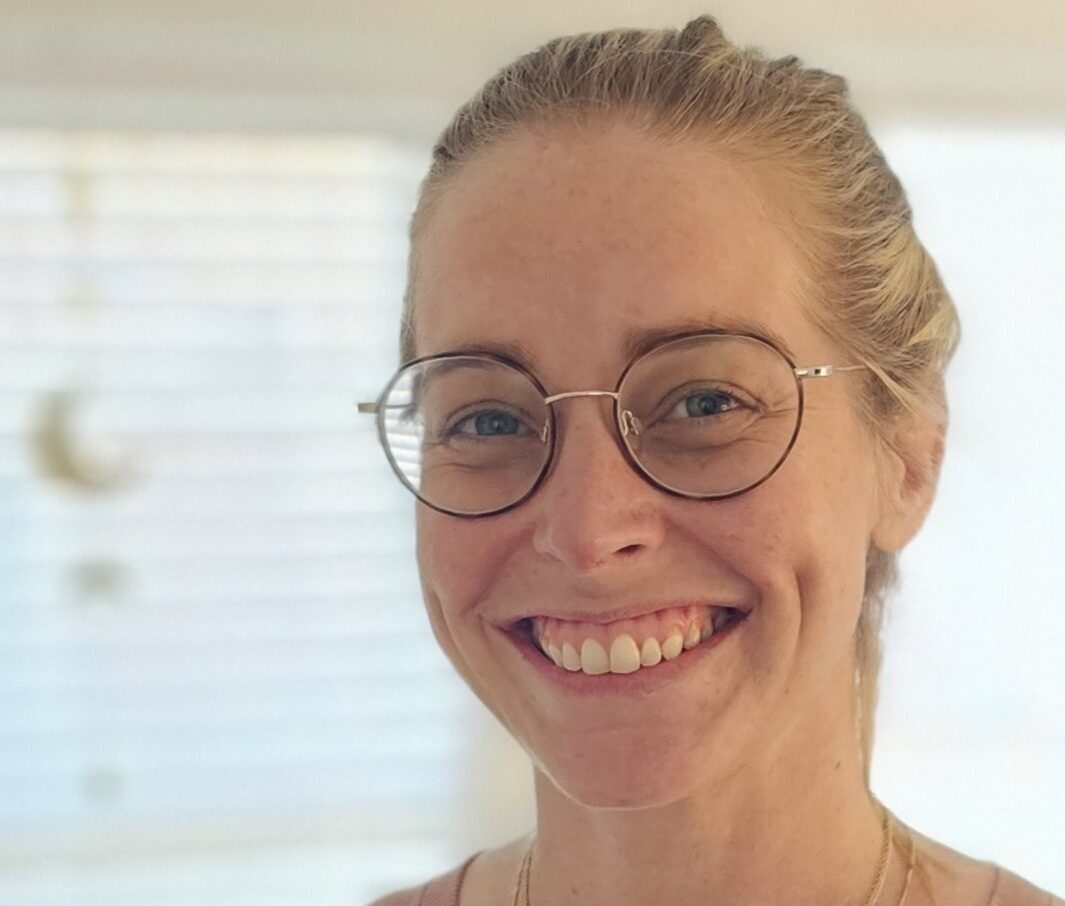
Dissociative disorders including DID, spiritual crisis and religious abuse; parts work, EMDR and Brainspotting, paced for dissociative clients.

Severe PTSD with dissociation; Level 4 Lifespan Integration, the method built for it.
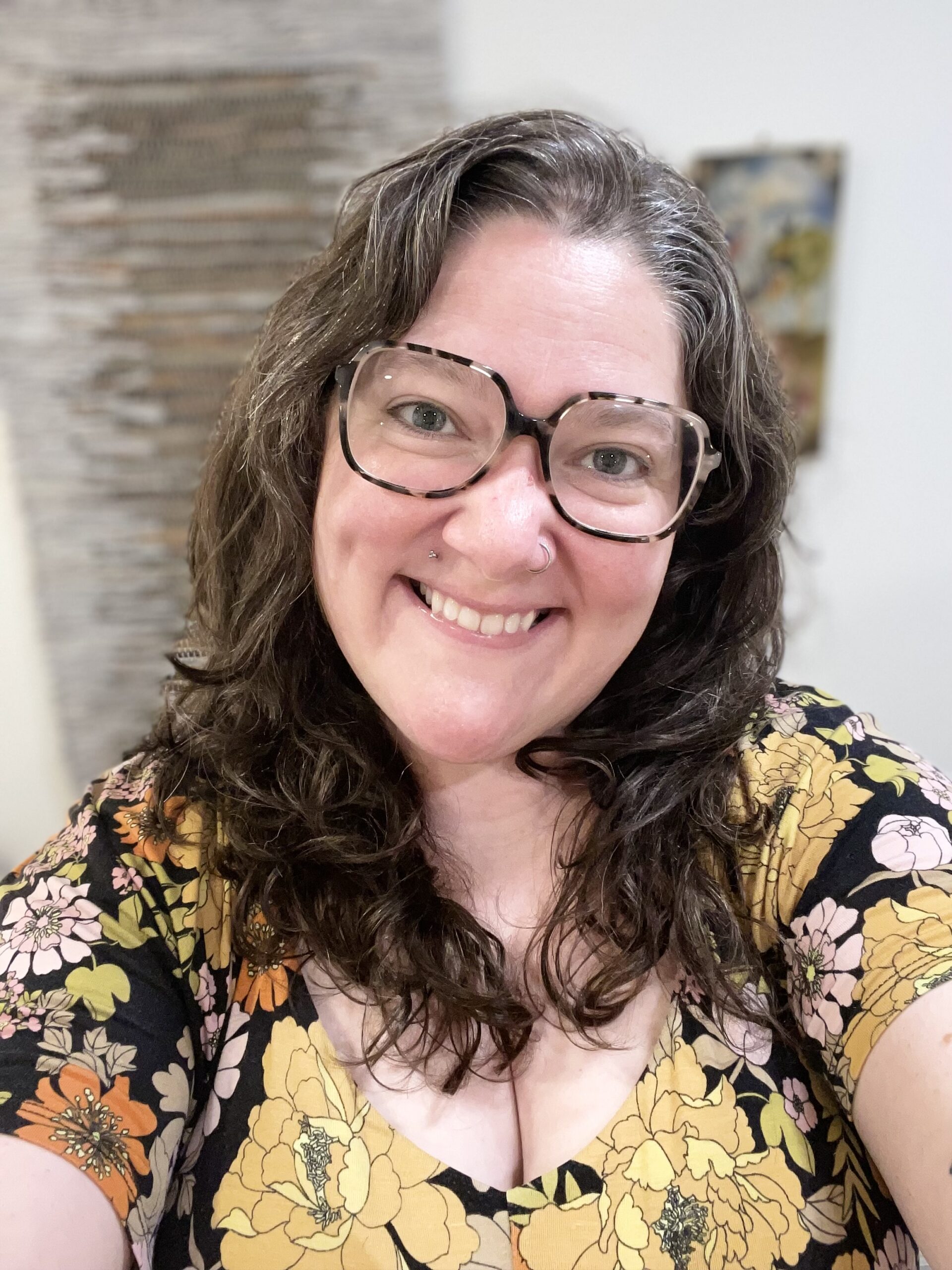
The freeze and fawn response, religious and interpersonal trauma; Somatic Experiencing and IFS, in person or by video to rural Alabama.

Complex PTSD with dissociation and chronic illness; IFS, Somatic Experiencing and Lifespan Integration by teletherapy.
Cost, insurance and teletherapy
We accept Blue Cross Blue Shield of Alabama for most clinicians. Private-pay and out-of-network sessions are $250, with an income-based sliding scale, and we send a monthly superbill with the codes your insurer needs for out-of-network reimbursement. Secure video sessions are available anywhere in Alabama on the same sliding scale.
A look inside Taproot
Frequently asked questions
Is dissociation the same as having multiple personalities?
No. Dissociation is a spectrum. Almost everyone with trauma dissociates sometimes: going numb, checking out, driving somewhere and not remembering it. Dissociative identity disorder is the far end, with separated self-states, and it needs specialized, slow care. Alice Hawley and Marie Danner provide it; the rest of the spectrum, most of our clinicians treat.
Why does EMDR make me worse?
Because standard EMDR asks you to hold the memory and the feeling at once, and a dissociative system protects you by leaving. That's not failure; it's information. We use Lifespan Integration, which doesn't require you to be inside the memory, and IFS, which works with the part that leaves instead of pushing past it.
Do I need to remember what happened?
No. Much of what we treat happened before words, or is walled off for good reasons. Lifespan Integration and somatic work heal the nervous system's response without requiring the narrative, and memory that returns is met when you're ready, not forced.
Can dissociation be treated by video?
Yes, with care. Robin Taylor and Pamela Hayes both treat dissociative clients online, with grounding built into every session and a plan for what to do if you drift.
Start dissociation therapy in Hoover or online
Your first call is a free 15-minute conversation with our intake coordinator, who matches you with the right clinician. Our office is off I-65 at the Riverchase exit in Hoover, about ten minutes from Vestavia Hills, Homewood and Mountain Brook and fifteen from downtown Birmingham, with free parking at the door.
Book onlineCall (205) 598-6471