Design Psychology
Our articles investigate the profound ways architectural spaces, urban plans, and interior designs influence our moods, relationships, and sense of self. We draw on attachment theory to examine buildings as “holding environments” and “transitional objects”. We use Jungian concepts like archetypes and the collective unconscious to illuminate the symbolic meanings encoded in different design styles. And we apply polyvagal theory to unpack how elements like light, color, and spatial configuration impact the nervous system.
Through interviews with visionary architects, designers, and environmental psychologists, we explore the emerging field of trauma-informed design. We discuss how principles like biophilia, sensory integration, and neurodiversity inclusion can create spaces that feel safe and regulating for nervous systems of all kinds. We also delve into the shadow side of design, examining how hostile architecture, gentrification, and the “affluenza aesthetic” can reinforce social inequities and contribute to a kind of collective dissociation.
Whether you’re a professional designer looking to expand your psychological toolkit, a therapist interested in the healing power of place, or simply a curious inhabitant of the built world, this podcast category will give you a whole new appreciation for the spaces that shape us. Join us to explore the outer reaches of inner space and learn to create environments that reflect and support the full continuum of human experience.
Visit Taproot Therapy Collective at
2025 Shady Crest Dr. Suite 203,
Hoover, AL 35216
or call (205) 598-6471.
Web: www.GetTherapyBirmingham.com
Podcast: https://gettherapybirmingham.podbean.com/
Discover fractal fluency—the neuroscience of why natural patterns calm the brain while minimalist architecture stresses it. Learn how to create a “visual diet” for trauma recovery by designing environments with the right fractal dimension (D=1.3-1.5) to passively regulate the nervous system.
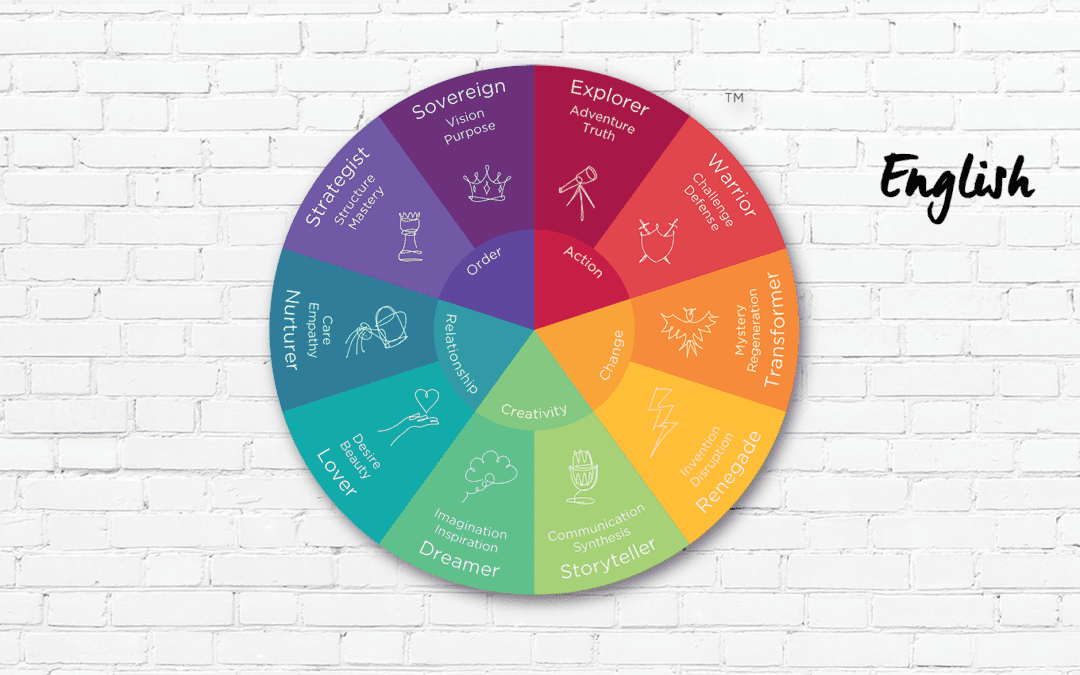
Discover how Jung’s Jester archetype and the 12 archetypal patterns transform brand identity, from therapy practices to Fortune 500 companies. Learn practical strategies for authentic archetypal branding that bridges ancient wisdom with modern neuroscience.
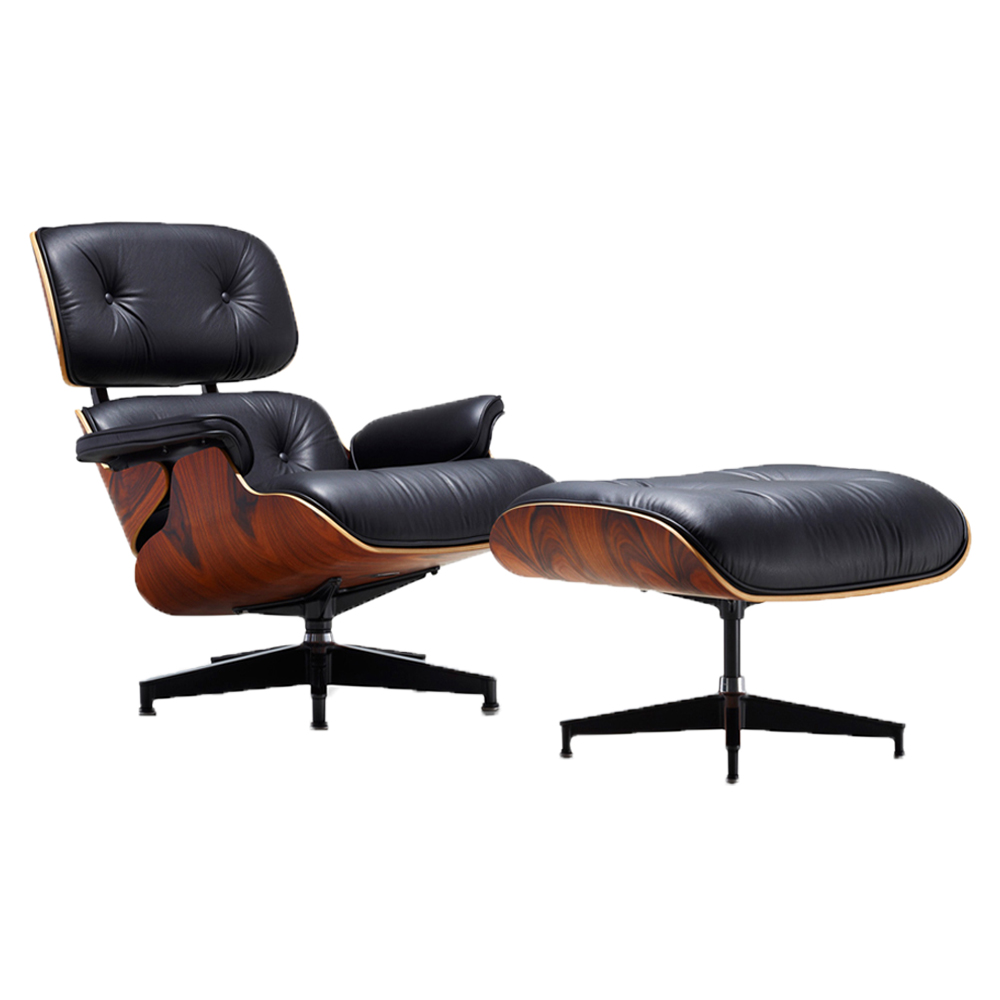
Why Design Psychology Matters Insights from 12 Mid-Century Modern Masters of Design The field of design psychology examines how the built environment shapes human behavior, emotions and well-being. From the layout of city streets to the furnishings in our homes, the...
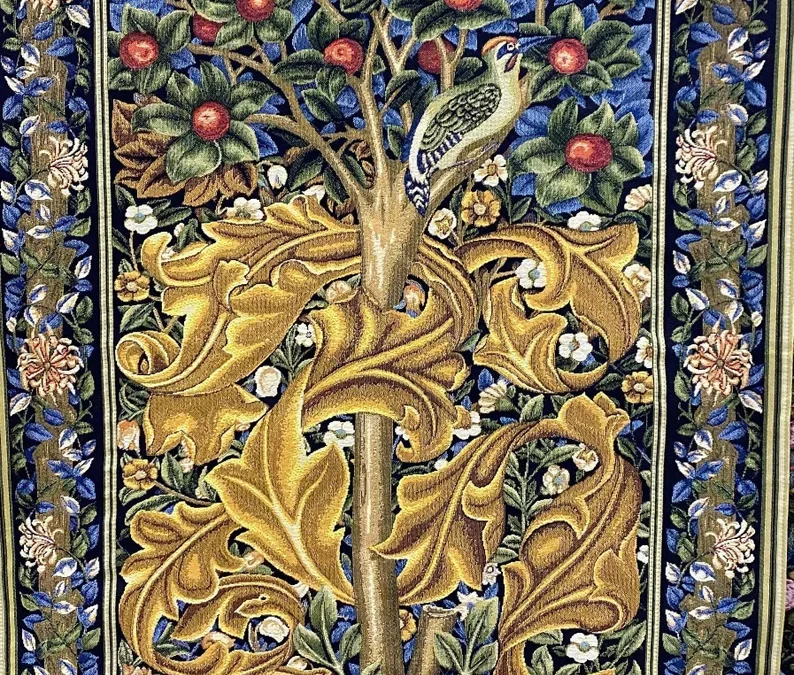
Who Was William Morris? William Morris was a designer known for his exquisite tapestries depicting scenes from myth, legend and medieval romance. More than decorative objects, these woven works invite the viewer into a mesmerizing world of archetypes, hidden meanings...
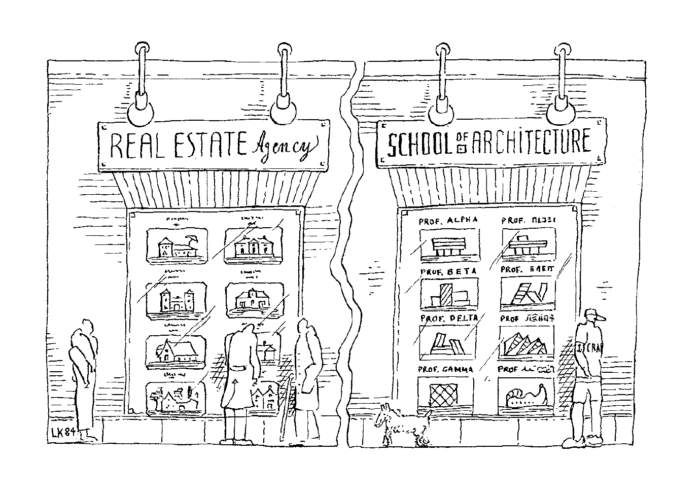
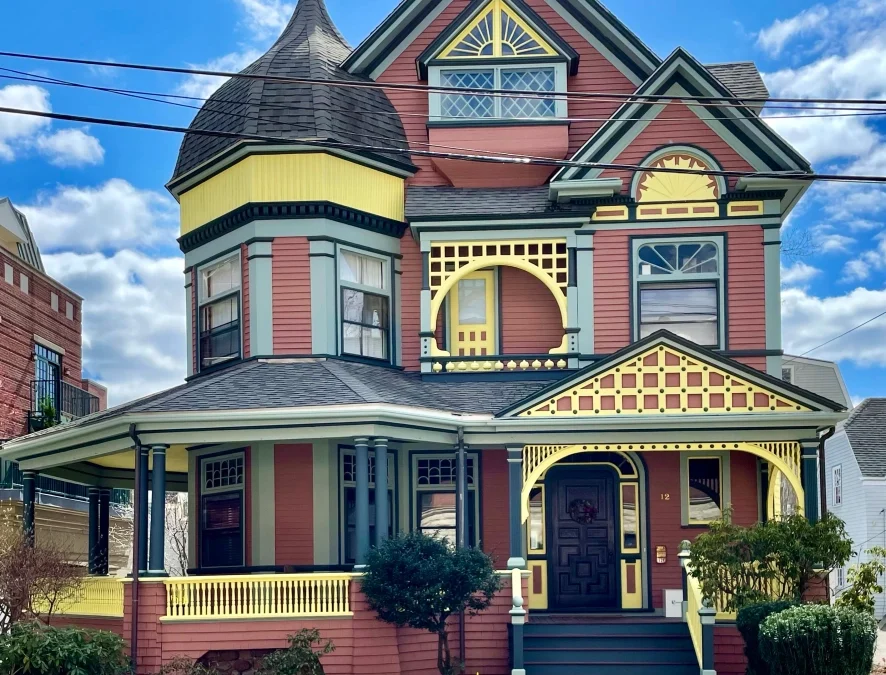
The Psychlogy of Victorian Eclecticism The Psychology of Victorian Eclecticism: A Fusion of Styles Victorian Eclecticism, prevalent during the reign of Queen Victoria (1837-1901), represents a period of architectural exuberance and diversity. This movement,...
The Psychology of Design in America Design is more than just the way things look. Design is an alchemization of a culture's values, aspirations, anxieties and worldview at a particular moment in time. Like an anthropologist studying ancient ruins to understand...