Therapeutic Approaches: Exploring Methods for Healing and Personal Growth
Understanding the variety of therapeutic approaches available can empower individuals to choose the most effective method for their healing journey. This category covers a wide range of psychotherapeutic modalities, each offering unique techniques to address mental health issues such as trauma, anxiety, depression, and relational challenges. Whether you are a therapist, mental health professional, or someone seeking therapy, this section provides an in-depth guide to popular therapeutic methods and how they foster emotional and psychological well-being.
1. Cognitive Behavioral Therapy (CBT): Restructuring Thoughts and Behaviors
One of the most widely used therapeutic approaches, Cognitive Behavioral Therapy (CBT) focuses on identifying and challenging negative thought patterns and behaviors. This section explores how CBT is used to treat anxiety, depression, and trauma, while offering practical examples of how clients can apply its techniques in daily life to foster positive change.
2. Psychodynamic Therapy: Uncovering the Unconscious
Rooted in depth psychology, psychodynamic therapy aims to uncover unconscious conflicts and past experiences that shape current behavior. We explore how this approach delves into the deeper layers of the psyche, addressing unresolved emotional pain, relational issues, and recurring life patterns. Carl Jung and Sigmund Freud’s contributions to this modality are highlighted.
3. Eye Movement Desensitization and Reprocessing (EMDR): Healing Trauma
EMDR is a specialized therapeutic approach designed to help individuals process traumatic memories. In this section, we explore how EMDR works by using bilateral stimulation to reduce the emotional charge of traumatic events, making it an effective treatment for PTSD, complex trauma, and anxiety disorders.
4. Somatic Therapy: Healing Through the Body
Somatic therapy is a holistic approach that emphasizes the connection between the body and mind. This section delves into how somatic techniques, such as Somatic Experiencing, help clients process trauma and emotional stress stored in the body. We’ll also cover how breathwork, movement, and mindfulness are used to release trauma and restore physical and emotional balance.
5. Mindfulness-Based Therapy: Cultivating Present Awareness
Mindfulness-based therapeutic approaches, such as Mindfulness-Based Stress Reduction (MBSR) and Mindfulness-Based Cognitive Therapy (MBCT), focus on cultivating present-moment awareness. This section examines how mindfulness techniques can help reduce anxiety, manage depression, and foster emotional resilience by teaching clients to observe their thoughts without judgment.
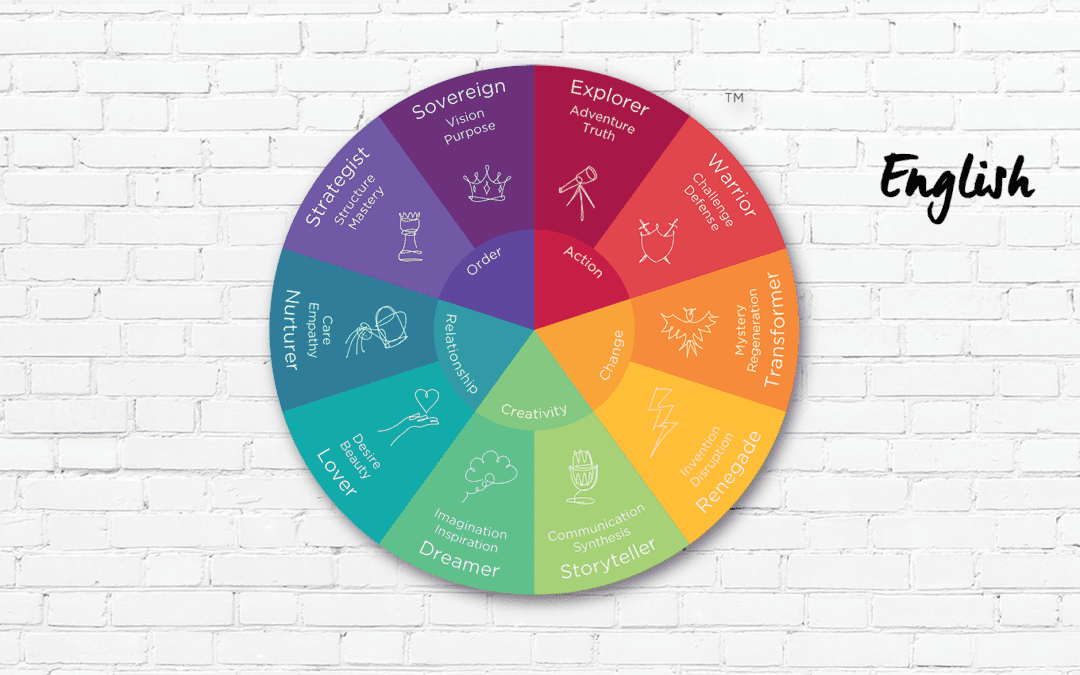
6. Jungian Therapy: Exploring Archetypes and the Unconscious
Jungian therapy is a depth psychological approach that explores the unconscious mind through symbols, dreams, and archetypes. This section offers insights into how clients can work with the shadow, the anima/animus, and other archetypal figures to gain self-awareness and achieve greater psychological integration. The process of individuation is also discussed as a path to self-realization.
7. Dialectical Behavior Therapy (DBT): Balancing Emotions
Dialectical Behavior Therapy (DBT) is an effective approach for treating emotional dysregulation, borderline personality disorder, and self-destructive behaviors. In this section, we explain how DBT helps individuals balance intense emotions, improve interpersonal relationships, and develop coping skills through mindfulness and emotional regulation techniques.
8. Family Systems Therapy: Healing Through Relationships
Family Systems Therapy focuses on understanding the dynamics within family relationships. This section explores how this approach helps families identify unhealthy patterns, improve communication, and strengthen their bonds, leading to healthier family functioning. Bowenian and Structural Family Therapy models are discussed in detail.
14 articles in this section.