Embark on a fascinating exploration of the history of psychotherapy, as we trace its evolution through the lens of depth psychology and symbolism. This blog post takes you on a journey from the early days of Freudian psychoanalysis to the diverse landscape of contemporary therapeutic approaches, unveiling the symbolic meanings and archetypal themes that have shaped the field.
We’ll delve into the key figures and pivotal moments that have defined the history of psychotherapy, examining how their ideas and practices have been influenced by the collective unconscious and the prevailing cultural symbols of their time. From Freud’s use of mythological and literary references to Jung’s archetypes and dream analysis, we’ll uncover the rich symbolic language that has informed the development of psychological theory and practice.
Explore how design psychology has played a role in shaping the therapeutic environment, from the iconic psychoanalyst’s couch to the carefully curated spaces of modern therapy rooms. We’ll examine how the design of these spaces reflects the evolving symbolic understanding of the therapeutic relationship and the healing process.
Join us on this illuminating journey through the history of psychotherapy, as we unravel the symbolic tapestry that has woven together the diverse strands of psychological thought and practice. Gain a deeper appreciation for the role of depth psychology and symbolism in shaping the field and informing our understanding of the human psyche.
Visit Taproot Therapy Collective at
2025 Shady Crest Dr. Suite 203,
Hoover, AL 35216
or call (205) 598-6471.
Web: www.GetTherapyBirmingham.com
Podcast: https://gettherapybirmingham.podbean.com/
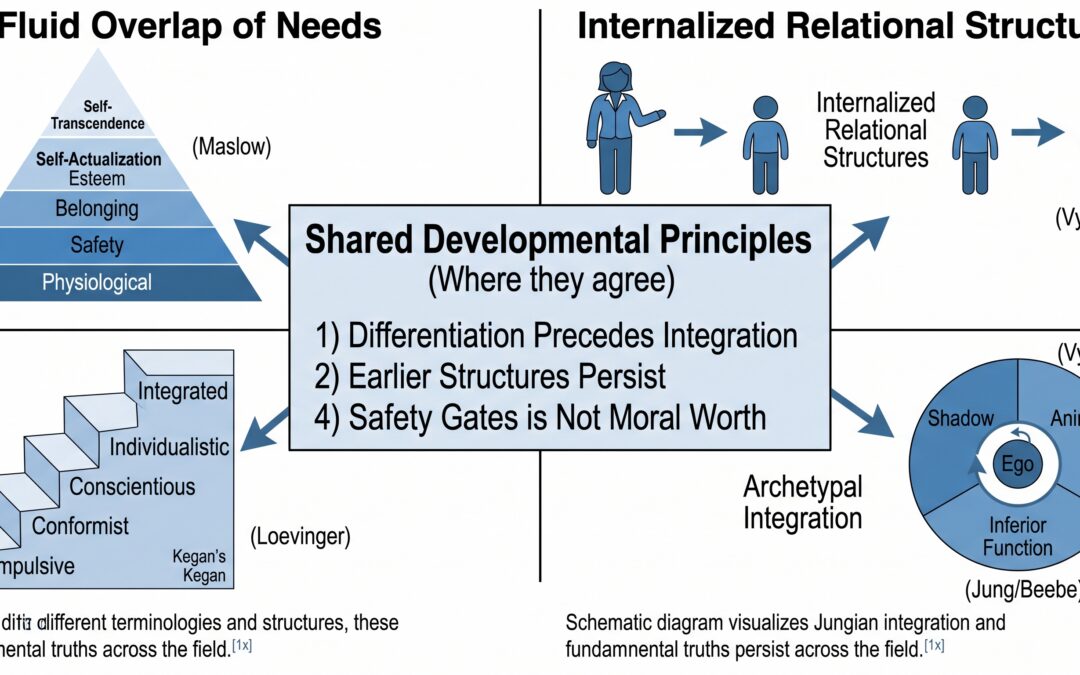
Every generation of psychologists seems to arrive at the same instinct: that the mind develops in stages, that those stages stack, and that the stack means something. Maslow drew needs. Erikson drew crises. Kohlberg drew moral reasoning. Loevinger drew the ego. Wilber...
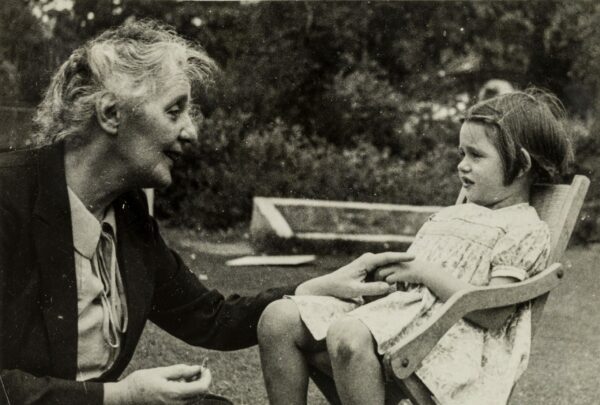
Exploring the Earliest Stages of Psychic Life "The early ego lacks cohesion, and a tendency towards integration alternates with a tendency towards disintegration, a falling into bits... The result is an acute feeling of insecurity." 1. Who Was Melanie Klein Melanie...
The Evolution of Psychoanalytic Thought: From Freud's Drive Theory to Contemporary Relational Models What is Psychoanalysis like Now? Psychoanalysis, the field founded by Sigmund Freud in the late 19th century, has undergone a remarkable evolution over the past...
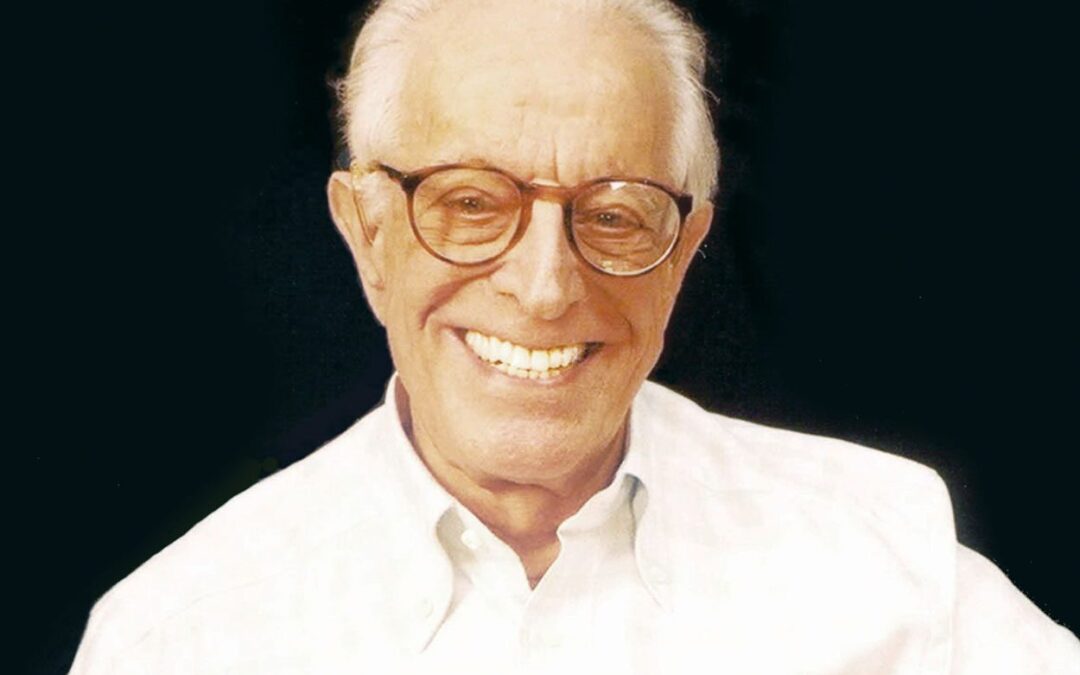
Who was Albert Ellis? Rational Emotive Behavior Therapy (REBT) is a form of cognitive-behavioral therapy that focuses on identifying and challenging irrational beliefs in order to improve emotional well-being and behavioral outcomes. Developed by psychologist...
Everyone knows about the divorce. Freud and Jung, Vienna and Zurich, the letters crossing in the January mail of 1913, Freud telling his former crown prince to take his full freedom and spare him the supposed tokens of friendship. The theoretical grounds get taught in...
In 1952, a psychologist at the Institute of Psychiatry in London published a short review article with a flat title and a live charge inside it. Hans Eysenck was a behaviorist, a statistician by temperament, and a man constitutionally incapable of deference. "The...
From Freud, Jung, and Adler to the Somatic Fourth Wave Every school of therapy is a defense structure. It forms to manage an unbearable anxiety, it hardens into doctrine, and it eventually meets the limit of what it was built to avoid looking at. The history of the...
The Crisis That Created the DSM Before 1980, American psychiatry was dominated by psychoanalysis. Diagnosis was secondary, almost administrative. The clinician's task was understanding the patient's underlying psychological mechanisms and unique narrative. Mental...
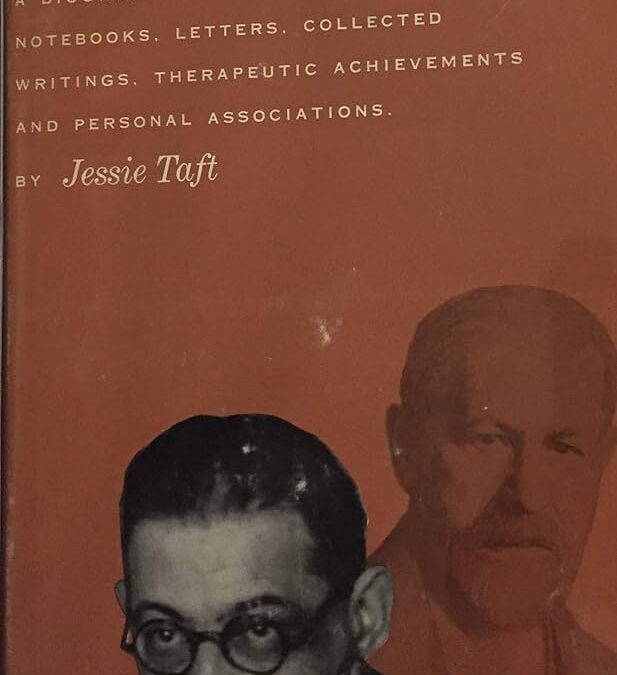
Somewhere in the Library of Congress sits a collection of documents that has shaped how we understand the human mind. The Sigmund Freud Papers contain letters, case notes, interviews, and personal correspondence spanning the birth of psychoanalysis. They should be...
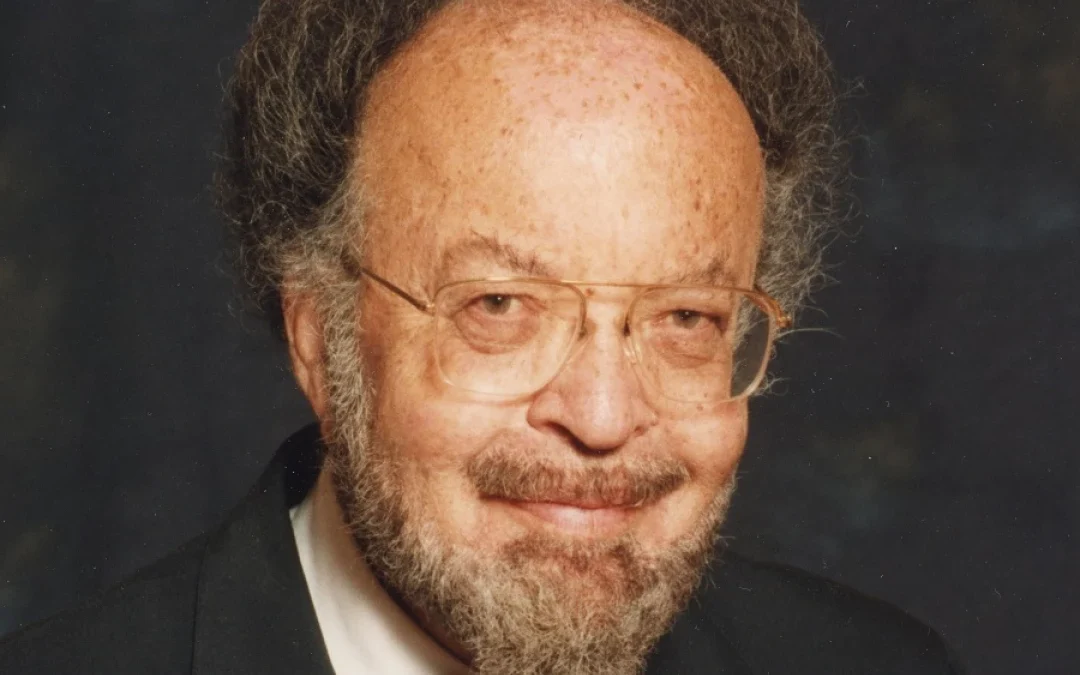
The Grand Unifier: Theodore Millon and the Mathematical Architecture of the Self In the fragmented landscape of 20th-century psychology, where clinicians pledged loyalty to competing schools of thought like feudal lords, Theodore Millon (1928–2014) stood as a rare...