Film and TV
Dive into the mesmerizing world of film and television through the transformative lenses of depth psychology and trauma neurology. This cutting-edge podcast category explores how the moving image reflects and shapes the hidden dimensions of the psyche.
Our episodes take you on a cinematic journey into the collective unconscious. We analyze iconic movies and groundbreaking TV series to uncover the archetypal themes, psychological conflicts, and social commentaries embedded in their narratives and imagery. We interview visionary filmmakers, screenwriters, and actors about their creative process and the personal and cultural wounds they seek to illuminate and heal through their work. And we explore how the very act of watching and discussing films can be a powerful form of both self-analysis and group therapy.
Drawing on insights from Jungian theory, developmental traumatology, and neuroscience, we reveal how films mirror and mold our deepest fears, desires, and fantasies. We examine how story structure and symbolism speak the language of the unconscious. We investigate how cinematography, editing, and sound design evoke and regulate trauma-related emotional states and nervous system responses. And we consider how representation matters in shaping the psyche, both individually and collectively.
Whether you’re a cinephile seeking to deepen your appreciation of the art form or a mental health professional wanting to harness the power of film in your work, this podcast category will provide you with a profound understanding of the moving image’s role in our psychological and sociocultural worlds. Join us to explore how films can be both entertaining escapes and empowering encounters with our shadow selves – if we know how to watch with an open and courageous mind.
Visit Taproot Therapy Collective at
2025 Shady Crest Dr. Suite 203,
Hoover, AL 35216
or call (205) 598-6471.
Web: www.GetTherapyBirmingham.com
Podcast: https://gettherapybirmingham.podbean.com/
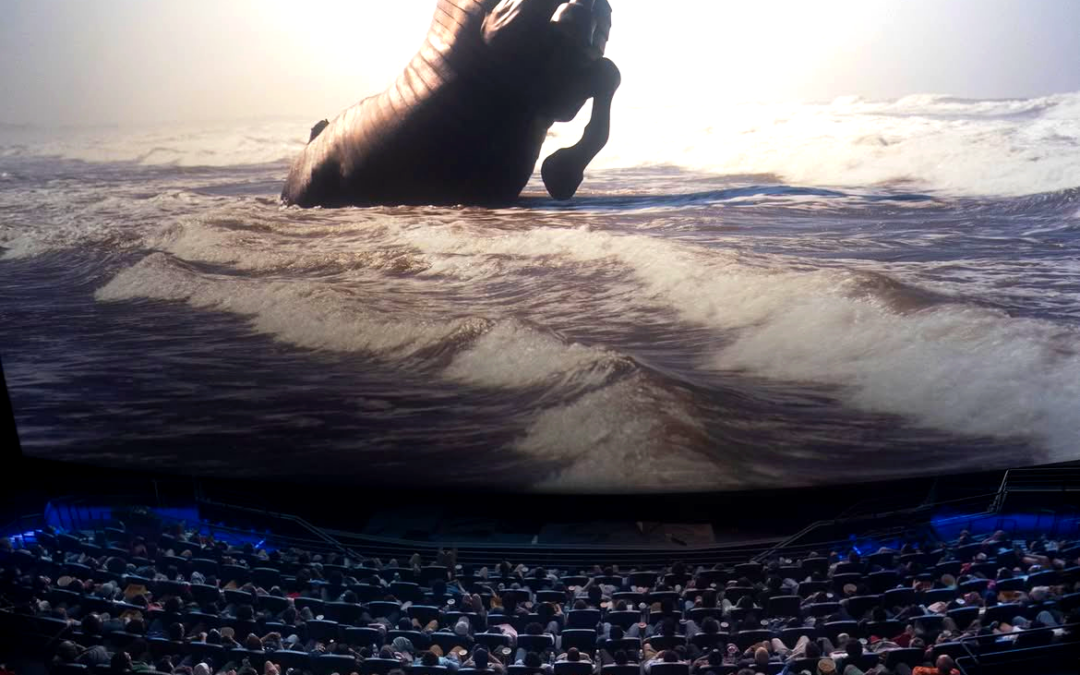
Nolan’s 2026 Odyssey replaces Athena with a flashback, the Trojan Horse with the atomic bomb, and homecoming with futility. It is the most clinically literate blockbuster ever made about moral injury, and it still misses what the original poem understood: that the myth was not a mirror of trauma but a treatment for it. A depth psychology reading of both versions, from the trickster’s amputation to the marriage bed’s living root.
Before there was a pink beard, there was a boy with an anger problem and a mother who knew what to do about it. Sebastian Kole grew up in Birmingham, the son of two preachers, raised by a father whose discipline ran close to military. When the anger started...
This article is dedicated to all the millenials that watched Yellowstone with their Dad. A young man sits across from me and tells me he has watched all of Yellowstone four times. He is not a rancher. He has never owned an animal larger than a dog. He works a job...
In the summer of 2005, a virtual plague swept through the digital kingdom of Azeroth. Players logged into World of Warcraft to find the streets of major cities carpeted with skeletons. A bug had allowed a deadly in-game disease to escape its intended boundaries, and...
Where Art Meets Life in the American Landscape In an era where social media algorithms and political narratives seem determined to divide us, actor and visual artist Toby Huss offers a radically different perspective on American identity. Through his photography book...
A Review of Into the Abyss by Werner Herzog Trigger Warning: This essay discusses capital punishment, murder, violence, death, and contains descriptions of violent acts including attempted murder. The film and essay examine traumatic events and their psychological...
An in-depth psychotherapeutic exploration of the Myst series’ architectural language, examining how each Age’s design reflects psychological states from Frank Lloyd Wright-inspired organic architecture to Byzantine constructivism. Discover how the Miller brothers transformed environmental storytelling into therapeutic landscapes where internal worlds become navigable territories.
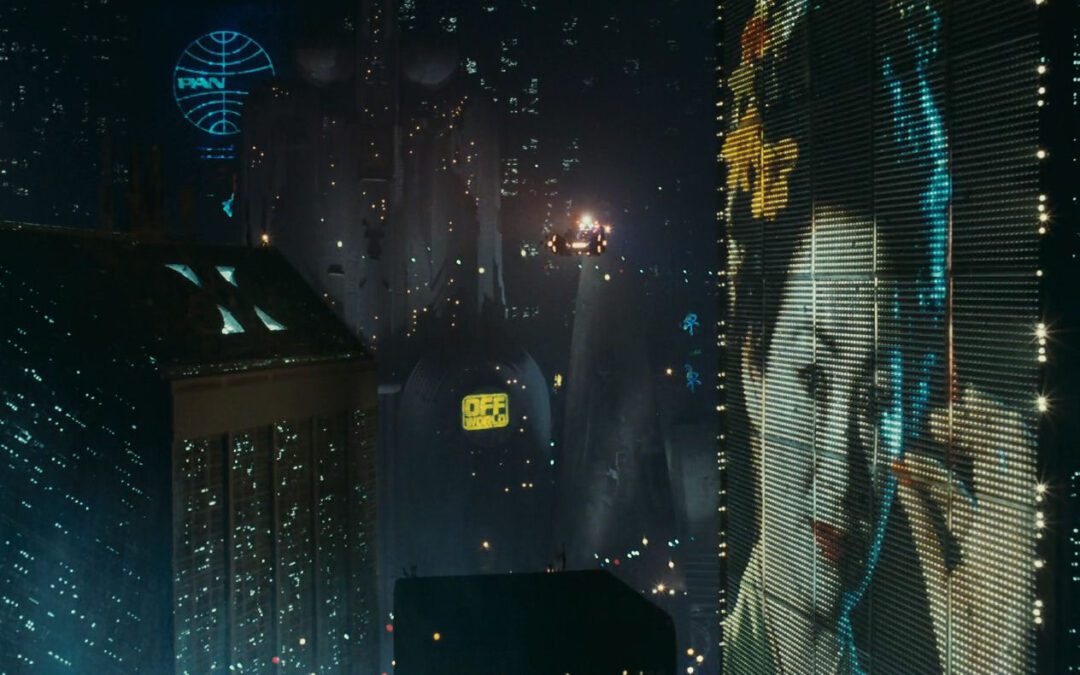
In 1982, Ridley Scott released a film that bombed at the box office but succeeded in something far more important: it showed us the future we were already building. Blade Runner wasn't science fiction. It was documentary footage from a tomorrow that capital was...
An in-depth analysis of how Hideo Kojima’s Metal Gear Solid series embodies metamodern philosophy through its oscillation between grand narratives and postmodern fragmentation, exploring themes of war, identity, and consciousness while paralleling Thomas Pynchon’s critique of post-WWII American empire.
This article contains mild spoilers from the series. Metal Gear Solid stands as one of gaming's most psychologically complex franchises, not because it tries to be, but because Hideo Kojima possesses an almost preternatural ability to understand the tensions between...