Therapist & Counselor in Vestavia Hills, Alabama
Trauma-focused psychotherapy, EMDR, Brainspotting, somatic therapy and qEEG brain mapping from a team of licensed counselors and clinical social workers minutes from the Vestavia Hills city line, with secure teletherapy anywhere in Alabama.
If you are searching for a therapist in Vestavia Hills, Alabama, you have probably noticed that the directory listings all start to blur together. Every profile promises a safe space and a compassionate ear, and very few explain what actually happens in the room, why one method might fit your situation better than another, or what a counselor, a clinical social worker and a psychotherapist even do differently. This page is our attempt to answer those questions honestly and completely, so that whether or not you choose Taproot, you leave knowing how to evaluate trauma and anxiety treatment options near Vestavia Hills like an informed consumer.
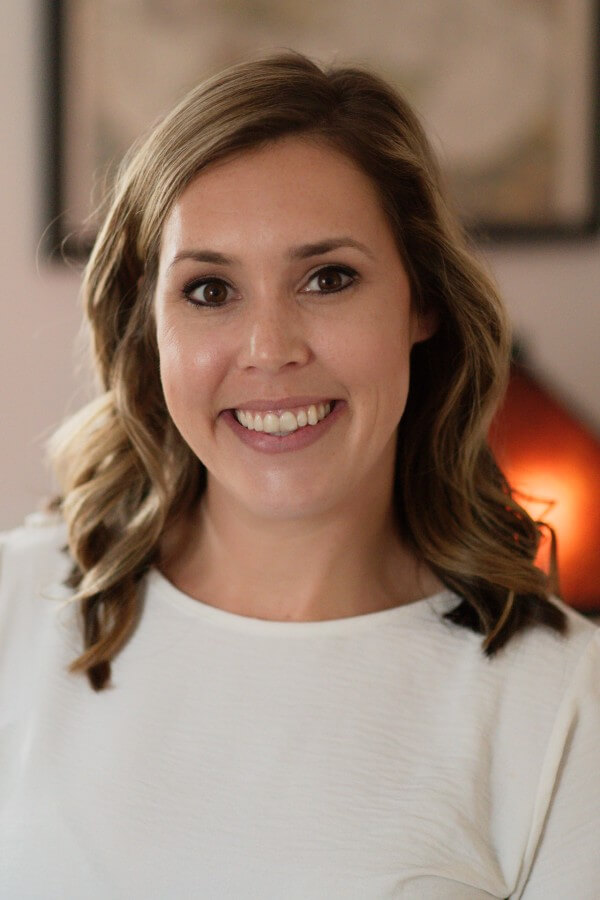
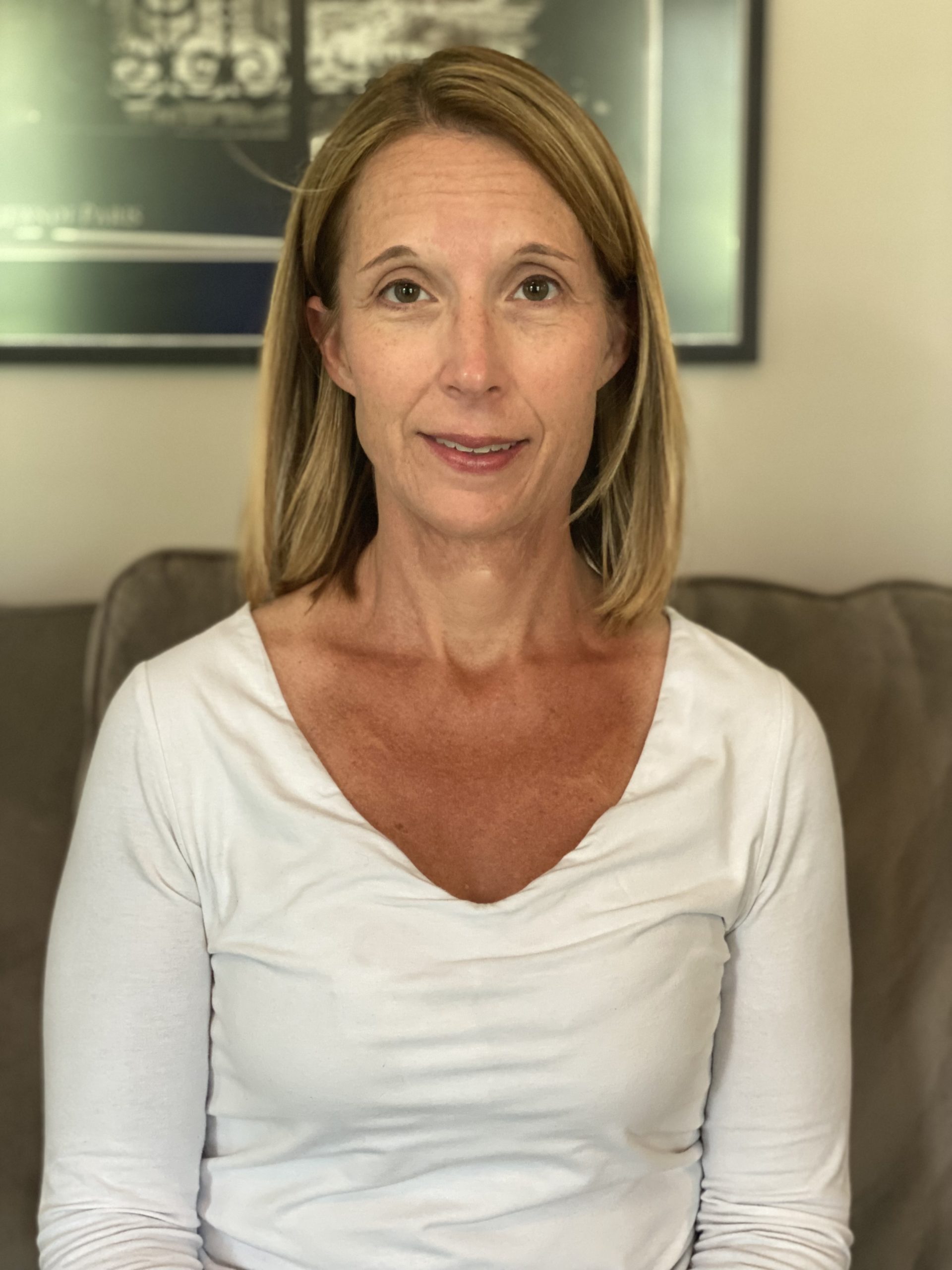
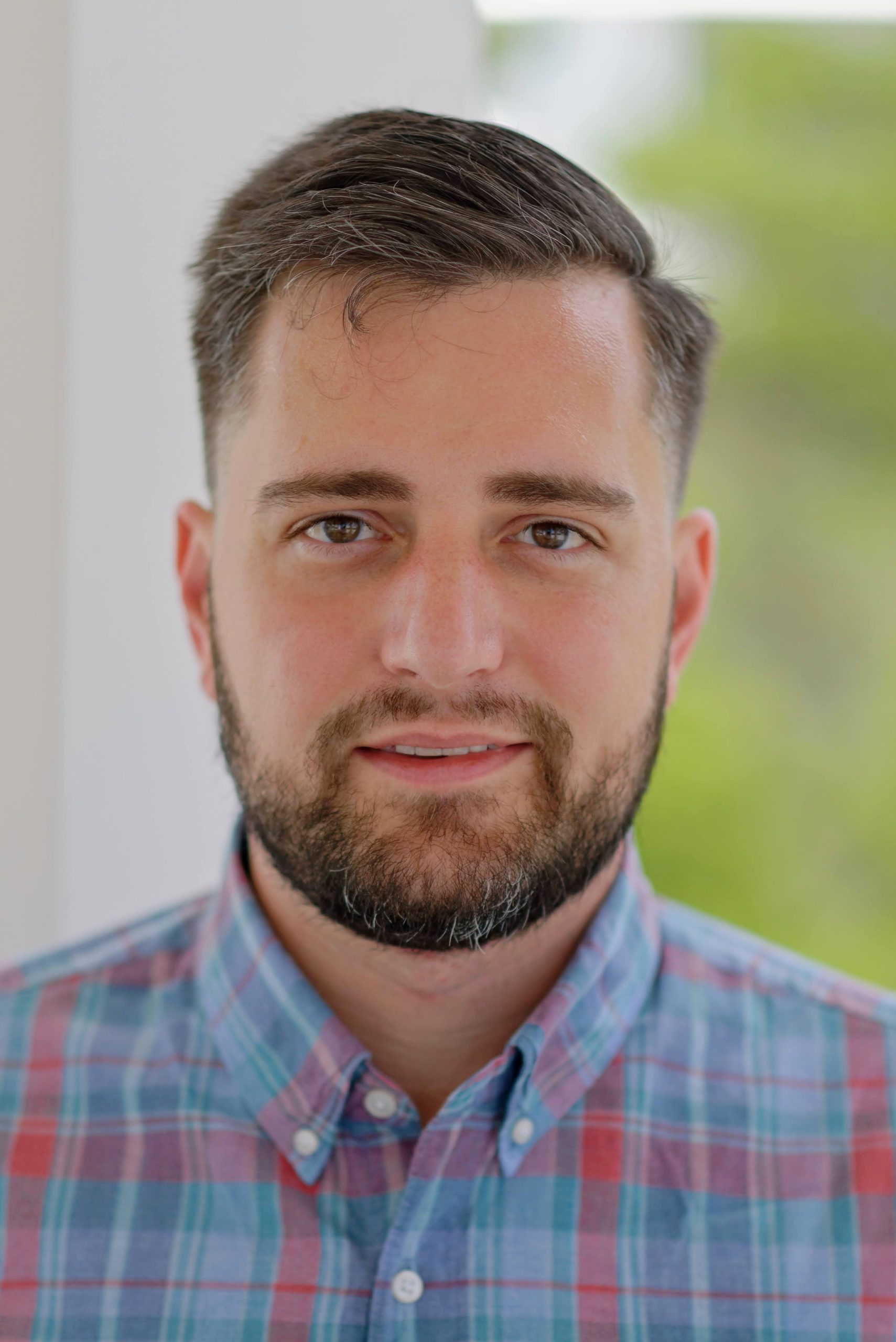
Taproot Therapy Collective is a psychotherapy and neurotechnology practice located just off Highway 31, a few minutes from the Vestavia Hills city line. Our team of licensed clinical social workers, professional counselors and PhD-level specialists focuses on the problems that ordinary counseling often struggles to reach: Complex PTSD, longstanding anxiety, professional burnout, religious and generational trauma, grief, perinatal mental health, and the exhaustion that comes with masking ADHD or autism in high-pressure environments. Many of our clients arrive after years of well-intentioned talk therapy that helped them understand their history without changing how their body responds to it.
That gap between insight and relief is not a personal failure, and it is not proof that therapy does not work. It usually means the work has been aimed at the wrong level of the nervous system. Alongside traditional counseling and psychotherapy, we practice what clinicians call bottom-up methods, approaches like EMDR, Brainspotting and Somatic Experiencing that work with the body and the deeper structures of the brain, where trauma responses actually live. When appropriate, we can also add objective data to the picture with qEEG brain mapping and neurofeedback.
We serve Vestavia Hills, including the Cahaba Heights and Liberty Park communities, along with Hoover, Homewood, Mountain Brook and greater Birmingham, and we provide secure teletherapy anywhere in Alabama. If you would rather skip the reading and talk to a person, call (205) 598-6471 or reach out through our contact page.
Why Insight Alone Often Is Not Enough
Most counseling in the Birmingham metro is built on a top-down premise: change the thought and the feeling will follow. For everyday stress, decision-making and many forms of mild anxiety, that premise holds up well, and cognitive tools have a legitimate place in our work too. Trauma is a different animal. When the brain registers overwhelming threat, the amygdala and related survival circuitry take priority and the prefrontal cortex, the part of you that reasons, plans and applies coping skills, temporarily goes offline. In the exact moment you most need your cognitive tools, the hardware that runs them is unavailable.
The Sequencing Problem in Trauma Treatment
This is why a person can describe their trauma fluently in session and still find their heart pounding at 3 a.m., why they can recite every coping skill on the worksheet and still dissociate in a conflict. The story is stored in one part of the brain; the alarm is stored in another. Asking a highly dysregulated nervous system to narrate its worst experiences before it has been stabilized can leave people feeling worse rather than better, which is one reason trauma-informed care emphasizes stabilization before processing. We wrote about this at length in why talk therapy alone often is not enough for trauma, and the National Institute of Mental Health maintains a useful plain-language overview of PTSD and its treatment.
Our answer is not to abandon talking. It is to sequence the work: settle the nervous system first, process the stored material second, and integrate meaning third. Bottom-up methods speak to the survival brain in its own languages, eye position, bilateral stimulation, body sensation and rhythm, so that the thinking brain can finally stay online long enough to do its job. If you want a deeper comparison, we maintain a full guide to how experiential and somatic therapy differ from cognitive and behavioral therapy.
Counselor, Therapist, or Psychotherapist: Which One Do You Need?
People searching for a counselor in Vestavia Hills or a psychotherapist in Vestavia Hills often assume these words describe different professions with different powers. In practice, the titles overlap heavily, and the license behind the title matters far more than the word itself. Here is how the terms actually work in Alabama:
Counselor
LPC • ALC
A Licensed Professional Counselor holds a master's degree in counseling and is regulated by the Alabama Board of Examiners in Counseling. An ALC is an associate counselor completing supervised hours. The -S suffix, as in LPC-S, designates a board-approved supervisor.
Clinical Social Worker
LICSW • LMSW
A Licensed Independent Clinical Social Worker holds a master's in social work and full clinical licensure through the Alabama State Board of Social Work Examiners. LICSWs diagnose and treat mental health conditions; LICSW-S indicates supervisor status.
Therapist / Psychotherapist
Umbrella Terms
Neither word is a license in Alabama. Both describe any qualified professional who practices psychotherapy: counselors, clinical social workers, and psychologists with doctoral training. What protects you is the license, the training and the ethics board behind the person, not the label.
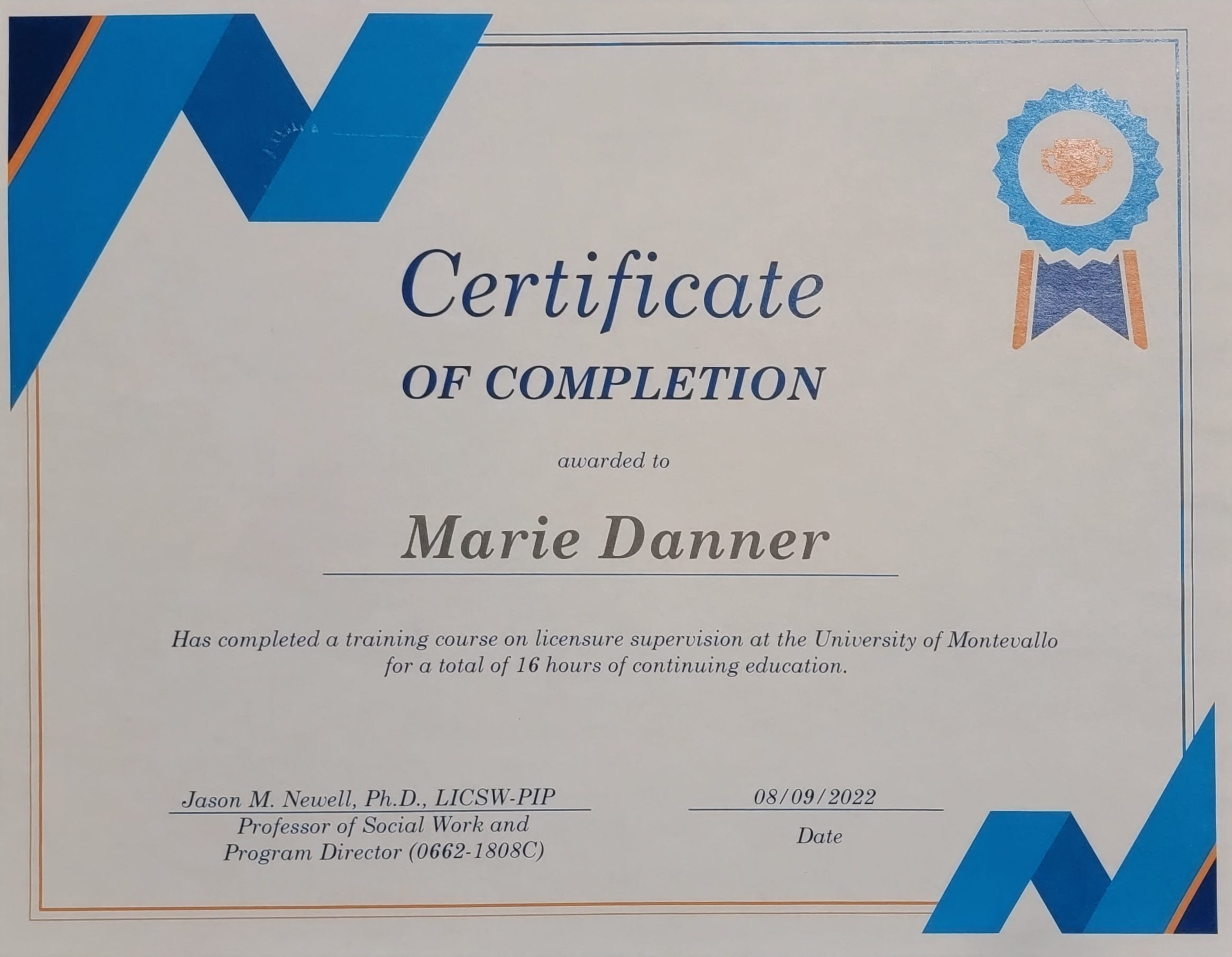
What actually predicts good outcomes in the research literature is the strength of the therapeutic relationship and the clinician's specific training in your presenting concern. Our roster spans LICSW-S, LPC-S, LMSW and PhD credentials, and every clinician at Taproot carries advanced post-graduate training in trauma-specific methods beyond their base license. You can read each clinician's specific credentials and specialties on their bio pages, starting with our founder and clinical director, Joel Blackstock, LICSW-S, MSW, PIP.
A Comprehensive Matrix of Therapy Modalities Near Vestavia Hills
No single method fits every nervous system, which is why we maintain one of the broadest modality rosters of any practice in the Birmingham metro. Rather than fitting you to a technique, we fit techniques to you, often blending several across the arc of treatment. Each card links to a full-length guide on our site explaining the method, its origins and what a session feels like:
EMDR Therapy
Eye Movement Desensitization and Reprocessing is a structured, eight-phase protocol that uses bilateral stimulation while a memory is active, taxing working memory so the brain can reconsolidate the experience with less emotional charge. EMDR appears in major clinical guidelines for the treatment of PTSD.
Brainspotting
Developed by Dr. David Grand on the observation that where you look affects how you feel, Brainspotting uses fixed eye positions that correlate with felt activation in the body, opening access to subcortical processing beneath the level of language. It is one of our deepest specialties.
Somatic Experiencing
Based on Dr. Peter Levine's observations of how mammals discharge survival stress, SE works in small, titrated doses of sensation, pendulating between activation and calm, so the body can complete the defensive responses that were interrupted during the original threat.
qEEG Brain Mapping & Neurofeedback
Quantitative EEG records your brainwave activity and compares it against normative databases, adding objective data to the clinical interview. The resulting map helps guide neurofeedback and neurostimulation planning, so training targets patterns rather than guesses.
Emotional Transformation Therapy
Developed by Dr. Steven Vazquez, ETT combines precise wavelengths of light and color with specific eye positions to shift emotional and attachment states, often with unusual speed. It is an uncommon specialty that we are proud to offer in Alabama.
Parts-Based Therapy
Drawing on Internal Family Systems principles and Jungian complex theory, parts work helps you identify and build relationships with your inner critic, your people-pleasing protectors and your exiled pain, replacing internal warfare with curiosity and self-leadership.
Jungian Depth Psychotherapy
For clients whose symptoms carry questions of meaning, identity and purpose, Jungian work engages dreams, complexes and active imagination to support individuation, the long project of becoming who you actually are rather than who you were conditioned to be.
Somatic Trauma Mapping
Our structured method for locating where trauma patterns hold in the body, tracking how they shift across sessions, and pairing that map with the modality most likely to release each pattern. It gives body-based work a visible arc instead of a vague promise.
Dialectical Behavior Therapy
Developed by Dr. Marsha Linehan, DBT teaches concrete skills across four modules: mindfulness, distress tolerance, emotion regulation and interpersonal effectiveness. It provides scaffolding for people whose emotions swing hard enough to disrupt relationships and daily life.
Gestalt & Experiential Therapy
In the tradition of Fritz Perls, Gestalt work focuses on the here and now, using live experiments such as the empty chair to bring split-off feelings and unfinished conversations into direct experience, where they can finally complete.
Process-Oriented Psychology
Developed by Dr. Arnold Mindell, Process Work treats chronic tension, gut trouble, insomnia and recurring conflict as meaningful processes trying to unfold rather than malfunctions to suppress, bridging body symptoms and psychological life.
Voice Dialogue Therapy
Created by Drs. Hal and Sidra Stone, Voice Dialogue facilitates direct conversation with distinct inner selves, the pusher, the pleaser, the inner child, uncovering what each one protects and building an aware ego that can hold them all.
If you like to verify claims at the source, the professional bodies behind several of these methods maintain public research libraries: the EMDR International Association, the official Brainspotting organization founded by Dr. Grand, and Somatic Experiencing International. We have also published our own critical look at the evidence debate in Is EMDR evidence based?, because we think you deserve the honest version, not the brochure version.
While you are deciding, two free resources from our clinical library may help right now: Grounding 101, the biology of panic and five somatic brakes to stop it, and 20 fast interventions for panic and dissociation.
Top-Down and Bottom-Up: Two Philosophies of Change
Neither approach is wrong. They are tools for different jobs, and a good treatment plan usually needs both in the right order. Here is the practical difference you would feel as a client:
| Insight-First Talk Therapy | Neuro-Somatic Therapy at Taproot |
|---|---|
| Primary target is beliefs and self-talk. Change the thought and the feeling should follow. | Primary target is the autonomic nervous system and subcortical threat circuitry, so that cognitive work can actually hold once the alarm quiets. |
| Assumes the reasoning brain stays online under stress and can apply coping skills in the moment. | Works with survival states directly through eye position, bilateral stimulation, breath and body awareness, meeting the brain where trauma is stored. |
| Progress is measured mainly by self-report and symptom checklists. | Progress is informed by felt shifts in the body plus objective measures such as qEEG brain mapping when appropriate. |
| Excellent for everyday stressors, decision-making, skills and psychoeducation. | Sequenced for trauma and C-PTSD: stabilization first, processing second, integration and meaning-making third. |
Who We Help: Specializations Built for the Over-the-Mountain Communities
Our clinicians do not practice in an academic vacuum. We know the specific pressures that shape life along the Highway 31 and 280 corridors, and our specializations reflect the people who actually walk through our door:
- High-Functioning Anxiety & Professional Burnout: Executives, attorneys, physicians and other high performers who look pristine on the outside while running on cortisol and self-abandonment underneath. See our dedicated pages on executive and professional burnout and physician and MD burnout.
- Academic Pressure & the Gifted-Kid Collapse: Students and young adults raised in high-achievement school cultures who learned to earn love with performance and are now paying the bill in anxiety, perfectionism and identity confusion. We explore this in our work on trauma and academic performance in Vestavia, Homewood and Mountain Brook and in our essay on Alice Miller's Drama of the Gifted Child.
- Religious, Spiritual & Generational Trauma: The Deep South's church-centered culture produces real community and, for some, real wounds: purity-culture shame, spiritual abuse and rigid family systems. We offer a genuinely neutral space to untangle your own values from inherited conditioning, informed by our clinical writing on how childhood religious trauma goes unnoticed.
- Neurodivergent Burnout (ADHD & Autism): Affirming care for high-masking adults who have spent a lifetime imitating neurotypical behavior at enormous metabolic cost. Start with our adult ADHD self-assessment guide or our explainer on AuDHD, when autism and ADHD intersect.
- Perinatal & Maternal Mental Health: Specialized support for pregnancy, postpartum and the identity earthquake of early motherhood, led by Dr. Haley Beech and grounded in our guide to the complex landscape of perinatal mental health.
- Grief, Loss & the Body: Bereavement, divorce and other losses that live as much in the chest and gut as in the mind, addressed through our grief and loss services and our somatic work with chronic pain and post-surgery depression.
Minutes From Vestavia Hills
Taproot Therapy Collective
2025 Shady Crest Dr, Suite 203
Hoover, AL 35216
📞 (205) 598-6471
Frequently Asked Questions About Therapy in Vestavia Hills
Do you see clients from Vestavia Hills?
Yes. Our office at 2025 Shady Crest Dr, Suite 203 in Hoover, AL 35216 sits just off Highway 31, minutes from the Vestavia Hills city line. Most of our clients come from Vestavia Hills, Cahaba Heights, Liberty Park, Hoover, Homewood and Mountain Brook, and we also offer secure teletherapy anywhere in Alabama.
What is the difference between a counselor, a therapist, and a psychotherapist?
In Alabama, a counselor usually holds an LPC license through the Alabama Board of Examiners in Counseling, and a clinical social worker holds an LICSW through the Alabama State Board of Social Work Examiners. Therapist and psychotherapist are umbrella terms for any licensed professional who practices psychotherapy, including counselors, clinical social workers and psychologists. Research suggests the strength of the therapeutic relationship and specific training in your concern matter more than the title on the door.
Do you offer EMDR and Brainspotting near Vestavia Hills?
Yes. EMDR and Brainspotting are core specialties at Taproot Therapy Collective, offered in person minutes from Vestavia Hills and in adapted formats through secure telehealth. Both are structured, body-aware methods for processing trauma that does not resolve through conversation alone.
Do you prescribe medication?
No. We are a psychotherapy and neurotechnology practice, not a psychiatric prescribing practice. We provide trauma-focused therapy, qEEG brain mapping and neurofeedback, and we are glad to coordinate care with your physician or psychiatrist when medication is part of your treatment.
Do you offer online therapy in Alabama?
Yes. Our clinicians provide secure teletherapy to clients anywhere in Alabama, including somatic and parts-based approaches adapted for video sessions. Some clinicians offer sliding-scale teletherapy availability.
How much does therapy cost, and do you take insurance?
Fees vary by clinician and service. Call the office at (205) 598-6471 or use our online scheduler to ask about current fees, insurance questions and sliding-scale teletherapy availability before you book.
What conditions do you treat?
We specialize in complex trauma and PTSD, anxiety, depression, professional and caregiver burnout, grief and loss, perinatal mental health, religious and spiritual trauma, and burnout in ADHD and autistic adults. As a psychotherapy practice we refer and coordinate when psychiatric or medical care is also needed.
Nutritional Support for Deep Trauma Work
Deep trauma processing is metabolically demanding, and the brain rewires best when it has raw materials to work with. As part of a whole-person approach, many of our clinicians discuss foundational micronutrition for mental health, and when appropriate we point clients toward Hardy Nutritionals broad-spectrum micronutrient formulations, which have been studied in peer-reviewed research on mood and stress. Talk with your physician before starting any supplement.
Use Code: TAPROOT for 15% Off at GetHardy.com
Regulate the Biology. Then Rewrite the Story.
You cannot think your way out of a nervous system stuck in survival mode, and you should not have to try alone. Our clinicians will help you find the right modality, the right pace and the right fit, whether that is in our office minutes from Vestavia Hills or by secure video anywhere in Alabama.
Schedule an AssessmentPrefer to talk first? Call (205) 598-6471 or use our contact page.