
Internal Family Systems is the therapy for the argument you can't stop having with yourself: the part that wants to heal and the part that sabotages it, the inner critic that sounds like your father, the part that drinks or scrolls to keep something else from surfacing. IFS treats each of those as a protector with a job, not a defect, and helps the calm center of you, what Richard Schwartz calls Self, lead them. Two IFS Institute-trained clinicians offer it at our Hoover office minutes from Birmingham and by secure video anywhere in Alabama.
What is Internal Family Systems?
Richard Schwartz developed IFS in the 1980s as a family therapist who noticed his clients described their inner lives in the same language families used: alliances, exiles, protectors. The IFS Institute now trains clinicians in three levels. The model has three kinds of parts. Managers run your life and keep the pain out of sight: the perfectionist, the caretaker, the critic. Firefighters put out emotional fires by any means: drinking, rage, dissociation, food. Exiles are the young parts carrying the shame and fear everyone else is protecting. Underneath is Self, which IFS holds is never damaged, only buried. The research base includes a randomized trial for rheumatoid arthritis pain, a pilot trial for depression, a 2025 scoping review of 27 studies, and an ongoing PTSD trial.
Who is IFS for?
Complex PTSD, where different parts hold different pieces of what happened. Anxiety that feels like an internal argument. Depression driven by an inner critic. Addiction and relapse, where the using part is protecting an exile. Chronic pain, where parts hold tension in the body. Self-sabotage, procrastination and the pattern of getting close to what you want and blowing it up. If you don't know the word IFS and just know part of you is fighting another part, start with our parts-based therapy page, which covers every way we work with parts.
What happens in an IFS session at Taproot?
You name the problem and notice which part shows up: the tightness, the voice. Your therapist helps you unblend, stepping back just enough to get curious about that part rather than being it. You ask it what it does for you, what it's afraid would happen if it stopped, how old it thinks you are. Protectors, once heard, give permission to reach the exile they guard, and the exile is witnessed and unburdened from Self. Nothing is forced. When a part holds trauma in the body, and exiles usually do, we bring in somatic work or Brainspotting. Sessions are 50 to 80 minutes, in Hoover or by video.
How it works at Taproot
- 1Free 15-minute intake call
Tell the coordinator you want IFS; you'll be matched with Pamela or Robin.
- 2Meeting the parts
Which protectors show up around the problem, and what each is afraid would happen if it stopped.
- 3Witnessing and unburdening
Reaching the exile the protectors guard, and letting it release what it has carried, from Self.
- 4New roles
Protectors take jobs that fit the life you have now; somatic work for what lives in the body.
The parts in the IFS model, and how they sound
| Part | Its job | How it sounds | What we do |
|---|---|---|---|
| Managers | Keep life running and the pain out of sight | Don't bother. Be perfect. Take care of everyone first. | Thank them, learn their fears, earn permission |
| Firefighters | Put out emotional fires by any means | Drink. Rage. Scroll. Go numb. Now. | Understand what they protect before asking them to stop |
| Exiles | Carry the shame and fear from the original wound | I'm too much. I'm not safe. Nobody stays. | Witness and unburden, with somatic work if the body holds it |
| Self | Lead | Calm, curious, compassionate, clear | Uncover it; it was never damaged |
Is internal family systems therapy right for me? A 30-second check
IFS therapists in Birmingham and Hoover
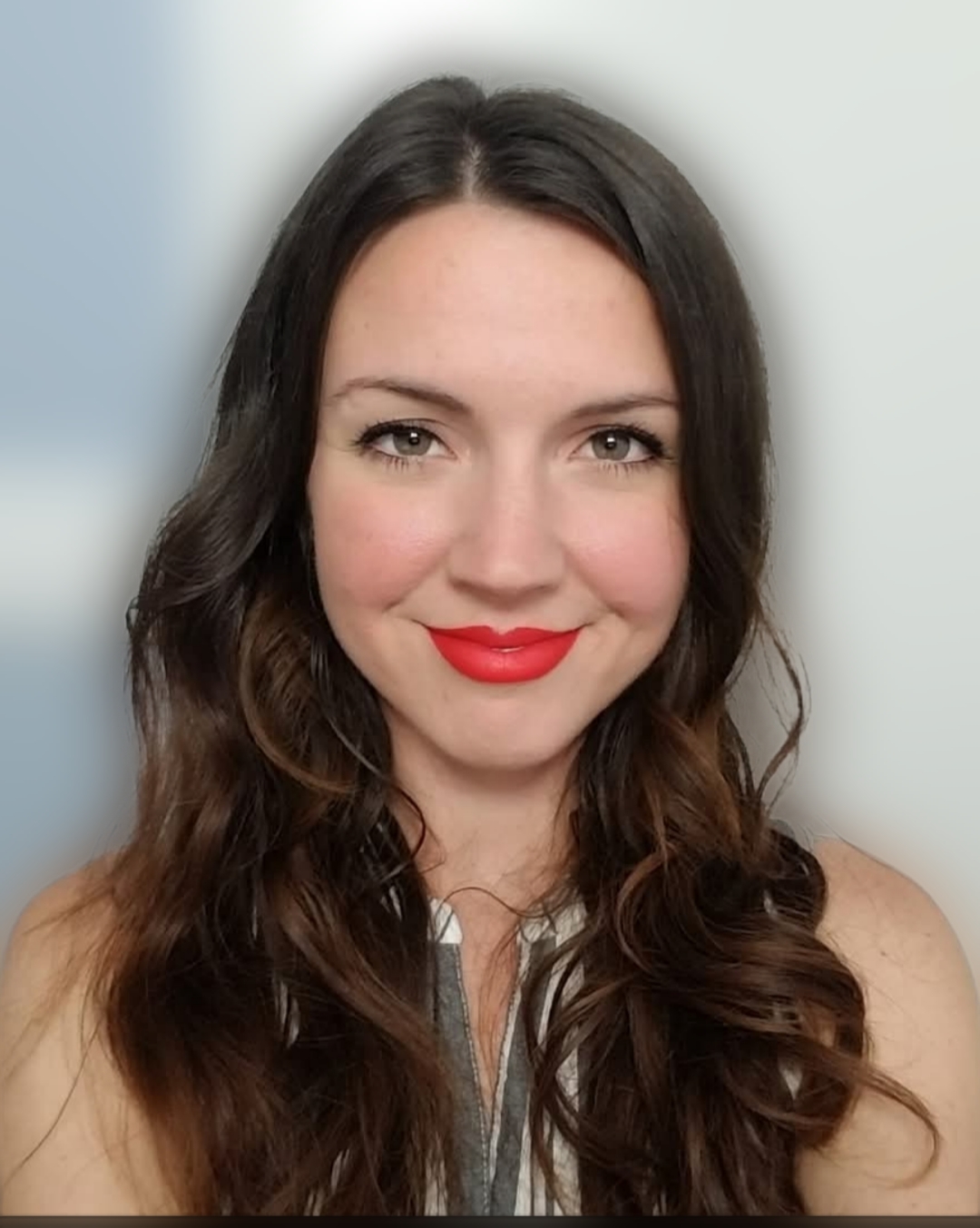
IFS Institute Level 1 trained. IFS with Somatic Experiencing and Lifespan Integration by teletherapy for chronic pain, POTS, Pure OCD and complex PTSD.
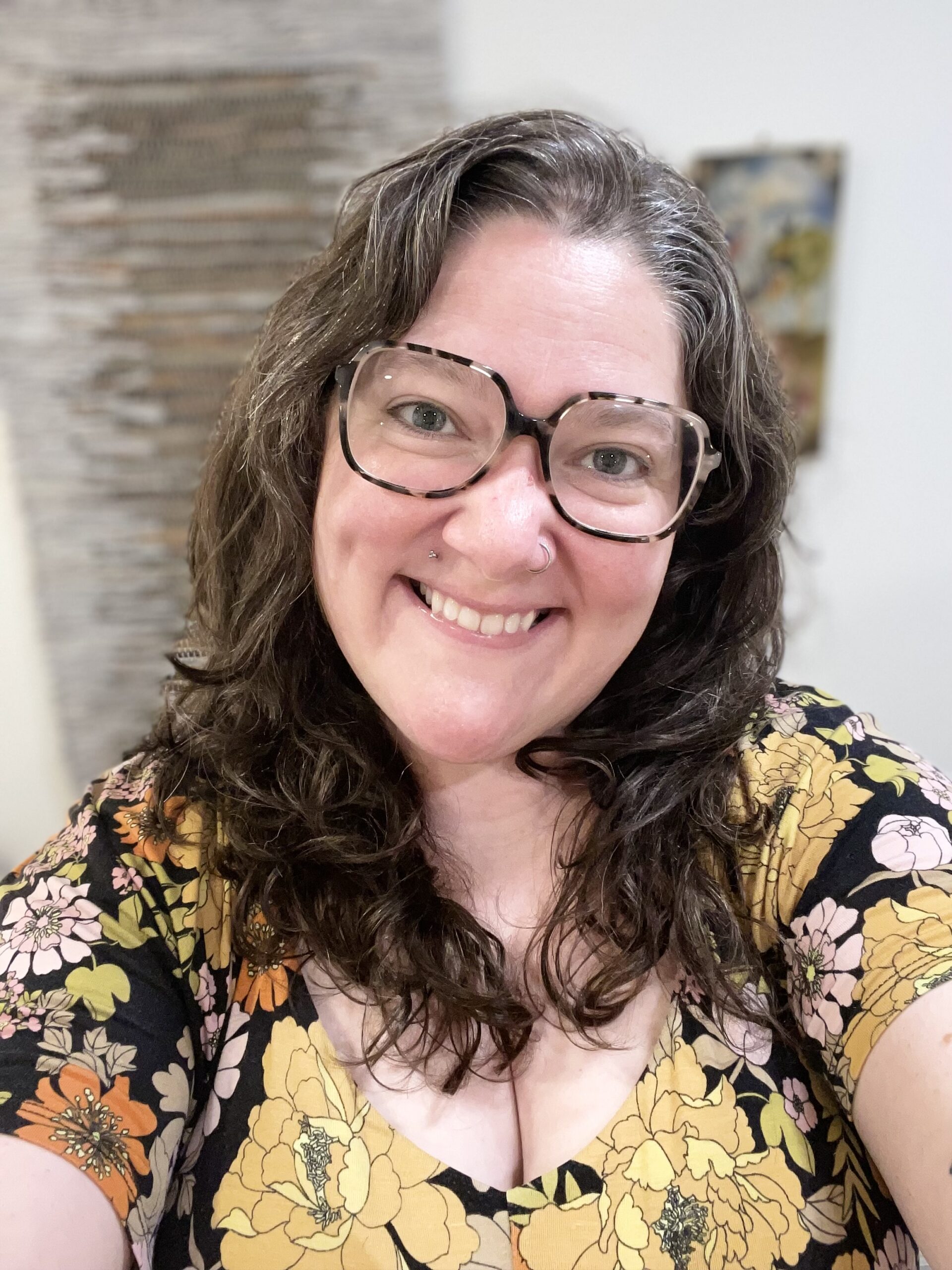
IFS trained. IFS with Somatic Experiencing and Brainspotting for religious and interpersonal trauma and the freeze response, in Hoover and by video to rural Alabama.
Cost, insurance and teletherapy
We accept Blue Cross Blue Shield of Alabama for most clinicians. Private-pay and out-of-network sessions are $250, with an income-based sliding scale, and we send a monthly superbill with the codes your insurer needs for out-of-network reimbursement. Secure video sessions are available anywhere in Alabama on the same sliding scale.
A look inside Taproot
Frequently asked questions
What's the difference between IFS and parts-based therapy?
IFS is one specific model, Richard Schwartz's, with its own training levels, vocabulary and research base; this page is about that. Parts-based therapy is the wider family that also includes ego-state therapy and Jungian complex work. If you know you want IFS, you're in the right place; if you just know that part of you wants to change and part of you doesn't, our parts-based therapy page covers every way we work with that.
Does IFS mean I have multiple personalities?
No. Everyone has parts; that is how minds are organized. Dissociative identity disorder is a specific, severe condition and needs specialized care, which Alice Hawley and Marie Danner provide. For most people IFS is simply the most accurate description of inner conflict they've ever been given.
Is IFS evidence-based?
IFS has a randomized controlled trial for rheumatoid arthritis, a pilot RCT for depression, a 2025 scoping review of 27 studies finding it promising for chronic pain, depression and PTSD, and an ongoing NIH-registered PTSD trial. The evidence base is growing and still smaller than EMDR's; we use IFS because complex trauma clients tolerate it and it holds.
Does IFS work by video?
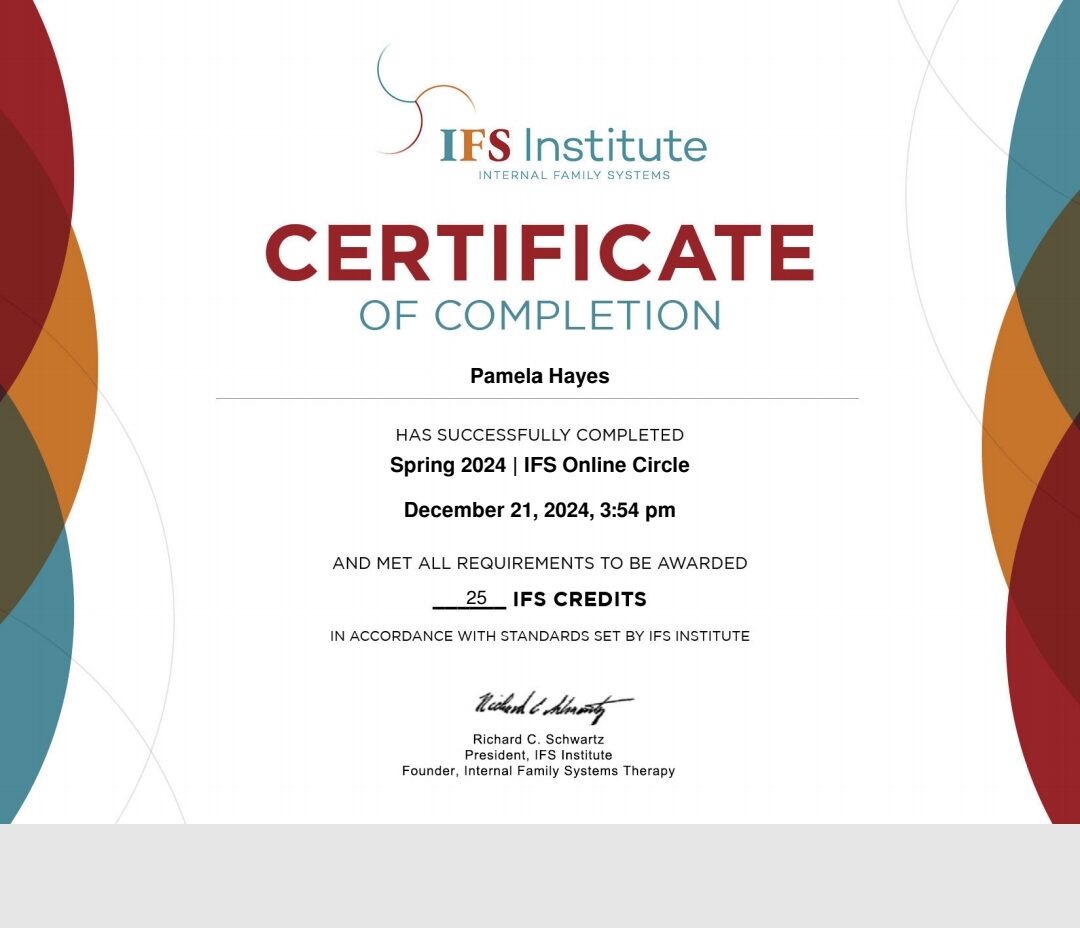
Yes. It is one of the most video-friendly therapies there is, and Pamela Hayes sees IFS clients across Alabama online.
Start IFS in Hoover or online
Your first call is a free 15-minute conversation with our intake coordinator, who matches you with the right clinician. Our office is off I-65 at the Riverchase exit in Hoover, about ten minutes from Vestavia Hills, Homewood and Mountain Brook and fifteen from downtown Birmingham, with free parking at the door.
Book onlineCall (205) 598-6471