
Rehab gets you sober. It usually doesn't touch what the drinking or using was for, and that's why so many people leave treatment clean and terrified. At Taproot Therapy Collective in Hoover, minutes from Birmingham, we are the therapy that comes after: relapse prevention that treats the trauma, the attachment wounds and the nervous system that the substance was quieting, with Brainspotting, parts work and polyvagal therapy. In person or by secure video anywhere in Alabama, alongside your program, your sponsor or your psychiatrist. Blue Cross Blue Shield of Alabama accepted for most clinicians.
Why the months after rehab are the dangerous ones
The National Institute on Drug Abuse puts relapse rates for addiction at forty to sixty percent, in line with other chronic conditions, and the risk concentrates in the first year. The reason is simple once you've lived it: the substance was doing a job. It settled a body that had no other way to settle, muted memories, made people bearable. Treatment removes the substance and sends you home with the job still open. SAMHSA's guidance is that continuing care is what holds recovery; ours is that the continuing care has to reach the trauma underneath, or it's just white-knuckling with support.
Who this page is for
People leaving residential treatment or an IOP who want to stay sober and know willpower isn't a plan. People in recovery whose trauma has surfaced now that the substance is gone. Gray-area drinkers who never hit a bottom. Adult children of alcoholics, whose addiction shows up in who they choose and how they cope. Anxiety and depression in early sobriety. And people who relapsed and are ashamed to start again.
How we treat recovery at Taproot
We treat the driver. Brainspotting processes the trauma the substance was managing, and it's used specifically for cravings, which have a brainspot like anything else. Parts work and IFS treat the using part as a protector with a reason, so it can be retired rather than fought, and the exiled parts it was protecting can be reached. Polyvagal and somatic therapy gives a nervous system that only knew one way to settle another one. We coordinate with your program, your sponsor, your prescriber and, when there's a court or licensing element, whoever needs documentation.
How it works at Taproot
- 1Free 15-minute intake call
Tell the coordinator what's going on; you'll be matched with Kristi, Joel or Robin.
- 2First sessions
History and what you've already tried, in the Hoover office or by secure video.
- 3Treatment
Brainspotting for the trauma and the cravings, parts work for the using part, somatic therapy for a body that needs a new way to settle, coordinated with your program.
What the substance was doing, and what replaces it
| What it was managing | What it usually is | Where we start |
|---|---|---|
| A body that couldn't settle | Nervous-system dysregulation, often from trauma | Polyvagal and somatic therapy |
| Memories you couldn't hold | PTSD or complex PTSD | Brainspotting |
| Being around people | Social anxiety; attachment wounds | Parts work and attachment repair |
| An inner critic that never stops | Shame; adult child of an alcoholic | IFS |
| Boredom, flatness, nothing matters | Depression or untreated ADHD | Depth work; a brain map if nothing has helped |
| Cravings out of nowhere | A cue the body remembers | Brainspotting on the craving itself |
Is addiction aftercare therapy right for me? A 30-second check
Recovery therapists in Hoover
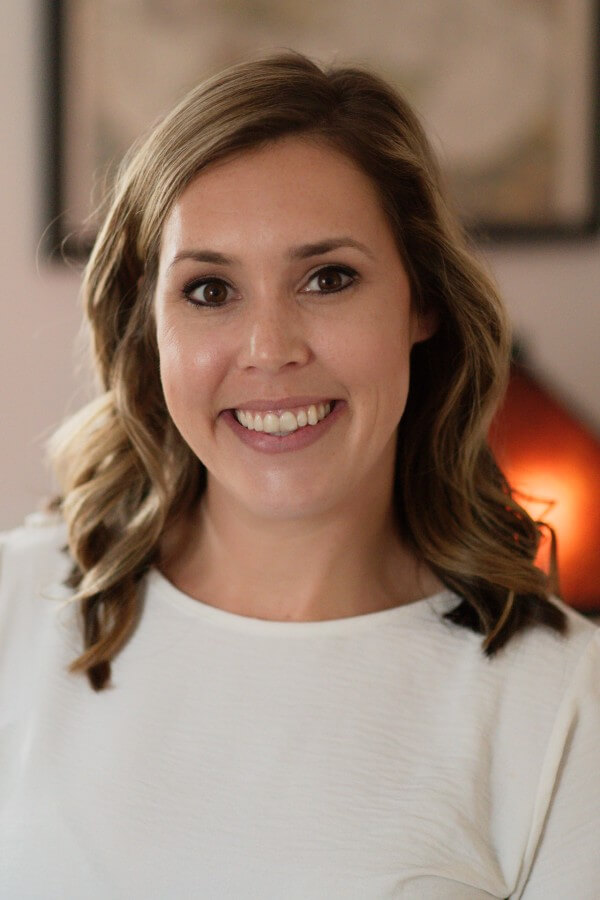
Substance use, gray-area drinking, adult children of alcoholics and the attachment wounds underneath; polyvagal therapy, Brainspotting and EMDR.
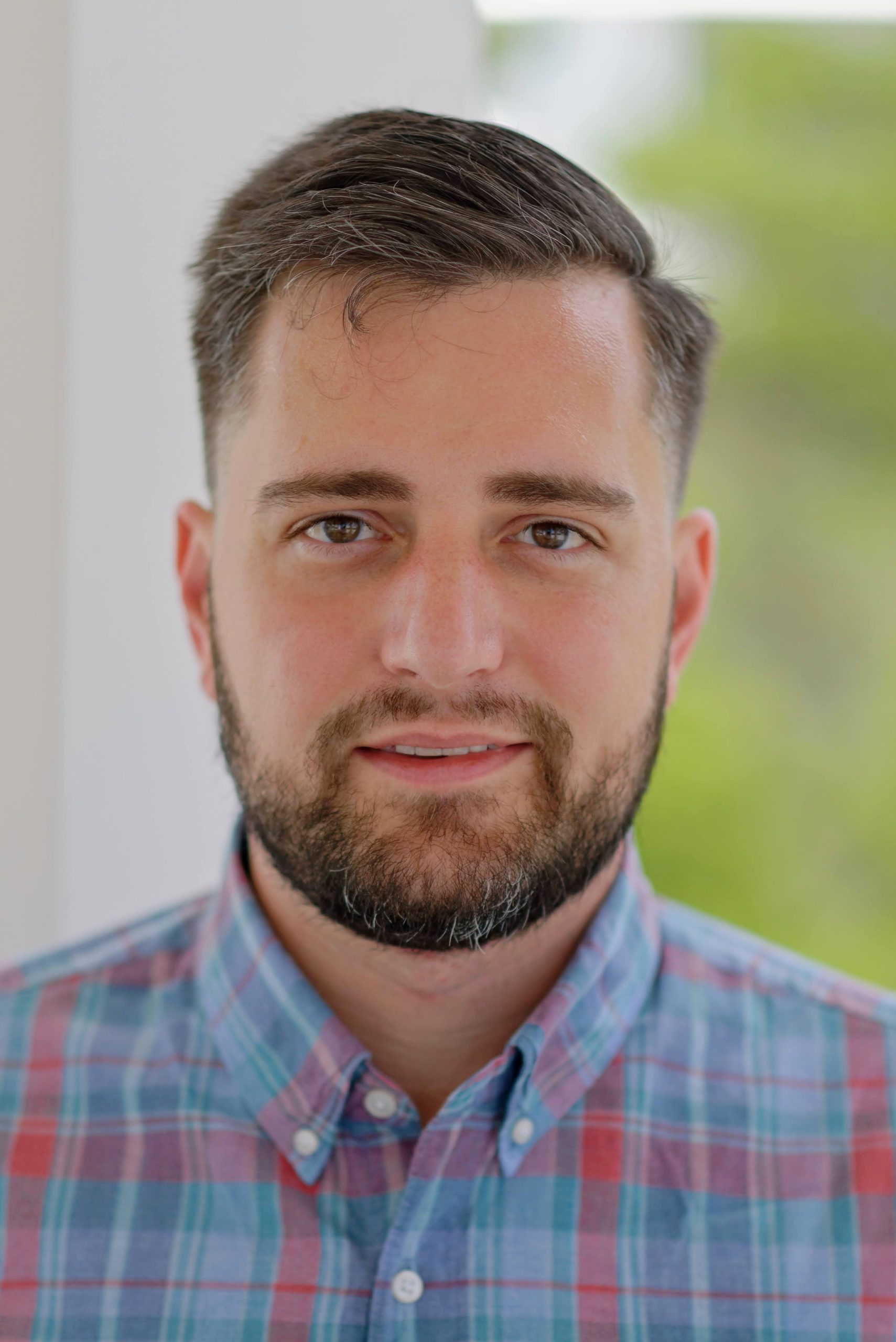
Complex trauma and the meaning collapse of early recovery; existential and Jungian depth work with EMDR and Brainspotting.
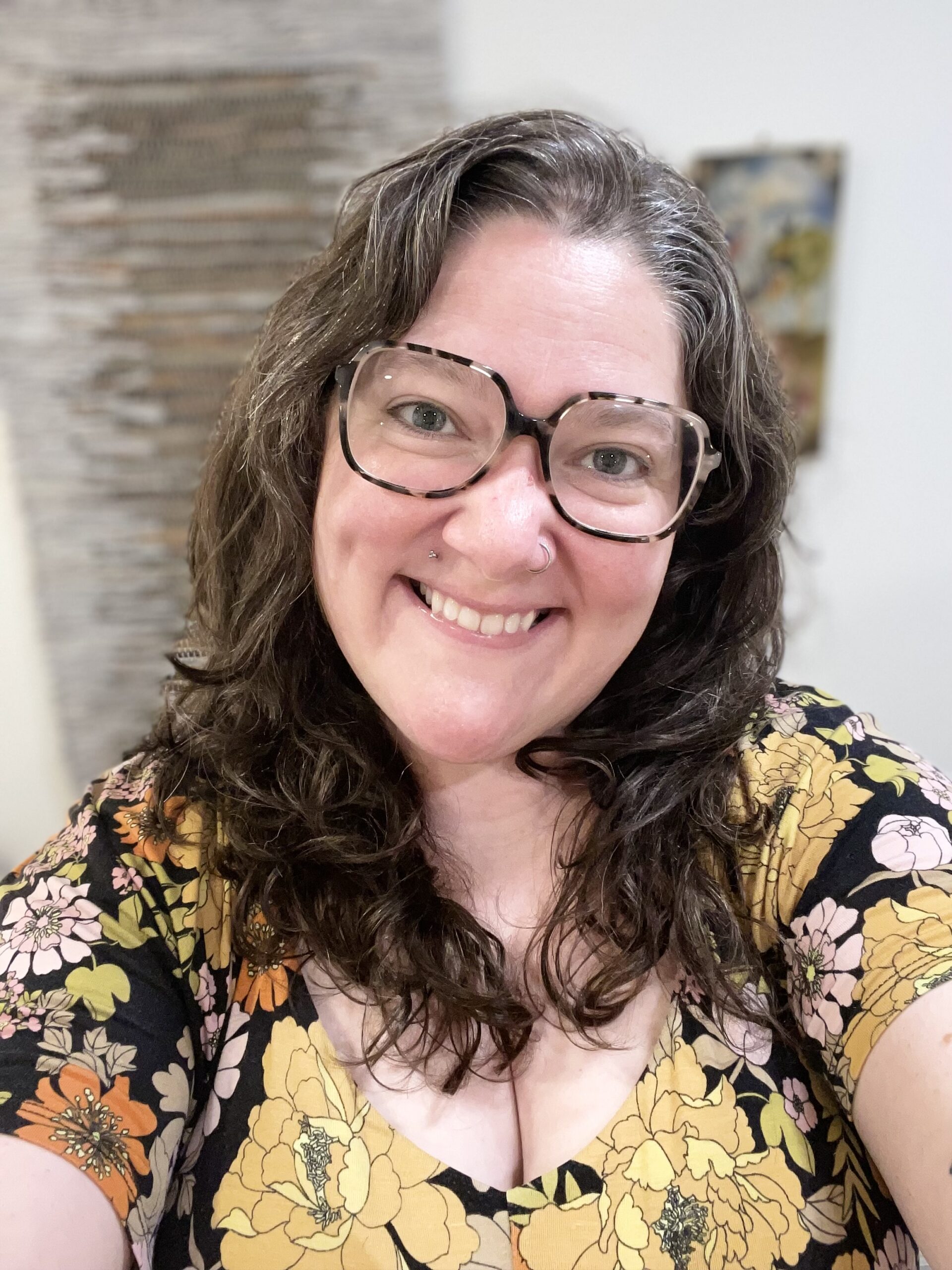
Trauma and religious trauma in recovery, the freeze response; Somatic Experiencing and IFS, in person or by video to rural Alabama.
Cost, insurance and teletherapy
We accept Blue Cross Blue Shield of Alabama for most clinicians. Private-pay and out-of-network sessions are $250, with an income-based sliding scale, and we send a monthly superbill with the codes your insurer needs for out-of-network reimbursement. Secure video sessions are available anywhere in Alabama on the same sliding scale.
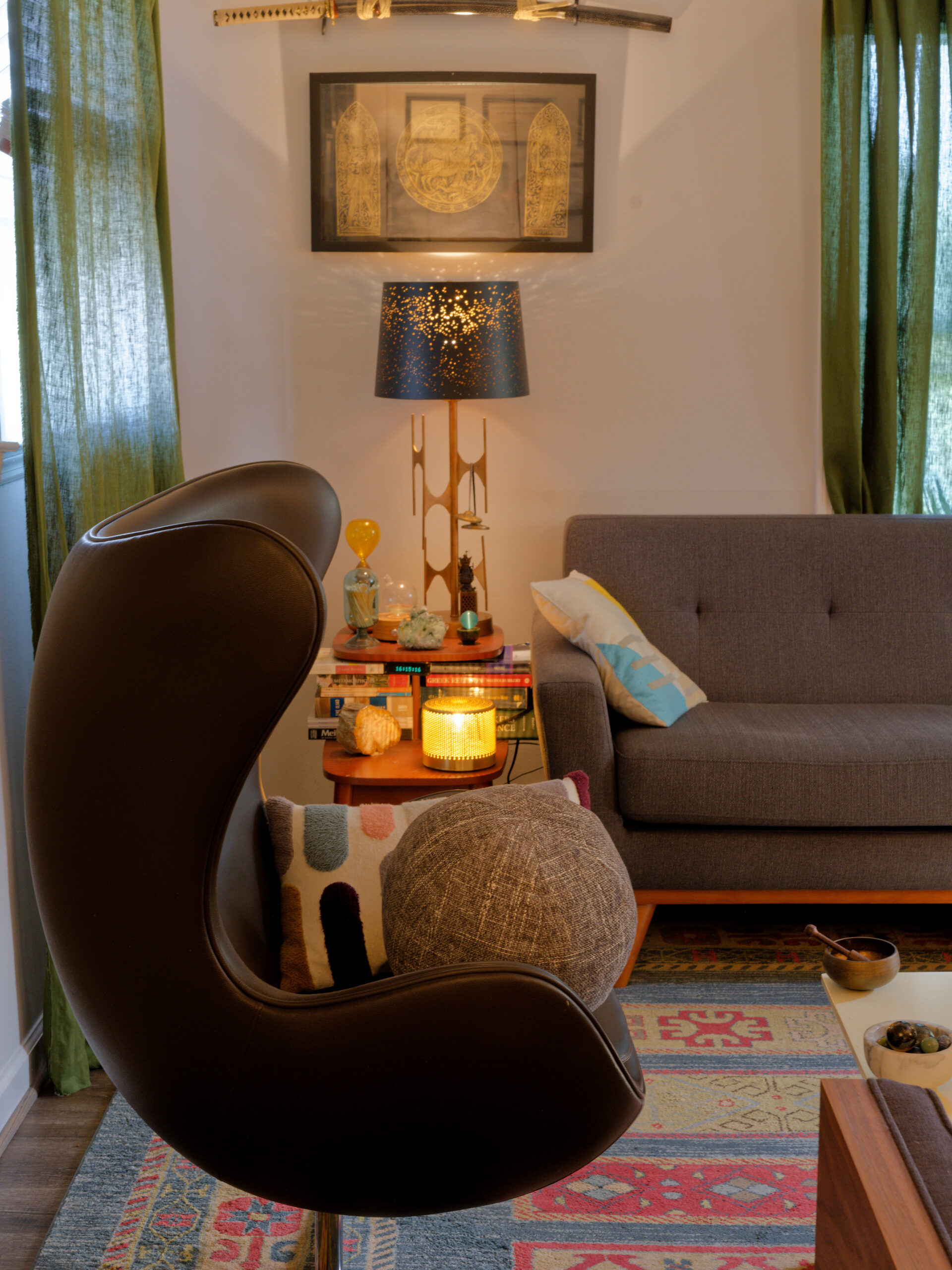
A look inside Taproot
Frequently asked questions
Is this a rehab or an IOP?
No. We are the therapy that comes after rehab, or alongside an outpatient program or a sponsor. Rehab gets you sober; we treat what the substance was managing, so sobriety holds. If you need detox or residential care first, we'll say so and help you find it.
Why does trauma therapy matter for relapse?
Because for most people the drinking or using was a solution before it was a problem: it quieted a nervous system that had no other way to settle. Remove the substance without treating the trauma and the body goes looking for the next solution. The National Institute on Drug Abuse reports relapse rates of forty to sixty percent, comparable to other chronic illnesses; treating the driver is how those odds change.
Do you work with gray-area drinking?
Yes. Plenty of people never hit a bottom and still know alcohol is running something in their life. Kristi Wood works with exactly that, and with adult children of alcoholics, who often find the pattern in their relationships rather than their drinking.
Do you require abstinence?
We work with people in recovery, people in harm reduction, and people who haven't decided yet. Honesty is the requirement, not a specific program.
Start therapy after rehab in Hoover or online
Your first call is a free 15-minute conversation with our intake coordinator, who matches you with the right clinician. Our office is off I-65 at the Riverchase exit in Hoover, about ten minutes from Vestavia Hills, Homewood and Mountain Brook and fifteen from downtown Birmingham, with free parking at the door.
Book onlineCall (205) 598-6471