
Ken Wilber's Integral Theory represents an extraordinary synthesis of diverse intellectual traditions, drawing from hundreds of thinkers across psychology, philosophy, spirituality, and science. Understanding the specific contributions of these sources reveals both...
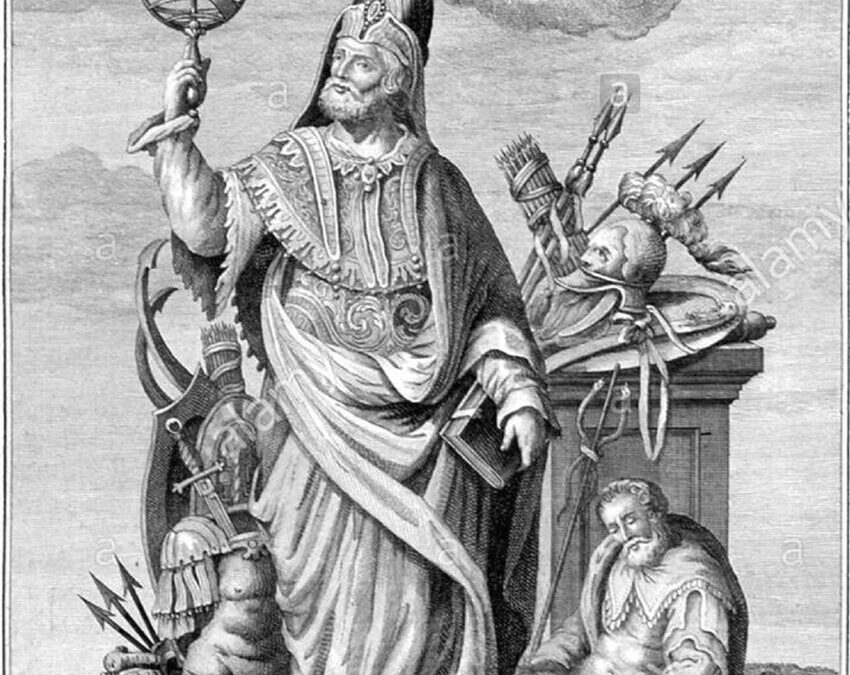
The Mystical Philosophy of Hermes Trismegistus: Insights for Jungian Psychology and the Individuation Process
Hermes Trismegistus ("thrice-greatest Hermes") is a legendary sage, a fusion of the Greek god Hermes and the Egyptian god Thoth, credited with the Hermetica, texts whose philosophical core was written in Greek in Roman Egypt around 100 to 300 CE. Carl Jung knew him...
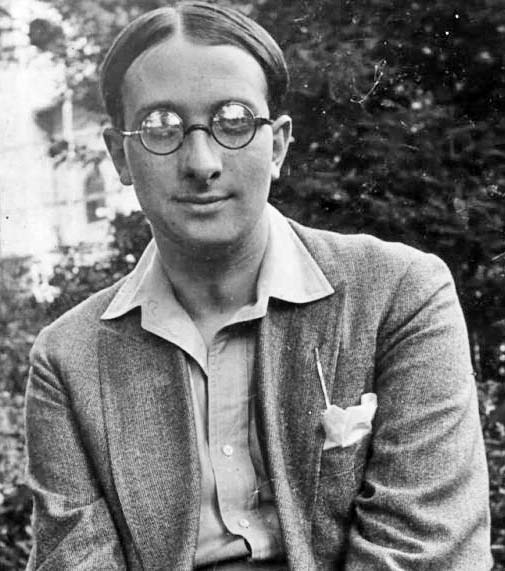
Mircea Eliade’s Insights into the Sacred
In The Sacred and the Profane (1957), the Romanian historian of religions Mircea Eliade argued that religious people do not experience space and time as uniform. A hierophany, a breakthrough of the sacred, sets up a fixed center that orients everything around it, and...
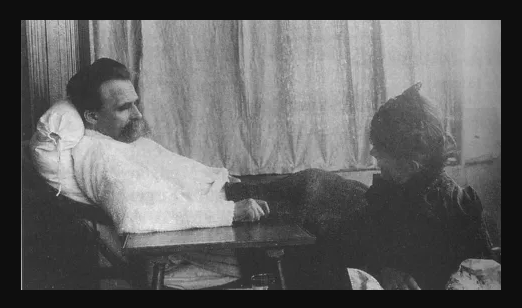
Friedrich Nietzsche’s Profound Impact on Psychology, Psychotherapy, and the Conceptualization of Trauma
Nietzsche matters to psychology because he read beliefs and moral codes as symptoms of drives. Writing in the 1880s, he called psychology "the queen of the sciences," described the soul as a "social structure" of instincts, and anticipated ideas Freud later developed,...
Richard Tarnas: Cultural History Through Astrology
The Historian of the Western Soul In 1991, Richard Tarnas published a book that became standard reading in universities worldwide: The Passion of the Western Mind. It was a brilliant, sweeping history of Western thought from Plato to Hegel to Jung. But in 2006, he...
How to Understand Carl Jungian Phenomenology: Empiricism, Mysticism, or Literalism
Was Carl Jung a scientist or a mystic? He answered the question in his 1937 Terry Lectures at Yale: "Notwithstanding the fact that I have often been called a philosopher, I am an empiricist and adhere to the phenomenological standpoint."1 He meant that he studied...
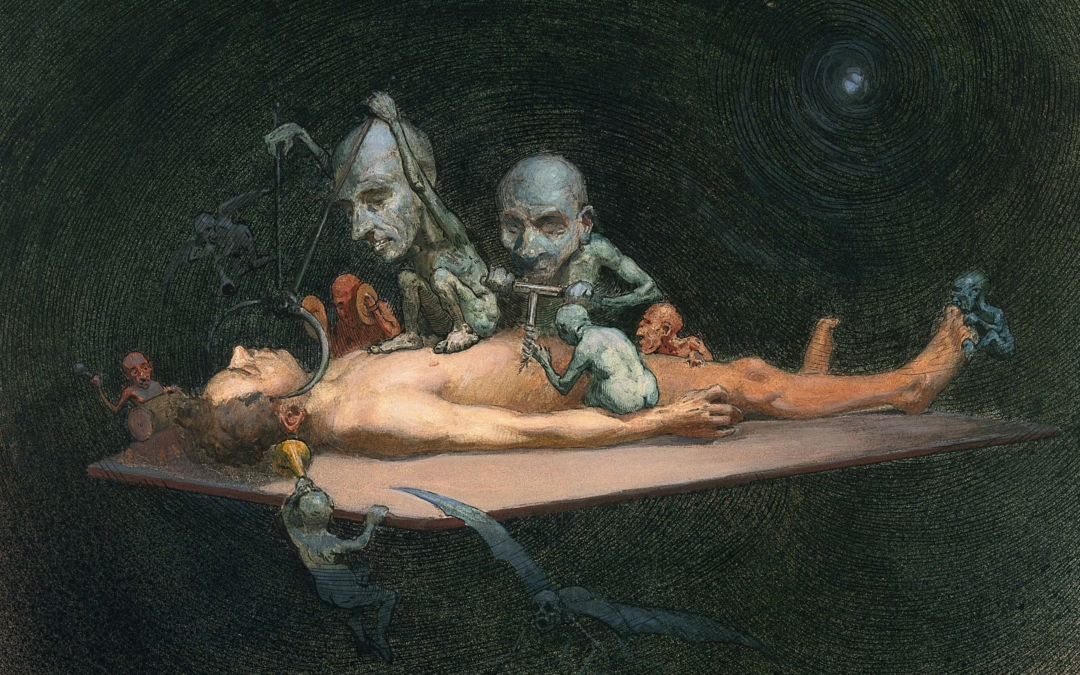
The Head of the Stream: How Psychology Lost the Source of Consciousness and How Neuroscience Found It Again
In 1927, a French novelist wrote a letter to the most famous doctor in Vienna. Romain Rolland had won the Nobel Prize in Literature. He had spent years studying the Indian mystic Ramakrishna, and he wanted to tell Sigmund Freud that psychoanalysis had missed...
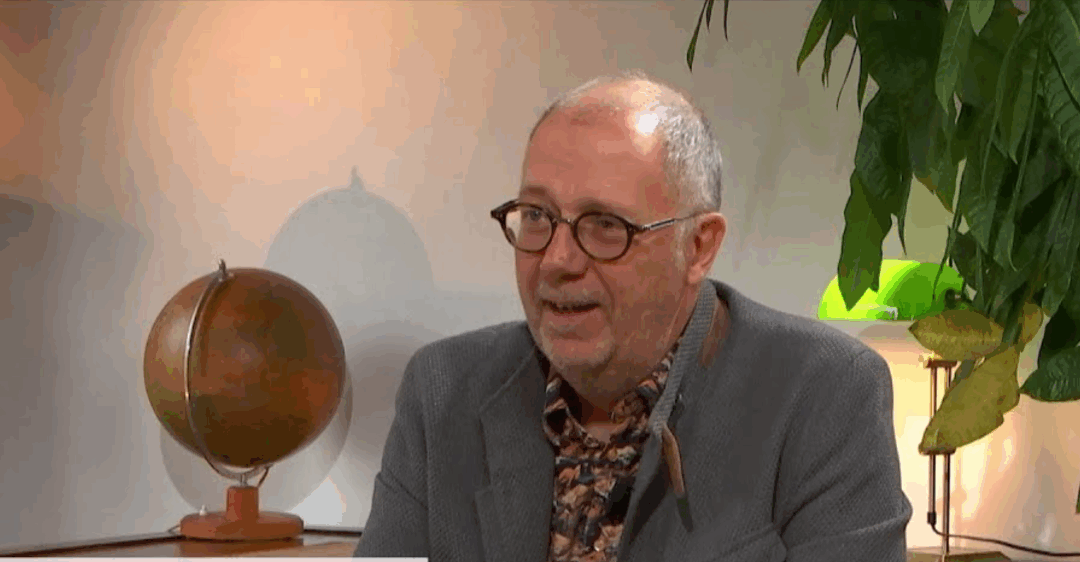
Who Is Victor Lamme?
The Neuroscientist Who Found Consciousness in the Feedback Loops of the Brain When you look at a face, what happens in your brain? The answer turns out to be surprisingly complex. First, visual information streams forward from your eyes through your visual cortex,...

The Mirror World: Why Nothing Means Anything Anymore
Something is wrong, and everyone can feel it. My patients describe it in different ways. A pervasive sense that nothing means anything. A feeling that the world has become incomprehensible. The structures they were told to trust have revealed themselves as hollow. The...
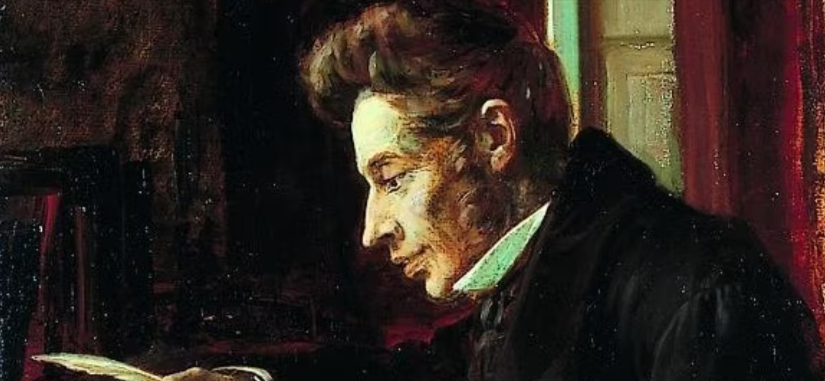
Søren Kierkegaard: The Dizziness of Freedom and the Courage to Be Yourself
By The Clinical Team at GetTherapyBirmingham.com The First Psychologist of the Modern Soul If you have ever stood at the edge of a cliff and felt a strange, vertigo-inducing pull—not the fear that you might slip, but the terrifying realization that you could jump—then...