Mystics, Gurus, and Spiritual Philosophers
The teachings of mystics and spiritual philosophers invite us to explore deeper aspects of our existence. Each figure offers unique insights that can enrich our spiritual journeys and therapeutic practices.
This category explores the insights, teachings, and philosophies of renowned mystics and spiritual thinkers, providing pathways for deeper understanding and personal growth.
The Mystical Theology of Jakob Boehme
Jakob Boehme’s work emphasizes the dynamic interplay of opposites and the journey towards wholeness. His insights offer a profound framework for understanding trauma in psychotherapy. Read more in our article: Jakob Boehme: Insights for Understanding Trauma.
Mysticism invites a journey inward, connecting deeply with the self to uncover truth and divinity. This section discusses how mystical practices can enrich therapeutic processes. Explore the concept further: Therapy, Spirituality, and Mysticism.
Simone Weil: Mysticism and Suffering
Simone Weil’s experiences of suffering and her philosophical rigor intertwine, revealing profound insights into the nature of human vulnerability. Discover more about her thoughts: Simone Weil: Mysticism, Suffering, and Meaning.
The Impact of Jungian Concepts on Spirituality
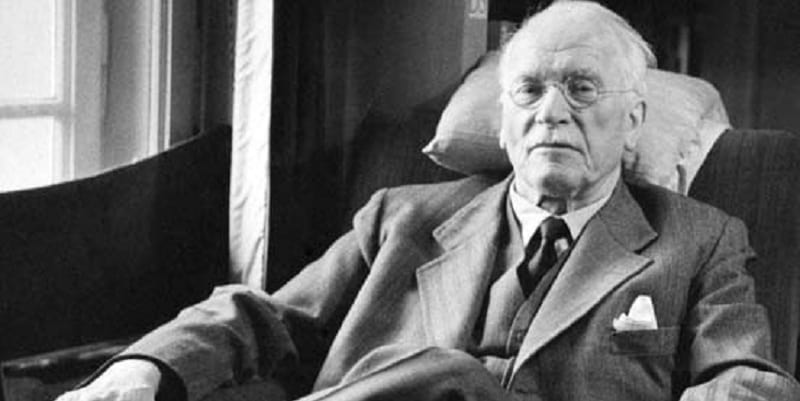
Carl Jung’s theories on the collective unconscious and archetypes profoundly influence modern spirituality. This article explores their relevance in contemporary practices: Jung’s Influence on Spirituality and Mysticism.
Understanding the Spiritual Path
The spiritual path often resembles a labyrinth, symbolizing the journey toward self-discovery and enlightenment. Learn about its significance in personal growth: What is a Labyrinth?.
Emanuel Swedenborg’s Mystical Visions
Emanuel Swedenborg’s insights into the spiritual world influenced many, including Carl Jung. This article delves into his visions and their implications: Swedenborg’s Mystical Influence on Jung.
The Mystical Philosophy of Hermes Trismegistus
Hermetic philosophy highlights the unity of the cosmos and the importance of spiritual transformation. Discover its significance in psychotherapy and spirituality: The Mystical Philosophy of Hermes Trismegistus.
Understanding Chakras: Energy Centers in Mystical Practices
Chakras play a vital role in various mystical traditions, serving as energy centers that influence physical and spiritual health. Explore their significance: Understanding the Seven Chakras.
Jan van Ruusbroec: The Flemish Mystic
Jan van Ruusbroec’s contemplative writings have had a lasting impact on Christian spirituality. Learn about his contributions and insights: Jan van Ruusbroec: A Flemish Mystic.
The Spiritual Journey of Rumi
Rumi’s poetry and teachings emphasize love and unity with the divine. This article explores his mystical insights and their relevance today: The Spiritual Journey of Rumi.
1. Paramahansa Yogananda: The Father of Yoga in America
Paramahansa Yogananda introduced Kriya Yoga to the West and emphasized the importance of meditation and spiritual living. His work aims to integrate Eastern spirituality with Western thought. Learn more about his life and teachings here.
2. Maharishi Mahesh Yogi: Transcendental Meditation and the Maharishi Effect
Known for founding the Transcendental Meditation movement, Maharishi Mahesh Yogi emphasized the benefits of collective meditation for societal well-being. Explore his influence on spirituality and mental health here.
3. Amma (Mata Amritanandamayi): The Hugging Saint
Amma is known for her compassionate approach and humanitarian efforts, which embody the principle of selfless love. Her teachings emphasize the importance of service and compassion in achieving spiritual growth. Discover more about her philosophy here.
4. Swami Vivekananda: Bridging East and West
A key figure in introducing Indian philosophies to the West, Swami Vivekananda focused on the practical aspects of spirituality, including service and self-realization. His speeches and writings continue to inspire millions. Read more about his impact here.
5. Sri Aurobindo: The Evolution of Consciousness
Sri Aurobindo proposed a transformative approach to spirituality, viewing human life as a stage in the evolution of consciousness. His teachings encourage a deeper connection with the divine and the realization of one’s spiritual potential. Find out more about his teachings here.
6. Eckhart Tolle: Presence and Consciousness
Eckhart Tolle, known for his best-selling book “The Power of Now,” emphasizes the importance of living in the present moment as a pathway to spiritual awakening. His teachings have gained global recognition for their simplicity and depth. Learn more about his philosophy here.
7. Deepak Chopra: Integrating Science and Spirituality
Deepak Chopra combines ancient wisdom with modern science, particularly in the fields of mind-body medicine and personal development. His teachings focus on creating health and well-being through a spiritual lens. Discover his insights here.
Visit Taproot Therapy Collective at
2025 Shady Crest Dr. Suite 203,
Hoover, AL 35216
or call (205) 598-6471.
Web: www.GetTherapyBirmingham.com
Podcast: https://gettherapybirmingham.podbean.com/
102 articles in this section.