Dreams and the Unconscious: Unlocking the Deepest Layers of the Psyche
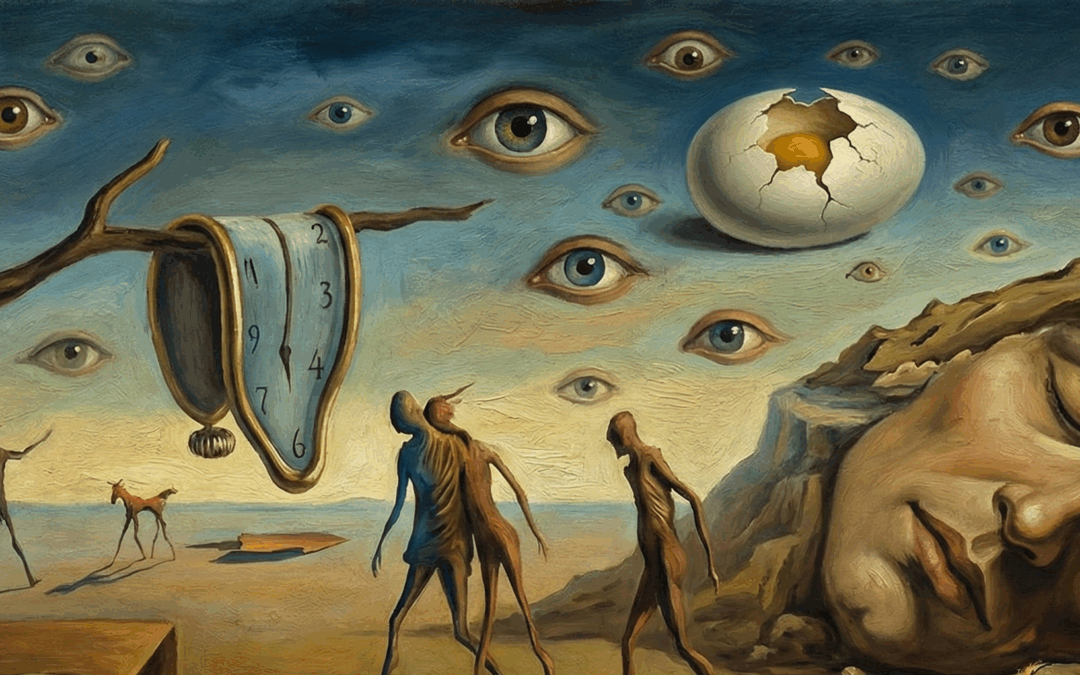
Dreams provide a window into the unconscious mind, offering symbols, imagery, and narratives that reflect the deepest layers of our psyche. In-depth exploration of dreams has been central to the work of pioneers like Sigmund Freud and Carl Jung, who believed that dreams contain hidden truths about our desires, fears, and unresolved conflicts. This category delves into the significance of dreams in depth psychology, their role in personal growth, and the therapeutic approaches used to interpret and work with them.
1. The Role of Dreams in Depth Psychology
Dreams have long been considered gateways to the unconscious. In this section, we explore the foundational ideas of Freud and Jung regarding the role of dreams. Freud viewed dreams as expressions of repressed desires, while Jung believed they offer insight into the collective unconscious and universal archetypes. We provide an overview of these classic theories and their relevance to modern psychology.
2. Freud’s Approach to Dream Interpretation
Freud’s theory of dreams, detailed in his landmark work, “The Interpretation of Dreams,” centers on the idea that dreams reveal our repressed desires and unresolved conflicts through symbolic representations. This subsection explores the manifest content (the actual dream events) and the latent content (the hidden meaning), along with key concepts like wish fulfillment and dream distortion.
3. Jungian Dreamwork: Archetypes and the Collective Unconscious
Carl Jung’s approach to dream analysis is rooted in his belief that dreams offer a direct connection to the collective unconscious, where archetypal symbols, such as the shadow, anima, animus, and the hero reside. This section explores how Jungian dream analysis helps individuals uncover personal and collective meanings within their dreams and how it guides them on their journey toward individuation.
4. Common Dream Symbols and Their Meanings
Certain symbols commonly appear in dreams, often carrying universal or archetypal meanings. In this subsection, we break down some of the most frequent dream symbols—such as water, flying, falling, and houses—and explain their possible psychological significance. Whether representing emotional states, transitions, or inner conflicts, these symbols offer powerful insights into the dreamer’s inner world.
5. Nightmares: Confronting the Shadow
Nightmares are often unsettling, but they can also provide crucial insights into the psyche. This section examines nightmares through the lens of shadow work, a concept in Jungian psychology that involves facing the parts of ourselves we’ve repressed. We explore how nightmares reflect our unconscious fears and unresolved emotions, and how working with them can lead to healing and self-awareness.
6. Lucid Dreaming: Exploring Consciousness Within Dreams
Lucid dreaming occurs when the dreamer becomes aware they are dreaming and can sometimes control the dream narrative. This subsection discusses the phenomenon of lucid dreaming, its psychological benefits, and how it can be used as a tool for self-exploration, overcoming fears, and fostering creativity. We also provide tips on how to cultivate lucid dreaming through mindfulness and dream journaling.
7. Dream Journaling: A Tool for Self-Discovery
Keeping a dream journal is one of the most effective ways to work with dreams over time. In this section, we explain the practice of dream journaling—recording dreams upon waking—and how it can help uncover patterns, recurring symbols, and hidden emotions. We provide practical tips for starting a dream journal, including how to improve dream recall and interpret entries.
8. Active Imagination: Engaging with Dream Figures
Active imagination is a Jungian technique that allows individuals to engage directly with the symbols and figures from their dreams. This section explores how to use active imagination to enter into a dialogue with dream images, such as encountering an inner guide, the shadow, or an archetypal figure. By interacting with these unconscious parts of the psyche, individuals can gain profound insights and facilitate psychological healing.
9. Dreams and Trauma: Healing Through the Unconscious
Dreams often play a significant role in the healing process for individuals recovering from trauma. This section discusses how trauma manifests in dreams through recurring themes or flashbacks and how therapists use dreamwork to help individuals process and integrate traumatic memories. We also explore how working with traumatic dreams can aid in emotional recovery and help restore a sense of safety and agency.
10. Modern Approaches to Dream Therapy
While traditional Freudian and Jungian methods remain widely used, modern approaches to dream therapy incorporate elements of cognitive-behavioral therapy (CBT), somatic therapies, and neuroscience. This section looks at contemporary therapeutic techniques that integrate the unconscious material from dreams into broader therapeutic goals, highlighting how dreams can be used to foster emotional regulation, resilience, and personal transformation.
Visit Taproot Therapy Collective at
2025 Shady Crest Dr. Suite 203,
Hoover, AL 35216
or call (205) 598-6471.
Web: www.GetTherapyBirmingham.com
Podcast: https://gettherapybirmingham.podbean.com/
18 articles in this section.