Lifespan Integration Therapy

Connect the separate scenes of your self. A holistic, neuro-experiential approach to healing trauma, attachment wounds, and dissociation through neural integration across the life timeline.

Schedule an Assessment

What is Lifespan Integration Therapy?

Lifespan Integration (LI) is an innovative, body-based therapeutic approach developed by Peggy Pace in 2002. It uses memory recall and mental imagery to help individuals resolve trauma and emotional issues without the need to re-experience or become flooded by traumatic events. By creating a chronological timeline of significant memories from throughout your life, LI helps your mind and body integrate past experiences in a way that promotes deep healing and emotional stability.

At Taproot Therapy Collective, serving Birmingham, Hoover, and Vestavia Hills, our certified Lifespan Integration therapists provide this powerful healing modality. Whether you are seeking trauma therapy, anxiety treatment, depression counseling, or help with emotional detachment, our professionals help you connect the separate scenes of your life into a cohesive, healed narrative.

The Science Behind Lifespan Integration

Lifespan Integration works on a neurobiological level to promote neural integration and rewire neural pathways associated with trauma responses. The therapy is grounded in contemporary understanding of interpersonal neurobiology, memory reconsolidation, and attachment theory.

The core proposed mechanism of LI is memory reconsolidation. By activating a traumatic memory while simultaneously introducing contradictory information (i.e., the visualization of a full, successful life timeline showing you survived), the therapy neurologically "updates" the original memory's emotional charge, integrating it into the individual's larger autobiographical narrative.

Life-Changing Yet Unintrusive

Lifespan Integration therapy is life-changing as it enables individuals to reprocess and emotionally integrate past traumas and significant life events, leading to a deeper understanding and healing. This therapeutic approach makes sense as it combines the revisiting of past experiences with present awareness, fostering a more coherent and integrated sense of self, which can significantly improve mental well-being and personal growth.

Lifespan Integration therapy is distinct in its approach as it combines the revisiting of past memories with a visualization process that integrates these experiences over a chronological timeline, leading to a coherent life narrative. This method differs from traditional talk therapies by focusing on the body-mind’s innate healing ability, using visualization and a ‘time line’ of memories to facilitate deep and rapid healing without re-traumatizing the client. For more detailed information, you can refer to Lifespan Integration’s official website.

What Happens in a Lifespan Integration Session?

In a Lifespan Integration session, the therapist first helps the client create a timeline of significant life events, forming the basis for the therapy. The client is then guided to revisit and emotionally process these memories through a visualization technique, often resembling watching a movie of their own life. This process is repeated several times, allowing the client to integrate these experiences and perceive their life story in a more cohesive and healed manner.

Preparation and History-Taking

The therapist gathers a comprehensive history of the client, including significant life events and traumas. This stage involves preparing the client for the therapy process and establishing a supportive therapeutic environment.

Reprocessing and Integration

This stage involves guiding the client through past memories, using visualization techniques to reprocess and emotionally integrate these experiences. The focus is on healing and reducing the emotional impact of past events.

Consolidation and Closure

The final stage consolidates the progress made, with the client reflecting on changes and the therapist helping to develop new coping strategies. This phase ensures the longevity of the therapy’s impact and prepares the client for closure.

What Does Lifespan Integration Processing Feel Like?

In the Room:

The experience of Lifespan Integration processing can differ for each individual, but generally, it involves accessing the brain’s inherent capacity to heal and integrate past emotional or traumatic experiences. During a Lifespan Integration session, the therapist helps you create a chronological timeline of significant life events, which you then revisit through visualization, almost like watching a movie of your life. Most sensations during a Lifespan Integration session are emotional and reflective, as you connect with and reprocess past experiences. The focus is on gently guiding your mind and body through these memories, allowing for healing and integration.

Out of the Room:

Lifespan Integration processing often continues beyond the therapy session. Afterward, you might find yourself processing the material at a deeper level, experiencing ongoing insights, emotional releases, or shifts in your perception, sometimes even days or weeks later. As the processing unfolds, you may encounter various emotions, thoughts, and bodily sensations. This could include heightened emotional awareness, new insights, memory recollections related to the targeted issues, and shifts in your perspective on these issues.

“Whatever the client was experiencing changed. Images and memories came more quickly. Emotions and body experience went deeper and moved on more rapidly and easily. Clients also got to observe the process while they were in it. The process was fascinating and still is.”
— Dr. David Grand

Changes Clients Experience

  • Changes in Somatic Experiences: Lifespan Integration helps in alleviating physical symptoms associated with emotional stress or trauma. By reprocessing traumatic memories, it can reduce physical manifestations like tension, chronic pain, or somatic disorders.
  • Transformation of Emotional Experiences: Through the process of revisiting and integrating past experiences, this therapy can transform emotional responses. Emotions related to past traumas become less intense and more manageable.
  • Enhanced Sense of Self: Lifespan Integration promotes a more coherent and integrated sense of self. By linking past experiences to the present, clients develop a stronger sense of identity and self-understanding.
  • Altered Perception of Time: The therapy changes one’s perception of time, particularly in how past experiences influence the present. Clients often feel that these events are truly in the past and no longer exert the same influence over their current lives.

What Conditions does Lifespan Integration Treat?

Lifespan Integration Therapy has many diverse clinical applications based on the latest research.

Trauma and PTSD:

Lifespan Integration is particularly effective for treating Post-Traumatic Stress Disorder (PTSD). It helps individuals process and integrate traumatic memories in a safe and controlled manner. By revisiting traumatic events through guided visualization, clients can reframe and diminish the impact of these memories on their current life.

Anxiety and Depression:

This therapy can be beneficial for those suffering from anxiety and depression. By addressing root causes and unresolved emotions from past experiences, clients can achieve a greater sense of emotional stability. The integration of these past experiences can lead to a reduction in symptoms.

Addiction and Substance Abuse:

For addiction, Lifespan Integration can address underlying emotional triggers and past traumas that contribute to addictive behaviors. By resolving these deep-seated issues, clients can develop healthier coping mechanisms, reducing their reliance on addictive substances.

Performance Enhancement:

In the realm of performance, whether in the workplace, sports, or personal endeavors, Lifespan Integration can help individuals overcome mental blocks and past negative experiences that hinder performance. This can lead to improved focus, confidence, and overall performance.

Relationship Issues:

The therapy is beneficial in addressing relationship issues by helping individuals understand and heal from past relational traumas or patterns. This deeper understanding can lead to healthier relationship dynamics.

Chronic Pain and Medical Issues:

While primarily a psychological therapy, Lifespan Integration can indirectly help individuals dealing with chronic pain by addressing emotional factors that may exacerbate physical pain, such as stress or trauma.

Athletes can also use Lifespan Integration to overcome mental and emotional barriers that affect their physical performance. By processing past failures, traumas, or mental blocks, athletes can achieve a more focused and positive mindset, enhancing their athletic performance.

What are the Protocols of Lifespan Integration?

Unlike some therapies that rely on free-flowing conversation, Lifespan Integration therapy employs highly structured, specific protocols tailored to the unique needs and trauma history of the client. Here is a breakdown of the primary clinical approaches within Lifespan Integration:

Baseline Protocol

Often used at the beginning of treatment, the Baseline Protocol is designed to build ego strength, increase emotional capacity, and help the client’s nervous system feel grounded. By taking the client through a general timeline of their life, it proves to the body-mind system that they have survived their past and are safe in the present.

Standard Protocol

The Standard Protocol is highly effective for clearing current, everyday triggers or resolving the lingering emotional charge of recent, less severe traumatic events. It helps clients who find themselves overreacting to current situations by connecting the present trigger to the past memory, integrating it, and bringing the nervous system back to a calm state.

PTSD Protocol

This protocol is specifically designed to heal deep, single-incident traumas or complex PTSD. The therapist guides the client to visually revisit the traumatic memory briefly, and then immediately leads them through their timeline to the present day. This repetition neurologically “proves” to the brain that the trauma is over, effectively extinguishing flashbacks and hyperarousal without re-traumatizing the client.

Attachment Repair Protocol

Used for clients with early childhood neglect, adoption trauma, or deep attachment wounds, this protocol works with pre-verbal memories. The therapist helps the adult client visually “step in” to comfort and care for their younger self. By imagining the repair of these early deficits and then moving through the timeline, the client builds a new, secure internal foundation.

Birth to Present Protocol

This is a comprehensive protocol used to integrate the self across the entire lifespan. It is particularly helpful for individuals dealing with dissociation, fragmented identity, or a pervasive sense of emptiness, helping them weave the separate chapters of their life into a cohesive, solid narrative.

Expansion Lifespan Integration

This method helps clients expand their emotional awareness and capacity to hold different perspectives or emotions related to a specific issue or memory. It involves revisiting various points of their life timeline, allowing a broader exploration and integration of different aspects of their experiences. This can be helpful in promoting emotional regulation and resilience.

Sequential Lifespan Integration

This approach processes memories or traumatic experiences in a sequential manner, akin to viewing scenes of a movie. This sequential revisiting helps integrate associated emotions, sensations, and beliefs, proving effective in reprocessing unresolved experiences.

Somatic Lifespan Integration

This style focuses on identifying and processing physical sensations and impulses in the body, facilitating the release and integration of somatic responses to trauma. It promotes body awareness and the release of tension related to emotional distress.

Visualization Lifespan Integration

This technique utilizes visualization to access and process unresolved trauma. By guiding clients through visualizing different scenes of their life, it helps in accessing deep-seated emotions and memories.

Resource Lifespan Integration

This approach focuses on identifying and reinforcing internal resources and resilience. By revisiting positive memories and emotions, it strengthens internal coping mechanisms and fosters positive emotional growth.

Dream Integration

This style involves exploring and processing emotions and themes from the client’s dreams. It’s an effective way to access unconscious material and work with symbolic imagery for deeper insights.

Tactile Integration

This method involves identifying physical areas of discomfort and using tactile stimulation to explore associated emotional and somatic connections. It’s useful for understanding and processing psychosomatic complaints.

Sensory Lifespan Integration

For individuals who find reconnecting with their body overwhelming, this approach focuses on one safe sense – like touch, smell, or sound – to facilitate processing in a safe manner. It’s especially beneficial for severe trauma cases.

Narrative Lifespan Integration

This method uses storytelling or mythology to help clients engage with unresolved fears. By exploring archetypal stories, clients can confront and work through fears and developmental blocks in a non-threatening way.

Each Lifespan Integration protocol offers unique benefits, and your therapist will carefully select and combine these approaches to best meet your specific needs. The gentle, body-based versatility of Lifespan Integration makes it a profoundly effective therapeutic option for those dealing with trauma, anxiety, depression, and attachment wounds.

Lifespan Integration: Healing Across Time

Lifespan Integration (LI) is a gentle yet powerful therapeutic approach that aims to heal the “child self” within each of us. Developed by Peggy Pace, LI works with the power of memory and the mind-body connection to help people find peace and wholeness in the present.

At the heart of LI is the understanding that our early experiences shape our sense of self, our patterns of relating, and our ways of being in the world. When these early experiences are difficult or traumatic, they can leave lasting imprints that color our present lives, often outside of our conscious awareness.

The Neuroscience of Early Experience

The scientific basis for LI lies in the rapidly advancing field of interpersonal neurobiology, which explores how our brains develop and function in the context of relationships. Researchers like Allan Schore and Daniel Siegel have shown how our early relational experiences literally shape the architecture of our brains.

In the first few years of life, our brains undergo an incredible period of growth and plasticity. The neural pathways and patterns that form during this time become the foundation for our later development. Nurturing, attuned caregiving helps foster a resilient, flexible brain. But when a child experiences neglect, abuse, or other traumas, it can lead to a brain wired for stress, fear, and survival.

These early neural patterns don’t just disappear as we grow older. They continue to influence our perceptions, emotions, and behaviors, often in unconscious ways. We may find ourselves overreacting to certain triggers, stuck in unhelpful patterns, or plagued by a deep sense of shame or unworthiness – all reflections of our early wiring.

Healing the Child Within

LI aims to gently reshape these deep neural pathways by revisiting key memories across the lifespan. In a typical LI session, the therapist guides the client through a timeline of their life, evoking a series of memories from birth to the present day.

This timeline serves as a sort of scaffold for the brain, helping to organize and integrate life experiences. As the client moves through the memories, the therapist uses specific techniques to enhance the felt sense of connection between the client’s present-day self and their younger selves at each stage.

This empathic attunement to one’s own past has a deeply healing effect. It’s as if the loving adult self can go back in time to meet the needs of the child self – needs for safety, for comfort, for unconditional love and acceptance. This inner nurturing helps to soothe and rewire the brain, resolving old wounds and freeing up energy for growth and change.

Mythic and Spiritual Parallels

The concept of integrating past and present, child self and adult self, has deep roots in human spiritual and mythological traditions. The psychoanalyst Carl Jung wrote extensively about the “Divine Child” archetype, representing the innocent, authentic, and creative core of the psyche. In many hero myths, the protagonist must rescue or reconnect with a lost or endangered child – a powerful metaphor for reclaiming and integrating our own inner child.

In Buddhism, the concept of the “Buddha Nature” points to the fundamental purity and goodness at the heart of every being, beneath the layers of conditioning and suffering. Practices like self-compassion and loving-kindness meditation aim to cultivate this unconditional positive regard for oneself and others.

Christianity also speaks to the importance of childlikeness, with Jesus famously stating that “unless you change and become like little children, you will never enter the kingdom of heaven.” This points to a spiritual imperative to reconnect with the innocence, wonder, and open-heartedness of our inner child.

Integration and Transformation

By weaving together threads from neuroscience, developmental psychology, spirituality, and wisdom traditions, LI offers a profound path to wholeness. It’s a way to honor our past, embrace our present, and open to our future potential. Some of the many issues LI can help with include:

At its core, LI is about coming home to ourselves – embracing all the parts of our story with compassion and grace. It’s a way to heal the past, empower the present, and transform our future.

How Does Lifespan Integration Use the Whole Brain to Reconsolidate Memory?

Lifespan Integration therapy utilizes the whole brain, incorporating newer theories like memory reconsolidation, to facilitate holistic healing. Here’s how it engages different parts of the brain:

Left Brain

The left hemisphere of the brain, known for its logical, analytical, and language-processing capabilities, is engaged in Lifespan Integration through the creation of a chronological timeline of significant life events. This process involves organizing memories and experiences in a logical sequence, which helps in structuring the narrative of a person’s life story. This structured approach enables clients to make logical connections between past experiences and current behaviors or feelings.

Right Brain

The right hemisphere, which is more involved in emotional processing, creativity, and big-picture thinking, is engaged through the visualization aspects of Lifespan Integration. When clients visualize their life events as a movie, they are tapping into their imaginative and emotional processing capabilities. This helps in accessing and reprocessing emotional memories that might be stored in the non-verbal parts of the brain.

Limbic System (Mid-Brain)

The limbic system, including structures like the amygdala and hippocampus, plays a crucial role in emotional regulation and memory formation. Lifespan Integration stimulates these areas by revisiting emotional memories and traumas. The process helps in altering the emotional impact of these memories, contributing to emotional healing and memory reconsolidation, whereby the emotional charge of a memory is altered when it is recalled and ‘saved’ again.

Frontal Brain (Prefrontal Cortex)

The frontal lobes, especially the prefrontal cortex, are involved in higher cognitive functions like decision-making, problem-solving, and regulating emotional responses. Lifespan Integration, by integrating past experiences into a coherent narrative, helps in enhancing self-awareness and improving decision-making capabilities. It allows clients to understand their reactions and behaviors in the context of their life experiences, leading to better emotional regulation and more adaptive responses to current life situations.

How does Lifespan Integration Stimulate the Subcortical Brain?

Lifespan Integration therapy stimulates the subcortical brain, which includes areas like the amygdala, hippocampus, and thalamus, involved in emotional processing and memory formation. This stimulation occurs through the process of revisiting and emotionally processing past events in a safe, therapeutic setting. By creating a chronological timeline of significant life events and guiding clients through these events using visualization techniques, Lifespan Integration prompts the subcortical brain to process and integrate emotional memories. This process helps in altering the emotional impact of these memories, contributing to healing and reducing the symptoms of trauma or emotional distress. The repetitive nature of reviewing the timeline can reinforce the integration and healing within these deeper brain regions, facilitating long-term emotional regulation and psychological well-being.

Lifespan Integration therapy, like many therapeutic interventions, can have indirect effects on various parts of the brain, including the basal ganglia, which are involved in motor control, emotions, and cognitive functions. The therapy’s focus on emotional processing and integration might indirectly influence the basal ganglia by altering emotional responses and stress levels. Specifically, as Lifespan Integration helps to reduce trauma and anxiety, this could lead to a decrease in stress-related neurotransmitters and hormones, which in turn might positively affect the functioning of the basal ganglia.

What Therapies are Similar to Lifespan Integration Therapy?

Lifespan Integration therapy shares similarities with several other therapeutic modalities that prioritize the body-mind connection and the processing of trauma. Here is how it compares to other common treatments:

Eye Movement Desensitization and Reprocessing (EMDR)

EMDR and Lifespan Integration are both considered “accelerated” processing therapies for traumatic memories. While EMDR relies on bilateral stimulation (like side-to-side eye movements) to desensitize memories, Lifespan Integration uses the repetition of the timeline to integrate those memories into the client’s autobiography, making the past feel truly “past.”

Brainspotting

Lifespan Integration and Brainspotting both emphasize the body’s role in storing and processing emotional experiences. Brainspotting uses specific eye positions to access the subcortical brain where trauma is held, while Lifespan Integration uses a visual timeline and imagery to bridge the past and present. Both approaches aim to release stored emotions without relying solely on traditional talk therapy.

Jungian Therapy

Similar to Jungian therapy, Lifespan Integration acknowledges the importance of integrating past experiences for personal growth and healing. Both approaches value the role of the unconscious mind and aim to bring unresolved issues to consciousness. However, while Jungian therapy focuses more on the symbolic and archetypal aspects of the unconscious, Lifespan Integration primarily uses a chronological timeline of life events to create a cohesive sense of self.

Somatic Experiencing (SE)

Similar to Somatic Experiencing, Lifespan Integration recognizes the connection between psychological issues and bodily sensations. Both therapies work towards releasing the physical manifestations of trauma (the “thaw” of the freeze response). Lifespan Integration, however, incorporates a more structured narrative-based approach through the use of life timelines to prove to the body that the trauma is over.

Emotional Transformation Therapy (ETT)

ETT and Lifespan Integration share the belief that emotional healing is integral to overall well-being and often involves the visual system. Both utilize sensory-based experiences—ETT with precise wavelengths of color and light, and Lifespan Integration with visual timelines—to process and transform emotional pain at a neurobiological level.

What is the History of Lifespan Integration Therapy?

Precursors to Lifespan Integration

Lifespan Integration is grounded in several psychological theories. Primarily, it draws from the principles of attachment theory, highlighting the importance of early childhood experiences and their lasting impact on adult behavior and mental health. LI also incorporates elements of neuroscience, particularly the concepts of neuroplasticity and memory reconsolidation, which suggest that the brain is capable of change and healing throughout life. This is pivotal in LI’s approach to revisiting and integrating past traumas.

Philosophical Foundations

Philosophically, Lifespan Integration leans towards a holistic view of the individual. It acknowledges the interconnectedness of mind, body, and spirit in the healing process. This perspective is deeply rooted in the philosophy of integrative psychology, which posits that therapeutic interventions should address the whole person rather than just the symptoms or problematic behaviors.

Psychological Perspectives

Many pioneers in the field of psychology have recognized the importance of integrating past experiences for present wellbeing. Sigmund Freud, the father of psychoanalysis, saw the goal of therapy as making the unconscious conscious – bringing early, repressed memories and traumas into awareness so they could be processed and resolved. His student Carl Jung went further, seeing individuation, or the lifelong journey towards wholeness and self-realization, as the ultimate aim of the psyche.

More recent figures like Erik Erikson have mapped out the key stages and challenges of psychosocial development across the lifespan. Erikson saw each stage as involving a crisis or turning point that, if navigated successfully, would lead to the development of key virtues and strengths. LI’s timeline work has parallels with Erikson’s idea of revisiting and reworking earlier developmental stages to achieve greater integration and maturity.

Attachment theorists like John Bowlby and Mary Ainsworth have highlighted how our early bonding experiences with caregivers shape our sense of self, others, and the world. When these early attachments are insecure or traumatic, they can lead to lifelong patterns of emotional and relational difficulties. LI’s gentle, reparative work with early memories can be seen as a way of providing the “earned security” that attachment-focused therapies aim for.

Anthropological Insights

Across cultures, anthropologists have observed rituals and practices designed to facilitate life transitions, heal trauma, and promote social cohesion. Arnold van Gennep‘s classic work on rites of passage outlined a universal pattern: separation from one’s old identity, a liminal period of transition, and reincorporation into the community in a new role. Victor Turner expanded on this idea, seeing the liminal phase as a time of great creativity and possibility, where old structures are dissolved and new identities can emerge.

LI’s timeline work has intriguing parallels with these ritual processes. As clients revisit key memories across their life, they in a sense “separate” from their current self-concept, enter a fluid, liminal space where change is possible, and then “reincorporate” with a new, more integrated sense of self. The witnessing and support of the therapist echoes the community holding that traditional rites of passage provide.

Mythological Motifs

The idea of integrating past and present, child self and adult self, has deep roots in human mythology and storytelling. The psychoanalyst Carl Jung wrote extensively about the “Divine Child” archetype, representing the innocent, authentic, and creative core of the psyche. In many hero myths, the protagonist must rescue or reconnect with a lost or endangered child – a powerful metaphor for reclaiming and integrating our own inner child.

The hero’s journey itself, the universal template of adventure and transformation identified by mythologist Joseph Campbell, has resonance with the LI process. In a sense, LI clients undertake a microcosmic hero’s journey each session, venturing into the unknown territory of the past to retrieve lost resources and wisdom.

Greek mythology is full of stories of divine children, from Dionysus to Persephone, whose endangerment and rescue reflect the human struggle to protect and nurture the vulnerable, creative self. The myth of Demeter and Persephone, with its themes of separation, loss, and joyful reunion, has particular resonance with LI’s work on repairing early attachment wounds.

Perennial Philosophy and Spirituality

While LI is a secular approach, its affirmation of the client’s wholeness, its trust in the innate drive towards healing and growth, and its vision of the self as spanning time resonate with perennial spiritual insights. In the 20th century, Thomas Merton wrote eloquently of the “true self” that lies beneath the false, constructed self of the ego. As clients connect with younger selves and bring compassionate witness to their journey, they may touch into this deeper dimension of unchanging okayness.

Cognitive and Neuroscience Perspectives

In recent decades, cognitive science and neuroscience have provided new lenses on the processes of memory, emotion, and self-representation that LI works with. Research on memory reconsolidation has shown how old memories can become labile and open to change when reactivated – a process that LI may harness as clients revisit key scenes from their past.

Studies on the default mode network (DMN) suggest that this circuit is involved in autobiographical memory, self-reflection, and mental time travel – all key elements of the LI process. The field of interpersonal neurobiology, pioneered by Dan Siegel, has traced how our brains are shaped by relationships and how mindful awareness and empathic attunement can promote neural integration.

Origin of Lifespan Integration

Lifespan Integration was developed by Peggy Pace in the early 2000s. Pace, drawing upon her extensive experience in psychotherapy, created LI as a method to help clients heal from past trauma. Her approach focused on the belief that trauma and emotional pain are not just stored in the brain, but also in the body, and that healing comes from integrating these experiences.

Early Development and Principles

Initially, Lifespan Integration aimed at addressing the impacts of early childhood trauma. Pace’s method involved guiding clients through a process of revisiting past memories and traumas in a safe, controlled manner. The therapy used a combination of visualizations, narrative timeline techniques, and the re-experiencing of past emotions to foster healing.

Innovative Techniques

One of the innovative aspects of Lifespan Integration is its use of a timeline of significant life events, allowing clients to sequentially re-experience their past in a way that promotes healing. This timeline approach, combined with visualization techniques, helps to integrate disparate parts of a client’s life story, fostering a more cohesive sense of self.

The Future of Lifespan Integration

As the mental health field continues to embrace trauma-informed and holistic approaches, Lifespan Integration is well-positioned to become a key component of clinical care. Its flexibility and ability to address the physiological, emotional, and cognitive aspects of trauma make it a powerful, personalized path for healing and personal growth.

Lifespan Integration (LI) Therapy: Emerging Evidence Base

Lifespan Integration is an innovative, body-based therapy focused on healing trauma and improving attachment by integrating memories across the neurological timeline. Research is actively growing and primarily supports its efficacy in trauma resolution and attachment repair.

Pilot RCT for Single-Event Trauma

A pilot RCT, A One-Session Treatment of PTSD After Single Sexual Assault Trauma, showed remarkable outcomes using Modified Lifespan Integration (MLI). At follow-up, 72% of participants in the intervention arm no longer met criteria for PTSD, compared to 6% in the waiting list group (Sigurðardóttir et al., 2020).
View Study in Journal of Interpersonal Violence (PMC)

HSCED in Children

The study, Lifespan Integration Therapy with Trauma-Exposed Children, used a rigorous qualitative and quantitative case design to investigate LI’s impact on a 12-year-old trauma survivor. Findings indicated that significant and lasting positive change occurred, and LI was identified as being substantially responsible for this outcome (Rensch et al., 2021).
View Study in Journal of Child & Adolescent Trauma

Attachment Processes in Adopted Children

Research titled Integrating Attachment Processes with Lifespan Integration Therapy demonstrated that LI can effectively target and repair attachment disruptions in adopted children during middle childhood, suggesting a significant role for LI in fostering a more secure parent-child attachment bond (Lewis et al., 2022).
View Study in Journal of Child & Adolescent Trauma (PMC)

Therapist Perspectives on LI Outcomes (2024)

A 2024 qualitative study summarized that therapists perceive LI as fundamentally facilitating emotional regulation, increased self-acceptance, and a strengthened sense of identity and continuum in the client’s life story (Bahans et al., 2024).
View Study in European Journal of Trauma & Dissociation

Ongoing Research

Research into Lifespan Integration is expanding, with a recent clinical trial listing (NCT06535243) currently recruiting participants to evaluate the efficacy of LI therapy in patients suffering from Complex Post-Traumatic Stress Disorder (CPTSD).

Notable Figures and Resources in Lifespan Integration

Peggy Pace

Peggy Pace is the founder and developer of Lifespan Integration (LI) therapy. In 2003, she published the foundational text, Lifespan Integration: Connecting Ego States through Time. Her work revolutionized trauma treatment by focusing on neural integration and memory reconsolidation rather than just “reliving” traumatic events. She continues to oversee the official training protocols used by therapists worldwide.

Dr. Susan Pinco

Dr. Susan Pinco is a highly respected clinical social worker and an international LI trainer. She is known for her expertise in integrating LI with other somatic and sensory-based modalities. Her work focuses on complex trauma, dissociation, and the “felt sense” of the body in the healing process.

Cathy Thorpe, MA

Cathy Thorpe is a Lead Trainer and a significant contributor to the global Lifespan Integration community. She has been instrumental in expanding LI training throughout Canada and Europe, helping to standardize the protocols that allow therapists to work effectively with attachment repair and pre-verbal trauma.

Our Lifespan Integration Specialists

Because Lifespan Integration is a specialized, post-graduate level training, it is important to work with a therapist who has completed official coursework. At Taproot Therapy Collective, we prioritize advanced trauma training and offer specialized care for clients looking to integrate their past through these evidence-based protocols.

Joel Blackstock

LICSW-S, MSW, PIP

View Profile

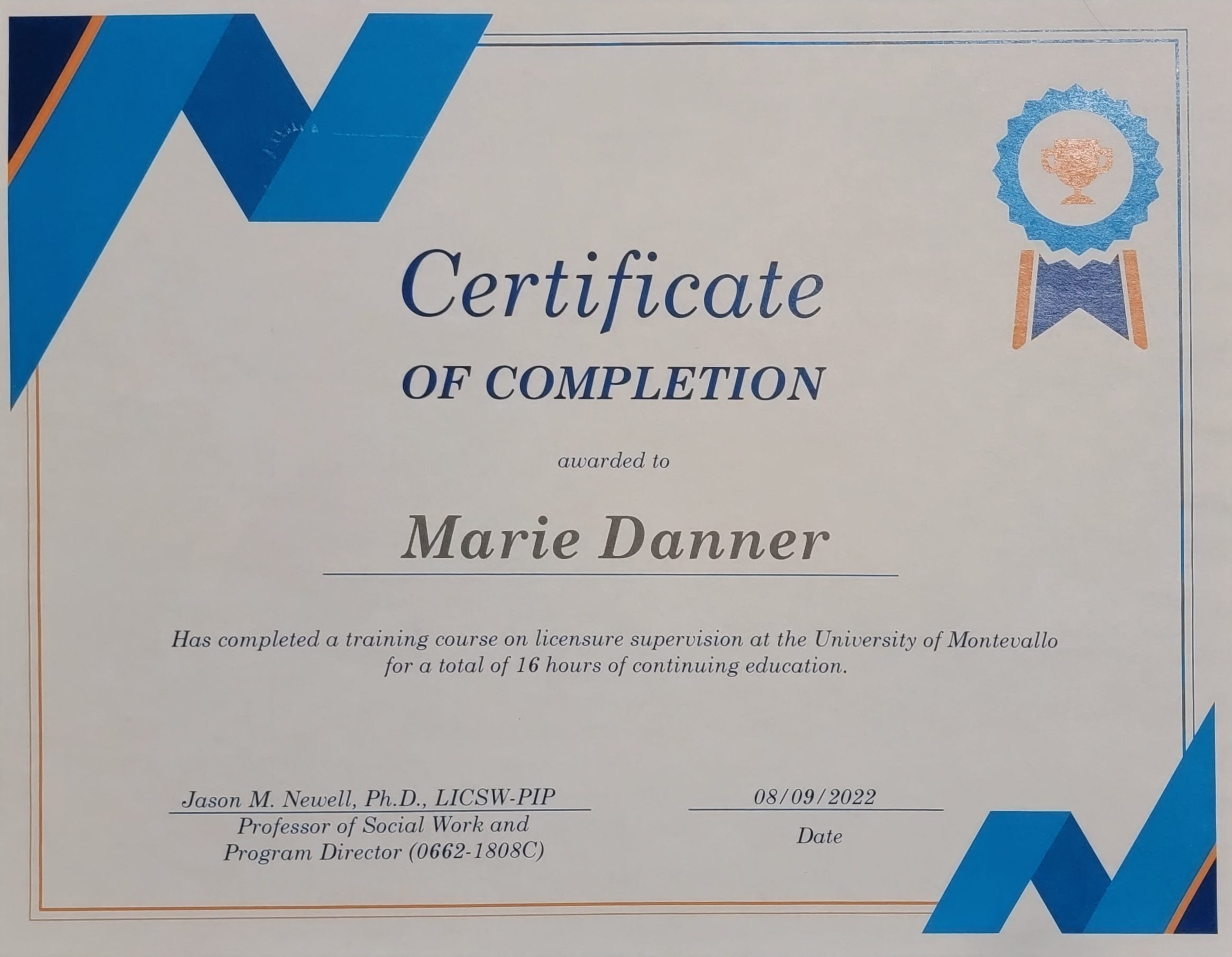
Marie Danner

LICSW-S, MSW, CCTP-II

View Profile

Pamela Hayes

LMSW

View Profile

Kristi Wood

MSW, LICSW, PIP

View Profile

FAQ about Lifespan Integration

How Does Lifespan Integration Work?

Lifespan Integration therapy involves creating a chronological timeline of significant life events and then guiding clients through these events using visualization. This process helps clients to integrate past experiences, reduce the impact of trauma, and improve emotional well-being.

Who invented Lifespan Integration and why?

Lifespan Integration was developed by Peggy Pace in the early 2000s. She created this therapy to help clients heal from past trauma by integrating their life experiences into a coherent narrative, improving their sense of self and emotional health.

What does Lifespan Integration feel like?

Undergoing Lifespan Integration typically feels like a journey through one’s personal history, where visualization and revisiting of past events lead to emotional processing and healing. Clients often experience a sense of relief, increased self-awareness, and emotional release as they integrate their past experiences.

Where Does Brainspotting Fit into Treatment?

Lifespan integration is one of many tools that you will encounter through Taproot Therapy Collective. Our clinicians train in many modalities to make sure all patients have a big bag of tools to choose from.

Can Lifespan Integration Be Used on Children?

Absolutely, Lifespan Integration (LI) can be effectively used with children. It is a gentle method that considers a child’s developmental stage, cognitive abilities, and emotional state. LI is beneficial for children who have experienced trauma, anxiety, depression, and attachment-related challenges. In these sessions, therapists often use simplified “picture timelines” or incorporate play therapy to help children visualize their life story in a way that feels safe and understandable.

How Does Lifespan Integration Differ from Other Therapies?

Lifespan Integration is distinct because it uses a chronological timeline of life events to help the body-mind system recognize that time has passed. Unlike therapies like EMDR, which primarily target and desensitize specific traumatic “frozen” moments, LI protocols focus on weaving those moments into a cohesive life narrative. This helps the client feel like a “whole person” rather than a collection of fragmented parts or triggers.

What If Lifespan Integration Doesn’t Seem to Work?

If Lifespan Integration doesn’t seem to be effective, it may be that the nervous system is struggling to stay within the “Window of Tolerance.” Discuss this with your therapist; they can adapt the approach by using more “grounding” repetitions or switching to the Baseline Protocol to build up your emotional capacity. Healing is not always linear, and sometimes the brain needs more preparation before it is ready to integrate deeper traumas. If you feel stuck, your therapist can also combine LI with other modalities like Brainspotting or Somatic Experiencing to help shift the processing.

It’s crucial to remember that therapy is a highly individualized process, and what works for one person might not work for another. Working closely with a qualified therapist to adjust the pace is key to finding the right approach for your unique history.

Begin Your Healing Journey

If you are struggling with the effects of trauma, anxiety, depression, or attachment wounds, Lifespan Integration therapy may provide the gentle yet powerful healing approach you're looking for.

Schedule Your Consultation
Medical, Scientific & Scope of Practice Disclaimer: Taproot Therapy Collective operates as a private psychotherapy clinic in Birmingham, Alabama. The information provided in this clinical guide regarding Lifespan Integration, neurobiology, and trauma recovery reflects current scientific research and is strictly for educational purposes. It does not constitute medical advice, nor does it establish a therapist-client relationship. Always consult with a qualified healthcare professional before starting any treatment regimen. For authoritative resources and certification verification regarding LI, please visit the official Lifespan Integration database. If you are experiencing a mental health emergency, severe psychological distress, or suicidal ideation, please dial 988 or seek immediate medical attention at an emergency room.