
Somatic Trauma Mapping in Hoover, AL: Finding Where Trauma Lives in the Body
Somatic trauma mapping is how we find out where trauma actually lives in your body before we treat it. Instead of guessing which memory or which method to start with, you and your therapist chart sensation, tension, numbness and activation across the body, then use that map to aim EMDR, Brainspotting or Somatic Experiencing where it will do the most, and to see what has changed. It is available at our Hoover office, minutes from Birmingham, and by video anywhere in Alabama.
What is somatic trauma mapping?
Trauma is stored as a pattern of nervous-system responses, not as a single memory, and every client's pattern is different: a clenched jaw and a held breath in one person, a numb chest and cold hands in another. Mapping makes the pattern visible. It draws on polyvagal theory, which describes how the vagus nerve shifts the body between safety, fight-or-flight and shutdown, and on Somatic Experiencing's practice of tracking sensation rather than narrative.
Who is it for?
Anyone starting trauma treatment who has more than one thing to work on and doesn't know where to begin. People with anxiety or panic that seems to come from nowhere. Clients with chronic pain that moves and flares with stress. And people who go numb, for whom the map is often the first time they've been able to say what their body does.
What happens in a mapping session at Taproot?
Your therapist walks you slowly through the body, head to feet, and you name what's there: heat, pressure, buzzing, nothing. We note what each spot connects to, if anything, and how strong it is. That becomes the treatment plan. When a spot releases in later sessions, you'll feel it and the map will show it. We re-map every four to six sessions.
How it works at Taproot
- 1Free 15-minute intake call
Tell the coordinator you want to start with a map.
- 2First map
Head to feet, naming what's there and what it connects to; this becomes the treatment plan.
- 3Targeted processing
EMDR, Brainspotting or SE aimed at the spots the map shows, in the order your system can tolerate.
- 4Re-map
Every four to six sessions, so you can see what released and what is still held.
What the map tends to show, and where it points
| What we find | What it usually means | Where we go next |
|---|---|---|
| Bracing, tight jaw, held breath | Fight-or-flight energy that never discharged | Somatic Experiencing |
| Numb chest, cold hands, flat | Shutdown; the system went offline | Slow re-sensing first, then Brainspotting |
| One charged spot tied to a memory | A single event stored as a target | EMDR |
| Different spots that argue with each other | Parts holding different pieces | Parts-based therapy |
| Pain that moves with stress | Nervous-system amplification | Pain Reprocessing Therapy with SE |
Is somatic trauma mapping right for me? A 30-second check
Who does somatic trauma mapping at Taproot?

Mapping as the front end to EMDR, Brainspotting and Emotional Transformation Therapy for complex trauma.
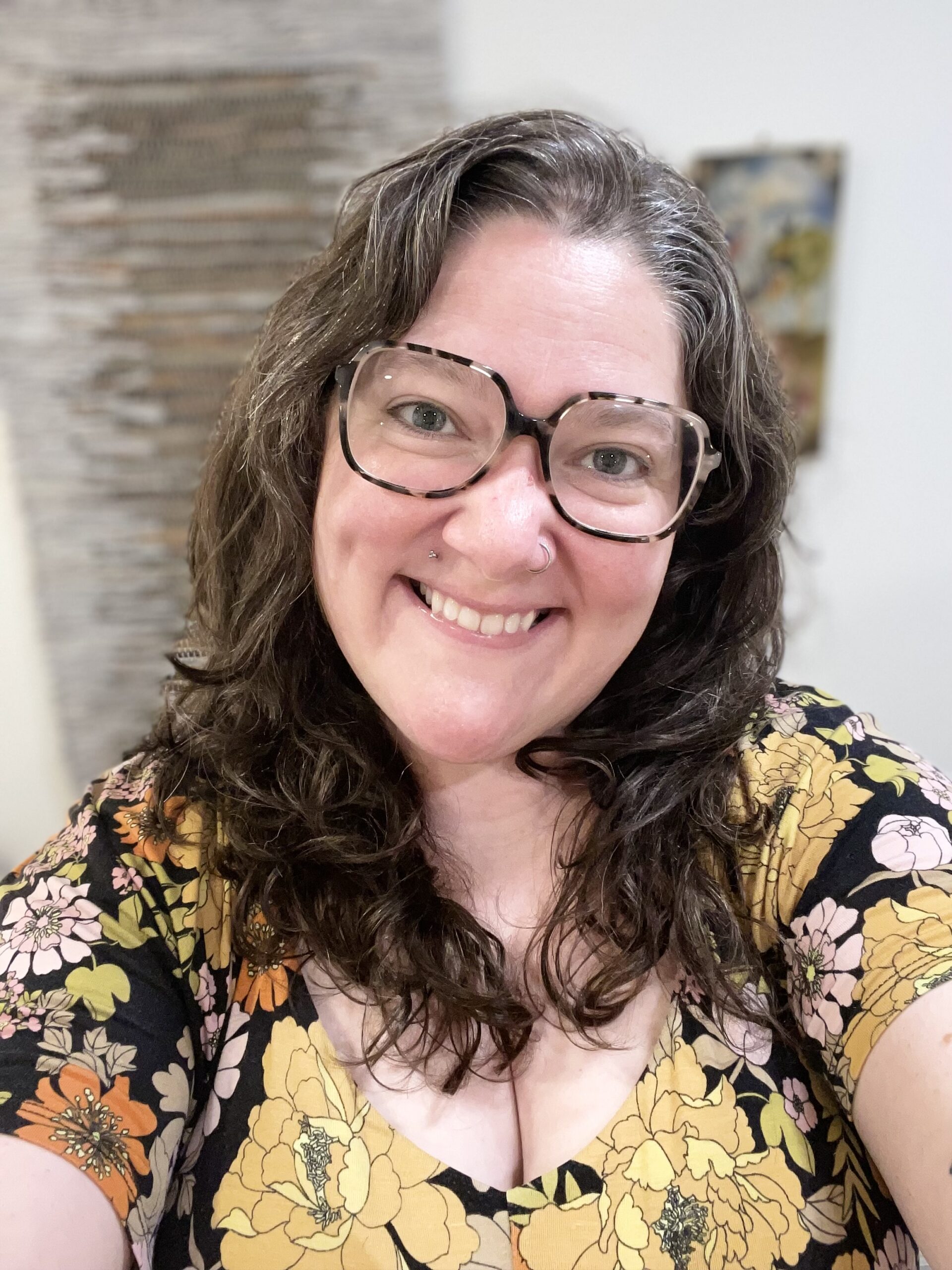
Mapping with Somatic Experiencing and IFS for religious and interpersonal trauma and the freeze response.

Mapping by teletherapy for chronic pain, dysautonomia and complex PTSD, alongside Pain Reprocessing Therapy.

Cost, insurance and teletherapy
We accept Blue Cross Blue Shield of Alabama for most clinicians. Private-pay and out-of-network sessions are $250, with an income-based sliding scale, and we send a monthly superbill with the codes your insurer needs for out-of-network reimbursement. Secure video sessions are available anywhere in Alabama on the same sliding scale.
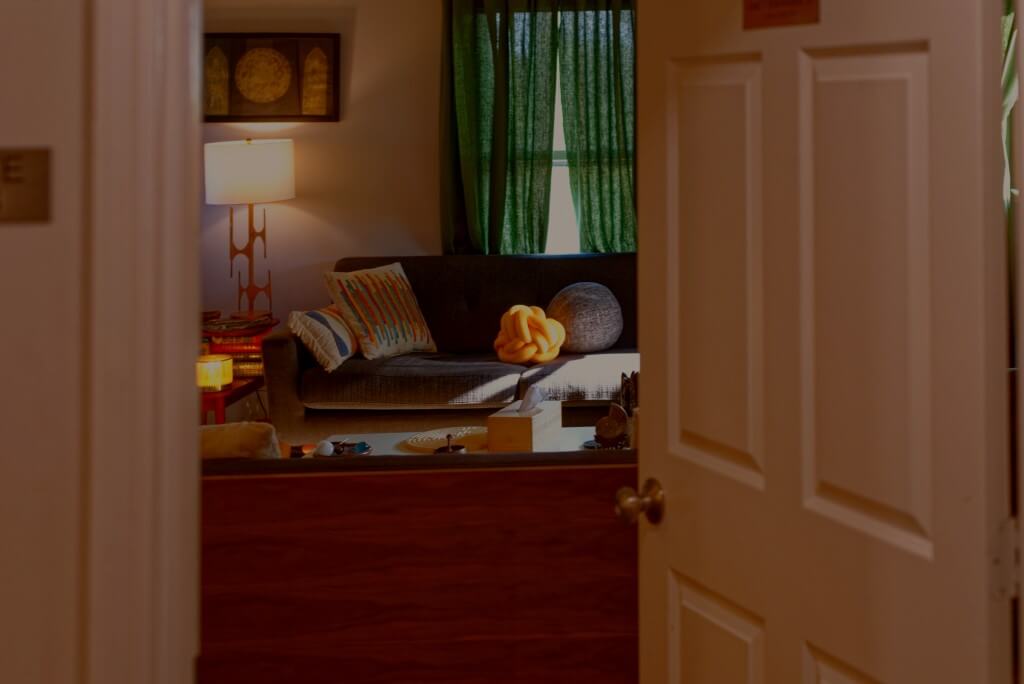
A look inside Taproot
Frequently asked questions
Is somatic trauma mapping a therapy on its own?
It is both an assessment and a treatment frame. On its own it builds the ability to feel and name what your body is doing. Combined with EMDR, Brainspotting or Somatic Experiencing, it tells us where to aim and shows us what has changed.
What if I can't feel anything in my body?
That is a finding, not a failure. Numbness is a map of where the nervous system shut down, and the first phase of the work is bringing sensation back safely. Most clients who start numb can map clearly within a few sessions.
Can this be done over video?
Yes. You map on your own body while the therapist guides you, and it works the same on screen as in the office.
How often do we re-map?
Usually every four to six sessions, so both of us can see where activation has released and where it is still held.
Start with a map, in Hoover or online
Your first call is a free 15-minute conversation with our intake coordinator, who matches you with the right clinician. Our office is off I-65 at the Riverchase exit in Hoover, about ten minutes from Vestavia Hills, Homewood and Mountain Brook and fifteen from downtown Birmingham, with free parking at the door.
Book onlineCall (205) 598-6471