
Parts-based therapy starts from something you already know: part of you wants to change and part of you is terrified of it. Instead of treating that as a failure of willpower, it treats each part as a protector with a job, learns what the job is, and helps the parts stand down so the calm center of you can lead. Four parts-trained clinicians offer it at our Hoover office, minutes from Birmingham, and by secure video anywhere in Alabama.
What is parts-based therapy?
The best-known model is Internal Family Systems, developed by Richard Schwartz and taught through the IFS Institute. It describes managers that keep life running, firefighters that put out emotional fires by any means, and exiles that hold the pain everyone else is protecting. Ego-state therapy and Jung's theory of complexes describe the same territory in different words. At Taproot we use whichever frame fits the client, and we bring in somatic work when a part turns out to be holding trauma in the body.
Who is parts work for?
Complex PTSD, where different parts hold different pieces of what happened. Self-sabotage, procrastination and inner critics that talk in a voice you recognize. Addiction and relapse, where the drinking or using part is protecting something. Dissociation and going numb. Anxiety that feels like an argument you can't stop having with yourself.
What happens in a parts session at Taproot?
You name the problem and notice which part shows up: the tightness in the chest, the voice that says don't bother. Your therapist helps you step back from that part enough to get curious about it, ask what it's afraid would happen if it stopped, and let it show you what it protects. Nothing is forced; parts that aren't ready aren't pushed. Sessions run 50 to 80 minutes, in Hoover or by video, and pair naturally with Brainspotting and Lifespan Integration.
How it works at Taproot
- 1Free 15-minute intake call
You're matched with a parts-trained clinician, in Hoover or by video.
- 2Meeting the parts
Naming the protectors that show up around the problem and what each is afraid would happen if it stopped.
- 3Unburdening
Reaching the exiled parts the protectors guard, with somatic processing when they hold trauma in the body.
- 4New roles
Protectors take on jobs that fit the life you have now, and Self leads.
The three parts frameworks we use
| Internal Family Systems | Ego-state therapy | Jungian complexes | |
|---|---|---|---|
| Origin | Richard Schwartz, 1980s | Watkins and Watkins | C.G. Jung |
| Core idea | Managers, firefighters, exiles, and a calm Self | States formed at different ages that take over | Emotionally charged clusters around an archetype |
| Best for | Complex PTSD, inner conflict, self-sabotage | Dissociation, age-linked states | Recurring patterns, meaning, shadow |
| Who uses it here | Robin, Pamela | Alice | Joel, Alice |
Is parts-based therapy right for me? A 30-second check
Parts-based therapists in Hoover
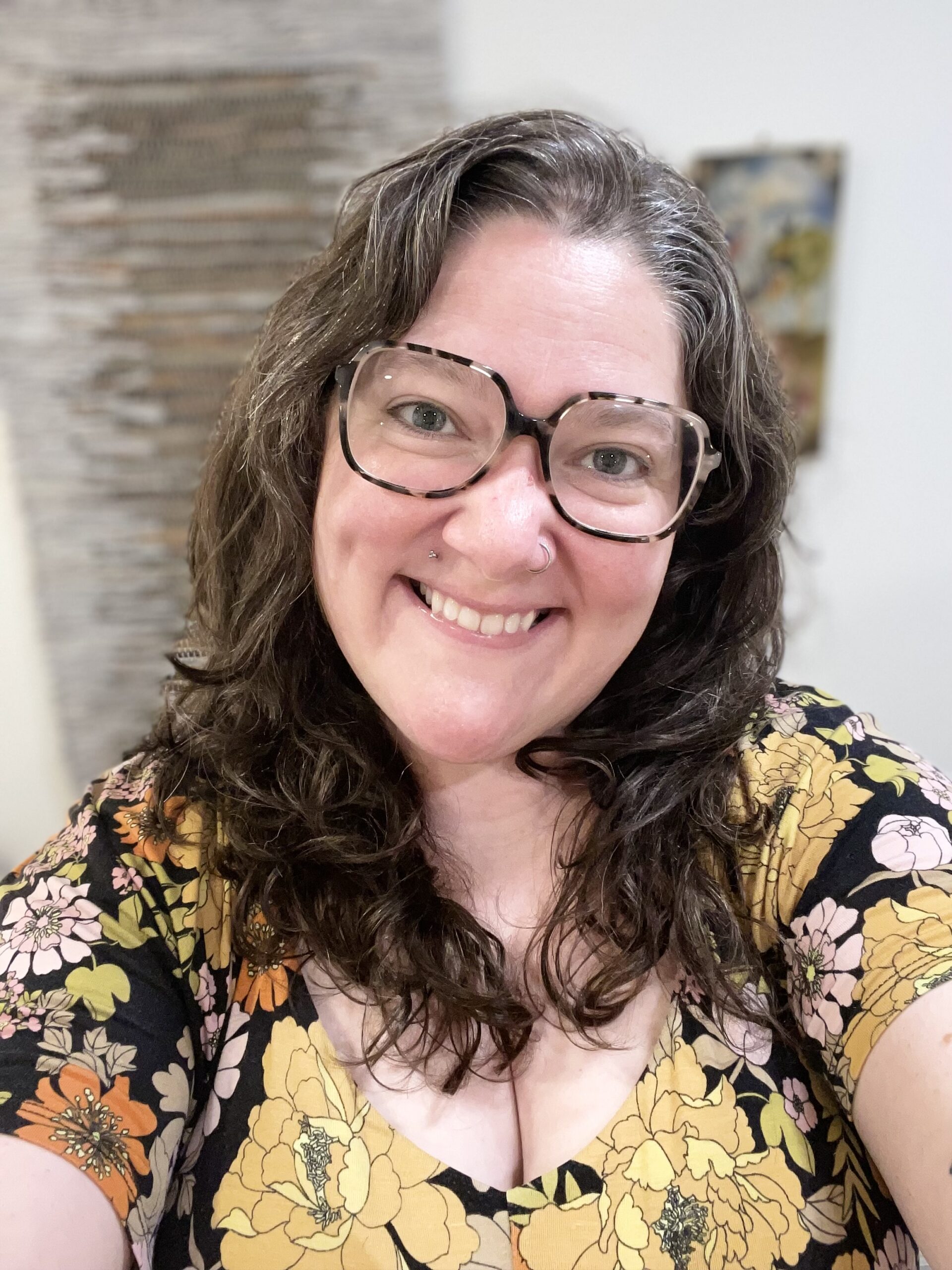
IFS with Somatic Experiencing and Brainspotting for religious and interpersonal trauma; in person and by video to rural Alabama.

IFS Institute Level 1 trained; parts work with Somatic Experiencing and Lifespan Integration by teletherapy for chronic illness and complex PTSD.
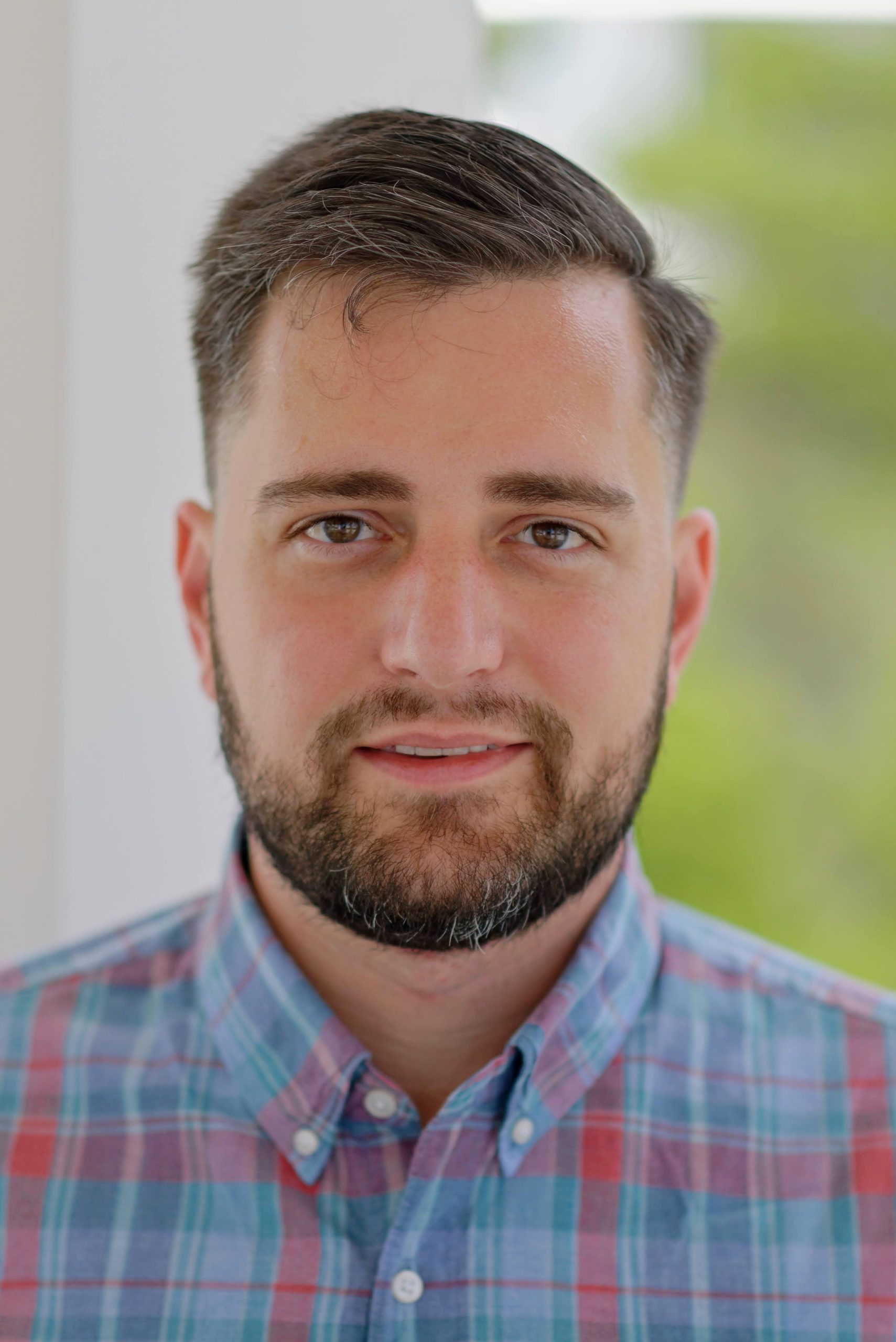
Parts work through Jungian complex theory with EMDR, Brainspotting and ETT for complex trauma and religious deconstruction.
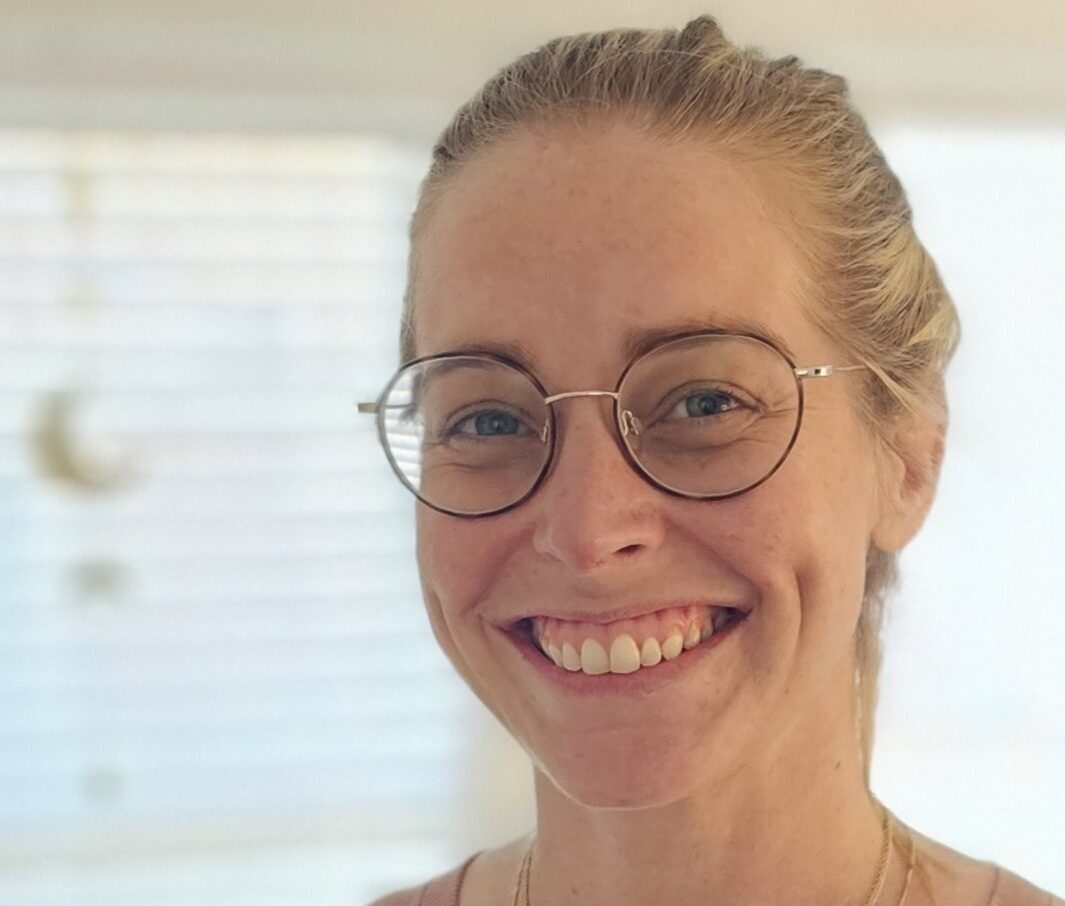
Parts work with dissociative disorders, spiritual crisis and religious abuse.

Cost, insurance and teletherapy
We accept Blue Cross Blue Shield of Alabama for most clinicians. Private-pay and out-of-network sessions are $250, with an income-based sliding scale, and we send a monthly superbill with the codes your insurer needs for out-of-network reimbursement. Secure video sessions are available anywhere in Alabama on the same sliding scale.
A look inside Taproot
Frequently asked questions
Is parts work the same as IFS?
IFS is the best-known model of parts work and most of our parts-based clinicians are IFS-trained. Parts-based therapy at Taproot also draws on ego-state therapy and Jung's theory of complexes, so we can match the frame to the client rather than the other way around. Our IFS page covers that model on its own.
Does having parts mean I have dissociative identity disorder?
No. Everyone has parts; that is how minds are organized. DID is a specific, severe form of dissociation in which parts are fully separated, and it needs specialized care that Alice Hawley and Marie Danner provide. For most people, parts work is simply the most accurate map of inner conflict.
Can parts work be done over video?
Yes. It is one of the most video-friendly therapies we offer, and Pamela Hayes and Robin Taylor see parts-work clients across Alabama online.
How long does it take?
Clients usually feel relief from a specific conflict within a few sessions once the parts involved are identified. Healing the exiled parts that carry complex trauma is longer work, measured in months.
Start parts work in Hoover or online
Your first call is a free 15-minute conversation with our intake coordinator, who matches you with the right clinician. Our office is off I-65 at the Riverchase exit in Hoover, about ten minutes from Vestavia Hills, Homewood and Mountain Brook and fifteen from downtown Birmingham, with free parking at the door.
Book onlineCall (205) 598-6471