We’ll examine how symbols, archetypes, and mythological themes manifest in the unfolding of political upheavals, social movements, and cultural shifts. From the fall of empires to the rise of new ideologies, we’ll uncover the deeper psychological forces at play.
Discover how design psychology contributes to the visual narratives and iconography surrounding historical events, shaping public perception and memory. We’ll analyze the role of propaganda posters, emblems, and architectural symbolism in influencing the masses and leaving a lasting imprint on the historical record.
Through this exploration, gain insights into the complex interplay between the individual and collective unconscious, and how they contribute to the making and remembering of history. Join us in unraveling the symbolic significance of historical events and the profound impact they have on our shared human experience.
Visit Taproot Therapy Collective at
2025 Shady Crest Dr. Suite 203,
Hoover, AL 35216
or call (205) 598-6471.
Web: www.GetTherapyBirmingham.com
Podcast: https://gettherapybirmingham.podbean.com/
I've been a trauma therapist for over a decade, and I've noticed something strange happening in the last few years. My patients aren't just coming in with anxiety or depression or PTSD. They're coming in with something harder to name—a pervasive sense that nothing...
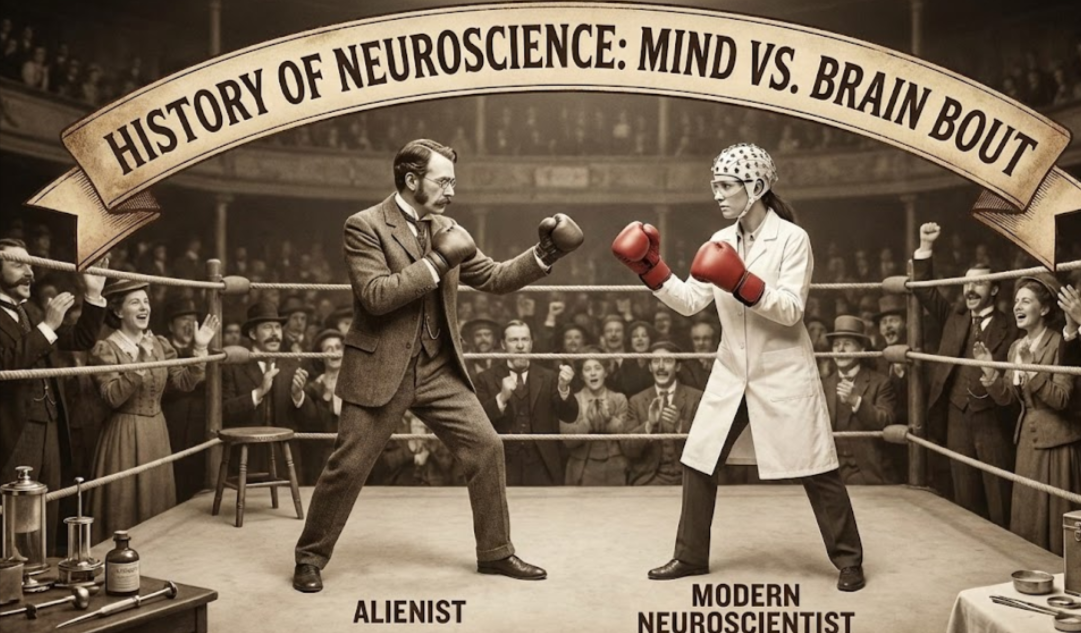
An exhaustive 15,000-word analysis of the history of neuroscience’s biggest feuds, from the Neuron Doctrine and the “Soup vs. Sparks” debate to modern conflicts over quantum consciousness and the “Jennifer Aniston” neuron. Covers Gazzaniga, Blake, Neumann, and the structural assumptions defining the field.
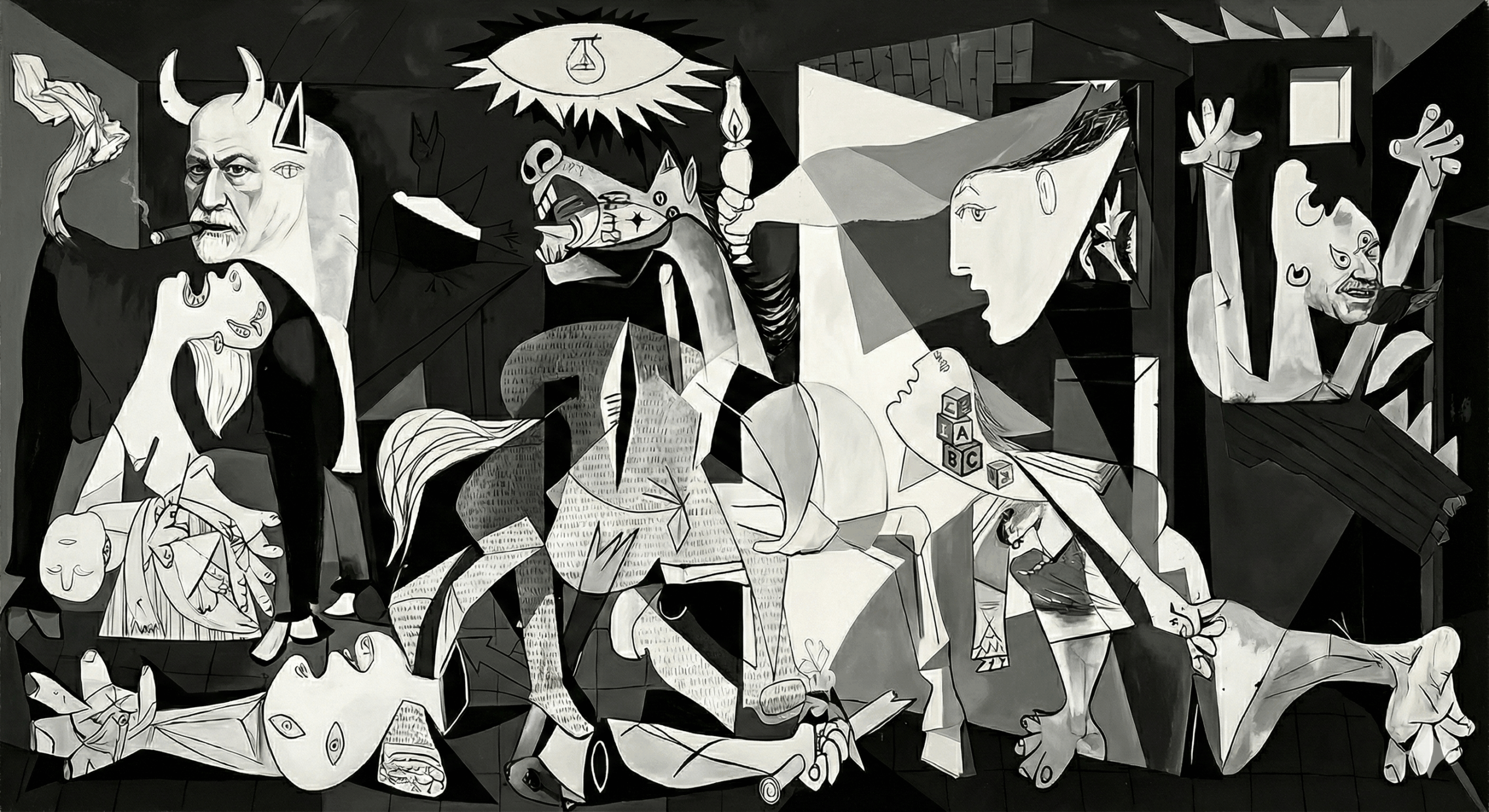
The analysis of the psychology of war reveals that the history of American conflict is a history of the human mind under extreme duress. From the nervous sensibility of the founding fathers to the moral injury of the modern drone operator the way we experience and understand war has evolved but the fundamental trauma remains the same. The work of theorists like Freud Jung Lifton and Shay provides a roadmap for understanding this trauma not as a pathology but as a deeply human response to the inhumanity of war. By integrating these insights into clinical practice and personal reflection we can begin the work of healing the wounds of history and perhaps breaking the cycle of violence that has defined so much of our past.
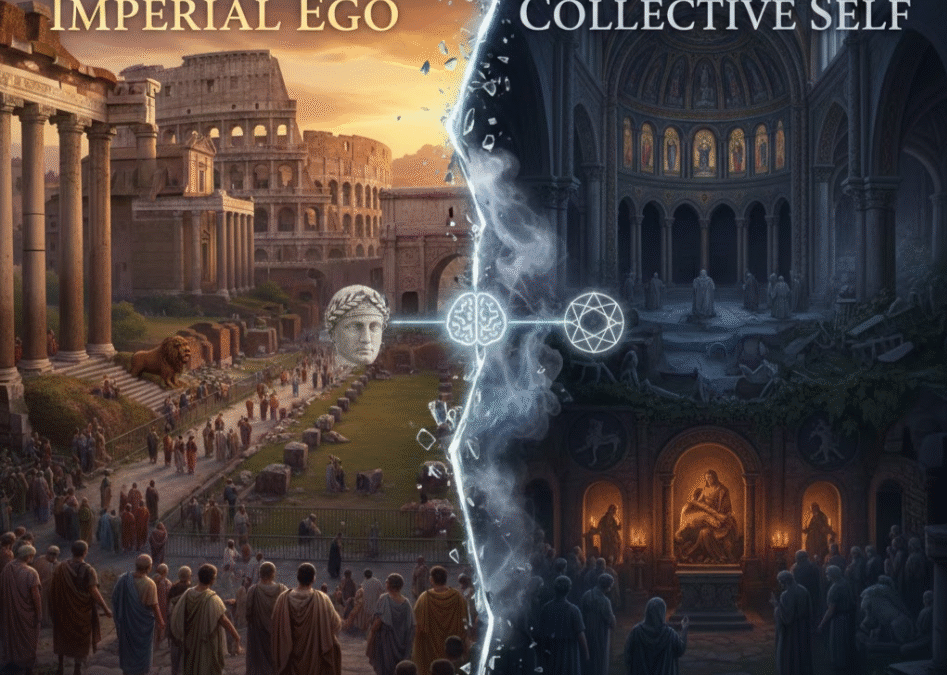
A Jungian analysis of Rome’s psychological collapse through Edward Edinger’s ego-archetype framework, exploring how the shattering of the Imperial Ego led to mass retreat into mystery cults, the rise of Christianity, and parallels with our current meaning crisis and cultural fragmentation.
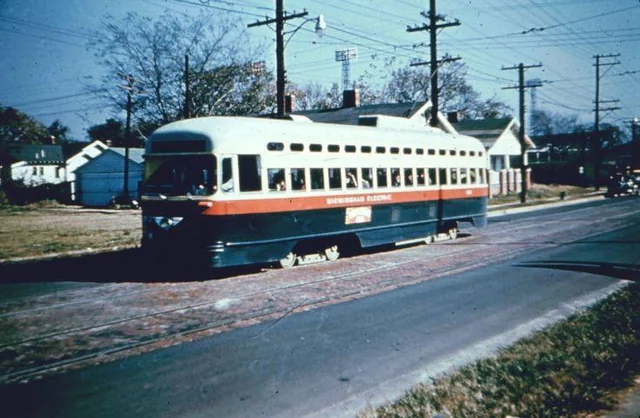
Birmingham’s streetcar system was deliberately destroyed in the 1950s. A Birmingham therapist explores how this shapes isolation in Mountain Brook and Vestavia Hills.
The Machine isn’t a conspiracy theory—it’s real, and it shapes Alabama politics and Birmingham professional life. Learn how institutional betrayal creates psychological trauma and how therapy can help you reclaim agency in rigged systems. Birmingham trauma specialist.
Why Mountain Brook, Alabama has no sidewalks—and how Robert Jemison’s 1920s automobile vision created modern isolation. A Birmingham therapist explores the mental health cost through New Urbanist principles.
Highway 280 wasn’t built to connect Birmingham’s suburbs—it was built to avoid the city entirely. A Birmingham therapist explores the mental health cost of bypass infrastructure and geographic avoidance.
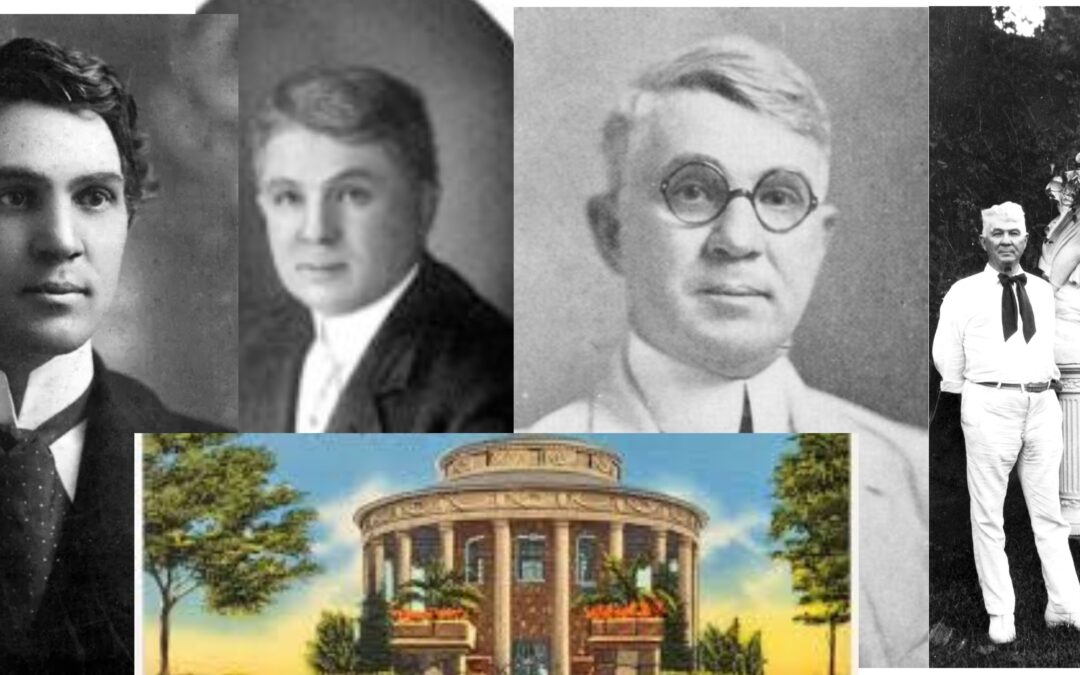
Explore the extraordinary life of George B. Ward (1867-1940), Birmingham’s visionary mayor who built a Roman temple on Shades Mountain. This comprehensive psychological analysis examines Ward’s trauma-driven obsession with order, his City Beautiful movement, his flirtation with fascism, and the mystery of his burned papers—revealing how one man’s battle between chaos and control shaped a city’s identity.
The untold story of George Ward’s Roman temple estate on Shades Mountain and how his pagan individualist vision was demolished and inverted into modern Vestavia Hills’ conformist achievement culture. From eccentric mayor to empty tomb, the psychological architecture of Alabama’s most paradoxical suburb.Retry