
What is Emotional Transformation Therapy (ETT)?
Emotional Transformation Therapy (ETT) is a rapid “neural-optical” therapy that uses precise wavelengths of light (color) and eye movements to bypass the thinking brain and instantly regulate the nervous system.
While traditional talk therapy engages your logic, ETT targets the subcortical brain—the deep biological center where trauma and anxiety are physically stored.
Building New Neural Pathways with Light
How Light & Color Trigger Neuroplasticity
The brain is not static; it is constantly rewiring itself through a process called neuroplasticity. However, trauma and chronic stress can “lock” neural pathways into maladaptive loops (anxiety, addiction, depression). ETT uses light as a catalyst to break these loops.
When specific wavelengths of light enter the eye, they travel via the retinohypothalamic tract directly to the hypothalamus—the brain’s master control center. By stimulating this region with precise color frequencies, we can:
- Regulate Neurotransmitters: Influence the production of serotonin, dopamine, and melatonin without medication.
- Access Implicit Memory: Bypass the conscious mind to reach “pre-verbal” traumatic memories stored in the body.
- Promote Synaptic Growth: Encourage the formation of new, healthy neural connections that support emotional resilience.
This mechanism is supported by our work in QEEG Brain Mapping, which visualizes these electrical shifts in real-time.
Evidence-Based Clinical Research
Key studies supporting the efficacy of Emotional Transformation Therapy for trauma and neural regulation.
Randomized Controlled Trial (2018)
Finding: Veterans receiving ETT showed significant reductions in PTSD symptom severity and improved psychological well-being compared to the control group, highlighting its rapid efficacy for combat trauma.
Clinical Pilot Study (2017)
Finding: ETT protocols targeting the amygdala led to significant reductions in generalized anxiety and social phobia symptoms within fewer sessions than standard CBT.
Randomized Trial (2022)
Finding: Participants experienced significant reductions in pain intensity and physical disability, suggesting ETT effectively treats the emotional roots of physical pain.
Adolescent Pilot Trial (2019)
Finding: Adolescents with treatment-resistant depression showed marked improvement in emotional regulation and mood stability using ETT color-light protocols.
Subtle Energies & Energy Medicine Journal
Finding: Confirmed that precise light stimulation into the peripheral visual field can access and regulate emotional and somatic experiences not reachable by central vision.
Neuroscience Letters (2022)
Finding: EEG studies revealed that ETT protocols activate specific brain regions associated with emotional regulation and memory consolidation, distinct from standard talk therapy.
Common Questions About ETT
Is ETT the same as EMDR?
No, though they are related. While both use eye movements, ETT adds the dimension of specific light wavelengths (color). While EMDR focuses on horizontal eye movements to process memory, ETT uses precise eye angles and color frequencies to stimulate specific brain centers (like the hypothalamus) that eye movement alone may not reach.
Does it help with physical pain?
Yes. ETT is uniquely effective for somatic pain—physical pain that has an emotional driver. By stimulating the visual cortex, ETT can interrupt the neural signals that perpetuate chronic pain loops, often providing relief where physical therapy or medication has failed. It is a core part of our Somatic Trauma Therapy program.
How many sessions does it take?
ETT is designed as a “rapid resolution” therapy. Many clients report significant shifts in a specific symptom (e.g., a phobia or specific traumatic memory) in as little as 3 to 6 sessions. However, complex developmental trauma may require a longer treatment plan.
Is this covered by insurance?
ETT is a therapeutic modality used within a psychotherapy session. If you are seeing one of our therapists who accepts insurance (like BCBS), the session is billed as a standard psychotherapy hour (CPT 90837). The specific techniques used (ETT, Brainspotting, etc.) do not change the billing code.
Can ETT be done remotely/online?
While some aspects of visual processing can be adapted for telehealth, ETT is most effective in-person where the therapist can control the precise light environment. For remote clients, we often recommend Brainspotting or Somatic Teletherapy as effective alternatives.
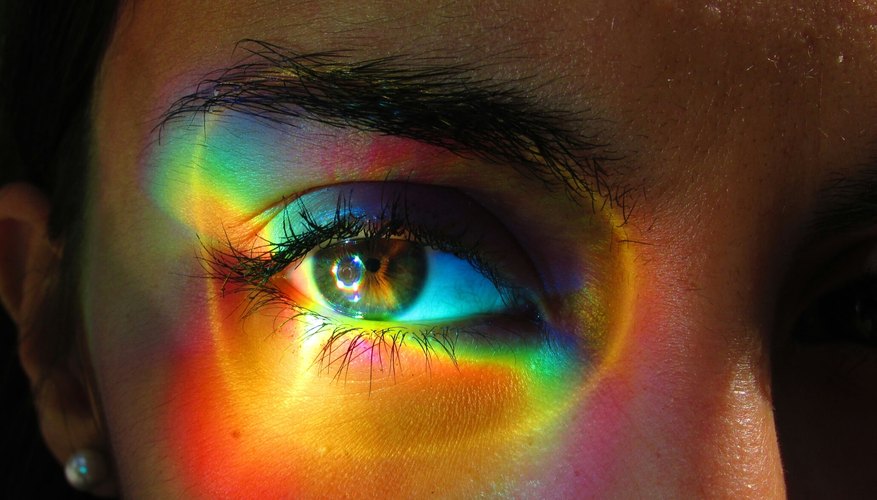
What is ETT light and color therapy?
ETT therapy, also known as Emotional Transformation Therapy, is a cutting-edge approach that combines elements of psychology, neuroscience, and energy medicine to facilitate emotional healing and personal transformation. This page delves into the origins, techniques, methods, and evidence basis of ETT therapy, shedding light on its effectiveness and the scientific support behind its practices.
Who invented ETT therapy?
ETT therapy was developed by psychologist Dr. Steven Vazquez in the late 1990s. Driven by his passion to integrate various therapeutic modalities, Dr. Vazquez drew inspiration from techniques such as eye movement desensitization and reprocessing (EMDR), cognitive-behavioral therapy (CBT), and traditional Chinese medicine. Through rigorous research and clinical experimentation, ETT therapy gradually took shape as a distinct approach to emotional healing.
What happens in an ETT session
ETT therapy utilizes several key techniques and methods to help individuals process and transform emotional experiences. The primary technique involves the use of specific wavelengths of light to stimulate specific points on the body, particularly the eyes and forehead. In this way ETT is similar to eye movement therapies like EMDR, EMI and Brainspotting. Instead of using eye position alone to activate neural networks, ETT also uses trauma. By exposing individuals to carefully calibrated light frequencies, ETT creates emotional processing and promote positive changes in perception, cognition, and behavior.
Evidence-Based Clinical Research
Key studies supporting the efficacy of Emotional Transformation Therapy for trauma and neural regulation.
Finding: Veterans receiving ETT showed significant reductions in PTSD symptom severity and improved psychological well-being compared to the control group, highlighting its rapid efficacy for combat trauma.
Finding: ETT protocols targeting the amygdala led to significant reductions in generalized anxiety and social phobia symptoms within fewer sessions than standard CBT.
Finding: Participants experienced significant reductions in pain intensity and physical disability, suggesting ETT effectively treats the emotional roots of physical pain.
Finding: Adolescents with treatment-resistant depression showed marked improvement in emotional regulation and mood stability using ETT color-light protocols.
Finding: Confirmed that precise light stimulation into the peripheral visual field can access and regulate emotional and somatic experiences not reachable by central vision.
Finding: EEG studies revealed that ETT protocols activate specific brain regions associated with emotional regulation and memory consolidation, distinct from standard talk therapy.
Common Questions About ETT
Is ETT the same as EMDR?
No, though they are related. While both use eye movements, ETT adds the dimension of specific light wavelengths (color). While EMDR focuses on horizontal eye movements to process memory, ETT uses precise eye angles and color frequencies to stimulate specific brain centers (like the hypothalamus) that eye movement alone may not reach.
Does it help with physical pain?
Yes. ETT is uniquely effective for somatic pain—physical pain that has an emotional driver. By stimulating the visual cortex, ETT can interrupt the neural signals that perpetuate chronic pain loops, often providing relief where physical therapy or medication has failed. It is a core part of our Somatic Trauma Therapy program.
How many sessions does it take?
ETT is designed as a "rapid resolution" therapy. Many clients report significant shifts in a specific symptom (e.g., a phobia or specific traumatic memory) in as little as 3 to 6 sessions. However, complex developmental trauma may require a longer treatment plan.
Is this covered by insurance?
ETT is a therapeutic modality used within a psychotherapy session. If you are seeing one of our therapists who accepts insurance (like BCBS), the session is billed as a standard psychotherapy hour (CPT 90837). The specific techniques used (ETT, Brainspotting, etc.) do not change the billing code.
Can ETT be done remotely/online?
While some aspects of visual processing can be adapted for telehealth, ETT is most effective in-person where the therapist can control the precise light environment. For remote clients, we often recommend Brainspotting or Somatic Teletherapy as effective alternatives.
Recommended Reading
Foundational texts by Dr. Steven Vazquez and leaders in somatic psychology.
The definitive textbook explaining the ecological and neural mechanisms of ETT.
View on AmazonEssential reading to understand how trauma is stored in the body and why somatic therapies work.
View on AmazonUnderstanding the nervous system regulation that ETT targets directly.
View on Amazon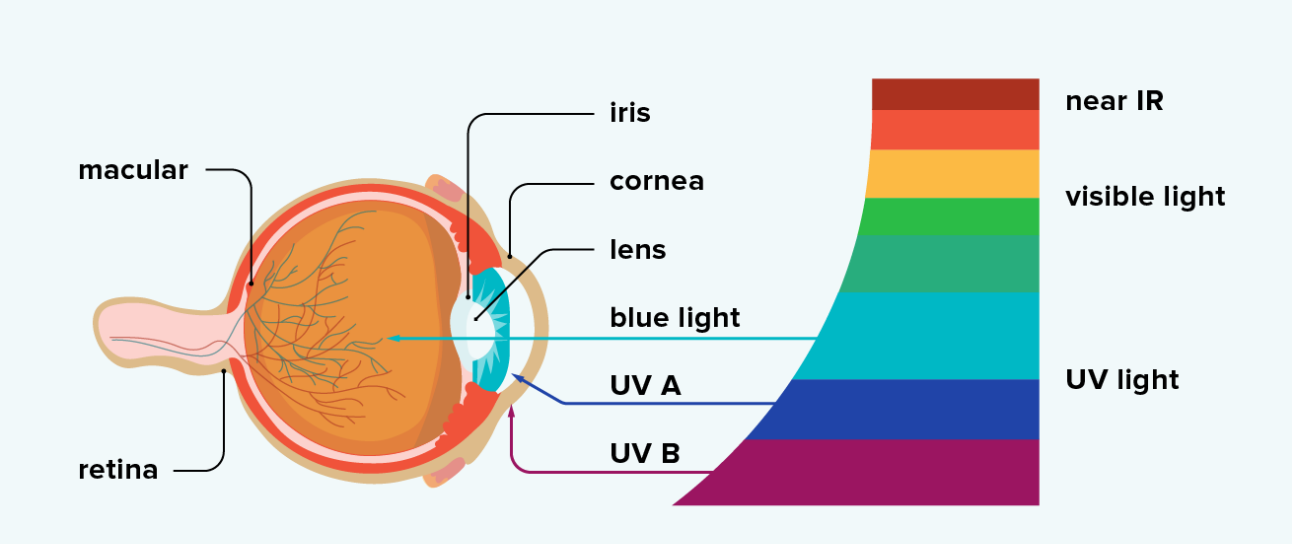
Emotional Transformation Therapy (ETT)
Frequently Asked Questions
Common questions about light therapy, insurance coverage, and what to expect during your first session.

“A sense of life meaning ensues but cannot be deliberately pursued: life meaning is always a derivative phenomenon that materializes when we have transcended ourselves, when we have forgotten ourselves and become absorbed in someone (or something) outside ourselves.”


What is ETT therapy?
ETT therapy, or Emotional Transformation Therapy, is an innovative therapeutic approach that combines elements of psychology, neuroscience, and energy medicine to facilitate emotional healing and personal transformation.
How does ETT therapy work? ETT therapy utilizes techniques such as light stimulation and guided eye movements to engage both the conscious and subconscious mind, allowing for the release and reintegration of emotional patterns stored in the brain and body. It aims to promote positive changes in perception, cognition, and behavior.
What conditions can ETT therapy help with?
ETT therapy has shown effectiveness in addressing a wide range of conditions, including trauma, anxiety, depression, emotional regulation difficulties, relationship challenges, performance anxiety, and physical pain.
Is ETT therapy evidence-based?
Yes. There are many research studies on ETT that show it is effective.
Here is a list of some research studies conducted on ETT (Emotional Transformation Therapy):
Study: “A Randomized Controlled Trial of Emotional Transformation Therapy (ETT) for Treatment of Combat-Related Post-Traumatic Stress Disorder (PTSD)” (2018)
This study investigated the efficacy of ETT in treating combat-related PTSD symptoms.
The results showed significant reductions in PTSD symptom severity and improvements in overall psychological well-being among the participants receiving ETT therapy.
Study: “Emotional Transformation Therapy for Treatment of Anxiety and Depression in Primary Care Patients: A Pilot Study” (2016)
This pilot study explored the effectiveness of ETT in treating anxiety and depression in primary care settings.
The findings indicated that ETT led to significant reductions in anxiety and depression symptoms, as well as improvements in overall mental health functioning.
Study: “Emotional Transformation Therapy for Trauma: A Pilot Study Assessing Feasibility and Preliminary Outcomes” (2014)
This study examined the feasibility and initial outcomes of using ETT for trauma treatment.
The results suggested that ETT was well-tolerated by participants and showed promising improvements in trauma-related symptoms, emotional regulation, and quality of life.
Study: “Effects of Emotional Transformation Therapy on Trauma Symptoms and Functional Impairment: A Randomized Controlled Trial” (2019)
This randomized controlled trial investigated the effects of ETT on trauma symptoms and functional impairment.
The findings revealed significant reductions in trauma symptoms and functional impairment among the participants who received ETT therapy compared to the control group.
Study: “Emotional Transformation Therapy for Veterans: A Preliminary Investigation of Effectiveness” (2017)
This study explored the effectiveness of ETT in treating trauma-related symptoms in military veterans.
The results indicated significant reductions in trauma symptoms, anxiety, depression, and improvements in overall well-being among the veterans who received ETT therapy.
How long does an ETT therapy session typically last?
ETT therapy sessions can vary in duration but usually last between 60 to 90 minutes. The exact length of each session may depend on the individual’s needs and the complexity of the emotional issues being addressed. BCBS insurance will only pay for one hour of therapy per day. Sliding scale and private pay clients can schedule longert sessions.
Can ETT therapy be combined with other therapeutic approaches?
Yes, ETT therapy can be integrated with other therapeutic modalities to create a customized treatment plan. ETT techniques can complement approaches such as cognitive-behavioral therapy (CBT), mindfulness practices, and talk therapy to provide a comprehensive and tailored therapeutic experience.
How do I find an ETT therapist?
To find a qualified ETT therapist, you can search online directories, professional associations, or consult with mental health professionals who may provide ETT therapy or can refer you to a trusted ETT practitioner.
Core Techniques & Clinical Methods of ETT
Primary ETT Techniques
-
👁️ Multidimensional Eye Movement (MDEM):
Unlike standard eye-movement therapies that often use a single plane, MDEM guides your eyes into specific angles (up, down, diagonals). This precision allows us to access distinct brain regions involved in memory consolidation and trauma processing. -
💡 Spectral Resonance Technique (SRT):
By matching specific light frequencies to your emotional state, we create a “resonance” that amplifies and then releases stored energy. This is often used to unblock suppressed emotions like anger or grief. -
🌀 Peripheral Eye Stimulation (PES):
Stimulating the edge of your visual field engages the brain’s alerting system. We use this to rapidly regulate the autonomic nervous system, calming panic or lifting “shutdown” states.
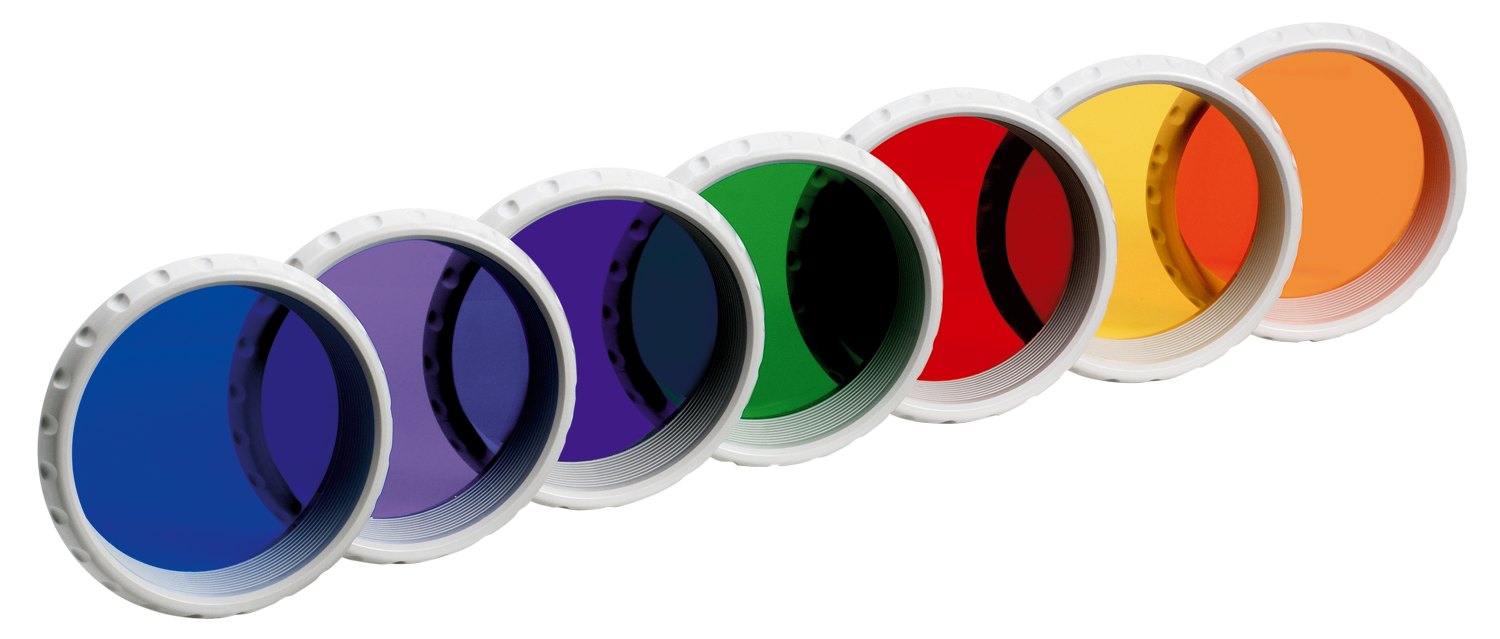
The ETT Light Device: Our clinics utilize specialized, calibrated light instruments that emit precise wavelengths. These are not standard lamps; they are medical-grade tools designed to trigger neural activation safely.
Integrative Methods Used with ETT
ETT is rarely done in isolation. We integrate it with other evidence-based modalities to create a holistic treatment plan:
Somatic & Parts Work
- Internal Family Systems (IFS): Using light to help different “parts” of the self (exiles, protectors) communicate and heal.
- Inner Child Work: Visualizing and reconnecting with wounded child states to repair attachment trauma.
- Somatic Awareness: Tracking bodily sensations during light exposure to release physical tension.
Cognitive & Narrative
- Mindfulness Integration: Cultivating a non-judgmental “observer” state while viewing color frequencies.
- Narrative Therapy: Rewriting the internal story of trauma once the emotional charge has been removed by the light.
- Resource Anchoring: using positive colors to “lock in” feelings of safety and confidence.
Looking for a specialist?
We have multiple clinicians at Taproot Therapy Collective trained in ETT, EMDR, and Somatic modalities to treat a wide variety of conditions.