
Lifespan Integration Therapy: A Comprehensive Guide to Timeline-Based Healing An in-depth exploration of Lifespan Integration therapy, its principles, protocols, and effectiveness for trauma healing. What is Lifespan Integration Therapy? Lifespan Integration (LI) is...

Who was Mesmer and WHat is Animal Magnetism?
From Mesmerism to Modern Psychotherapy: The Enduring Legacy of Franz Anton Mesmer and the Importance of Empirical Validation Franz Anton Mesmer, the 18th-century German physician, is often considered the father of modern hypnosis. His theory of animal magnetism, or...
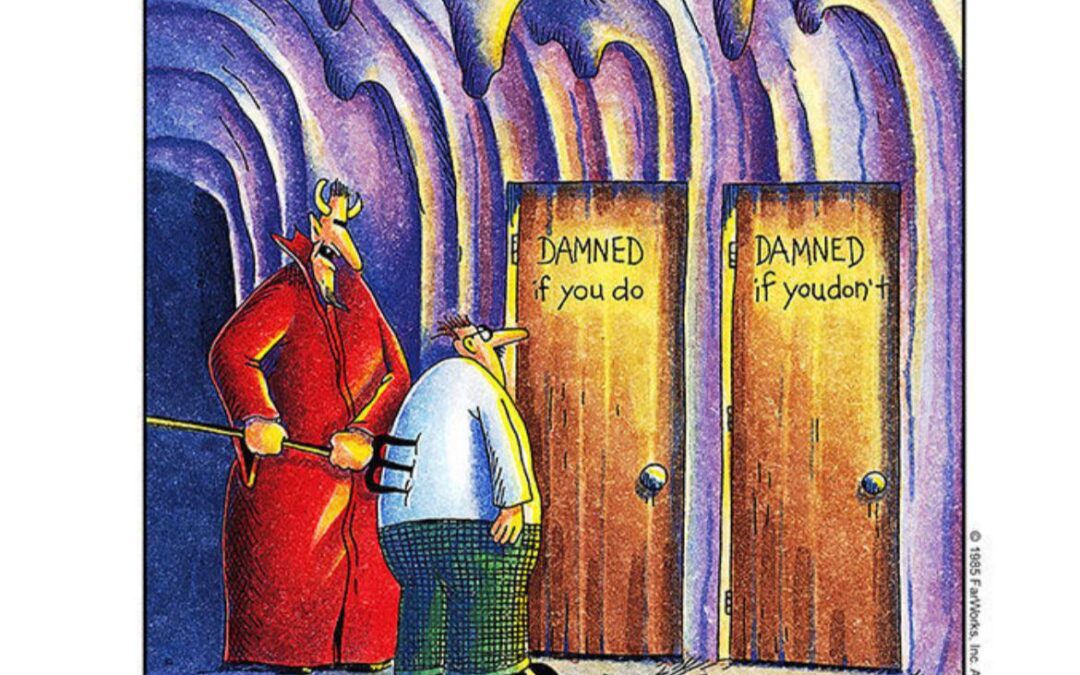
Trauma and The Double Bind: Learned Helplessness
Understanding the Lasting Impacts of Toxic Relationships The double bind theory, first proposed by Gregory Bateson and his colleagues in the 1950s, describes a type of dysfunctional communication and relationship pattern that can have devastating psychological...

Reclaiming the Soul of Psychology: Recentering the Study of Consciousness in Psychotherapy
Psychology, as a field, stands at a critical juncture. Over the past few decades, the focus has shifted away from the fundamental nature of human consciousness and towards a more mechanistic, symptom-focused approach to mental health. Manualized therapies, diagnostic...
The Healing Power of Humor: Finding Light in the Darkness of Trauma
The Counterintuitive Role of Humor in Trauma Recovery When clients first arrive at our Hoover clinic for trauma processing, they often carry an immense burden of reverence for their own suffering. There is an unspoken assumption that therapy must be a universally...

Unlocking the Power of Ericksonian Hypnosis: Crafting Personalized Guided Meditations
How to do Guided Meditation with Clients The renowned psychiatrist Milton H. Erickson was known for his unconventional yet highly effective approach to hypnosis and psychotherapy. One famous anecdote illustrates the essence of his technique: As recounted by Erickson's...

On Intuition and Trauma: Neurobiological Intersections and Mistaken Identities
This article explores the neurobiological overlap between intuition and trauma, showing how the residue of unhealed psychological wounds can masquerade as intuitive “gut feelings.” Drawing on research in neuroscience, depth psychology, and political science, it argues that distinguishing true intuition from traumatic conditioning is a crucial part of personal and collective healing. The article offers insights into how practices like mindfulness, depth psychotherapy, and shadow work can help recalibrate intuition and free it from the distortions of the past.

Consciousness as Integrated Information: Tononi’s Theory and Its Implications for Machine Consciousness
From Integration to Fragmentation: How a Radical Theory of Consciousness Explains Trauma The question of consciousness—how a physical brain creates our rich, subjective inner world—is one of science's deepest mysteries. For centuries, we've grappled with how fleeting...

Generational Cycles and Parts-Based Therapy: Understanding Generational Differences as Overreactions
The Generational Cycles of Trauma: A Parts-Based Perspective It has long been pointed out be different schools of therapy that the patterns that repeat in the individual psyche on a micro level also mirror the family system at a mezzo and the society at a macro level....

Intuition or Magic? The Brainstem-Intuition Connection
Unlocking the Power of Unconscious Processing and Pattern Recognition in the Context of Trauma What does the Subcorticle Brain Have to do with Intuition? The brainstem, often overshadowed by the more prominent prefrontal cortex, plays a crucial role in rapid,...