
Campus counseling centers are built for short-term support, and that's what most students need. This page is for the rest: the UAB student whose anxiety didn't resolve in six sessions, who has trauma the center isn't set up to treat, who suspects ADHD or autism and wants an actual evaluation, or who needs someone who'll still be there over the summer and after graduation. Taproot Therapy Collective is fifteen minutes down I-65 from UAB, in Hoover at the Riverchase exit, and every therapist sees students by secure video on the income-based sliding scale.
What UAB students come to us for
UAB sends us undergraduates far from home, graduate students in programs that eat sleep, and medical students and residents carrying what the wards showed them, which is its own thing and has its own page on physician burnout. Anxiety and panic that arrived with the workload. Trauma from before college or from something on campus. Suspected ADHD or autism, with a real evaluation and a brain map if you want data. Drinking that stopped being fun. Religious deconstruction, which is a lot of what happens in Alabama between eighteen and twenty-two. And the question of whether the program you're in is the life you want.
How we work with students
Somatic and brain-based methods rather than a weekly check-in: somatic therapy for a nervous system that never got a break, Brainspotting and EMDR for what happened, parts work for the perfectionist and the part that wants to quit. Sessions fit a class schedule, in the Hoover office or by video, and the National Institute of Mental Health and CHADD are the references we point students to alongside.
How it works at Taproot
- 1Free 15-minute intake call
Tell the coordinator where you are and whether you'd rather come to Hoover or do video.
- 2Match
You're paired with the clinician whose specialty fits, not the next open slot.
- 3Sessions
In the Hoover office or by secure video, whichever the week allows.
What UAB students bring, and where we start
| What's going on | What it usually is | Where we start |
|---|---|---|
| Panic before exams, can't sleep | A nervous system with no off switch | Somatic regulation |
| The counseling center's sessions ran out | Anxiety or trauma that needs more | Matched with a specialist |
| Something happened, before college or on campus | Trauma the body is still holding | EMDR or Brainspotting with Marie or Brittany |
| Residency or clinical rotations wearing you down | Healthcare burnout | Brittany Gray |
| Can't focus, never could | Undiagnosed ADHD or autism | Evaluation and a brain map with Dr. Mishalanie |
| Drinking that stopped being fun | Early substance problem | Kristi Wood |
| Losing the faith you came with | Religious deconstruction | Robin or Alice |
| Not sure this program is the life you want | A meaning question | Existential work |
Is therapy for uab students right for me? A 30-second check
Therapists who work with UAB students
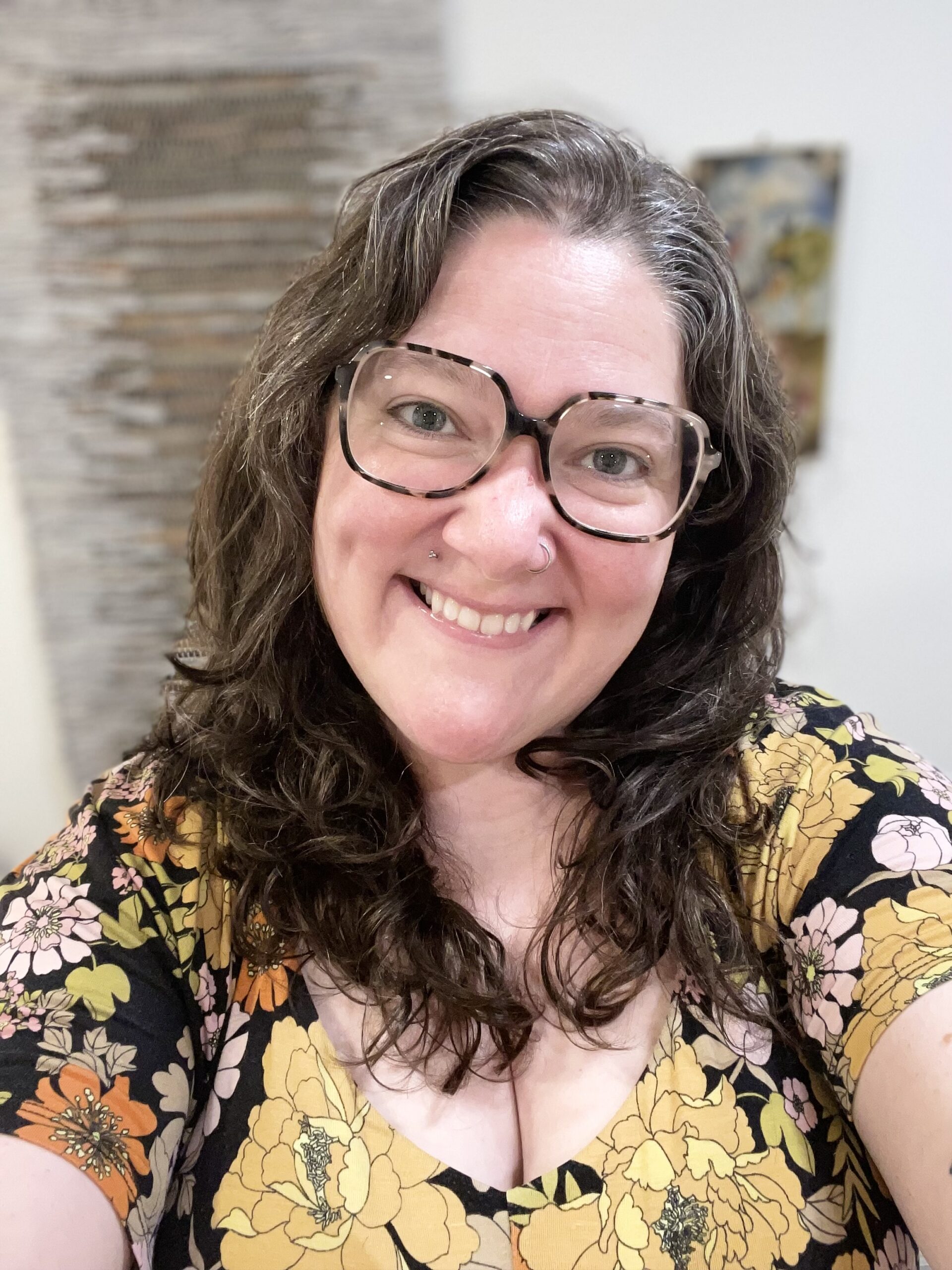
Religious deconstruction and LGBTQ+ affirming care; Somatic Experiencing and IFS, mostly by video.
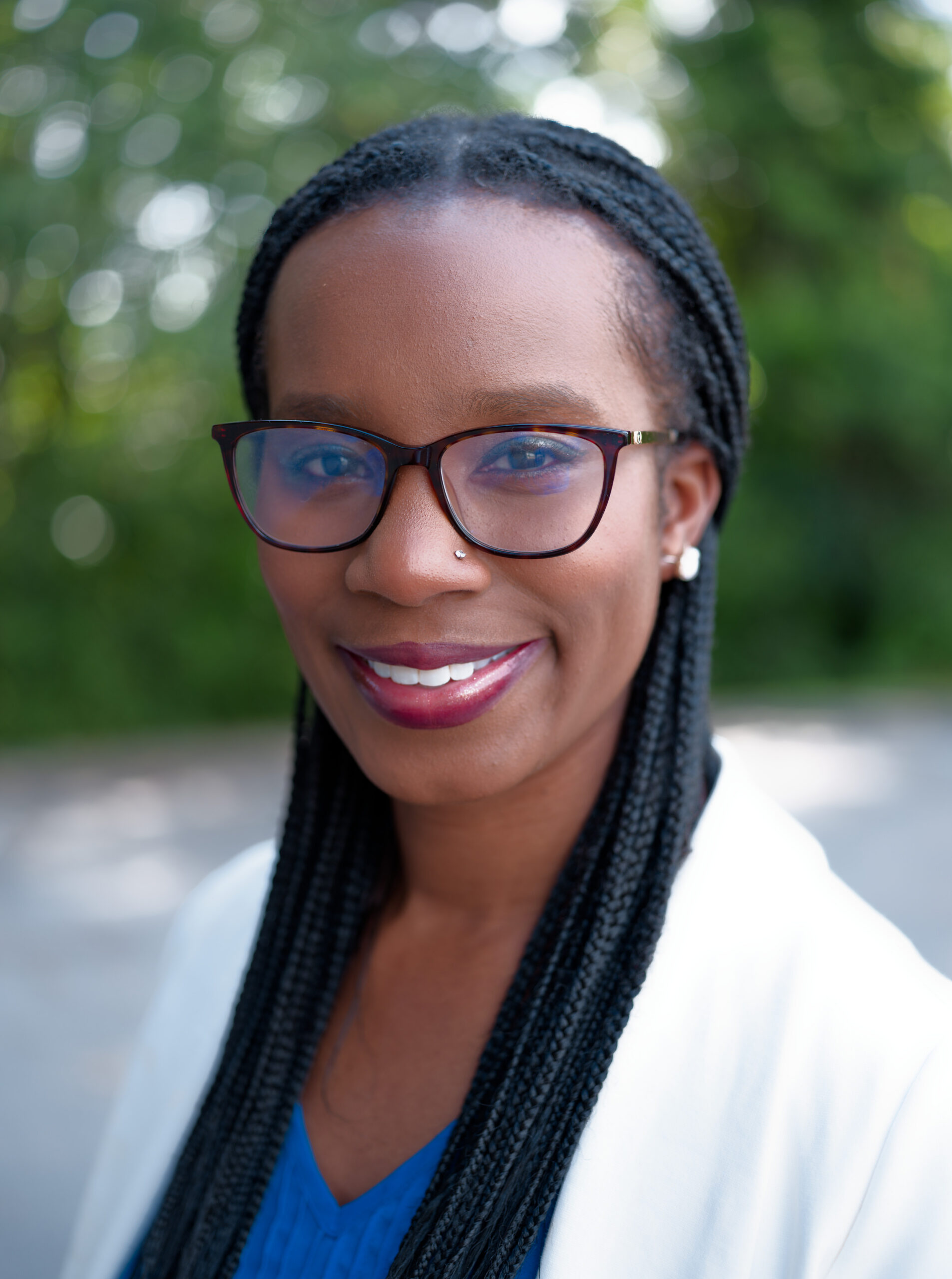
Burnout in physicians, nurses and residents, grief and trauma; EMDR and Brainspotting.
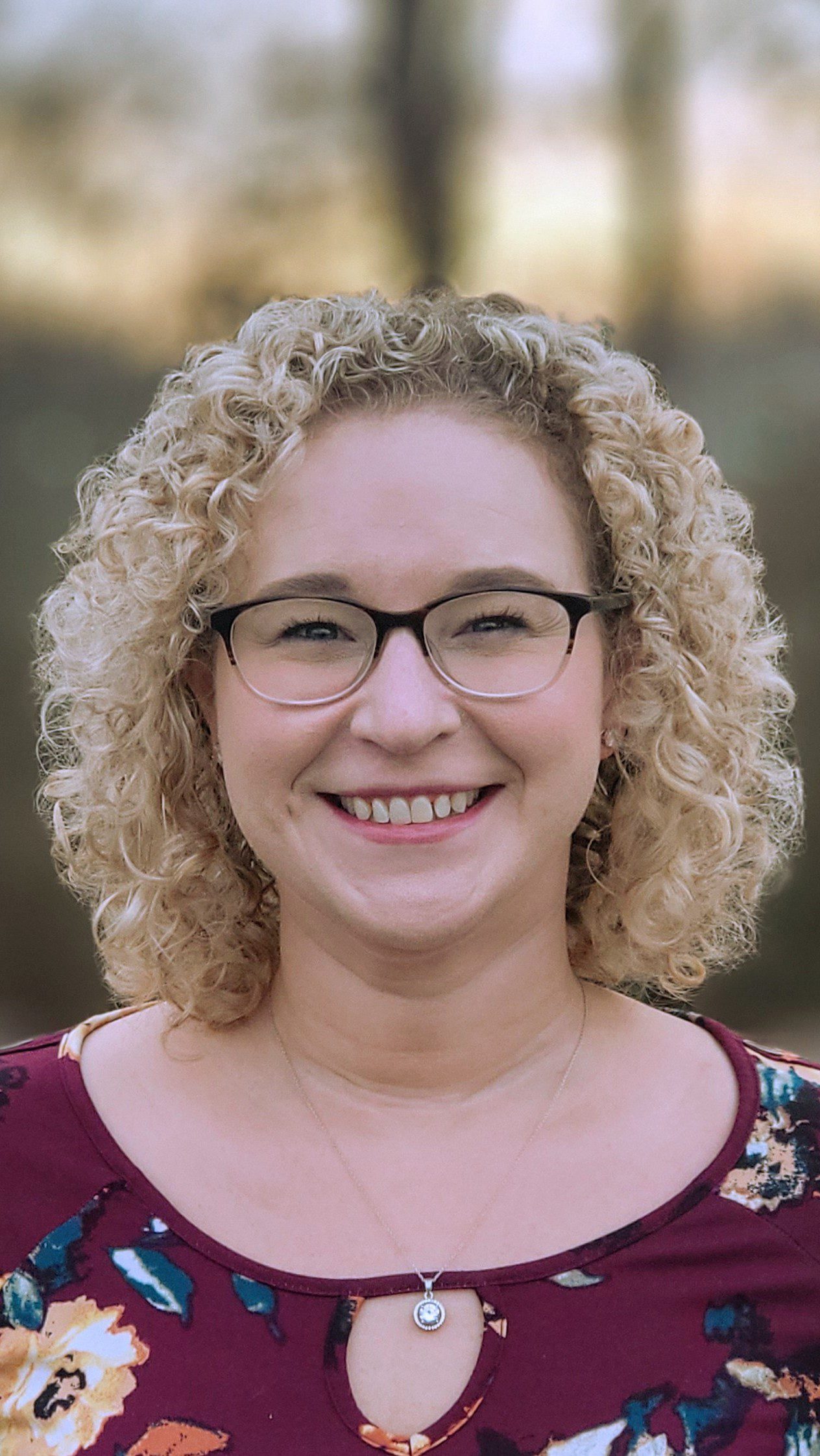
Trauma from before college or from something on campus, and traumatic grief; Lifespan Integration and Brainspotting.
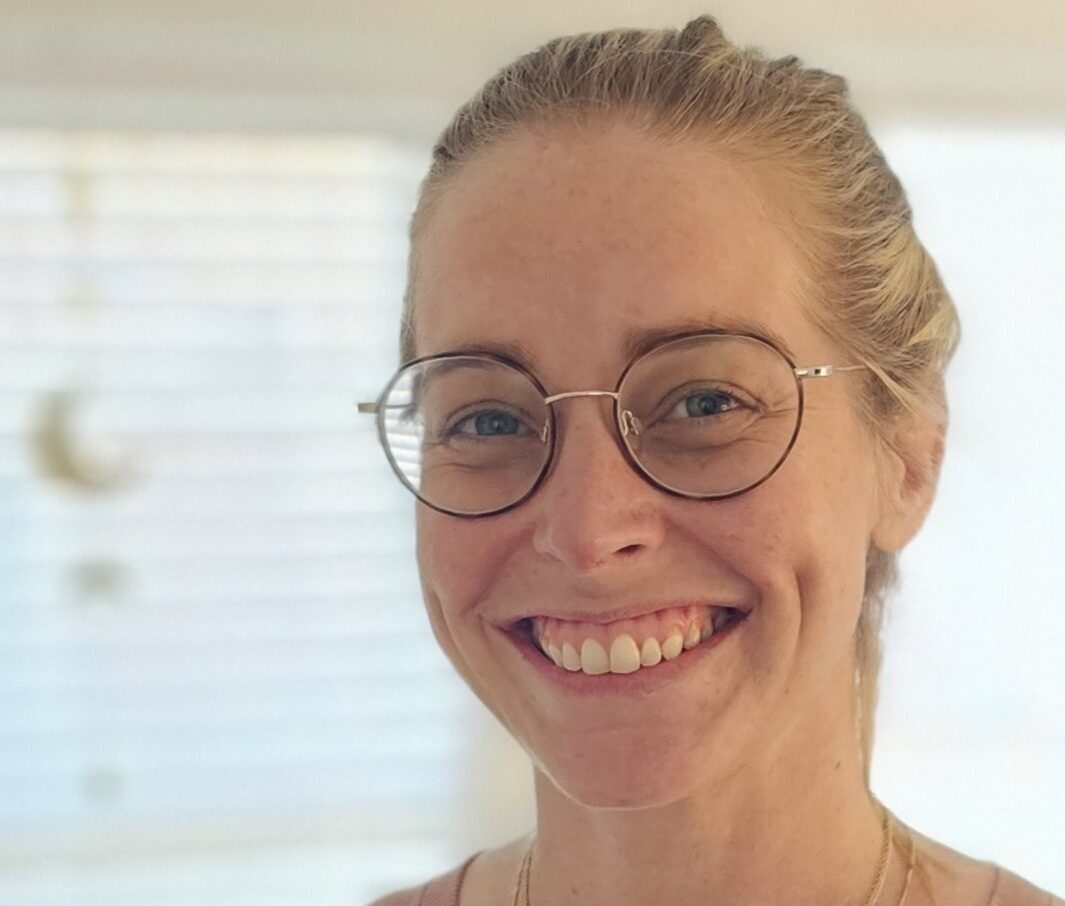
Spiritual crisis and religious abuse, and gender and sexuality questions; EMDR and Brainspotting.
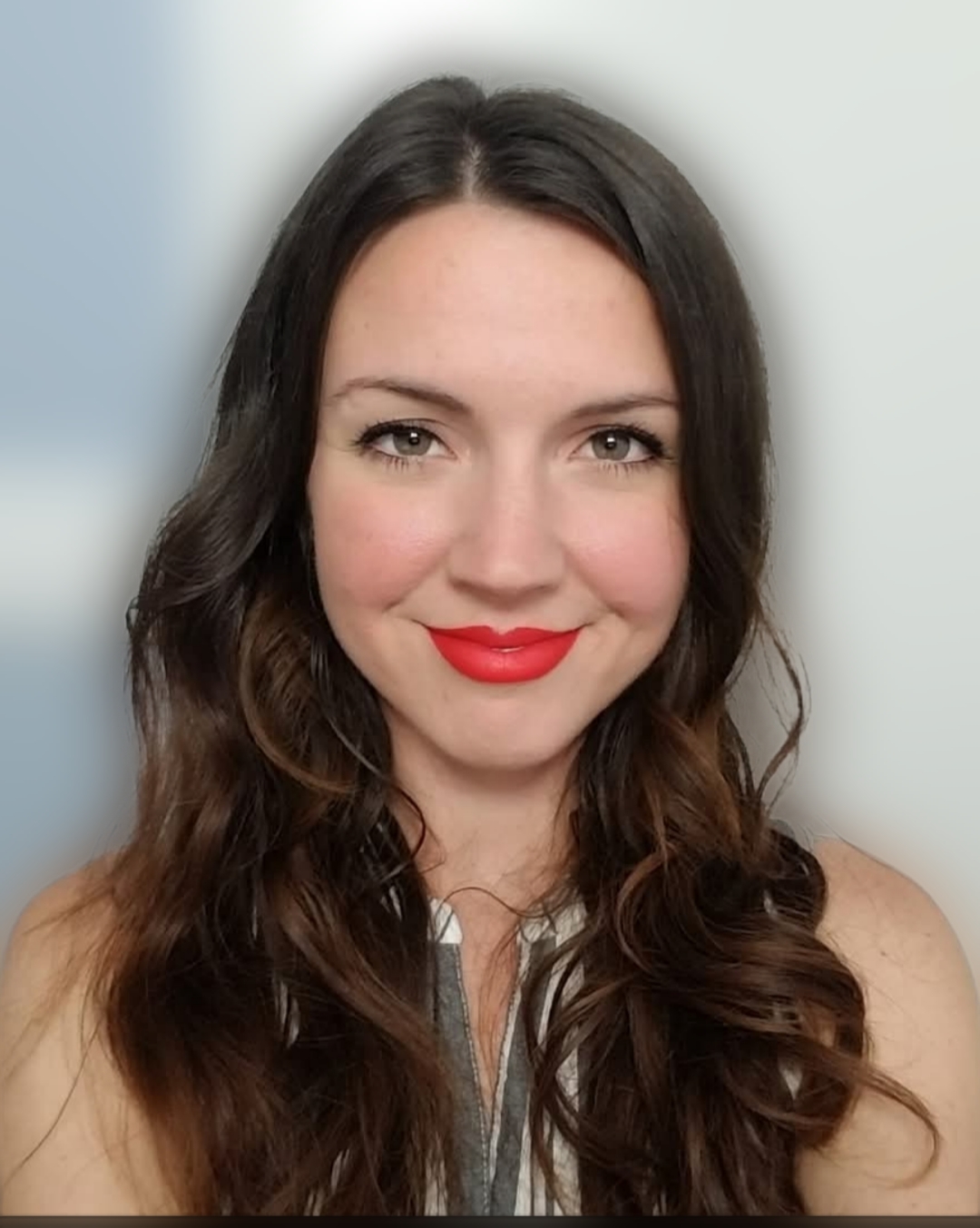
Pure OCD, chronic illness and complex PTSD, by video anywhere in Alabama, including over breaks.
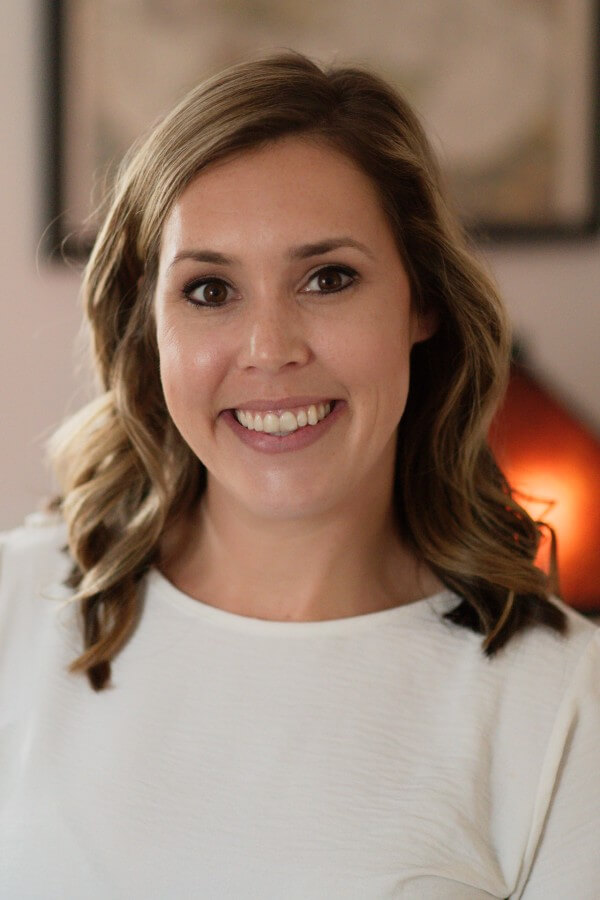
Drinking and using that stopped being fun, attachment, anxiety; polyvagal therapy and Brainspotting.
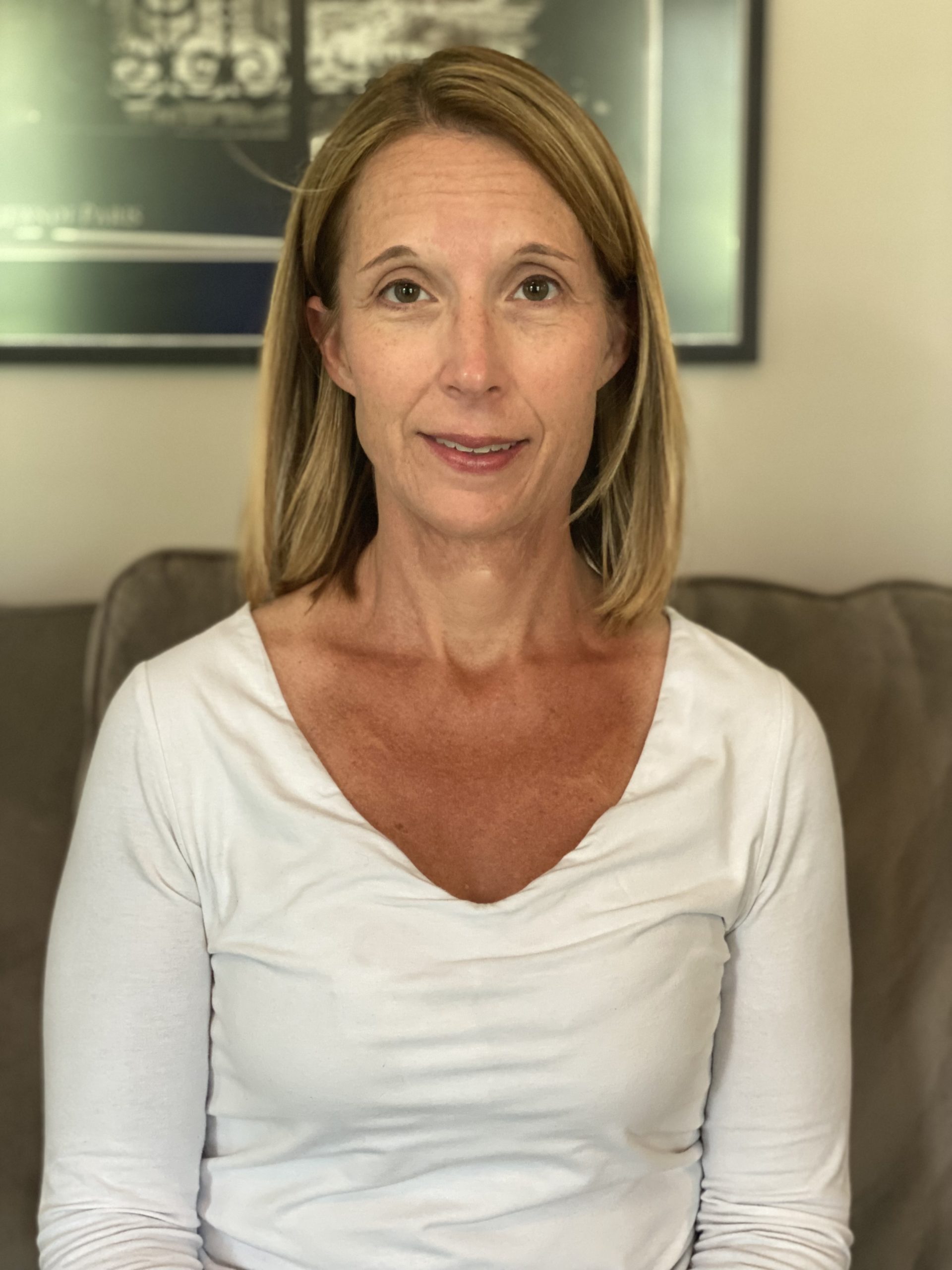
Younger students and the transition from home; DBT skills.
Cost, insurance and teletherapy
We accept Blue Cross Blue Shield of Alabama for most clinicians. Private-pay and out-of-network sessions are $250, with an income-based sliding scale, and we send a monthly superbill with the codes your insurer needs for out-of-network reimbursement. Secure video sessions are available anywhere in Alabama on the same sliding scale.
Therapy in Birmingham for anxiety and trauma
Frequently asked questions
Can I keep seeing you over breaks and after graduation?
Yes. Video anywhere in Alabama means the relationship doesn't reset every semester, and it continues after you graduate.
What does it cost as a student?
The income-based sliding scale exists for exactly this. If you're on a parent's Blue Cross Blue Shield of Alabama plan, most of our clinicians are in network; if you'd rather your parents not see a claim, private pay on the sliding scale keeps it off insurance.
I'm a medical student or resident. Is this confidential?
Yes, and we know why you're asking. Nothing goes to your program, private pay never touches insurance, and the licensing-question fear is something we'll talk about plainly on the intake call. Our physician burnout page covers it.
Will you coordinate with the campus counseling center or disability services?
With your permission, yes, including documentation for accommodations after an ADHD or autism evaluation.
Start therapy as a UAB student, in Hoover or by video
Your first call is a free 15-minute conversation with our intake coordinator, who matches you with the right clinician. Our office is off I-65 at the Riverchase exit in Hoover, about ten minutes from Vestavia Hills, Homewood and Mountain Brook and fifteen from downtown Birmingham, with free parking at the door.
Book onlineCall (205) 598-6471