
Most autistic adults we see were never diagnosed; they were told they were anxious, difficult, too sensitive or too much, and they spent decades masking until they burned out. At Taproot Therapy Collective in Hoover, minutes from Birmingham, we offer neurodivergent-affirming therapy for autistic adults, late-diagnosed women and children: not to fix autism, but to treat the anxiety, shutdown and trauma that come from living unseen, with QEEG brain mapping and neurofeedback for the regulation problems that ride alongside. In person or by secure video anywhere in Alabama; Blue Cross Blue Shield of Alabama accepted for most clinicians.
Autism in adults and why it's missed
The National Institute of Mental Health describes autism as differences in social communication and in patterns of behavior, interests and sensory response. What that misses is what autistic adults describe: the exhaustion of running a social script all day, sensory environments that hurt, shutdowns after overwhelm, and a lifetime of being misread. Women and people who learned to mask well are diagnosed late or never. The Autism Society, AANE and the Autistic Self Advocacy Network are the resources we recommend alongside therapy.
Who this page is for
Adults who suspect they're autistic. Women who recognized themselves at forty. People diagnosed with anxiety or depression for years while the real question went unasked. AuDHD, the overlap with ADHD. Autistic burnout, where masking finally costs more than you have. Trauma from being bullied, misread or pathologized. And autistic children and teens whose parents want a therapist who won't try to train the autism out of them.
How we work with autism at Taproot
Affirming, first. The goal is a life shaped to your nervous system, not a nervous system reshaped to the world. Somatic therapy treats the sensory and shutdown side directly. Parts work gives the masking part and the exhausted part a way to negotiate. Brainspotting processes the trauma of years of misreading without requiring you to narrate it. When regulation is the problem, a QEEG brain map at the office shows what's happening and neurofeedback can help with overload, anxiety, sleep and attention. And when the question is whether it's autism, ADHD or trauma, the map plus Dr. Mishalanie's evaluation is the most honest answer available.
How it works at Taproot
- 1Free 15-minute intake call
Tell the coordinator what's going on; you'll be matched with Dr. Beech, Dr. Mishalanie, Becky or Robin depending on age and what you need.
- 2First sessions
History and what you've already tried, in the Hoover office or by secure video.
- 3Treatment
Affirming therapy in person or by video; evaluation and neurofeedback at the office when wanted.
What autistic adults bring to us, and what we do about it
| What you're dealing with | What's usually underneath | Where we start |
|---|---|---|
| Burnout: you can't mask anymore | Years of running a script | Somatic therapy and rest, then parts work |
| Sensory overload, shutdowns | Nervous system with no margin | Somatic regulation; neurofeedback if the map supports it |
| Is it autism, ADHD or trauma? | Often more than one | QEEG brain map and evaluation with Dr. Mishalanie |
| Anxiety and depression that never resolved | Unrecognized autism | Affirming therapy; treat the real thing |
| Trauma from being misread or bullied | Complex PTSD | Brainspotting |
| An autistic child struggling at school | Environment and family system | Becky Milstead |
Is autism therapy right for me? A 30-second check
Autism clinicians in Hoover
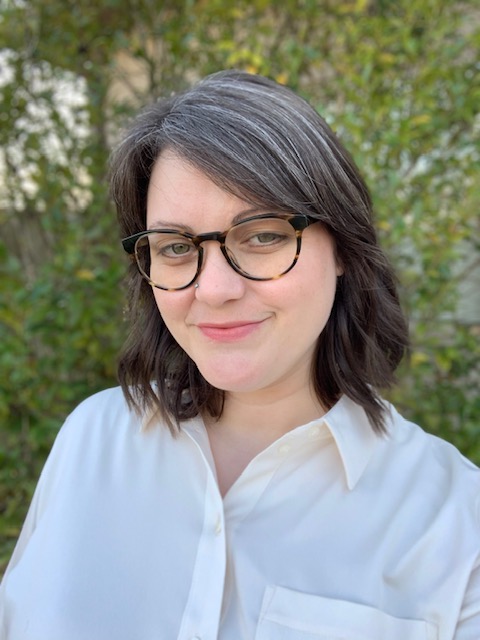
Neurodivergent herself; late-diagnosed autism and ADHD in women, the anxiety that hides it, and perinatal care for autistic mothers.
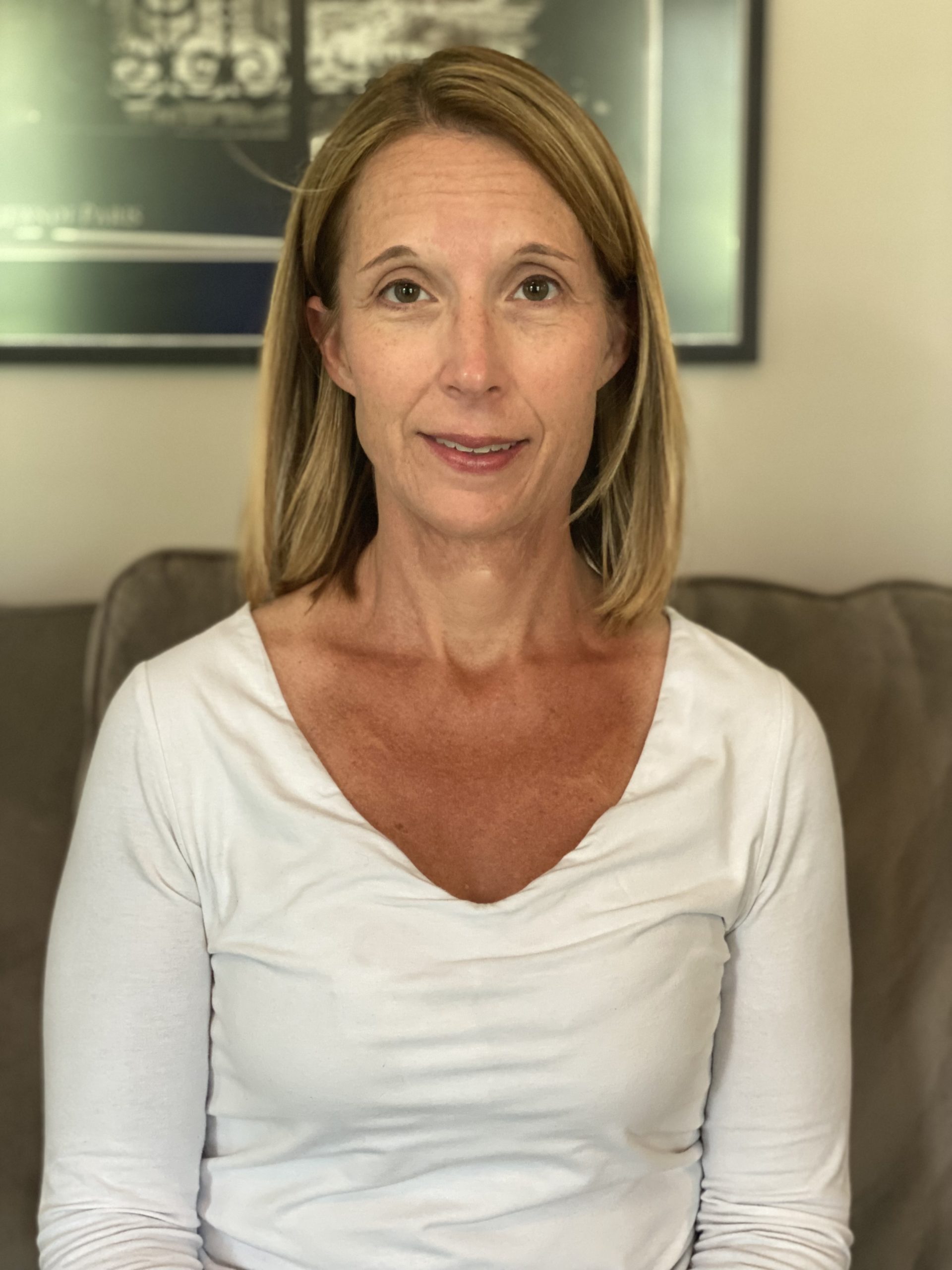
Licensed psychologist; autism evaluation in adults and children, QEEG brain mapping and neurofeedback for regulation, office only.
Autistic children and teens and the families and schools around them.
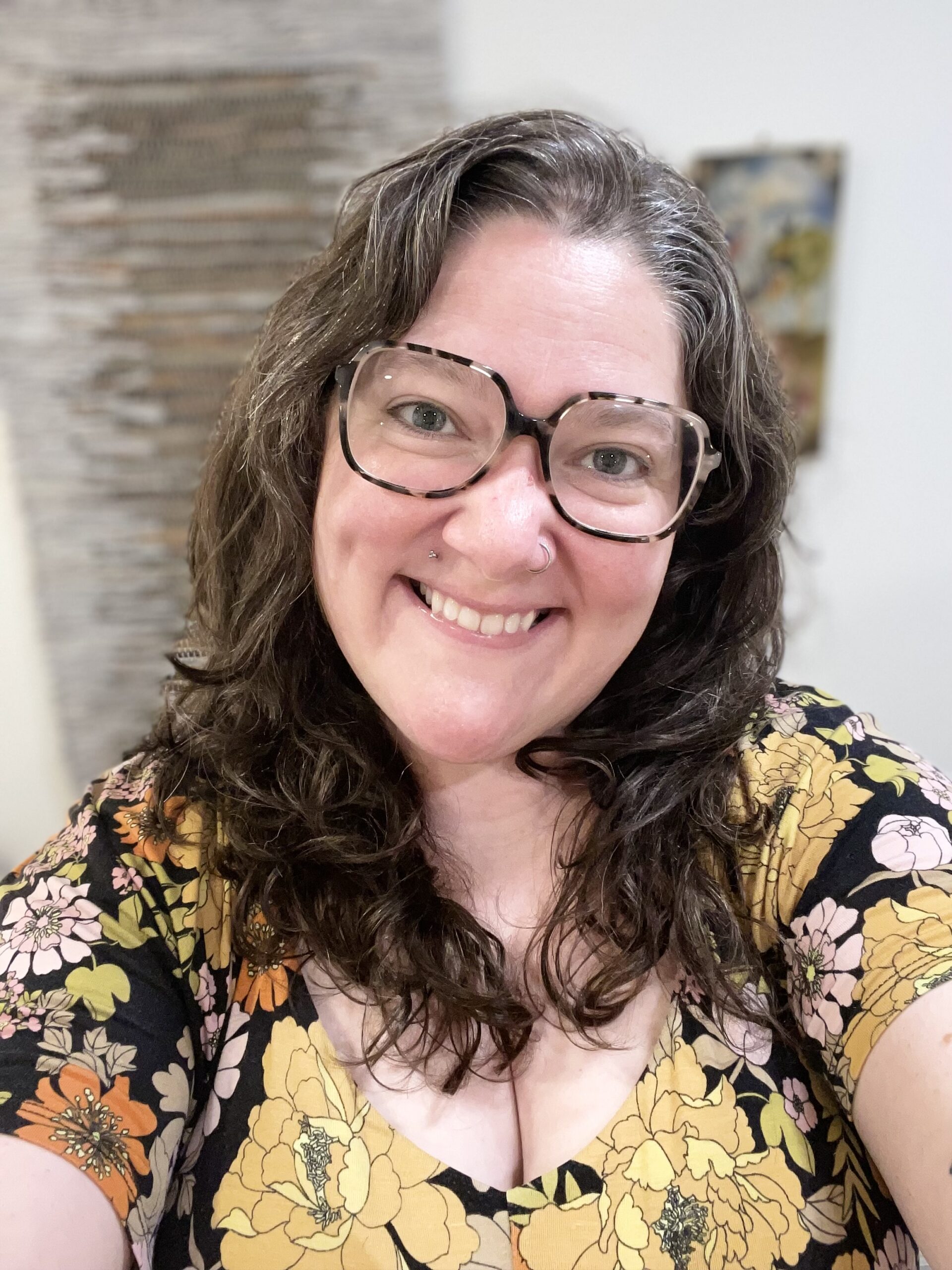
Autistic adults with religious or interpersonal trauma and the freeze response; Somatic Experiencing and IFS, in person or by video.

Cost, insurance and teletherapy
We accept Blue Cross Blue Shield of Alabama for most clinicians. Private-pay and out-of-network sessions are $250, with an income-based sliding scale, and we send a monthly superbill with the codes your insurer needs for out-of-network reimbursement. Brain mapping and neurofeedback are billed separately from psychotherapy and quoted on the intake call. Secure video sessions are available anywhere in Alabama on the same sliding scale.
Frequently asked questions
Do you diagnose autism in adults?
Dr. Mishalanie is a licensed psychologist and can evaluate autism in adults in the context of a clinical interview and, when useful, a QEEG brain map. Tell the coordinator you want an evaluation. If you want the formal answer without treatment, we'll tell you what the evaluation can and can't do before you book.
What does neurodivergent-affirming mean here?
We don't treat autism as something to fix. We treat the anxiety, burnout, shutdown and trauma that come from decades of masking in a world built for someone else, and we help you build a life that fits your nervous system instead of fighting it. Dr. Haley Beech is neurodivergent herself.
Can neurofeedback help autism?
It can help with the regulation problems that often come with it: sensory overload, anxiety, sleep and attention. It does not change who you are and we don't offer it as if it could. Dr. Mishalanie reviews the map with you and says plainly what it's for.
Do you see autistic children?
Yes. Becky Milstead works with children and teens and the families and schools around them, and neurofeedback for children is available at the office.
Start affirming autism therapy in Hoover or online
Your first call is a free 15-minute conversation with our intake coordinator, who matches you with the right clinician. Our office is off I-65 at the Riverchase exit in Hoover, about ten minutes from Vestavia Hills, Homewood and Mountain Brook and fifteen from downtown Birmingham, with free parking at the door.
Book onlineCall (205) 598-6471