
Neurostimulation and qEEG
Brain Mapping
Heal faster than talk therapy alone. It is possible to reduce symptoms of ADHD, depression, anxiety, and PTSD quickly without medication using completely personalized qEEG brain mapping and neurostimulation treatments.
Alabama Statewide Treatment Access
We provide specialized Lifespan Integration and trauma-informed care via secure, HIPAA-compliant teletherapy to clients across the entire state of Alabama. Select your university or region below to connect with a provider.
Student Mental Health
Regional Service Areas
Heal Trauma and Build New Neural Pathways in the Brain
How do neurostimulation and brain mapping sessions work?
Step 1: Brain Mapping
A map of the brain is made with qEEG. The brain map shows clinicians where the brain functioning well and where it is getting “stuck“. This can tell you more information about your diagnosis than testing alone. Based on your unique brain map a neurostimulation plan made.
The brain has many phases or types of thinking that the brain map can let you and your therapist better understand your unique psychology and the “flavor” of the disorder you are treating. The map can help you and your therapist understand your brain.

Step 2: Neurostimulation
During neurostimulation you wear a cap with electrodes that can mimic the frequency of the neurons in your brain. The cap uses frequencies called phases that mimic the natural way that neurons talk to each other in the brain.
The cap can directly “talk” to the neurons in the brain during stimulation sessions. The stimulation opens new neural pathways and teaches the brain new tricks, like how to focus or better tolerate stress and pain. Over active or underactive parts of the brain can be turned up or down. +

Step 3: Neurofeedback
Once neurostimulation makes new neural pathways and opens new connections we use neurofeedback to reinforce them and make them stronger. This makes the progress potentially permanent without medication or expensive long term therapy.
This can boost concentration, improve focus, increase athletic and academic performance, or make learning easier. It can also reduce symptoms of depression, anxiety, bipolar disorder, trauma and ASD autism spectrum disorder quickly and less expensively than other methods.
What happens in a neurostim session?
1. First your brain is mapped. A brain mapping clinician goes over the map with you and explains where your brain is healthy and what functioning is blocked.
2. Second, you complete neurstimulation to open new creative pathways and regain lost functioning.
3. Third, neurofeedback is used to help your brain strengthen the new neural pathways created by neurostim.
What’s the difference in Neurofeedback, TCMS, Biofeedback, MCNF, and Neurostimulation?
Microcurrent neurofeedback, biofeedback, and transcranial magnetic stimulation are older technologies that use different kinds of frequencies to wash the whole brain with digital white noise and “reset” it.
Neurostimulation uses a more gentle frequency that mimics your brains natural phases to “talk” to the brain.
Neurostimulation is the only technology that creates an individualized plan. This plan can stimulate different parts of the brain with different frequencies at the same time to facilitate the creation and reprogramming of new neural pathways.
What conditions neurostimulation and brain mapping treat?
Simply put it neurofeedback and neurostimulation treat too many conditions to list here. Bipolar disorder, anxiety, depression, PTSD, ASD autism spectrum disorder, dissociation, mood disorders, chronic pain and childhood emotional disorders are just a few of the conditions research shows neurostimulation can improve. Additionally neurostimulation can improve outcomes in eating disorders and substance abuse recovery.
What can a brain map tell me about how I think?
The neurons in your brain acomplish different types of thinking by synchronizing together at different frequencies. Each of these frequencies is a different kind of cognition or “style” of thiking. If you have ever taken an MBTI or an eneagram you have seen how we often prefer to think one way while avoiding other modes of thought. This is too our detriment” No one way of thinking is “good” or “bad” but when our neurons get stuck in one type of cognition we often get stuck in life.
Bad habits, chronic pain, stress, or emotional outbursts can be caused by our neural pathways clinging to a rigid mode of thinking that is keeping us from changing and growing. Your brain’s map can help you understand what you need to change. You can use the map not only to build a neurostimulation plan, but also to discover the best type of therapy for you and what you need to heal. You can use the brain map at Taproot, with a therapist from somewhere else or just to understand yourself better.
What You Need to Know About Neurostimulation and Brain Mapping
Neurostimulation is a state-of-the-art therapeutic technique designed to open new neural pathways and “rewire” stuck circuits in the brain to facilitate growth and healing. Unlike passive forms of biofeedback, neurostimulation is a targeted process that encourages the brain to regain the neuroplasticity it had in childhood, allowing for the formation of healthy new neural networks. Factors such as trauma, brain injury, aging, and neurodevelopmental conditions can stall brain growth; neurostimulation aims to jumpstart that process once more.
Brain mapping (QEEG) is the most temporally accurate method available for analyzing brain function. It provides a level of data that traditional talk therapy or psychometric testing cannot capture alone. You can use the information from your brain map to validate your intuition about your symptoms, plan treatment with your therapist, make informed decisions about medication, and identify the specific biological “roadblocks” to your healing.
Peak Neuroscience uses your unique brain map to create a customized neurostimulation plan. The map highlights areas where trauma, injury, or chronic stress have impacted brain function. Our neurostimulation technology uses the brain’s natural receptivity to restore the capacity for growth. By utilizing a specialized neural cap as a conduit for neuromodulation, we can “communicate” with neurons through gentle electrical or magnetic frequencies, teaching the brain how to return to an optimal state of regulation. For many, the results of this process are lasting and can reduce or even eliminate the dependency on medication for certain disorders.
Neurons communicate through electrical frequencies. As neural networks form—such as when we learn a new skill—these frequencies harmonize. When the brain’s normal functioning is interrupted by trauma or illness, these frequencies become dysregulated, and communication efficiency breaks down. Peak Neuroscience’s clinicians analyze these frequencies and “Phase Lag” (the timing of communication between brain regions) to understand exactly how your brain is operating.
Neurostimulation is a precise method for restoring your brain’s neural network based on your unique biological fingerprint. This treatment is not based on a subjective opinion, but on the objective data provided by your brain’s unique patterns, ensuring that every session is catered specifically to your needs.
For more technical information about neurostimulation and brain mapping, click here.
Post Partum Depression
ASD Autism Spectrum Disorder in Children
Athletic Performance
Academic Problems
Treat ADHD Without Medication
Cognitive Decline
Fastest Therapy
Boost Creativity
Chronic Pain
Art & Creativity
OCD Obsessive Compulsive Disorder
Map the Brain With qEEG MRI
Bipolar and Manic Depressive without Medication
Dissociative Disorders
Complex PTSD and DID
Anxiety
Depression
Brain Based Medicine in the Subcortical Brain
Scan the Brain
Neurostimulation,
Brain Mapping, and
Neurofeedback
Therapy FAQs

Our brain is mapping the world. Often that map is distorted, but it’s a map with constant immediate sensory input.
– EO Wilson
How do I use the Brain Map?
Therapy and psychometric testing is an imperfect attempt to see inside the brain from the outside. qEEG brainmapping can allow you to see inside the brain with less uncertainty, subjective error and clinical bias. The brain map can be used to create a neurostim plan but it can be used to do many other things to. Your brain map helps you and your therapist understand the way you think. It can provide objective proof of suspicions that you have about how your brain works and what it needs to heal.
The brain map can help your therapist understand what is happening in your brain and what treatment is best. Your thereapist is welcome to join us for the presentation of your brain map. You can do this virtually or in person. You can even do therapy with your therapist during neurostim, even if they are not at Taproot, while you recieve neurostimulation to reinforce the brain training.
Your brain map can help you understand yourself and your life in a different way. It can help you love and accept parts of you that you did not not understand and point you on the path to growth and healing. You can use it in therapy or individually to finally find what you are missing to grow and heal.
What are the Benefits of Neurostimulation?
Neurostimulation treats many psychological disorders and symptoms, but it can also have many secondary benefits. Neurostimulation can enhance creativity, reduce anxiety and depression, help academic performance, enhance focus and concentration, and help athletes maintain optimal athletic performance. Additionally, neurostimulation and neurofeedback can reduce the symptoms of bipolar disorder, manic depressive, OCD and ADHD permanently and without medication.
Is neurostimulation evidence based? Is there research about neurofeedback?
Yes! Even though the neurostimulation technology is state of the art and a cutting edge treatment for PTSD it has been used and researched for yeas by large institutions like The VA Veterans Administration, John’s Hopkin’s and The Mayo Clinic. Neurostimulation is non invasive and does not require surgery or have the side effects of medication. The results are often permanent.
You can read the most recent research on neurostimulation here.
What does Neurostimulation feel like?
Some people find neurostimulation relaxing, but most feel nothing durring neurostimulation sessions and notice the benefits after the session when symptoms reduce. Neurostimulation is a integrative and natural way to harness the brain’s own healing power. Neurostimulation harnesses the brains natural frequency responses to build new neural connections and reinforce positive neural pathways. Research shows that patients with TBI (traumatic brain injury) or memory loss have found that it can help the brain reroute connections around damage and heal damaged parts of the neural network.
Is neurostimulation and neurofeedback safe?
Yes! The FDA approved neurostimulation safe for consumer use and multiple research studies have confirmed it’s efficacy for a number of conditions. The technology is state of the art and new to the private sector but large institutions like Mayo Clinic, The VA, and John’s Hopkin’s have been using it for years. Now it is availible to you through collaboration between Peak Neuroscience and Taproot Therapy Collective.
Unlike other methods neurostimulation is naturaland holistic. It mimics the brains innate processes to harness the brain’s own natural healing ability. Neurostimulation recreates the processes of the growing and the developing brain so that the brain can learn new things like when you were a child!
Because Dr. Jay Mishalanie was such an early adopter of this new technology, he has more experience than many using this rare and exciting technology. Interpreting the brain maps and creating the stim plans is half art half science. This technology takes years to train in and Dr. Mishalaine was a pioneer in the neuroscience field with years of experience. You are in good hands!
How much does Neurostimulation cost?
Because there are so few people trained in reading the qEEG Brainmaps the price can vary based on availible clinical psychologists. The average cost is around $100 per session, however we run promos and discounts all the time! Sign up for our mailing list below to be alerted about specials that make therapy more affordable.
What Kind of Brain Waves Can QEEG Detect?
qEEG brain mapping is a powerful tool used by healthcare professionals to analyze various types of brain waves such as delta, alpha, theta, beta, and high beta waves. These waves, with their unique frequencies, provide valuable insights into a person’s neurological functioning and potential cognitive or mental health issues.
Delta Waves:
Delta waves are the slowest brain waves, with a frequency of 0.5-4 Hz. They are typically associated with deep sleep and can also be present in coma patients. The sensation of delta waves is often described as a profound state of relaxation, where the mind is in a state of rest and rejuvenation.
Theta Waves:
Theta waves have a frequency of 4-8 Hz and are typically observed during light sleep or drowsiness. They may also be present during meditation or creative activities. In qEEG brain mapping, an increase in theta waves may be associated with attention deficit hyperactivity disorder (ADHD), while a decrease in theta waves may be associated with cognitive decline in older adults. The sensation of theta waves is often described as a dreamy, introspective state.
Alpha Waves:
Alpha waves have a frequency of 8-12 Hz and are usually observed when a person is awake but relaxed or neutral. They are commonly experienced when closing the eyes or practicing meditation. Decreased alpha waves may be linked to anxiety or depression, while increased alpha waves may indicate improved relaxation and stress reduction. The sensation of alpha waves is often described as a state of calm and peacefulness.
Beta Waves:
Beta waves have a frequency of 12-30 Hz and are usually present when a person is awake and engaged in cognitive or physical activities. They are associated with alertness, focus, decision making, and concentration. Abnormalities in beta waves can be linked to conditions such as anxiety, depression, and insomnia. The sensation of beta waves is often described as a state of heightened awareness and mental activity.
High Beta Waves:
High beta waves have a frequency of 30-40 Hz and are often associated with intense cognitive or physical activities, such as problem-solving or exercise. An increase in high beta waves in qEEG brain mapping may be associated with conditions such as ADHD or obsessive-compulsive disorder (OCD). The sensation of high beta waves is often described as a state of heightened mental alertness and intense focus.
Summary of How qEEG Uses Brain Waves
The analysis of delta, alpha, theta, beta, and high beta waves in qEEG brain mapping can provide valuable information about a person’s neurological functioning and potential cognitive or mental health issues. The nuance in the brain map is the way we use these types of thinking and the interplay between them. By identifying abnormalities in these brain waves, healthcare professionals can develop more targeted and effective treatment plans for their patients. By understanding the uniqueness in each individual’s brain, healthcare professionals can develop targeted treatment plans for overall improved brain health.
The Relationship Between Glia and Mental Health
Microglia, often referred to as the immune cells of the brain, play a crucial role in maintaining mental health by regulating inflammation within the central nervous system. These specialized cells act as the brain’s “gardeners,” monitoring tissue for pathogens, damaged cells, and synaptic abnormalities. When microglia are healthy, they support neuroplasticity; however, when they become chronically “activated” due to trauma or stress, they can cause the neuro-inflammation linked to depression, anxiety, and neurodegenerative diseases.
Emerging technologies like qEEG brain mapping and neurostimulation offer promising avenues for optimizing both microglial and myelin function. While qEEG allows us to identify the “electrical signatures” of neuro-inflammation, neurostimulation techniques (such as tDCS or tACS) have shown potential in shifting microglia from a pro-inflammatory state to a pro-repair state. This process also supports the maintenance of myelin, the protective fatty sheath around nerve fibers that ensures fast, synchronized communication between brain regions.
By harnessing these innovative tools, Peak Neuroscience is moving beyond simply managing symptoms. We are exploring the biological “ground floor” of mental health, addressing the intricate relationship between cellular inflammation and emotional well-being to promote deep, lasting neurological healing.
QEEG Brain Mapping and Neuromodulation: Optimizing the Brain’s Potential
QEEG (Quantitative Electroencephalography) Brain Mapping and Neuromodulation are cutting-edge approaches that allow us to understand and optimize brain function in a targeted, data-driven way. By measuring and analyzing brain wave patterns, we can identify areas of imbalance or inefficiency and then use neuromodulation techniques to gently guide the brain towards healthier, more integrated functioning.
The Science of QEEG Brain Mapping
QEEG Brain Mapping is a non-invasive process that uses EEG (electroencephalography) to measure the electrical activity of the brain. By placing sensors on the scalp, we can detect and record the brain’s rhythms and patterns with temporal and spatial precision.
The raw EEG data is then processed and analyzed using specialized software and normative databases. This allows us to create detailed “brain maps” that show how an individual’s brain activity compares to healthy norms for their age group. We can identify areas of over- or under-activation, asymmetries between brain regions, and patterns associated with various cognitive, emotional, and behavioral challenges.
This detailed snapshot of brain function provides invaluable insights for guiding therapy. As neuropsychologist Antonio Damasio has shown, our mental processes are inextricably linked to the physical substrates of the brain. By understanding the brain, we can more effectively understand and help the mind.
Neuromodulation: Training the Brain
With the insights of QEEG Brain Mapping, we can then use neuromodulation techniques like neurofeedback to gently guide the brain towards more optimal functioning. Neurofeedback is a form of biofeedback that uses real-time displays of brain activity to teach self-regulation.
During neurofeedback sessions, individuals are shown their own brain wave patterns and guided to modify them using mindfulness, visualization, and other techniques. With repeated practice, the brain can learn to operate in healthier, more efficient and flexible ways. This neuroplasticity-based training has been compared to physical therapy for the brain.
Other neuromodulation approaches, such as transcranial magnetic stimulation (TMS) and transcranial direct current stimulation (tDCS), use gentle magnetic or electrical currents to stimulate specific brain regions. This can help encourage underactive areas to come online or overactive areas to settle down into a healthier balance.
QEEG and Neuromodulation in Context
While QEEG and neuromodulation are grounded in modern neuroscience, they also connect with insights from psychology, anthropology, philosophy, and spirituality across cultures and eras.
The idea that we can measure and modify the physical substrates of the mind resonates with the ancient Greek maxim “know thyself” and the Buddhist concept of “mindfulness” – the ability to observe and shape one’s own mental processes. The focussed, meditative state cultivated in neurofeedback has parallels with practices from yoga to Christian mysticism.
Carl Jung and his followers used dream analysis, active imagination, and other techniques to map and engage with the deep psyche in ways that presage the biofeedback of neuromodulation. Jung’s concept of individuation – the drive towards wholeness and integration – also mirrors the goals of guiding the brain to more balanced, harmonious functioning.
In mythology and literature worldwide, there are resonant themes of descending into the underworld of the unconscious mind to retrieve hidden wisdom and healing. Dante’s journey through the afterlife in the Divine Comedy and the grail quests of Arthurian legend reflect a perennial human drive to illuminate the deep structures of the self – a drive QEEG and neuromodulation serve with modern tools.
Applications Across the Lifespan
By providing a window into brain function and a set of tools for optimization, QEEG Brain Mapping and neuromodulation can help with a wide range of goals and challenges across the lifespan:
- For those with ADHD, it can help improve focus, impulse control, and self-regulation
- For autism spectrum disorders, it can foster social engagement and communication
- For academic challenges, it can optimize learning, memory, and test performance
- For anxiety and trauma disorders, it can help rebalance the nervous system and build resilience
- For mood disorders, it can improve affect regulation and encourage more positive patterns
- For addictions, it can reduce cravings and impulsivity and strengthen healthier coping mechanisms
- For sleep disorders, it can help the brain settle into natural, restorative rhythms
- For peak performance, it can help people operate at their neurological best, whether in athletics, business, or creative pursuits
- For healthy aging, it can help keep the brain youthful and sharp
Empowering Brain and Mind
QEEG Brain Mapping and neuromodulation offer new ways to understand and enhance the most complex and powerful organ in the known universe – the human brain. By integrating cutting-edge science with the wisdom of the humanities, these approaches empower you to optimize your unique neurological gifts and reach your fullest potential.
If you’d like to learn more or experience the benefits of QEEG brain mapping and neuromodulation for yourself, please reach out. Our team would be honored to support you on your journey of growth and transformation.
Is qEEG Brainmapping Evidence Based?
ADHD and qEEG:
Research indicates that qEEG, particularly the measurement of the theta/beta ratio, has been widely studied in ADHD populations. It can help identify biomarkers that differentiate ADHD individuals from those without the disorder. Elevated theta power and reduced alpha power are the most consistently identified markers for ADHD, which helps guide neurofeedback interventions targeting attention regulation. Studies suggest that qEEG can also monitor treatment progress in ADHD by assessing brainwave abnormalities before and after interventions
.
Autism and qEEG:
Studies using qEEG have also identified patterns in the brain associated with autism spectrum disorder (ASD), especially in children. One study from the Kufa Medical Journal explored how qEEG can detect increased power in certain frequency bands, such as beta activity, which correlates with autistic symptoms. Neurofeedback sessions targeting abnormal alpha or mu bands in autistic children showed promising results in improving attention and reducing autism-related symptoms
. qEEG can be particularly useful in early diagnosis, even before behavioral symptoms fully manifest, by identifying unique brainwave patterns in high-risk newborns
.
Behavioral Regulation in Neurodevelopmental Disorders:
The Drake Institute provides evidence of how brain mapping (qEEG) can reveal dysfunctional brain areas contributing to behavioral issues in conditions like ADHD and autism. By analyzing dysregulated brain networks, targeted neurofeedback protocols have been shown to improve brain coherence, emotional regulation, and attention, providing long-term benefits beyond what is typically achieved with medication alone
Other Studies on qEEG Brain Mapping
-
Multicenter Trial for ADHD:
- A study replicating findings from 2012 confirmed that qEEG-informed neurofeedback led to a 76% response rate in ADHD symptom reduction. It highlighted better clinical outcomes when qEEG was tailored to individuals’ EEG profiles, significantly reducing inattention and hyperactivity
.
- qEEG for Autism Spectrum Disorders:
- A review noted qEEG’s role in early detection and treatment, helping to reduce cognitive and behavioral symptoms by identifying abnormal EEG patterns. Improvements were observed in social interactions and attention
.
-
Pediatric ADHD Study:
- qEEG was used to monitor neurofeedback efficacy in children with ADHD, with notable improvement in executive function and attention span
.
-
Neurofeedback for ADHD and Dopamine Dysfunction:
- Studies involving dopamine regulation through neurofeedback, guided by qEEG, showed significant symptom improvement in ADHD patients, particularly in managing impulsivity and attention control
.
-
Neurofeedback and Cognitive Functions in Autism:
- Research suggests qEEG-guided neurofeedback helps regulate neural patterns in autistic children, improving cognitive function, attention, and behavioral regulation
.
- EEG Subtypes and Neurofeedback Response in ADHD:
- Different EEG subtypes were studied to enhance neurofeedback’s effectiveness, with tailored treatment leading to higher remission rates, especially in children with anxiety and comorbid conditions
.
-
Brain Mapping and qEEG for ADHD:
- Clinics like the Drake Institute utilize qEEG brain mapping to identify areas of dysregulation in ADHD and autism, guiding non-pharmacological interventions that significantly improve behavioral outcomes
.
-
Longitudinal ADHD Neurofeedback Study:
- A long-term study using qEEG for neurofeedback in ADHD showed sustained improvements in attention and behavior, making it a promising alternative to medication
.
-
Neurofeedback for Behavioral Issues in Children:
- A trial involving children with behavioral dysregulation (due to ADHD or trauma) showed qEEG-informed neurofeedback led to substantial improvements in behavior control and emotional regulation
.
-
Combined Neurofeedback and Medication Approaches:
- Research highlights the benefit of combining qEEG-guided neurofeedback with traditional ADHD medications, optimizing both approaches for enhanced treatment outcomes
Best practices when finding a qeeg provider?
Credentials: Ensure the provider is certified and trained in qEEG interpretation and neurofeedback.
Experience: Look for a provider with extensive experience, particularly in your condition (ADHD, autism, etc.).
Technology: Check if they use up-to-date qEEG equipment and software.
Personalized Treatment: Opt for providers who offer individualized protocols based on your brain map.
Comprehensive Assessment: Choose a provider who performs a thorough qEEG assessment before treatment.
Multi-disciplinary Approach: Look for integration with other therapeutic methods (cognitive-behavioral therapy, medication, etc.).
Data Transparency: Ensure you receive clear reports and explanations of qEEG results.
Outcome Monitoring: Check if progress is regularly monitored through follow-up qEEG assessments.
Evidence-based Practices: Ask if they rely on research-supported methods for qEEG and neurofeedback.
Tailored Neurofeedback: Verify that neurofeedback sessions are personalized based on qEEG data.
Consultation Availability: Make sure they offer initial consultations to discuss qEEG and treatment options.
Referrals and Reviews: Seek out referrals or reviews from previous patients.
Ethical Standards: Ensure they follow ethical guidelines for patient treatment and data privacy.
Insurance Coverage: Check whether they accept insurance or offer payment plans.
Long-term Support: Look for a provider that offers long-term treatment plans and support after qEEG sessions.
Why Choose NeuroField Technology
NeuroField technology offers a unique combination of qEEG-guided neurofeedback, neuromodulation, and pulsed electromagnetic field (PEMF) therapy to optimize brain function. It integrates cutting-edge tools to improve neurological health, making it especially effective for treating conditions like ADHD, autism, and anxiety. NeuroField’s multi-modal approach tailors treatments to individual brainwave patterns, improving efficacy and outcomes. This makes it an excellent option for those seeking personalized, research-backed interventions to enhance cognitive and emotional regulation.
NeuroField doesn’t just target symptoms—it addresses underlying brainwave dysfunctions by recalibrating abnormal brainwave activity. Neurofeedback enhances the brain’s natural ability to regulate itself, leading to longer-lasting improvements in cognitive and emotional functioning. By combining multiple technologies, including PEMF to stimulate the body’s natural healing processes, NeuroField provides a holistic treatment that can improve energy levels, mood stability, and attention span.
One of the main benefits of NeuroField is its non-invasive nature, making it an excellent option for those seeking alternatives to medication. It is supported by research that shows its efficacy in reducing symptoms of neurodevelopmental disorders, trauma, and stress-related conditions. Additionally, NeuroField technology is highly adaptable, allowing for continuous adjustments based on real-time feedback from the brain, ensuring optimal treatment progression. For individuals seeking a scientifically grounded and customized therapy, NeuroField offers a promising pathway toward enhanced neurological health.
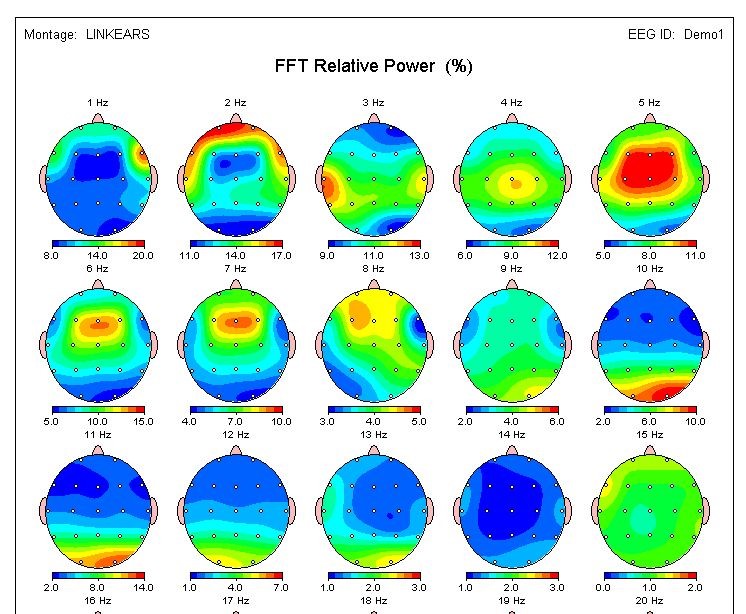
What are the Parts of the qEEG Brain Map?
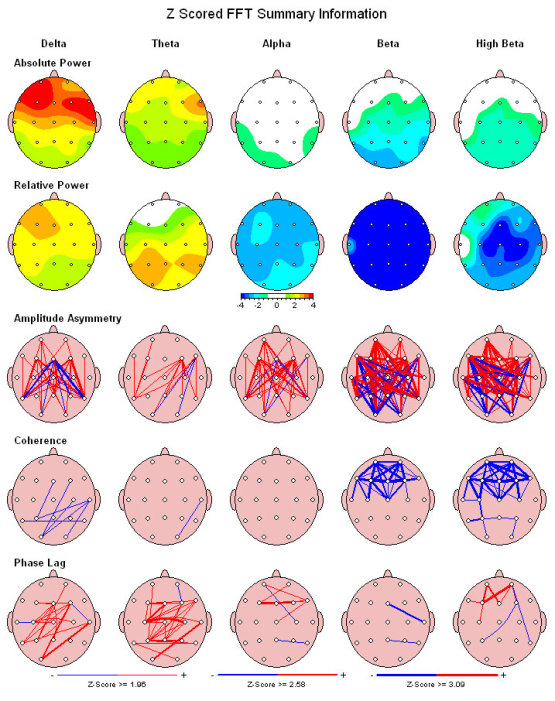
The qEEG brain map results provide information about different brain speeds—delta, theta, alpha, beta, and high beta—which correspond to different states of arousal and circadian rhythms. Colors on the map indicate whether the brain is using these speeds at higher or lower levels than a normative database of people matching your age and gender.
The parameters at the bottom of the map represent the “networks” or communication between different brain areas:
- Amplitude: The “volume” or power of the brain waves.
- Asymmetry: The balance of activity between the left and right hemispheres.
- Coherence: How well different areas are working together (teamwork).
- Phase Lag: The speed and timing of communication between regions.
The dots on the map represent specific regions:
- F (Frontal): Executive function, focus, and attention.
- C (Central): Sensorimotor function and the body’s nervous system.
- T (Temporal): Auditory processing, language, and emotional regulation.
- O (Occipital): Visual processing.
Clinical Examples of qEEG Brain Maps
qEEG maps help identify biological patterns associated with various conditions. While every brain is unique, here are common patterns observed in clinical practice:
Example: ADHD
In patients with ADHD symptoms—such as impulsivity or difficulty concentrating—the map often reveals an excess of Theta waves and a deficiency of Beta waves in the prefrontal cortex. This “Theta/Beta Ratio” suggests that the executive centers of the brain are in a “sleepy” or under-aroused state, making focus difficult. Neurostimulation aims to “wake up” these areas by increasing beta activity.
Example: Autism Spectrum
An analysis might reveal atypical electrical activity in the temporal and frontal lobes, regions crucial for processing social cues, communication, and language. The goal of neurostimulation here is often to reduce excessive theta or alpha activity in these zones to enhance the brain’s ability to process complex social and linguistic information in real-time.
Example: Chronic Pain
Chronic pain often shows up as abnormal electrical activity in the somatosensory cortex. The qEEG may unveil heightened Delta and Alpha activity in this region. By training the brain to reduce this “over-activity,” we can help the patient potentially lower their perceived pain levels and regain a sense of physical agency.
What is an Example of a Neurostimulation Plan?
NeuroField uses low-intensity electromagnetic fields to modulate brain activity. Below are examples of target regions for specific clinical concerns:
Target: Parkinson’s Disease (Primary Motor Cortex)
The Primary Motor Cortex (PMC) is involved in voluntary movement. In Parkinson’s, NeuroField is programmed to deliver fields calibrated to the PMC’s natural rhythm, helping to normalize neuronal firing and improve motor control.
Target: Depression (Dorsolateral Prefrontal Cortex)
The DLPFC is essential for emotional regulation. In Major Depressive Disorder, this area is often under-active. Neurostimulation targets the DLPFC to improve “top-down” emotional control and alleviate depressive symptoms.
Target: PTSD & Anxiety (The Amygdala)
The amygdala is the brain’s “alarm system,” processing fear and anxiety. In PTSD, the amygdala is often hyper-reactive. NeuroField helps normalize these signals, working to reduce the “fight-or-flight” response and lower overall anxiety.
Note: Neurostimulation plans are conducted under the guidance of qualified healthcare professionals and are tailored to the individual patient’s unique clinical history and qEEG data.
How is the qEEG Brain Map Analyzed?
By capturing functional images of the brain’s electrical waves, qEEG brain maps offer valuable information about brain patterns and states. Many people are curious how the brain maps are interpreted. The process of interpreting and analyzing qEEG brain maps takes years to learn and the technology is so new that few people have been trained in reading them. Interpreting the maps is half art half science. Dr. Jason Mishalanie, PhD, BCN was an early adopter of the technology and has more experience than almost anyone in the field.
Interpretation of qEEG Brain Maps:
qEEG brain maps are generated by analyzing the electrical activity of the brain recorded through specialized caps with multiple electrodes placed on the scalp using a special cap. These maps typically display different brain speeds and waves, including delta, theta, alpha, beta, and high beta, which correspond to different states based on circadian rhythms. Interpretation of these brain speeds and waves involves analyzing the colors displayed on the map, which indicate whether the brain is using these speeds at higher or lower levels than optimal.
Colors on the qEEG brain map:
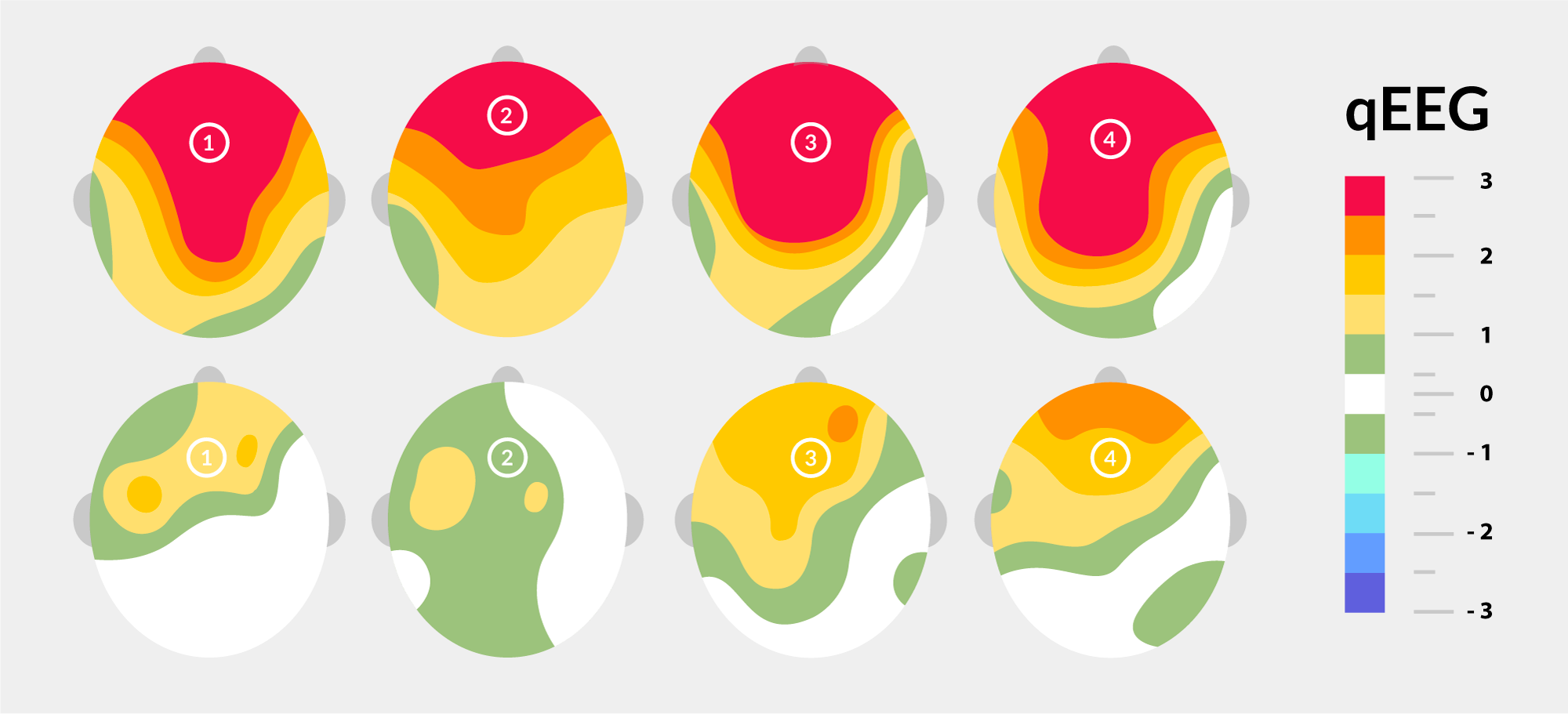
The colors on the qEEG brain map play a crucial role in interpreting the brain’s activity. Yellow, orange, and red colors indicate that the brain is using one to three levels too high of a particular speed, while different blue colors suggest that the brain is using one to three levels too low of that speed. This color-coded information helps in identifying any imbalances or irregularities in brain activity, providing valuable insights into the functioning of the brain.
Overall power and relative power:
The top row of heads on the qEEG brain map represents the overall power of each brain speed, indicating how ‘charged up’ the brain is overall. This information helps in understanding the overall activity levels of different brain speeds. Additionally, the relative power displayed on the map shows which brain speed is being used the most and the least in comparison to others of the same age and gender assigned at birth. This data provides important clues about the brain’s dominant and less dominant activity levels, aiding in the interpretation of qEEG brain maps.
Parameters at the bottom of the map:
The qEEG brain maps also include parameters at the bottom of the map that provide insights into the communication between different brain areas. These parameters, including amplitude, asymmetry, coherence, and phase lag, represent the networks in the brain and how different areas communicate with each other. For instance, frontal areas responsible for attention and executive function are labeled with “F,” central areas with “C,” temporal areas with “T,” and occipital areas with “O.” The analysis of these parameters and the lines connecting different areas on the map help in understanding the efficiency of communication between brain regions.
Z-Score:
The Z-score coherence is a measure of functional connectivity between two regions of the brain. It provides an estimate of the strength of the coherence between the signals recorded from different electrode sites, compared to a database. The coherence is a measure of the degree to which two signals are synchronized or correlated, indicating the degree of functional connectivity between different brain regions. The Z-score is a statistical measure of how far the coherence value is from the average coherence value in the normative database.
The Z-score amplitude is a measure of the power or strength of the electrical activity in a particular frequency band within a specific region of the brain. The amplitude is the measurement of the size or magnitude of a particular qEEG wave. The Z-score amplitude is the statistical comparison of the amplitude value of a particular frequency band within a specific region of the brain compared to a normative database.
Both Z-score coherence and amplitude are useful in the assessment of brain function and dysfunction. They can provide valuable information about the patterns of brain activity associated with various neurological and psychiatric conditions, such as attention deficit hyperactivity disorder (ADHD), depression, anxiety, and traumatic brain injury. Z-score coherence and amplitude can also be used to guide neurostimulation treatments to target specific brain regions and frequencies for optimal outcomes.
Amplitude Asymmetry:
Amplitude asymmetry refers to the difference in the electrical activity between the left and right hemispheres of the brain. It is typically measured as the difference in amplitude between homologous electrode sites located on each hemisphere. An abnormal amplitude asymmetry may suggest a disruption in the normal functioning of the brain, and has been associated with various neurological and psychiatric conditions, including depression, anxiety, and schizophrenia.
Phase Lag:
Phase lag is a measure of the delay in the propagation of neural signals between different regions of the brain. It is a measure of the temporal relationship between two or more qEEG signals recorded from different electrode sites. Phase lag is typically calculated by measuring the time delay between two signals at a given frequency. An abnormal phase lag may suggest a disruption in the normal communication between different brain regions, and has been associated with various neurological and psychiatric conditions, including attention deficit hyperactivity disorder (ADHD), autism, and traumatic brain injury.
Implications of qEEG Brain Map Interpretation:
Interpretation of qEEG brain maps can have significant implications for understanding brain function and identifying any abnormalities or imbalances in your brain. By analyzing the brain’s activity levels, dominant and less dominant patterns, and communication between the different brain areas, qEEG brain maps can provide valuable insights into the functioning of the human brain. This information can be used in various clinical and research settings, such as identifying neurological disorders, monitoring treatment progress, and optimizing cognitive performance.
Summary of how the QEEG map is analyzed:
qEEG brain maps are a powerful tool for interpreting and analyzing the functional activity of the brain. By analyzing the colors on the map, overall power and relative power of brain speeds, and parameters related to communication between brain areas, qEEG brain maps can provide valuable insights into brain function. Understanding the interpretation of qEEG brain maps can help in optimizing brain health, identifying neurological disorders, and improving cognitive and athletic performance.
The Myers-Briggs Type Indicator (MBTI) and qEEG Brain Mapping
The Myers-Briggs Type Indicator (MBTI) is a widely used personality assessment that categorizes individuals into 16 distinct personality types based on four dichotomies: extraversion vs. introversion, sensing vs. intuition, thinking vs. feeling, and judging vs. perceiving. Quantitative Electroencephalography (qEEG) brain mapping is a diagnostic tool used to measure and map brainwave activity across different regions of the brain. Researchers have explored potential connections between these two domains to establish a relationship between biological brain patterns and personality theory.
Several researchers have proposed that various brainwave frequencies observed in a qEEG brain map may correspond to the cognitive functions identified in the MBTI. While the precise relationship between qEEG brain waves and MBTI functions remains a subject of research and debate, common correlations include:
- Alpha Waves (8-12 Hz): Often associated with relaxed wakefulness, these may correspond to the function of Intuition, fostering the creative insight and pattern-recognition needed to make abstract connections.
- Beta Waves (12-30 Hz): Associated with focused attention and alertness, these may correspond to the function of Sensing, which relies on precise, concrete data gathering through the senses.
- Theta Waves (4-8 Hz): Associated with creative and introspective states, these are purported to correspond to the function of Feeling, facilitating open awareness and value-based evaluation.
- Delta Waves (0.5-4 Hz): Associated with unconscious processing, these may correspond to the function of Thinking, supporting the deep, logic-based problem-solving that occurs beneath immediate conscious awareness.
Trauma and its Impact on Diagnosis, Symptoms, and Personality
Trauma is a widespread phenomenon that can have long-lasting effects on an individual’s psychological and physical well-being. While genetics shape our initial traits, environmental factors—specifically trauma—influence how those genes are expressed. This is primarily mediated through epigenetic mechanisms, which involve alterations in gene regulation without modifying the actual DNA sequence.
The Dresden study, conducted by the Max Planck Institute of Psychiatry, revealed that PTSD can trigger epigenetic modifications in genes associated with the stress response, immune function, and neuronal signaling. These changes can lead to physical alterations in brain structure, contributing to chronic mental health symptoms. Similarly, early childhood trauma can “tune” the stress response system to a higher baseline of anxiety, increasing the risk of developing mood disorders later in life.
Furthermore, personality traits can influence the manifestation of trauma. Research from the University of Michigan suggests that individuals high in “neuroticism” may be more prone to experiencing PTSD symptoms. However, positive psychological factors like self-compassion act as a buffer. Studies from the University of Arizona demonstrate that individuals who practice self-compassion are statistically less likely to experience severe PTSD symptoms following a traumatic event, as they are better equipped to regulate their emotional response.
We have multiple clinicians available at Taproot Therapy Collective that treat a wide variety of issues and conditions with training in many techniques and modalities of therapy.
The History of Neurostimulation
Ancient World:
The history of neurostimulation spans from ancient times to the present. Ancient civilizations, such as the Greeks and Romans, documented the use of bio-electricity—specifically using the discharge from electric rays (Torpedo fish)—to treat headaches and gout. In the Enlightenment era, “medical electricity” gained traction as researchers like Johann Gottlob Krüger and Matthias Bose explored the therapeutic potential of electrostatic generators.
Early History:
In the twentieth century, neurostimulation took significant strides. In the 1920s, Dr. Albert Grass developed foundational neurostimulation tools that led to advancements in treating epilepsy. Later, Dr. Hans Selye explored the physiological responses of the nervous system to stress using electrical stimulation, helping to define the biological impact of chronic stress on the brain.
The 1950s saw the introduction of implanted neurostimulators, and by 1967, the first spinal cord stimulator was developed to provide relief for chronic pain. The 1980s proved revolutionary with the development of Deep Brain Stimulation (DBS) for Parkinson’s disease by pioneers like Dr. Alim-Louis Benabid, fundamentally changing the treatment landscape for movement disorders.
Modern Advancements:
Modern breakthroughs have moved toward non-invasive alternatives. Transcranial Magnetic Stimulation (TMS), pioneered significantly by Dr. Mark S. George, uses magnetic fields to treat depression without surgery. Today, closed-loop systems use real-time brain activity monitoring to provide “adaptive” neurostimulation, adjusting the treatment instantly based on the patient’s neurological state.
Contemporary qEEG Researchers:
Today, several researchers lead the field in using qEEG to identify biomarkers for mental health disorders and guide neurostimulation protocols:
Dr. Robert Thatcher: A leading expert in qEEG and the developer of the NeuroGuide database. His work focuses on qEEG-guided neurofeedback and the neurophysiology of ADHD, autism, and traumatic brain injury.
Dr. Juri Kropotov: Renowned for his research on Event-Related Potentials (ERPs) and qEEG phenotypes. His work is instrumental in using neurophysiological markers to diagnose and plan treatments for depression, schizophrenia, and ADHD.
Dr. Martijn Arns: Focuses on personalized medicine in psychiatry. His research utilizes qEEG to predict treatment outcomes for ADHD and depression, helping to determine which patients will respond best to neurofeedback or medication.
Dr. Marco Congedo: A pioneer in the development of advanced signal processing and machine learning algorithms for EEG analysis, particularly in the diagnosis and treatment of psychiatric disorders.
Dr. Barry Sherman: Has contributed to the understanding of mental health through neuroimaging, utilizing EEG and fMRI to uncover the neurobiological underpinnings of anxiety, schizophrenia, and ADHD.
Ongoing research by these and other pioneers continues to bridge the gap between neurobiology and clinical mental healthcare.
Contemporary qEEG Applications
Understanding qEEG Phenotypes
qEEG phenotypes refer to specific patterns of brainwave activity identified through the analysis of Quantitative Electroencephalography data. Rather than relying solely on subjective symptom reporting, clinicians use these phenotypes to understand the neurobiological “signature” of a patient’s brain. By identifying these objective patterns, researchers can categorize brain function and dysfunction with much higher precision.
These phenotypes are categorized based on the frequencies and amplitudes of brainwave activity across different regions:
- Delta (0.5-4 Hz): Associated with sleep and restorative functions.
- Theta (4-8 Hz): Linked to internal focus and creativity, but often excessive in ADHD.
- Alpha (8-12 Hz): The bridge between the conscious and subconscious; vital for relaxation.
- Beta (12-30 Hz): Necessary for active processing and logical thought.
- Gamma (30-100 Hz): Facilitates high-level information processing and cognitive binding.
QEEG Phenotypes in Mental Health
Diagnosis and Treatment Planning
qEEG phenotypes enable clinicians to observe deviations in brainwave activity associated with disorders such as depression, anxiety, ADHD, and PTSD. By comparing an individual’s data to a normative database, clinicians can identify physiological markers that guide a more accurate, data-driven diagnosis.
Neurofeedback and Brain Training
qEEG-guided neurofeedback allows individuals to learn how to self-regulate their brainwave activity. By providing real-time feedback on their specific phenotype, individuals can develop techniques to enhance desirable brainwave states, leading to improved mental health outcomes and better emotional regulation.
Medication Optimization
Phenotypes can assist psychiatrists in selecting the most effective medication. By analyzing an individual’s QEEG data, clinicians can identify patterns that correlate with positive responses to specific classes of medication, such as stimulants vs. SSRIs, facilitating a personalized approach to medication management.
Performance Enhancement
Beyond clinical disorders, qEEG assessments help athletes, executives, and artists optimize cognitive and creative abilities. By identifying areas of the brain that are under-functioning during high-stress tasks, tailored interventions can be designed to enhance peak performance.
The Benefits of a Phenotype Approach
qEEG phenotypes provide objective and quantifiable data, moving mental health care away from “trial and error” and toward high-precision medicine. This approach facilitates early intervention, identifying at-risk patterns before symptoms become severe.
Because qEEG is non-invasive and safe, it is an ideal tool for a holistic approach to mental health. By considering an individual’s unique neurophysiology, we can address the underlying imbalances of the brain, fostering long-term well-being and neurological resilience.
Embracing the potential of qEEG phenotypes allows us to unlock a new era of targeted and effective mental health care at Taproot Therapy Collective.
Our Other Therapy Methods


QEEG Brain Mapping & Neurostimulation in the Greater Birmingham Area
At Taproot Therapy Collective, located in Hoover and serving the Greater Birmingham, AL area—including Vestavia Hills, Homewood, and Mountain Brook—we offer advanced brain-based treatments. Our QEEG brain mapping, neurostimulation, and neurofeedback technologies help address a wide variety of mental health conditions by targeting the actual neurological sources of symptoms, rather than just managing the symptoms themselves.
Table of Contents
What is QEEG Brain Mapping?
Quantitative Electroencephalography (QEEG) brain mapping is a non-invasive diagnostic technology that measures electrical activity in the form of brain wave patterns. Unlike traditional brain imaging (such as MRI or CT scans) that show structural information, QEEG reveals how your brain is actually functioning in real-time.
During a QEEG brain mapping session at our Birmingham-area clinic, we place a comfortable cap with 19 sensors on your head to record brain activity. This process is entirely painless and takes approximately 30 minutes. The cap records electrical signals from different areas of your brain, measuring various brainwave frequencies (delta, theta, alpha, beta, and high beta) and how these brain regions communicate with each other.
The resulting data creates a detailed map of your brain's electrical activity that shows:
- Areas of optimal brain function
- Areas that may be overactive or underactive
- Communication patterns between different brain regions
- Imbalances that may be contributing to your symptoms
As Dr. Jason Mishalanie, PhD, BCN, our brain mapping specialist at Taproot Therapy Collective explains, "QEEG brain mapping provides a window into brain functioning that allows us to identify the source of symptoms or dysregulation. This helps us establish maximally effective neurofeedback treatment protocols for helping patients improve their quality of life without having to rely on medications."
Understanding Neurostimulation
Neurostimulation uses targeted electrical or electromagnetic stimulation to modulate brain activity. Unlike older technologies like transcranial magnetic stimulation (TMS) or microcurrent neurofeedback (MCNF) that use a "one-size-fits-all" approach, our neurostimulation techniques are personalized to your specific QEEG brain map.
During a session, a comfortable cap delivers gentle electrical signals that "speak" directly to your neurons using frequencies called phases. This targeted stimulation can:
- Open new neural pathways in the brain
- Teach the brain new ways of functioning
- Regulate overactive or underactive brain regions
- Improve communication between different brain areas
- Enhance focus, concentration, and emotional regulation
The Neurofeedback Process
After neurostimulation opens new neural pathways, neurofeedback helps strengthen and reinforce these connections. It is a form of biofeedback where you learn to self-regulate your brain function based on real-time feedback (visual or auditory cues).
Through repeated sessions, your brain essentially learns to function in more optimal ways, creating lasting neurological changes that can significantly reduce or eliminate symptoms without the need for long-term medication.
Conditions That Can Be Treated
Attention & Learning
Mood & Anxiety
Trauma & Stress
Understanding Brain Waves
| Brain Wave | Frequency | Associated With | When Imbalanced |
|---|---|---|---|
| Delta | 0.5-4 Hz | Deep sleep, healing | Sleep disorders, cognitive impairment |
| Theta | 4-8 Hz | Meditation, creativity | ADHD, depression, poor concentration |
| Alpha | 8-12 Hz | Relaxation, present awareness | Anxiety, stress, insomnia, OCD |
| Beta | 12-30 Hz | Active thinking, focus | Anxiety, insomnia, rumination |
| High Beta | 30-40 Hz | Intense concentration | Anxiety, stress, overthinking |
What to Expect During Treatment
- Initial Consultation: Discussion of symptoms and history.
- QEEG Brain Mapping: 30-minute non-invasive sensor recording.
- Analysis: Specialist walkthrough of your neurological "fingerprint."
- Personalized Plan: Customized neurostimulation and neurofeedback protocols.
- Sessions: Active targeted training and neural pathway modulation.
- Progress Monitoring: Symptom tracking and follow-up mapping.
Experience Brain-Based Healing in Birmingham, AL
If you live in Hoover, Birmingham, or the surrounding communities, our QEEG brain mapping and neurostimulation can help unlock your brain's natural healing potential.
Taproot Therapy Collective
2025 Shady Crest Dr, Suite 203
Hoover, AL 35216
How does qEEG Brain Mapping and Neurostimulation Treat ASD (Autism) in Children?
Quantitative EEG (qEEG) serves as a diagnostic “lens” that identifies specific areas of neurological dysregulation common in Autism Spectrum Disorder. By mapping the brain’s electrical activity, we can move past general diagnoses and create a highly individualized treatment plan tailored to a child’s unique neural architecture. Neurostimulation then targets these specific regions to improve social interaction, reduce sensory over-responsivity, and stabilize overall mood—all within a non-invasive, clinical setting.
Identifying Abnormal Brain Activity
In children with ASD, qEEG often reveals “functional connectivity” issues—areas where parts of the brain are either communicating too much (hyper-coherence) or not enough (hypo-coherence). By identifying these specific electrical signatures, clinicians can pinpoint which regions are contributing to symptoms like repetitive behaviors or social withdrawal, rather than using a generalized treatment approach.
Personalized Treatment for Social & Emotional Regulation
Neurostimulation is used to modulate specific brain regions responsible for emotional regulation and social behavior, such as the prefrontal cortex or the “mirror neuron” system. By encouraging these areas to operate at more optimal frequencies, neurostimulation can help reduce the “neural noise” that leads to anxiety and hyperactivity, allowing the child to feel more grounded and engaged in their environment.
Improved Outcomes and Research
The synergy of qEEG and neurostimulation has shown significant clinical promise. Research indicates that children receiving qEEG-guided protocols often show marked improvements in social communication and a reduction in the severity of “meltdowns.” Because the treatment is guided by the child’s actual brain data, the accuracy and efficiency of the therapy are significantly higher than traditional, non-targeted methods.
The Importance of Early Intervention
Because qEEG can detect functional changes in children as young as two years old, it is an invaluable tool for early intervention. Detecting neurological markers before they fully manifest as behavioral challenges allows for proactive treatment during the brain’s most plastic and adaptable years, leading to much better long-term developmental outcomes.
Non-Invasive and Sensory-Friendly
Safety and comfort are paramount when working with children on the spectrum. Both qEEG and neurostimulation are entirely non-invasive, involve no needles or medication, and are generally well-tolerated by children with sensory sensitivities. The sensors simply “listen” to the brain (qEEG) or provide gentle, almost imperceptible guidance (neurostimulation) to help the brain find a healthier rhythm.
Summary: By leveraging the precision of qEEG and the targeted power of neurostimulation, clinicians can offer a personalized path toward neurological balance. This approach empowers children with ASD to navigate the world with greater ease, improving both their social capabilities and their overall quality of life.
Essential Books on qEEG Brain Mapping and Neurostimulation
The following titles represent the core literature for clinicians, researchers, and students interested in the field of applied psychophysiology and neuromodulation. These resources cover the transition from raw EEG data to quantitative analysis and the clinical application of neurofeedback and stimulation techniques.
1. “Introduction to Quantitative EEG and Neurofeedback: Advanced Theory and Applications” by Thomas H. Budzynski, Helen Kogan Budzynski, and James R. Evans
Considered a foundational text, this book provides an in-depth look at the science behind qEEG and how it informs clinical neurofeedback protocols.
Amazon link: Introduction to Quantitative EEG and Neurofeedback on Amazon
2. “Quantitative EEG, Event-Related Potentials and Neurotherapy” by Juri D. Kropotov
Kropotov is a leading figure in the study of ERPs (Event-Related Potentials). This text is essential for understanding the timing of brain responses to specific stimuli.
Amazon link: Quantitative EEG, Event-Related Potentials and Neurotherapy on Amazon
3. “The Neurofeedback Book: An Introduction to Basic Concepts in Applied Psychophysiology” by Michael Thompson and Lynda Thompson
Often referred to as the “Neurofeedback Bible,” this book is an essential manual for practitioners, covering everything from assessment to clinical intervention.
Amazon link: The Neurofeedback Book on Amazon
4. “Neurofeedback in the Treatment of Developmental Trauma: Calming the Fear-Driven Brain” by Sebern F. Fisher
Fisher provides a specialized look at how neurofeedback can be used to treat PTSD and developmental trauma by stabilizing the amygdala and right hemisphere.
Amazon link: Neurofeedback in the Treatment of Developmental Trauma on Amazon
5. “Getting Started with Neurofeedback” by John N. Demos
A practical, step-by-step guide for those looking to begin their journey into neurofeedback practice.
Amazon link: Introduction to Neurofeedback on Amazon
6. “Neurofeedback and Neuromodulation Techniques and Applications” by Robert Coben and James R. Evans
A critical look at modern neuromodulation techniques, including tDCS and PEMF, and how they integrate with traditional neurofeedback.
Amazon link: Neurofeedback and Neuromodulation Techniques and Applications on Amazon
7. “A Symphony in the Brain: The Evolution of the New Brainwave Biofeedback” by Jim Robbins
A narrative history of the field, making complex neurological concepts accessible to the general public and interested patients.
Amazon link: A Symphony in the Brain on Amazon
Enhancing Athletic Performance with qEEG and Neurostimulation
Utilizing qEEG and neurostimulation holds immense potential in optimizing athletic performance. By identifying performance-related brain wave patterns, qEEG enables the creation of personalized training plans that target specific areas of brain function—such as reaction time, spatial awareness, and motor control—crucial for athletic success.
Improving Focus and Elite Concentration
One key aspect of the “flow state” in sports is sustained attention. Neurostimulation techniques can target the brain regions responsible for executive function and focus, resulting in enhanced concentration during high-stakes training and competition. By honing these cognitive abilities, athletes can maintain clarity and precision even under physical exhaustion.
Managing Competitive Anxiety and Pressure
Performance anxiety can trigger a “freeze” response that inhibits muscle memory. Neurostimulation effectively targets the brain areas involved in mood regulation and the autonomic nervous system, leading to a decrease in cortisol-driven stress. This reduction in psychological burden enables athletes to perform at their best under extreme pressure, maintaining precision during critical moments.
Accelerating Physical Recovery and Sleep Quality
Neurostimulation aids in the physiological recovery process by stimulating the brain regions responsible for the parasympathetic nervous system (rest and digest). Athletes can experience accelerated recovery times after intense training sessions, as improved sleep architecture and reduced neural inflammation promote faster healing and rejuvenation.
Safe, Non-Invasive, and Drug-Free
Both qEEG and neurostimulation techniques are entirely non-invasive, ensuring a safe and painless experience without the side effects of performance-enhancing chemicals. These procedures are conducted in a clinical setting, providing a data-driven edge that is both ethical and scientifically grounded.
Summary: The combined power of qEEG and neurostimulation presents a promising avenue for elite athletes. By identifying performance-related brain wave patterns, reducing performance anxiety, and promoting faster recovery, these techniques provide the neurological foundation for peak physical excellence.
Essential Books on qEEG Brain Mapping and Neurostimulation
The following titles represent the core literature for clinicians, researchers, and students interested in applied psychophysiology and neuromodulation. These resources cover the transition from raw EEG data to quantitative analysis and the clinical application of neurofeedback and stimulation techniques.
1. “Introduction to Quantitative EEG and Neurofeedback: Advanced Theory and Applications” by Thomas H. Budzynski, Helen Kogan Budzynski, and James R. Evans
A foundational text providing an in-depth look at the science of qEEG and how it informs clinical neurofeedback protocols.
Amazon link: Introduction to Quantitative EEG and Neurofeedback on Amazon
2. “Brainwave-Sync – Meditation – QEEG Guided Meditation” by Brainwave-Sync
Focuses on the intersection of qEEG data and meditation practices, exploring how guided sessions can be optimized through neurological monitoring.
Amazon link: Brainwave-Sync – Meditation – QEEG Guided Meditation on Amazon
3. “Functional Neurology for Practitioners of Manual Medicine” by Randy W. Beck
Beck bridges the gap between manual therapy and functional neurology, offering insights into how the nervous system impacts physical rehabilitation.
Amazon link: Functional Neurology for Practitioners of Manual Medicine on Amazon
4. “Quantitative EEG, Event-Related Potentials and Neurotherapy” by Juri D. Kropotov
Essential for understanding the timing of brain responses (ERPs) to specific stimuli and their role in neurotherapy.
Amazon link: Quantitative EEG, Event-Related Potentials and Neurotherapy on Amazon
5. “EEG and Evoked Potentials in Psychiatry and Behavioral Neurology” by Albert J. Gjedde and Morten Friberg
Focuses on psychiatric applications of EEG, helping clinicians identify neurological markers for behavioral disorders.
Amazon link: EEG and Evoked Potentials in Psychiatry and Behavioral Neurology on Amazon
6. “Foundations of Neurofeedback” by David A. Kaiser and Thomas H. Budzynski
An academic deep-dive into the biological and behavioral foundations that make neurotherapy effective.
Amazon link: Foundations of Neurofeedback on Amazon
7. “EEG and Clinical Neurophysiology” by Aatif M. Husain and Warren T. Blume
A comprehensive clinical guide to interpreting EEG results within a hospital or neurology clinic setting.
Amazon link: EEG and Clinical Neurophysiology on Amazon
8. “The Neurofeedback Book: An Introduction to Basic Concepts in Applied Psychophysiology” by Michael Thompson and Lynda Thompson
Considered the “Neurofeedback Bible,” this manual is essential for practitioners, covering assessment and clinical intervention.
Amazon link: The Neurofeedback Book on Amazon
9. “Neurofeedback in the Treatment of Developmental Trauma: Calming the Fear-Driven Brain” by Sebern F. Fisher
Examines how neurofeedback treats PTSD and developmental trauma by stabilizing the amygdala and right hemisphere.
Amazon link: Neurofeedback in the Treatment of Developmental Trauma on Amazon
10. “Introduction to Neurofeedback” by John N. Demos
A practical, step-by-step guide for those beginning their journey into neurofeedback practice.
Amazon link: Introduction to Neurofeedback on Amazon
11. “Handbook of Clinical QEEG and Neurotherapy” edited by Thomas H. Budzynski, Helen Kogan Budzynski, James R. Evans, and Andrew Abarbanel
A reference volume exploring diverse clinical applications of qEEG across various age groups and conditions.
Amazon link: Handbook of Clinical QEEG and Neurotherapy on Amazon
12. “A Symphony in the Brain: The Evolution of the New Brainwave Biofeedback” by Jim Robbins
A narrative history of the field, making complex neurological concepts accessible to the general public.
Amazon link: A Symphony in the Brain on Amazon
13. “Neurofeedback and State Regulation in ADHD: A Therapy Without Medication” by Werner Van den Bergh, Ludo Vermeulen, and Martijn Arns
Focuses on treating ADHD through neural training as an evidence-based alternative to stimulant medications.
Amazon link: Neurofeedback and State Regulation in ADHD on Amazon
14. “Neurofeedback and Neuromodulation Techniques and Applications” by Robert Coben and James R. Evans
Analyzes modern neuromodulation techniques, including tDCS and PEMF, and their integration with neurofeedback.
Amazon link: Neurofeedback and Neuromodulation Techniques and Applications on Amazon
QEEG as a Biomarker: Identifying the Neurophysiological Signatures of Clinical Conditions
A biomarker is defined as a characteristic that can be measured as an indicator of a normal biological process, a pathogenic process, or a response to an intervention. One of the most significant contributions of QEEG to clinical practice is its ability to identify objective, neurophysiological biomarkers for a wide range of psychiatric and neurological conditions.
These biomarkers are specific, replicable patterns of brainwave activity—such as abnormalities in power, coherence, or phase—that are consistently associated with a particular diagnosis. By identifying these neural signatures, QEEG moves psychiatric assessment beyond subjective symptom reports and provides a direct, biological basis for diagnosis, treatment stratification, and the development of personalized interventions.
The following table summarizes the robust evidence for key QEEG biomarkers across several major conditions, highlighting their diagnostic accuracy and the superior outcomes achieved when they are used to guide treatment.
| Condition | Key QEEG Biomarker(s) | Reported Diagnostic/Predictive Accuracy | QEEG-Guided Intervention | Demonstrated Outcome Improvement | Supporting Research |
|---|---|---|---|---|---|
| ADHD | Elevated Theta/Beta Ratio (TBR) at central/frontal sites | 85-90% sensitivity, 94-98% specificity | QEEG-informed Neurofeedback | Superior outcomes vs. standard protocols | Clinical EEG and Neuroscience, 2022 |
| PTSD | Faster alpha oscillations, reduced alpha power, altered ERPs | 89% accuracy for PTSD identification | Personalized Neurofeedback, Targeted Therapies | Enables personalized treatment selection & outcome prediction | PMC 12130596 |
| Depression | Frontal alpha asymmetry, altered theta cordance | >70% accuracy in predicting antidepressant response | QEEG-guided TMS Targeting, Medication Selection | Response rates improved from 34% to 71% | PMC 2925497 |
| Anxiety | Excess beta activity, altered alpha asymmetry | Distinct patterns identified for anxiety subtypes | Personalized Neurofeedback & other therapies | Enables personalized approaches with improved outcomes | MDPI 1660-4601 |
| Autism (ASD) | “U-shaped” profile (excess delta/theta & beta, reduced alpha) | 87-89% diagnostic accuracy | QEEG-guided Neurofeedback | Supports objective assessment & targeted intervention | Neurotherapy for Autism, 2023 |
| Concussion | Increased slow-wave (delta, theta) activity, reduced alpha frequency | High sensitivity for subtle brain changes | Objective Assessment & Monitoring | Outperforms standard neuropsychological testing in sensitivity | Journal of Neurotrauma, 2023 |
| Substance Use | Altered P300 ERPs, resting beta power, increased theta activity | 82% accuracy in predicting relapse risk | Targeted Relapse Prevention Strategies | Informs targeted interventions to reduce relapse | Frontiers in Human Neuroscience, 2022 |
Neurotherapy Resources for Pediatric Autism and Neurodivergence
For parents navigating the complexities of Pediatric Autism Spectrum Disorder (ASD), understanding the biological basis of neurodivergence is the first step toward effective intervention. Modern neurotherapy focuses on "Neural Connectivity Networks"—the communication pathways in the brain that govern social interaction, sensory processing, and emotional regulation.
Evidence-Based Literature for Parents and Clinicians
The following resources are specifically curated to help parents and practitioners understand how qEEG brain mapping and neurostimulation can support children with ASD by stabilizing these neural networks and improving functional outcomes.
1. "Neurofeedback in the Treatment of Developmental Trauma: Calming the Fear-Driven Brain" by Sebern F. Fisher
While focused on trauma, this text is essential for parents of neurodivergent children who experience high levels of sensory-induced anxiety or "fear-driven" behaviors. It explains how to stabilize the right hemisphere to improve emotional regulation.
Amazon link: Neurofeedback in the Treatment of Developmental Trauma on Amazon
2. "The Neurofeedback Book: An Introduction to Basic Concepts in Applied Psychophysiology" by Michael Thompson and Lynda Thompson
The Thompsons are pioneers in using neurofeedback for Asperger’s and Autism. This book provides a comprehensive framework for how biofeedback can improve the "Neural Connectivity Networks" mentioned in clinical assessments.
Amazon link: The Neurofeedback Book on Amazon
3. "Neurofeedback and Neuromodulation Techniques and Applications" by Robert Coben and James R. Evans
Dr. Robert Coben is a leading researcher in "Connectivity Neurofeedback" specifically for Autism. This book details how to target specific brain regions to improve social communication and reduce repetitive behaviors.
Amazon link: Neurofeedback and Neuromodulation Techniques and Applications on Amazon
Evidence-Based Practice and Research on the Efficacy of Neurostimulation and qEEG Brain Mapping
The integration of Quantitative EEG (qEEG) and non-invasive neurostimulation represents a paradigm shift in personalized mental health. By utilizing objective neural biomarkers, clinicians can move beyond subjective symptom reporting to target the specific physiological roots of conditions like PTSD, ADHD, and treatment-resistant depression. Below is a curated selection of foundational texts and peer-reviewed research supporting the clinical efficacy of these modalities.
📚 Books and Foundational Texts
“Clinical QEEG and Neurotherapy” by Thomas F. Collura
Z-Score Neurofeedback (Comprehensive Guide)
🔬 Reviews and General Techniques (Mechanisms & Scope)
State-of-the-art non-invasive brain–computer interface for neural rehabilitation: A review (2022)
EEG-Neurofeedback as a Tool to Modulate Cognition and Behavior: A Review Tutorial (2017)
🧠 Applications: PTSD, TBI, and Trauma
Neurostimulation for Mixed Trauma Syndrome (2018)
Neurofeedback Biofeedback for the Treatment of Symptoms of Traumatic Brain Injury (2017)
⚕️ Applications: Anxiety, Depression, and Other Disorders
Neuromodulation as an Augmenting Strategy for Behavioral Therapies for Anxiety and PTSD (2022)
Neuro-stimulation Techniques for the Management of Anxiety Disorders: An Update (2016)
Z-score LORETA Neurofeedback as a Potential Therapy in Depression/Anxiety
📈 Applications: Performance, Cognition, and Pain
The analgesic effect of EEG neurofeedback for people with chronic pain: A systematic review (2023)
EEG-neurofeedback for optimising performance: A review of cognitive and affective outcome (2014)