Classical Mythology: Ancient Wisdom for Modern Healing Through Depth Psychology
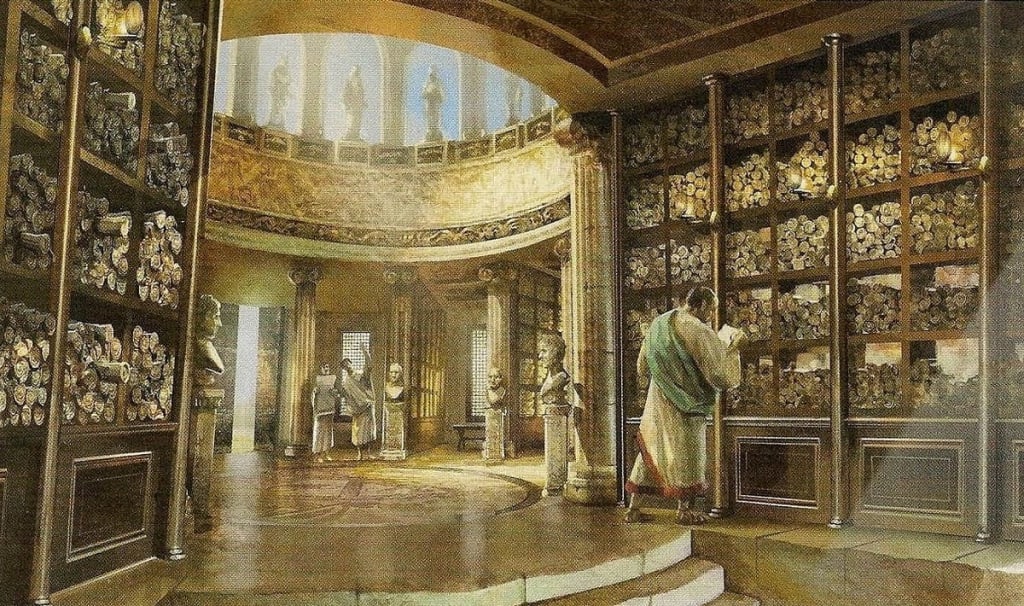
Discovering Timeless Patterns of Human Experience in Birmingham Therapy
Welcome to Taproot Therapy Collective’s exploration of how classical mythology illuminates the deepest patterns of human experience and transformation. As Birmingham’s premier depth psychology practice, we draw upon the rich symbolic language of ancient myths to help clients understand their personal stories, navigate life transitions, and access profound healing wisdom that has guided humanity for millennia.
Understanding Mythology-Informed Therapy and Archetypal Psychology
Our Classical Mythology blog category examines how the timeless stories of Greek, Roman, and world mythologies serve as powerful therapeutic tools for understanding the human psyche. Building on the groundbreaking work of Carl Jung and Joseph Campbell, we explore how mythological patterns—archetypes—appear in modern life and can guide healing, personal growth, and meaning-making.
This approach recognizes that the same fundamental human experiences explored in ancient myths—love, loss, transformation, heroism, sacrifice, and redemption—continue to shape our psychological landscape today. By understanding these patterns, Birmingham therapy clients gain powerful frameworks for understanding their struggles and accessing their innate resilience and wisdom.
Foundational Concepts in Mythological Therapy
Jungian Archetypes and the Collective Unconscious
Explore how Carl Jung’s revolutionary insights into archetypes inform modern therapeutic practice:
The Hero’s Journey as Therapeutic Framework
Discover how Joseph Campbell’s monomyth structure guides personal transformation:
- Recognizing the call to adventure in life transitions and crises
- Navigating the trials and tribulations of personal growth
- Integration and return: bringing wisdom back to community
- Applications from the Joseph Campbell Foundation research
Narrative Therapy and Mythological Metaphors
Learn how ancient stories provide powerful metaphors for reauthoring personal narratives:
- Using mythological figures to understand relationship patterns
- Seasonal and cyclic mythologies for processing grief and renewal
- Creation myths and stories of transformation for trauma recovery
- Insights from Pacifica Graduate Institute depth psychology programs
Cross-Cultural Mythological Wisdom
Examine universal themes across global mythological traditions:
Key Mythological Themes in Therapeutic Work
Transformation and Metamorphosis
Explore myths of profound change and their relevance to personal growth:
- Persephone and Seasonal Depression: Understanding cycles of descent and renewal in mental health
- Phoenix Rising: Trauma recovery and post-traumatic growth through mythological lens
- Psyche and Eros: The journey of soul development and intimate relationships
- Dionysus and Sacred Madness: Integrating intense emotions and altered states
The Wounded Healer Archetype
Examine how mythological figures model healing through personal suffering:
- Chiron the Centaur: Transforming personal wounds into healing gifts
- Asclepius and Sacred Healing: The integration of medical and spiritual approaches
- Demeter’s Grief: Navigating profound loss and finding purpose in pain
- Applications in therapist training and client empowerment
Shadow Work and Integration
Discover how mythological monsters and dark figures represent psychological shadow:
- Medusa and Feminine Rage: Reclaiming suppressed anger and power
- Pandora’s Box: Working with anxiety, curiosity, and unintended consequences
- Prometheus and Rebellion: Healthy defiance and standing up to authority
- The Minotaur and the Labyrinth: Facing inner fears and finding the center
Relationships and Love Stories
Explore mythological patterns in modern relationships and attachment:
- Orpheus and Eurydice: Grief, loss, and learning to let go
- Pygmalion and Galatea: Projection and seeing others clearly
- Tristan and Isolde: Forbidden love and moral complexity
- Penelope’s Fidelity: Commitment, patience, and maintaining hope
Birmingham Applications of Mythological Therapy
Living in Birmingham, Alabama, we draw connections between classical mythology and Southern cultural narratives, exploring how:
Regional Storytelling Traditions: The rich oral tradition of the American South connects with ancient mythological themes of family sagas, honor, loss, and redemption.
Civil Rights History: Birmingham’s pivotal role in civil rights connects with mythological themes of heroic journeys, standing against oppression, and transformational collective action.
Industrial Heritage: The city’s steel industry history resonates with mythological themes of fire, forge, and transformation—literal and metaphorical.
Contemporary Challenges: How ancient wisdom addresses modern Birmingham issues like urban development, community building, and cultural change.
Research-Based Insights from Leading Institutions
We regularly incorporate research and insights from:
Practical Applications in Therapy
Dream Work and Active Imagination
Using mythological frameworks to understand and work with dreams:
- Identifying archetypal figures in dream narratives
- Active imagination techniques inspired by Jungian approaches
- Working with recurring mythological themes in unconscious material
- Integration of dream wisdom into daily life
Creative Arts Therapy
Incorporating expressive modalities informed by mythological themes:
- Drama therapy using mythological scenarios
- Art therapy exploring archetypal imagery
- Movement and dance expressing mythological energies
- Writing therapy using mythological narrative structures
Ritual and Ceremony
Creating meaningful therapeutic rituals inspired by mythological practices:
- Seasonal ceremonies marking life transitions
- Grief rituals drawing from cross-cultural mythological traditions
- Empowerment ceremonies inspired by mythological initiations
- Community healing practices rooted in ancient wisdom
Couples and Family Therapy
Using mythological patterns to understand family dynamics:
- Identifying family archetypal patterns and roles
- Working with generational trauma through mythological lens
- Understanding couple dynamics through mythological relationships
- Parenting guidance inspired by mythological wisdom
Connect with Our Mythological Therapy Community
For deeper exploration of these ancient wisdom traditions, check out more on the Discover + Heal + Grow Taproot Therapy Collective blog and podcast where we regularly feature depth psychologists, mythologists, and practitioners integrating classical wisdom with modern therapeutic approaches.
Subscribe to our channels for mythological insights:
Who Benefits from Mythological Therapy Approaches?
This blog category serves:
- Individuals seeking deeper meaning in their personal struggles and growth
- Creative professionals wanting to understand the archetypal dimensions of their work
- Mental health practitioners interested in depth psychology and symbolic approaches
- Spiritual seekers exploring the intersection of psychology and ancient wisdom
- Birmingham residents interested in culturally-informed depth therapeutic approaches
- Students and scholars of mythology, psychology, and comparative religion
- Anyone fascinated by the timeless patterns that shape human experience
Featured Article Categories
Our Classical Mythology blog includes:
- Archetypal Psychology – Understanding universal patterns in personal experience
- The Hero’s Journey – Navigating life transitions and personal transformation
- Shadow Work – Integrating rejected aspects of self through mythological guidance
- Seasonal Mythologies – Using cyclical stories for healing and renewal
- Relationship Archetypes – Understanding love, conflict, and connection through myth
- Trauma and Transformation – How mythological figures model resilience and growth
- Dreams and Active Imagination – Working with unconscious material through mythological lens
- Ritual and Sacred Practice – Creating meaningful ceremonies for healing and transition
Specialized Programs and Workshops
Mythological Dream Group: Monthly gatherings exploring dreams through archetypal and mythological frameworks, combining Jungian dream work with classical storytelling traditions.
Hero’s Journey Intensive: Quarterly workshops helping participants identify their personal hero’s journey, navigate current challenges, and integrate wisdom for ongoing growth.
Women’s Mythology Circle: Exploring feminine archetypes from Athena to Artemis, helping women understand and integrate different aspects of feminine power and wisdom.
Men’s Archetypal Work: Using figures like Hermes, Apollo, and Dionysus to explore healthy masculine expression, emotional intelligence, and purpose.
Integration with Evidence-Based Practice
While deeply rooted in ancient wisdom, our mythological approach integrates with contemporary evidence-based therapies:
Narrative Therapy: Using mythological frameworks to help clients re-author their life stories in empowering ways.
Internal Family Systems (IFS): Understanding internal parts through archetypal lens, helping clients dialogue with different aspects of self.
EMDR and Trauma Work: Using mythological imagery and metaphors to support trauma processing and integration.
Mindfulness and Somatic Approaches: Grounding mythological insights in embodied present-moment awareness.
Start Your Mythological Journey Today
The ancient stories that have guided humanity for thousands of years contain profound wisdom for navigating contemporary challenges. Our Birmingham-based therapists at Taproot Therapy Collective are trained in depth psychology approaches that honor both timeless wisdom and modern therapeutic innovation.
Contact Taproot Therapy Collective: 📍 2025 Shady Crest Dr. Suite 203, Hoover, AL 35216
📞 (205) 598-6471
🌐 www.GetTherapyBirmingham.com
🎧 Podcast: gettherapybirmingham.podbean.com
We offer therapy that honors the full depth of human experience, integrating ancient wisdom with contemporary healing approaches for profound and lasting transformation.
Discover + Heal + Grow with Taproot Therapy Collective – Birmingham’s gateway to depth psychology and mythological wisdom for modern healing.


