The Tectonics of the Self The history of the United States is typically recounted as a sequence of political events, economic shifts, and military conflicts. However, running beneath the surface of constitutional conventions, industrial revolutions, and digital disruptions is a more fundamental history: the history of the American psyche. The conception of what it means to be a human being (the architecture of the self, the boundaries of sanity, and the nature of the unconscious) has not been static. It has...
Phenomenology and Existential Psychology: Understanding Human Experience from the Inside Out
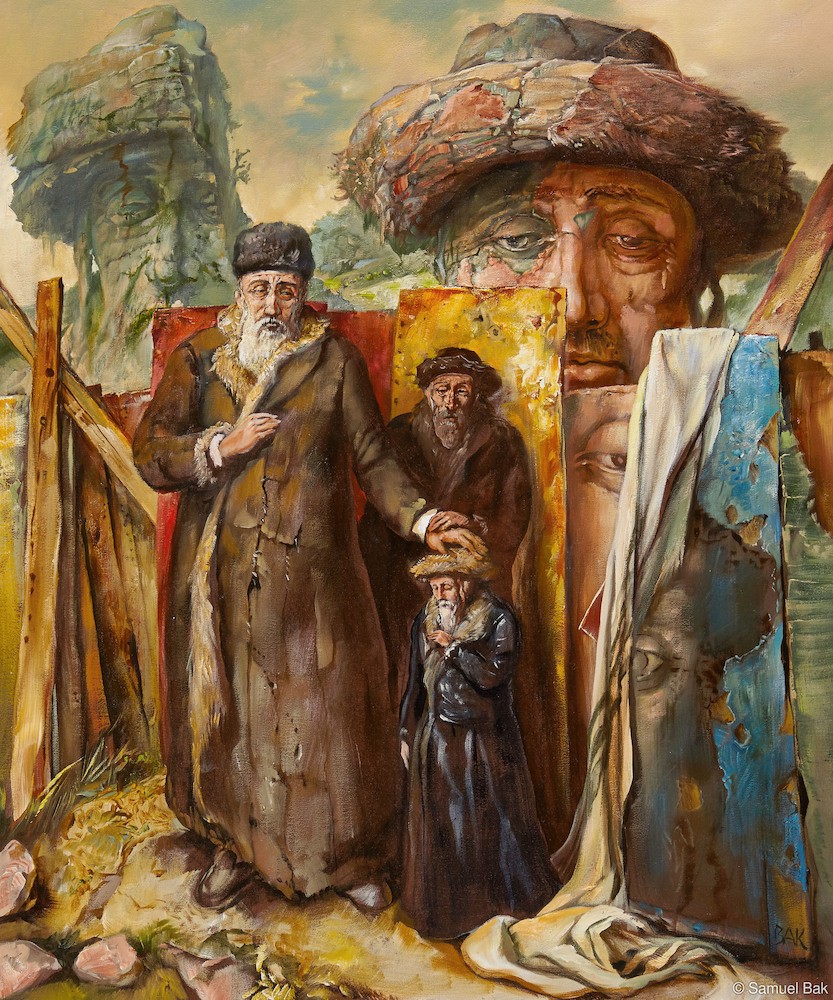
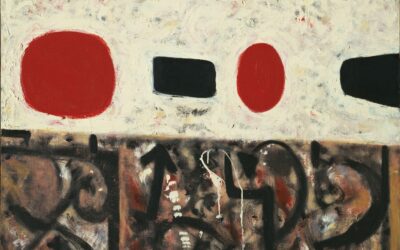
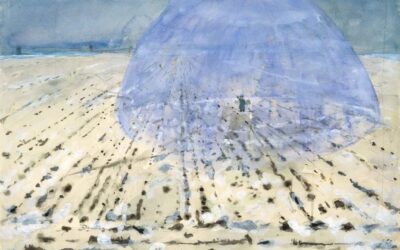
Sammuel Bak Painting, Generation to Generation
Exploring Being, Meaning, and Authentic Living in Birmingham Mental Health Care
Welcome to Taproot Therapy Collective’s exploration of phenomenological and existential approaches to understanding human experience and psychological healing. As Birmingham’s leading integrative therapy practice, we recognize that many of life’s deepest struggles involve questions of meaning, authenticity, freedom, and what it means to exist as conscious beings navigating an uncertain world.
Understanding Phenomenology and Existential Psychology
Phenomenology, founded by Edmund Husserl and developed by thinkers like Martin Heidegger and Maurice Merleau-Ponty, focuses on understanding human experience as it is actually lived rather than as it appears through theoretical or scientific abstractions. This approach examines consciousness, perception, embodiment, and being-in-the-world as fundamental aspects of human existence that profoundly influence psychological wellbeing and therapeutic change.
Existential psychology, influenced by philosophers like Søren Kierkegaard, Jean-Paul Sartre, and Albert Camus, addresses the fundamental challenges of human existence including freedom, responsibility, anxiety, death, isolation, and meaning-making. These approaches recognize that many psychological symptoms reflect deeper existential concerns rather than merely biological or behavioral dysfunctions.
This perspective enhances the comprehensive therapeutic approach detailed on our main services page, where we emphasize understanding each person’s unique lived experience and life calling rather than applying standardized diagnostic categories or treatment protocols that may miss the deeper existential dimensions of psychological suffering and growth.
Core Phenomenological Concepts in Mental Health
Lived Experience and First-Person Perspective forms the foundation of phenomenological approaches to therapy, recognizing that each individual’s experience of depression, anxiety, trauma, or relationship difficulties is unique and cannot be fully understood through external observation or diagnostic categories alone. Understanding how clients actually experience their symptoms provides crucial information for effective therapeutic intervention.
Intentionality and Consciousness explores how consciousness is always directed toward something, whether objects, other people, memories, or possibilities. This concept helps therapists understand how clients relate to their experiences rather than simply cataloging symptoms, revealing patterns of meaning-making and relationship that inform therapeutic direction and intervention strategies.
Embodied Experience and Body-Subject recognizes that human experience is fundamentally embodied rather than purely mental, with implications for understanding how psychological symptoms manifest through bodily sensations, movements, and spatial relationships. This perspective enhances somatic approaches and body-based therapies by providing philosophical frameworks for understanding mind-body integration.
Being-in-the-World and Contextual Understanding emphasizes that human experience always occurs within specific contexts including cultural, historical, social, and environmental circumstances that profoundly shape psychological experience. This perspective informs culturally responsive therapy that honors how Birmingham’s unique cultural context influences individual mental health experiences.
Existential Themes in Psychological Experience
Anxiety and Existential Dread distinguishes between pathological anxiety requiring symptom reduction and existential anxiety that reflects fundamental concerns about freedom, responsibility, and uncertainty. Existential approaches help clients understand how anxiety often signals important life questions rather than simply dysfunctional brain chemistry or learned responses.
Kierkegaard’s insights into anxiety as “the dizziness of freedom” provide frameworks for understanding how awareness of life’s possibilities and responsibilities can create anxiety that, when properly understood, supports rather than undermines authentic living and psychological development.
Freedom and Responsibility addresses how awareness of choice and responsibility can create both liberation and overwhelming burden for individuals struggling with depression, anxiety, or life transitions. Existential therapy helps clients navigate the tension between freedom and constraint while developing authentic responses to life circumstances.
Sartre’s insights into radical freedom and bad faith illuminate how individuals sometimes choose to see themselves as victims of circumstances rather than recognizing their capacity for choice and change, providing frameworks for empowerment and authentic self-direction.
Death Anxiety and Mortality explores how awareness of finite existence influences psychological experience through conscious and unconscious death anxiety that often underlies depression, anxiety, and various life difficulties. Understanding mortality as backdrop to human experience provides context for therapeutic work on meaning, priorities, and authentic living.
Isolation and Connection examines the fundamental human tension between individual uniqueness and the need for relationship and belonging. Existential approaches help clients understand how existential isolation differs from social loneliness while developing authentic ways of connecting with others that honor both individual freedom and relational needs.
Key Figures in Existential Psychology and Therapy
Ludwig Binswanger and Daseinanalysis developed psychiatric applications of Heideggerian philosophy, creating therapeutic approaches that focus on understanding clients’ ways of being-in-the-world rather than symptom classification. His work demonstrates how existential analysis reveals unique patterns of existence that inform therapeutic intervention and personal growth.
Medard Boss and Existential Psychoanalysis integrated existential philosophy with psychoanalytic practice, emphasizing how understanding clients’ fundamental ways of existing provides more effective therapeutic approaches than traditional drive theory or unconscious interpretation alone.
Rollo May and American Existential Psychology brought existential approaches to American therapeutic practice through attention to anxiety, courage, love, and will as fundamental human experiences requiring therapeutic support. His work demonstrates how existential insights enhance rather than replace evidence-based therapeutic approaches.
Irvin Yalom and Contemporary Existential Therapy provides accessible integration of existential philosophy with clinical practice through attention to death, freedom, isolation, and meaninglessness as universal human concerns that often underlie psychological symptoms and relationship difficulties.
Yalom’s therapeutic approach, detailed in works like “Love’s Executioner” and “The Gift of Therapy,” demonstrates how existential understanding enhances therapeutic relationships while providing practical frameworks for addressing life’s fundamental challenges through authentic therapeutic encounter.
Phenomenological Research and Therapeutic Applications
Descriptive Phenomenology in Mental Health uses rigorous methods for understanding lived experience of psychological conditions including depression, anxiety, trauma, and psychosis through first-person accounts that reveal essential structures of these experiences often missed by diagnostic approaches alone.
Research from Duquesne University and other centers for phenomenological psychology demonstrates how understanding clients’ actual experience of symptoms provides more effective therapeutic targets than symptom checklists or behavioral observations alone.
Interpretive Phenomenology and Meaning-Making explores how individuals make sense of their experiences through narrative, metaphor, and symbolic understanding that reveals deeper patterns of meaning often crucial for therapeutic change and personal growth.
Birmingham Applications of Existential and Phenomenological Approaches
Birmingham’s rich cultural heritage, civil rights history, and diverse community provide unique contexts for exploring existential themes including courage, authenticity, social responsibility, and meaning-making in the face of historical and ongoing challenges. The city’s experiences with social transformation demonstrate how existential courage and authentic action can address both personal and collective challenges.
Understanding how Southern cultural values including family loyalty, religious faith, and community connection interact with individual freedom and authenticity helps therapists provide culturally responsive care that honors both existential insights and regional cultural patterns.
The city’s ongoing work with historical trauma and social healing provides examples of how existential approaches to responsibility, forgiveness, and authentic action can address complex psychological and social challenges while maintaining hope and purpose.
Integration with Contemporary Therapeutic Practice
Existential and phenomenological approaches enhance evidence-based therapies detailed in our psychology and research section by providing philosophical frameworks that deepen understanding of human experience while maintaining therapeutic effectiveness and scientific rigor.
These approaches prove particularly valuable for individuals whose psychological symptoms reflect deeper existential concerns including life transitions, spiritual crises, relationship difficulties, and questions about meaning and purpose that require more than symptom management for lasting resolution.
Understanding how existential themes appear in depression, anxiety, trauma, and relationship difficulties helps therapists provide comprehensive care that addresses both symptom relief and the deeper life questions that often accompany psychological distress and growth.
Contemporary Developments in Existential Psychology
Meaning-Centered Therapy and Logotherapy builds on Viktor Frankl’s insights into meaning-making as central to psychological wellbeing through therapeutic approaches that help clients discover purpose and direction even within difficult circumstances.
Existential-Humanistic Therapy integrates existential insights with humanistic approaches through attention to present-moment experience, therapeutic relationship, and client capacity for growth and self-direction that honors both philosophical depth and practical therapeutic goals.
Positive Psychology and Existential Themes explores how research on wellbeing, flourishing, and life satisfaction intersects with existential concerns about meaning, authenticity, and values-based living while maintaining scientific rigor and practical application.
Research from Leading Existential Psychology Centers
Contemporary research from Seattle University, Saybrook University, and international centers for existential psychology continues validating existential approaches while expanding applications to contemporary mental health challenges including anxiety, depression, trauma, and relationship difficulties.
Studies on meaning-making, death anxiety, and existential therapy outcomes demonstrate how these approaches provide effective alternatives and complements to traditional therapeutic modalities while addressing dimensions of human experience often overlooked in symptom-focused treatments.
What You’ll Find in These Articles
Our phenomenology and existential psychology content explores what it means to be human in all its complexity and depth. These articles examine how great philosophers have understood consciousness, freedom, and authentic living while showing how these insights apply to everyday struggles with anxiety, depression, relationships, and life direction.
From exploring how Heidegger’s concept of “thrownness” helps understand depression to examining how Sartre’s ideas about freedom apply to addiction recovery, these pieces make profound philosophical insights accessible and practical for anyone interested in deeper self-understanding and authentic living.
Connect with Our Existential Psychology Community
For deeper exploration of phenomenological and existential approaches to human experience and therapeutic practice, check out more on the Discover + Heal + Grow Taproot Therapy Collective blog and podcast where we regularly feature existential therapists, phenomenological researchers, and philosophers exploring the intersection of philosophical understanding with psychological healing and growth.
Subscribe to our YouTube channel for discussions on existential psychology and phenomenological approaches to mental health, listen to our podcast for interviews with existential therapists and philosophers, follow us on Instagram for daily insights on authentic living and existential understanding, connect on LinkedIn for professional resources on existential and phenomenological approaches, find us on Google Maps for existentially informed therapeutic services, and join our Reddit community for thoughtful discussions on existence, consciousness, and human experience.
Featured Article Categories
Our Phenomenology and Existential Psychology content includes Lived Experience and Consciousness exploring how phenomenology illuminates mental health understanding, Existential Themes in Therapy examining anxiety, freedom, death, and meaning in psychological work, Key Thinkers and Concepts covering major figures and ideas in existential psychology, Being-in-the-World addressing how context and culture shape psychological experience, Authenticity and Bad Faith exploring genuine versus inauthentic ways of living, Meaning-Making and Purpose investigating how individuals create significance and direction in life, Death Anxiety and Mortality examining how awareness of finitude affects psychological experience, and Contemporary Applications showing how existential insights enhance modern therapeutic practice.
Contact Taproot Therapy Collective: 📍 2025 Shady Crest Dr. Suite 203, Hoover, AL 35216
📞 (205) 598-6471
🌐 www.GetTherapyBirmingham.com
🎧 Podcast: gettherapybirmingham.podbean.com
Discover + Heal + Grow with Taproot Therapy Collective – Birmingham’s resource for exploring the depths of human experience through phenomenological and existential understanding.
David Bohm: The Physicist Who Saw Mind in Matter
Jungian Therapy and Depth Psychology, Phenomenology and Existential Psychology, Philosophy for Therapists
The Heretic of Copenhagen David Bohm (1917-1992) committed what many physicists considered an unforgivable sin: he took quantum mechanics seriously as a description of reality, not just a calculation tool. While the Copenhagen interpretation (Bohr, Heisenberg) insisted we must never ask what's "really happening" beneath the probability wave, Bohm asked anyway—and proposed an answer that would make him a pariah in physics and a prophet in consciousness studies. His 1952 "hidden variables" interpretation restored...
Insights into Therapy Through Quantum Neuroscience
Evidence Based Practice in Therapy, History of Psychotherapy, Neuroscience and the Brain for Therapists, Phenomenology and Existential Psychology
Something extraordinary is happening in consciousness research right now. After decades of incremental progress and philosophical stalemate, 2025—designated by the United Nations as the International Year of Quantum Science and Technology—has delivered a cascade of findings that fundamentally challenge how we understand the nature of mind, awareness, and subjective experience. For those of us working in psychotherapy, these aren't merely academic curiosities. The question of what consciousness is—how it emerges,...
The Metamorphosis of the Sufferer: From Neurotic Soul to Digital User
History of Psychotherapy, Neuroscience and the Brain for Therapists, Phenomenology and Existential Psychology, Psychology Topics and Articles
From “neurotic soul” to “digital user”: How insurance companies, Big Pharma, and Silicon Valley systematically dismantled the depth of psychotherapy—and why the BetterHelp scandal was just the beginning. A critical history for therapists who refuse to become technicians.
Who Is Gerald Edelman?
Neuroscience and the Brain for Therapists, Phenomenology and Existential Psychology, Psychology
Discover Nobel Laureate Gerald Edelman’s Neural Darwinism, a revolutionary theory applying evolutionary principles to the brain’s development and consciousness.
Who Is Victor Lamme?
Anthropology and Evolutionary Psychology for Therapy, Phenomenology and Existential Psychology, Philosophy for Therapists
The Neuroscientist Who Found Consciousness in the Feedback Loops of the Brain When you look at a face, what happens in your brain? The answer turns out to be surprisingly complex. First, visual information streams forward from your eyes through your visual cortex, each region extracting features: edges, colors, shapes, the statistical patterns that identify this particular configuration of features as belonging to the category "face." This feedforward sweep happens quickly, within about 100 to 150 milliseconds,...
Who Is Stanislas Dehaene? The Neuroscientist Who Discovered How Consciousness Ignites in the Brain
Neuroscience and the Brain for Therapists, Phenomenology and Existential Psychology
Explore the work of Stanislas Dehaene and his Global Neuronal Workspace Theory, revealing how brain networks ignite consciousness and why this matters for trauma treatment.
The Eternal Return of the Soul: How Modern Psychotherapy is Rediscovering its Ancient Roots Through Neuroscience
Phenomenology and Existential Psychology, Psychology, Psychotherapy Biographies: Historical Figures in the History of Psychology
Discover how modern psychotherapy is rediscovering its roots. From Jung’s complexes to the somatic revolution, explore how neuroscience is validating ancient wisdom in the future of mental health treatment.
St. Augustine and the Foundations of Depth Psychology: How a Fourth-Century Bishop Became a Forefather of Modern Psychotherapy
Christian Mysticism in Therapy, Phenomenology and Existential Psychology, Philosophy for Therapists, Psychology of Mystics, Gurus, and Spiritual Philosophers
Explore how St. Augustine’s Confessions shaped depth psychology and modern psychotherapy. Discover why Irvin Yalom values this fourth-century thinker and how Augustine’s insights on the divided will, unconscious motivation, and therapeutic confession remain vital for clinicians today.
The Melancholy Dane: Søren Kierkegaard’s Revolutionary Vision and Its Enduring Impact on Psychotherapy
Phenomenology and Existential Psychology, Philosophy for Therapists
Explore Søren Kierkegaard’s profound influence on existential psychotherapy, from his pioneering insights on anxiety and despair to contemporary applications by Irvin Yalom and other therapists. Comprehensive overview of the father of existentialism.
Karl Friston and Carl Jung: The Unnoticed Rehabilitation
History of Psychotherapy, Jungian Therapy and Depth Psychology, Phenomenology and Existential Psychology, Philosophy for Therapists
An exploration of how Karl Friston’s Free Energy Principle and Eugene Gendlin’s Process Model provide mathematical and philosophical validation for Carl Jung’s analytical psychology, revealing that Jung’s supposedly mystical insights actually captured fundamental principles of consciousness architecture that modern neuroscience is only now beginning to understand.
The Radical Presence of Eugene Gendlin: How Felt Sensing Transforms Trauma Therapy and Political Understanding
History of Psychotherapy, Phenomenology and Existential Psychology, Philosophy for Therapists, Psychology, Symbolism and Meaning in Psychotherapy
Eugene Gendlin’s revolutionary work on the felt sense reveals how trauma disrupts the body’s natural flow of experiencing and how political oppression shapes what we can feel and think. His Focusing method offers both a powerful trauma therapy approach and a framework for understanding liberation as the restoration of our capacity to carry life forward.
Eugene Gendlin: A Biographical Timeline
Phenomenology and Existential Psychology, Philosophy for Therapists, Psychology
In the landscape of contemporary psychotherapy, a quiet revolution has been unfolding—one that moves us away from the primacy of thoughts and verbal processing toward the wisdom held in the body's deeper knowing. At the heart of this shift stands Eugene Gendlin, a philosopher and psychologist whose work in the 1960s and 70s laid the groundwork for much of what we now understand about embodied healing. The Felt Sense: Gendlin's Revolutionary Discovery Eugene Gendlin's seminal contribution to psychotherapy emerged...
What Is Neurodivergent-Affirming Therapy? (And Why It’s Not About ‘Fixing’ You)
Phenomenology and Existential Psychology, Philosophy for Therapists, Psychology
An expert review for psychotherapists on technology integration in therapy. Covers AI’s role, neuro-tech like QEEG, VR for trauma, Polyvagal Theory, and an evidence-based review of the Alpha-Stim device for anxiety, insomnia, and depression.
Beyond PTSD: Rethinking Trauma Diagnosis Through Memory Systems and Targeted Treatment
Brainspotting in Alabama: Revolutionary Trauma Therapy for Deep Healing, Executive and Physician Burnout, Phenomenology and Existential Psychology, Psychology Topics and Articles, Recovering from Abuse, Somatic Experiencing In Alabama
The Limitations of Current Trauma Diagnosis Leading trauma experts Gabor Maté and Bessel van der Kolk have long argued that the DSM-5's approach to trauma diagnosis fails to capture the complexity of how trauma manifests in different memory systems and psychological processes. As van der Kolk notes in "The Body Keeps the Score," trauma isn't a singular experience but rather a constellation of disruptions across multiple domains of functioning. Similarly, Maté emphasizes in his work on trauma and addiction...

Reclaiming the Soul of Psychology: Recentering the Study of Consciousness in Psychotherapy
Brainspotting in Alabama: Revolutionary Trauma Therapy for Deep Healing, Jungian Therapy and Depth Psychology, Phenomenology and Existential Psychology, Philosophy for Therapists, Psychology Topics and Articles
Psychology, as a field, stands at a critical juncture. Over the past few decades, the focus has shifted away from the fundamental nature of human consciousness and towards a more mechanistic, symptom-focused approach to mental health. Manualized therapies, diagnostic checklists, and a preoccupation with "evidence-based" practices have come to dominate the landscape, threatening to reduce the rich tapestry of human experience to a set of computerized algorithms. As a graduate student, I remember feeling a deep...
Who was Karl Kerényi?
History of Psychotherapy, Jungian Therapy and Depth Psychology, Phenomenology and Existential Psychology, Psychology, Psychotherapy Biographies: Historical Figures in the History of Psychology
How Ancient Myths Can Guide Modern Healing: The Work of Karl Kerényi As therapists who practice depth psychology, we often find that the ancient myths and stories of humanity hold profound wisdom for our modern lives. The patterns in these stories, or archetypes, can help us understand our own struggles, relationships, and paths to healing. One of the most important figures in this field was Karl Kerényi, a scholar whose work built a bridge between mythology and the human psyche. Who Was Karl Kerényi? Karl...
Illuminating the Mind: Lessons Psychology Can Learn from Anthropology and Philosophy
Anthropology and Evolutionary Psychology for Therapy, Phenomenology and Existential Psychology, Philosophy for Therapists, Ritual and Initiation, Spirituality and The Transcendent Function in Psychotherapy
Psychology Beyond the Individual Time moves in one direction, memory in another. We are that strange species that constructs artifacts intended to counter the natural flow of forgetting. — William Gibson, "Dead Man Sings" How Philosophy and Anthropology Enrich the Path to Mental Well-being Psychology, as the scientific study of the mind and behavior, has made tremendous strides in understanding the human experience. Through empirical rigor, it has mapped cognitive biases, decoded neural pathways, and...

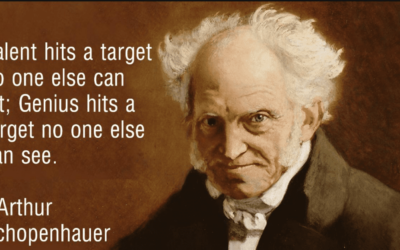
Madness or Genius? Schopenhauer’s Prescient Insights into Memory, Trauma and the Irrational Mind
Phenomenology and Existential Psychology, Understanding Neurodivergence and Neurodiversity in Therapy
The 19th century German philosopher Arthur Schopenhauer is renowned for his profound and often controversial views on the nature of reality, ethics, aesthetics, and the human condition. Among his most intriguing and influential ideas are his reflections on the phenomena of madness and genius, which he saw as two sides of the same coin - deviations from ordinary cognition that reveal deeper truths about the mind and the world. Schopenhauer's perspective on these topics was deeply rooted in his overarching...
Lenses of Inquiry: How Philosophy Can Inform Psychology
Jungian Therapy and Depth Psychology, Phenomenology and Existential Psychology, Philosophy for Therapists
How to Use Philosophy in Existential Therapy Philosophy and psychology have long been intertwined, both seeking to understand the complexities of the human mind and experience. By applying philosophical frameworks as lenses of inquiry, we can gain deeper insights into psychological phenomena and develop more effective therapeutic practices. Let's explore how approaches like phenomenology, epistemology, existentialism, and others offer valuable perspectives for psychology. Phenomenology: Exploring Lived Experience...
What is Emotion?
Brainspotting in Alabama: Revolutionary Trauma Therapy for Deep Healing, Jungian Therapy and Depth Psychology, Phenomenology and Existential Psychology, Philosophy for Therapists, Psychology, Psychology Topics and Articles
Emotion: A Conjunction of Inner and Outer Spheres James Hillman's book Emotion: A Comprehensive Phenomenology of Theories and Models presents a philosophical and psychological exploration of emotions, investigating them not as mere physiological responses but as integral aspects of human experience and soul life (Hillman, 1960). Hillman critiques the way traditional psychology and psychiatry have often treated emotions in mechanistic, reductive ways, urging instead a deeper understanding of emotions as vital...
Fredric Jameson: The Metamodern for Therapy
Metamodernism and Deconstruction, Phenomenology and Existential Psychology, Philosophy for Therapists, Psychotherapy Biographies: Historical Figures in the History of Psychology
Metamodernism, Post-Spirituality, and Depth Psychology: Navigating Trauma in the Contemporary Era In our increasingly complex and fragmented world, the need for frameworks to understand the psyche, culture, and the spiritual dimensions of human existence has never been greater. Two thinkers who offer profound insights into these realms are cultural theorist Fredric Jameson and depth psychologist Carl Jung. By tracing the evolution of culture through the stages of modernism, postmodernism, and metamodernism, and...
Metamodernism and the Future of Psychotherapy: Integrating Modernity, Postmodernity and the Therapeutic Encounter
Metamodernism and Deconstruction, Phenomenology and Existential Psychology, Philosophy for Therapists
Who are Timotheus Vermeulen and Robin van den Akker? In their seminal 2010 essay "Notes on Metamodernism", cultural theorists Timotheus Vermeulen and Robin van den Akker outlined an emerging cultural paradigm they dubbed "metamodernism". Oscillating between the opposing poles of modernist sincerity and postmodern irony, the metamodern sensibility attempts to transcend the aporia of the postmodern era without regressing to the naivete of the modern. This article will explore the implications of Vermeulen and van...
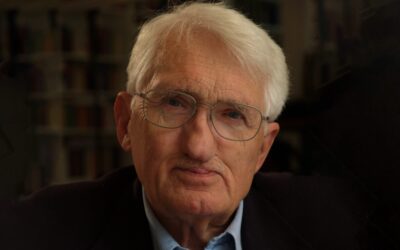
Jürgen Habermas and the Transformation of Psychotherapy: Towards a Dialogical and Emancipatory Practice
Metamodernism and Deconstruction, Phenomenology and Existential Psychology, Philosophy for Therapists
Who is Jürgen Habermas? Jürgen Habermas (1929-) is one of the most influential philosophers and social theorists of the late 20th and early 21st centuries. As the leading figure of the "second generation" of the Frankfurt School, Habermas has made groundbreaking contributions to our understanding of communicative rationality, discourse ethics, democratic deliberation, and the public sphere. While not primarily a psychologist, Habermas's ideas have profound implications for depth psychology and contemporary...
The Existential Psychology of Viktor Frankl:
Anthropology and Evolutionary Psychology for Therapy, History of Psychotherapy, Phenomenology and Existential Psychology, Philosophy for Therapists, Psychotherapy Biographies: Historical Figures in the History of Psychology
Finding Meaning in the Face of Suffering "Everything can be taken from a man but one thing: the last of the human freedoms — to choose one's attitude in any given set of circumstances, to choose one's own way." Viktor E. Frankl, Man's Search for Meaning Viktor Emil Frankl (1905-1997) was an Austrian psychiatrist, neurologist, philosopher, author, and Holocaust survivor who founded the school of logotherapy, a meaning-centered approach to psychotherapy. His harrowing experiences in Nazi concentration camps shaped...
Existentialism and Indigenous Worldviews: Finding Purpose in a Complex World
Jungian Therapy and Depth Psychology, Phenomenology and Existential Psychology, Philosophy for Therapists
The Search for Meaning in Existentialism and Indigenous Thought Existentialist philosophy and indigenous worldviews offer contrasting but potentially complementary perspectives on one of life's biggest questions: What is the meaning and purpose of human existence? While existentialists like Jean-Paul Sartre and Albert Camus grappled with the apparent absurdity of life, arguing that individuals must create their own sense of purpose, many indigenous traditions see the individual as embedded in a deeply meaningful...
Jean Baudrillard: Philosopher of Hyperreality and Simulation
Phenomenology and Existential Psychology, Philosophy for Therapists, Psychotherapy Biographies: Historical Figures in the History of Psychology
Simulacra and Simulation "We are in a logic of simulation, which no longer has anything to do with a logic of facts and an order of reason. Simulation is characterized by a precession of the model, of all the models based on the merest fact - the models come first, their circulation, orbital like that of the bomb, constitutes the genuine magnetic field of the event. The facts no longer have a specific trajectory, they are born at the intersection of models, a single fact can be engendered by all the models at...
Existential Psychotherapy: The Life and Work of Irvin Yalom
History of Psychotherapy, Phenomenology and Existential Psychology, Philosophy for Therapists
1. Who is Irvin Yalom? Irvin D. Yalom (1931- ) is one of the most influential figures in existential psychotherapy. Over his long career, Yalom has not only made major contributions to existential theory and practice, but has also brought the insights of existential thought to a wide public audience through his many bestselling books. His work bridges the gap between the philosophical foundations of existentialism and the everyday concerns of psychotherapy, offering a deeply humane vision of the therapeutic...
Psychotherapy’s Feuding Founders
Evidence Based Practice and Research Psychology, History of Psychotherapy, Mental Health and Psychotherapy Resources in Alabama, Neuroscience and the Brain for Therapists, Phenomenology and Existential Psychology
Ego, Ideology, and the Battle for the Soul of the Profession From the outside, psychotherapy often appears to be a staid and sober enterprise – a science of the mind dedicated to the rational amelioration of human suffering. But a closer examination of the field's history reveals a far more tumultuous and fractious reality. Beneath the calm veneer of clinical respectability lies a roiling cauldron of clashing personalities, competing paradigms, and bitter doctrinal disputes. Far from a detached, objective...
The “Lost World” of Miyazaki’s Masterpiece
Discover + Heal + Grow: Taproot Therapy Collective Podcast Episodes, Interviews and Case Studies, Phenomenology and Existential Psychology, Psychology, Psychology of Buildings and Architecture, Psychology of Film and TV, Psychology of Media and Culture, Symbolism and Meaning in Psychotherapy
*This review contains spoilers for the film The Boy and the Heron What is The Boy and the Heron trying to tell us? To escape from this depressing situation, they often find themselves wishing they could live in a world of their own - a world they can say is truly theirs, a world unknown even to their parents. To young people, anime is something they incorporate into this private world. I often refer to this feeling as one yearning for a lost world. It's a sense that although you may currently be living in a world...
Was Freud Wrong About Sexuality?
History of Psychotherapy, Jungian Therapy and Depth Psychology, Models of Psychotherapy, Phenomenology and Existential Psychology, Psychotherapy Biographies: Historical Figures in the History of Psychology
Evolution, the Divided Brain, and the Complexity of the Human Psyche Sigmund Freud, the father of psychoanalysis, is famous (or perhaps infamous) for his controversial theories that placed sexuality at the very center of the human psyche. He argued that sexual instincts and impulses, emerging from the unconscious id, were the primary drivers of human behavior, motivation, personality development, and even mental illness. But was Freud wrong about the primacy of sexuality? Insights from evolutionary psychology,...
Antonio Damasio: Reuniting Mind, Body, and Emotion
Phenomenology and Existential Psychology, Psychology of Mystics, Gurus, and Spiritual Philosophers
Who is Antonio Damasio? Antonio Damasio is a pioneering neuroscientist, best-selling author, and professor of psychology, philosophy, and neurology at the University of Southern California, where he directs the Brain and Creativity Institute. His groundbreaking work challenges centuries of dualistic thinking about mind and body in Western culture, illuminating the deep connections between reason, emotion, and biological regulation. Damasio's books, including the seminal "Descartes' Error," have had a profound...
Cult Psychology of the Solar Temple
Phenomenology and Existential Psychology, Psychology of Conspiracy Theories, Recovering from Abuse
The Rise and Fall of the Order of the Solar Temple What was The Order of the Solar Temple The Order of the Solar Temple was a destructive cult that operated in the late 20th century, leaving a tragic legacy of mass suicides. Founded by Joseph Di Mambro and Luc Jouret, the cult blended elements of esotericism, New Age spirituality, and apocalyptic thinking to attract followers seeking meaning and transcendence. This essay will examine the origins, practices, and ultimate downfall of the Order of the Solar Temple...
Nietzsche’s Influence and Counter Transference on Carl Jung
Phenomenology and Existential Psychology, Philosophy for Therapists, Psychotherapy Biographies: Historical Figures in the History of Psychology
Nietzsche's Influence and Counter Transference on Carl Jung The relationship between Friedrich Nietzsche and Carl Jung was one of profound influence mixed with misunderstanding, fear, and divergence. Jung built upon Nietzsche's pioneering explorations of the hidden depths of the human psyche, yet also harbored deep concerns about following Nietzsche's path. A close examination reveals that Jung was both more indebted to and more conflicted about Nietzsche than he openly acknowledged. One curious episode that...
Freud’s Death Drive: What was Thanatos?
Dreams and the Unconscious, Phenomenology and Existential Psychology, Psychotherapy Biographies: Historical Figures in the History of Psychology
Why did Freud Abandon His Death Drive Theory? In the hit TV show Mad Men, ad executive Pete Campbell makes a daring pitch to Lucky Strike cigarettes. To sell their product, he suggests, they should embrace the subconscious "death wish" that drives people to smoke. While Campbell's pitch was shocking, the concept he based it on - Sigmund Freud's "death drive," or thanatos - is one of the most intriguing and controversial ideas in the history of psychology. Freud believed that just as humans have an innate drive...
The History of Personality Psychology
Dreams and the Unconscious, Phenomenology and Existential Psychology
The History of Personality Psychology? Personality psychology is the study of the patterns of thoughts, feelings, and behaviors that make each individual unique. Throughout history, philosophers, scientists and psychologists have grappled with questions of identity, self-concept, and individual differences that form the core of this field. In this article, we'll dive into the fascinating history of personality psychology, exploring the key theorists, tests, and typology systems that have shaped our understanding...
The Holistic Theology and Alchemy of Arnaldus de Villanova
Christian Mysticism in Therapy, Depth Psychology Approaches and Techniques, Phenomenology and Existential Psychology, Psychology of Mystics, Gurus, and Spiritual Philosophers, Psychotherapy Biographies: Historical Figures in the History of Psychology
1. Who was Arnaldus de Villanova? Arnaldus de Villanova (c.1240-1311) was a renowned Catalan physician, theologian, diplomat and alchemist who made significant contributions to the development of medicine and spirituality in medieval Europe. An influential figure in the courts of kings and popes, Arnaldus pioneered a holistic approach to health and healing that synthesized insights from Hippocratic-Galenic medicine, Christian theology, Kabbalah, hermeticism and alchemy. At the heart of his thought was a...
Socrates Influence on Philosophy and Depth Psychology
Depth Psychology Approaches and Techniques, Phenomenology and Existential Psychology, Philosophy for Therapists
Who was Socrates? Socrates, one of the most influential figures in Western philosophy, was born in Athens, Greece, in 470 BCE. He lived during a time of great intellectual and cultural flourishing, known as the Golden Age of Athens. Socrates' life and teachings had a profound impact on the development of Greek philosophy, and his influence can still be felt in the fields of ethics, epistemology, and metaphysics. Socrates ability to deconstruct narratives was always compeling to me when I was in college. It was...
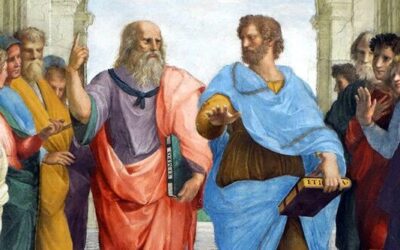
Aristotle’s Divergence from Plato’s Idealism
Phenomenology and Existential Psychology, Philosophy for Therapists
Who was Aristotle? The ideas of Plato and Aristotle, two of the most influential philosophers in Western history, have had a profound impact on the development of depth psychology. From Carl Jung to James Hillman, many of the key figures in this field have grappled with the Platonic and Aristotelian legacies, seeking to integrate their insights into a deeper understanding of the human psyche. This essay will explore how the philosophical debates between Plato and Aristotle have shaped the theory and practice of...
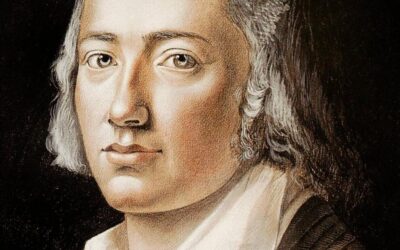
Friedrich Hölderlin: This Influence on Jung and Modern Mysticism
Depth Psychology Approaches and Techniques, Phenomenology and Existential Psychology, Psychology of Mystics, Gurus, and Spiritual Philosophers, Psychotherapy Biographies: Historical Figures in the History of Psychology
Who was Friedrich Hölderlin? The Course of Life (Lebenslauf) You too wanted more, but love Forces all of us under. Pain’s necessary curve Returns us to our beginnings. Whether up or down, in the holiness of night, Speechless nature determines all the days to come; Yet in the labyrinths of death You can find a straight path. I know this—not once, like mortal instructors Did you heavenly, all-knowing gods Have the foresight to lead me Along a level path. Everything’s a test, say the gods. Having found his strength,...
The Kabbalistic Concept of Ein Sof
Christian Mysticism in Therapy, Depth Psychology Approaches and Techniques, Phenomenology and Existential Psychology, Psychology of Mystics, Gurus, and Spiritual Philosophers
The Depth Psychology o Kabbalistic Concept of Ein Sof What is Kabbalah? Kabbalah is a mystical tradition within Judaism that seeks to understand the nature of divinity, the structure of the universe, and the purpose of human existence. The term "Kabbalah" comes from the Hebrew root "k-b-l," which means "to receive" or "to accept," referring to the reception of divine wisdom and the acceptance of spiritual practices. Kabbalah emerged in 12th century Provence and Spain, drawing on earlier forms of Jewish mysticism...
J.B. Rhine and Eugene Osty: Pioneers of Parapsychology
Depth Psychology Approaches and Techniques, Evidence Based Practice in Therapy, Phenomenology and Existential Psychology, Psychology of Mystics, Gurus, and Spiritual Philosophers
Who were J.B. Rhine and Eugene Osty? The field of parapsychology, which investigates psychic or psi phenomena such as telepathy, clairvoyance, and psychokinesis, has long been a subject of fascination and controversy. Two pioneering researchers who made significant contributions to the scientific study of these phenomena in the early 20th century were J.B. Rhine and Eugene Osty. Through their innovative experiments and tireless efforts to bring scientific rigor to this unconventional area of inquiry, Rhine and...
The Philosophy Behind and Around Carl Jung
Christian Mysticism in Therapy, Depth Psychology Approaches and Techniques, History of Psychotherapy, Phenomenology and Existential Psychology, Psychology of Mystics, Gurus, and Spiritual Philosophers, Psychotherapy Biographies: Historical Figures in the History of Psychology, Symbolism and Meaning in Psychotherapy
What were Carl Jung's Major Influences? Carl Jung was profoundly influenced by a wide range of philosophers, thinkers and mystics in developing his groundbreaking theories of analytical psychology. He drew upon ideas from existentialism, phenomenology, German idealism, Neoplatonism, Hermeticism, Gnosticism, and Christian mysticism to formulate his conceptions of the collective unconscious, archetypes, individuation, and the Self. Let's examine in-depth how some of these key figures shaped Jung's thought. Philemon...
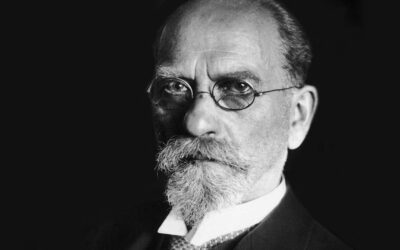
Edmund Husserl and the Phenomenological Foundations of Psychology
Depth Psychology Approaches and Techniques, Phenomenology and Existential Psychology, Philosophy for Therapists, Psychology of Mystics, Gurus, and Spiritual Philosophers, Psychotherapy Biographies: Historical Figures in the History of Psychology
Edmund Husserl: The Mathematician of the Soul and the Father of Phenomenology In the fragmented landscape of modern psychology, where practitioners often pledge loyalty to specific schools—CBT, Psychoanalysis, Somatic—there is one figure who provides the bedrock for them all, yet remains largely unknown to the average clinician: Edmund Husserl (1859–1938). While Sigmund Freud was descending into the murky depths of the unconscious, Husserl was climbing the mountain of the conscious mind, seeking a view of...
The Life and Work of Alan Watts: A Transformative Bridge Between East and West
Phenomenology and Existential Psychology, Psychotherapy Biographies: Historical Figures in the History of Psychology
Who was Alan Watts? The Bridge Between East, West, and the Human Psyche In the pantheon of 20th-century thought, few figures occupy a space as unique, controversial, and enduring as Alan Wilson Watts (1915–1973). He was not merely a philosopher, nor was he strictly a theologian or a psychologist. Rather, Watts was a "philosophical entertainer"—a self-described spiritual rascal who dedicated his life to translating the ineffable wisdom of the East into the pragmatic language of the West. At a time when American...
The Labyrinth in Jungian Psychology: Traversing the Winding Path of Individuation
Depth Psychology Approaches and Techniques, Phenomenology and Existential Psychology, Psychology of Buildings and Architecture, Psychology of Mystics, Gurus, and Spiritual Philosophers, Trauma Treatment in Alabama, Trauma, Depth Psychology, and Social Work
What is a Labyrinth? "The labyrinth is an ancient symbol that relates to wholeness. It combines the imagery of the circle and the spiral into a meandering but purposeful path." - Dr. Sandra Wasko-Flood Read This Article as a Pdf: What is a Labyrinth Labyrinth Locator Find a Labyrinth Anywhere in the World Near You Main Points and Key Ideas: The labyrinth as an archetypal symbol in human culture and psychologyJungian interpretations of the labyrinth as a representation of the individuation processThe labyrinth's...
The Influence of Christian Mystics on Jungian Thought:
Christian Mysticism in Therapy, Depth Psychology Approaches and Techniques, Phenomenology and Existential Psychology, Psychology of Mystics, Gurus, and Spiritual Philosophers
What is Christian Mysticism? A Jungian Perspective on the Divine Encounter Mysticism is a spiritual discipline and a way of life that seeks direct experience and union with the divine or ultimate reality. It is a phenomenon that has manifested across various religious traditions, including Christianity, Islam, Judaism, Buddhism, and Hinduism. Mystics believe that it is possible to have a profound, transformative encounter with the sacred that transcends intellectual understanding and rational thought. At the core...
Philosophy with Implications for Post-Jungian Thought: Carl Jung’s Relevance and Similarity to Other Thinkers
Depth Psychology Approaches and Techniques, Jungian Therapy and Depth Psychology, Phenomenology and Existential Psychology, Psychology of Mystics, Gurus, and Spiritual Philosophers
What Philosophers, Mystics and Anthropologists are Similar to Carl Jung? Read More on Jung here: Carl Jung's Major Influences Jungian Analysis Archetypes Jung’s Method Jungian Thought There is an overview of Carl Jung's life and work here as well as a list of the philosophy and anthropology that made up his major influences here. This article is neither a biography or list of influences. Instead it is a list of philosophy that is similar to Jung but not directly inspired by him or used by him as influences in his...
Martin Heidegger and the Quest for Being: Implications for Psychotherapy and Depth Psychology
Depth Psychology Approaches and Techniques, Phenomenology and Existential Psychology, Philosophy for Therapists, Psychology of Mystics, Gurus, and Spiritual Philosophers, Psychotherapy Biographies: Historical Figures in the History of Psychology
Martin Heidegger and the Quest for Being: The Philosopher who Wrecked and Rebuilt Western Thought Martin Heidegger (1889–1976) is the "Dark Giant" of 20th-century philosophy. He is perhaps the most influential philosopher since Hegel, and certainly the most controversial. His magnum opus, Being and Time (1927), did not just modify philosophy; it attempted to destroy the entire history of Western metaphysics and rebuild it from the ground up. For the psychotherapist, Heidegger is the gateway to understanding what...
St. John of the Cross: Mystical Wisdom for Modern Psychology
Christian Mysticism in Therapy, Phenomenology and Existential Psychology, Psychology of Mystics, Gurus, and Spiritual Philosophers, Spirituality and The Transcendent Function in Psychotherapy
St. John of the Cross: The Psychologist of Divine Darkness "In the evening of life, we will be judged on love alone." — St. John of the Cross In the crucible of 16th-century Catholic reform, one man's profound mystical insights illuminated the path of spiritual transformation in a way that continues to resonate with seekers across traditions and modern psychologists alike. St. John of the Cross (1542–1591), the renowned Spanish mystic, Carmelite friar, and Doctor of the Church, gifted humanity with a corpus of...
Gilbert Durand: Exploring the Anthropology of the Imaginary
Phenomenology and Existential Psychology, Psychology of Buildings and Architecture, Psychology of Mystics, Gurus, and Spiritual Philosophers, Psychotherapy Biographies: Historical Figures in the History of Psychology
Gilbert Durand: The Cartographer of the Human Imagination In the landscape of 20th-century French thought, dominated by structuralists and existentialists who often viewed the imagination as "unreal" or "escapist," Gilbert Durand (1921–2012) stood as a revolutionary defender of the dream. A philosopher, anthropologist, and sociologist, Durand argued that the Imaginary (l'imaginaire) is not a byproduct of reality, but the very foundation of it. Durand’s work is the missing link between the psychology of Carl Jung,...
Jean Gebser: Integration through the Integral
Phenomenology and Existential Psychology, Psychology of Modernism Post Modernism and the Meta Modern, Psychology of Mystics, Gurus, and Spiritual Philosophers, Psychotherapy Biographies: Historical Figures in the History of Psychology
Jean Gebser: The Cartographer of Consciousness and the Cure for "Time-Sickness" Why does the modern world feel like it is accelerating toward a cliff? Why do anxiety and fragmentation seem to be the defining characteristics of the 21st century? Jean Gebser (1905–1973), a Swiss phenomenologist and poet, offered an answer that is as terrifying as it is hopeful: we are living through a Mutation of consciousness. Gebser is the "unknown giant" of 20th-century thought. While his contemporary Carl Jung mapped the...
Gaston Bachelard: Psychology Through Poetics
Christian Mysticism in Therapy, Phenomenology and Existential Psychology, Psychology of Mystics, Gurus, and Spiritual Philosophers
Gaston Bachelard: The Philosopher of Elements and Dreams Gaston Bachelard (1884–1962) was a French philosopher and literary critic who stands as a unique bridge between the rigid world of science and the fluid world of poetry. He began his career as a philosopher of science, analyzing the history of physics and chemistry, but later underwent a profound intellectual transformation, dedicating his life to the study of the poetic imagination. Bachelard’s work explores how the human psyche engages with the material...
Paul Ricoeur: A Philosopher of Language, Narrative Identity and Hermeneutics
Christian Mysticism in Therapy, Phenomenology and Existential Psychology, Psychology of Buildings and Architecture, Psychology of Modernism Post Modernism and the Meta Modern, Psychology of Mystics, Gurus, and Spiritual Philosophers, Psychotherapy Biographies: Historical Figures in the History of Psychology
Paul Ricœur: The Philosopher of Narrative Identity and the Capable Self Paul Ricœur (1913–2005) stands as a colossus in 20th-century French philosophy, a thinker who built bridges between disciplines that often refused to speak to one another. He united the rigorous textual analysis of hermeneutics with the lived experience of phenomenology, and the structural study of language with the ethical demands of political life. For psychotherapists and students of depth psychology, Ricœur is indispensable. He is the...
Maurice Merleau-Ponty: Embodied Perception and Existential Phenomenology
Christian Mysticism in Therapy, Jungian Therapy and Depth Psychology, Metamodernism and Deconstruction, Phenomenology and Existential Psychology, Psychology of Buildings and Architecture, Psychology of Modernism Post Modernism and the Meta Modern, Psychology of Mystics, Gurus, and Spiritual Philosophers, Psychotherapy Biographies: Historical Figures in the History of Psychology, Trauma Treatment in Alabama, Trauma, Depth Psychology, and Social Work
Maurice Merleau-Ponty: The Philosopher of the Body and the Flesh of the World Maurice Merleau-Ponty (1908-1961) stands as a pivotal figure in 20th-century thought, a French phenomenologist who dared to challenge the ancient dualism separating the mind from the body. While his contemporary Jean-Paul Sartre focused on radical freedom and consciousness, Merleau-Ponty focused on the Body—not as a biological machine, but as the very ground of our existence. His work bridges the gap between the abstract world of...
Hans-Georg Gadamer: Psychology Through Hermeneutics
Phenomenology and Existential Psychology, Philosophy for Therapists, Psychology of Mystics, Gurus, and Spiritual Philosophers, Psychotherapy Biographies: Historical Figures in the History of Psychology
Hans-Georg Gadamer: The Philosopher of Dialogue and Understanding Hans-Georg Gadamer (1900–2002) was a German philosopher whose life spanned the entire 20th century, witnessing its wars, its technological explosions, and its cultural upheavals. He is the father of Philosophical Hermeneutics—the study of interpretation. His magnum opus, Truth and Method (1960), challenged the modern obsession with scientific "method" as the only path to truth. For Gadamer, understanding is not a technique we use on an object; it...
Ernst Cassirer: Philosopher of Symbolic Forms and Cultural Theory
Alabama Local History, Jungian Therapy and Depth Psychology, Phenomenology and Existential Psychology, Philosophy for Therapists, Psychology of Buildings and Architecture, Psychology of Mystics, Gurus, and Spiritual Philosophers, Psychotherapy Biographies: Historical Figures in the History of Psychology, Trauma Treatment in Alabama, Trauma, Depth Psychology, and Social Work
Who was Ernst Cassirer? Ernst Cassirer (1874-1945) was a German-Jewish philosopher who made significant contributions to the fields of epistemology, philosophy of science, intellectual history, and cultural theory. His work on symbolic forms and his neo-Kantian approach to understanding human culture and cognition have had a lasting impact on various disciplines, including philosophy, anthropology, linguistics, and cognitive science. Cassirer's theories have influenced subsequent thinkers and continue to be...
Pierre Janet: Pioneer of Dissociation Theory and Psychological Analysis
Phenomenology and Existential Psychology, Psychotherapy Biographies: Historical Figures in the History of Psychology
Who was Pierre Janet? Pierre Janet (1859-1947) was a French psychologist, philosopher, and psychotherapist who made significant contributions to the understanding of the human mind and the treatment of psychological disorders. His work laid the foundation for many modern concepts in psychology and psychotherapy, particularly in the areas of dissociation, trauma, and the unconscious mind. Janet's theories and clinical observations have had a lasting impact on the field of psychology, influencing later thinkers...
Herbert Silberer: Exploring the Frontiers of Psychoanalysis and Alchemy
Phenomenology and Existential Psychology, Psychology of Buildings and Architecture, Psychology of Mystics, Gurus, and Spiritual Philosophers, Psychotherapy Biographies: Historical Figures in the History of Psychology
Who was Herbert Silberer? Herbert Silberer (1882-1923) was an Austrian psychoanalyst, author, and researcher who made significant contributions to the fields of psychoanalysis, dream interpretation, and the psychology of alchemy during the early 20th century. Despite his relatively short life, Silberer left an indelible mark on the history of psychology, offering groundbreaking insights into the nature of the unconscious mind, the meaning of dreams, and the relationship between psychology and esotericism. His...
Theodore Flournoy: Pioneer of Empirical Psychology and Psychical Research
Evidence Based Practice in Therapy, Phenomenology and Existential Psychology, Psychology of Mystics, Gurus, and Spiritual Philosophers, Psychotherapy Biographies: Historical Figures in the History of Psychology, Symbolism and Meaning in Psychotherapy
Who was Theodore Flournoy? Theodore Flournoy (1854-1920), a Swiss psychologist and philosopher, made significant contributions to the fields of empirical psychology and psychical research at the turn of the 20th century. His work bridged the gap between scientific psychology and the study of paranormal phenomena, influencing the development of both fields. Flournoy's innovative approaches to the study of consciousness, mediumship, and religious experiences have left a lasting impact on psychology, parapsychology,...
Jean-Paul Sartre: Existentialism, Freedom, and the Human Condition
Phenomenology and Existential Psychology, Philosophy for Therapists, Psychology of Buildings and Architecture, Psychology of Modernism Post Modernism and the Meta Modern, Psychology of Politics, Psychotherapy Biographies: Historical Figures in the History of Psychology
Who was Jean-Paul Sartre? Jean-Paul Sartre (1905-1980), the renowned French philosopher, novelist, and playwright, stands as one of the most influential thinkers of the 20th century. His philosophical ideas, particularly his conception of existentialism, have had a profound impact on various fields, including psychology, psychotherapy, and our understanding of the human condition. Sartre's emphasis on human freedom, responsibility, and the inherent meaninglessness of existence has challenged traditional notions...
Jacob Burckhardt: A Life of Cultural History and Psychological Insight
Phenomenology and Existential Psychology, Philosophy for Therapists, Psychology of Buildings and Architecture, Psychology of Modernism Post Modernism and the Meta Modern, Psychotherapy Biographies: Historical Figures in the History of Psychology
Who was Jacob Burckhardt? Jacob Burckhardt (1818-1897), the renowned Swiss historian and philosopher of culture, has made an indelible impact on our understanding of the Renaissance, modernity, and the nature of historical change. His groundbreaking works, such as "The Civilization of the Renaissance in Italy" (1860) and "Reflections on History" (1868), have not only reshaped the field of cultural history but also provided valuable insights into the psychological dimensions of historical transitions and the role...
Max Weber: The Architect of Modern Sociology
Phenomenology and Existential Psychology, Psychology of Buildings and Architecture, Psychotherapy Biographies: Historical Figures in the History of Psychology
Who Was Max Webber? Max Weber (1864-1920) stands as one of the founding fathers of modern sociology, alongside Émile Durkheim and Karl Marx. His groundbreaking work on social theory, religion, bureaucracy, and the nature of modernity has profoundly shaped our understanding of society and continues to influence social sciences today. Weber's multifaceted approach to studying social phenomena, combining historical analysis with a keen understanding of economic and political structures, has provided invaluable...
Zosimos of Panopolis: The Alchemical Philosopher and His Legacy
Phenomenology and Existential Psychology, Psychology of Buildings and Architecture, Psychology of Modernism Post Modernism and the Meta Modern, Psychology of Mystics, Gurus, and Spiritual Philosophers
Who was Zosimos of Panopolis? Zosimos of Panopolis, a Greek-Egyptian alchemist and Gnostic mystic who lived around the end of the 3rd and beginning of the 4th century AD, stands as one of the most influential figures in the history of alchemy and early chemistry. His works, though fragmented and often cryptic, provide invaluable insights into the philosophical and practical aspects of early alchemical thought. This essay aims to explore Zosimos' life, his major contributions to alchemy, and the lasting impact of...
Gerhard Dorn: Alchemist, Philosopher, Visionary
Phenomenology and Existential Psychology, Psychology of Buildings and Architecture, Psychology of Mystics, Gurus, and Spiritual Philosophers, Psychotherapy Biographies: Historical Figures in the History of Psychology
1. Who Was Gerhard Dorn? 1.1. The Life and Times of Gerhard Dorn Gerhard Dorn (c. 1530-1584) was a prominent figure in the 16th century world of alchemy, philosophy, and medicine. Living during the height of the Renaissance and the dawn of the Scientific Revolution, Dorn made significant contributions to the development of alchemical thought and practice. His ideas influenced many later alchemists and had a lasting impact on Western esoteric traditions. Little is known about Dorn's early life and education. He...
Friedrich Creuzer: Mythographer whose influence helped found psychology
Phenomenology and Existential Psychology, Psychology of Buildings and Architecture, Psychology of Mystics, Gurus, and Spiritual Philosophers, Psychotherapy Biographies: Historical Figures in the History of Psychology
Who was Friedrich Creuzer? Friedrich Creuzer (1771-1858) was a groundbreaking German philologist and archaeologist whose pioneering research into ancient mythology and symbolism had a significant impact on the fields of comparative religion, anthropology, and psychology in the 19th century. Creuzer's magnum opus "Symbolik und Mythologie der alten Völker, besonders der Griechen" ("Symbolism and Mythology of the Ancient Peoples, Especially the Greeks"), first published in 1810-1812, offered a sweeping...
Murray Stein: Bridging Jungian Psychology and Contemporary Thought
Phenomenology and Existential Psychology, Psychology of Buildings and Architecture, Psychology of Mystics, Gurus, and Spiritual Philosophers, Psychotherapy Biographies: Historical Figures in the History of Psychology
Who is Murray Stein? 1.1 Murray Stein's multifaceted contributions Murray Stein, an American Jungian analyst, author, and scholar, has made significant contributions to the field of analytical psychology, bridging the gap between traditional Jungian thought and contemporary perspectives. His work spans a wide range of topics, including the process of individuation, the role of spirituality in psychological development, and the cultural implications of Jungian ideas. Stein's ability to articulate complex concepts...
Peter Sloterdijk: The Pioneering Metamodern Philosopher
Metamodernism and Deconstruction, Phenomenology and Existential Psychology, Philosophy for Therapists, Psychology of Modernism Post Modernism and the Meta Modern, Psychology of Mystics, Gurus, and Spiritual Philosophers, Psychotherapy Biographies: Historical Figures in the History of Psychology
Who is Peter Sloterdijk? 1.1 Peter Sloterdijk's multidisciplinary approach Peter Sloterdijk, a German philosopher, cultural theorist, and essayist, has emerged as one of the most influential and thought-provoking thinkers of the 21st century. His work spans a wide range of disciplines, including philosophy, psychology, anthropology, and political theory, making him a truly multidisciplinary thinker. Sloterdijk's unique approach to philosophy has earned him a reputation as a provocative and original thinker,...
John Ryan Haule: Explorer of the Psyche’s Depths and Potentials
Phenomenology and Existential Psychology, Psychology of Buildings and Architecture, Psychology of Mystics, Gurus, and Spiritual Philosophers, Psychotherapy Biographies: Historical Figures in the History of Psychology
Who is John Ryan Haule? 1.1. Early Life and Education John Ryan Haule was born in 1944 in Pennsylvania. From an early age, he was drawn to questions of meaning, spirituality, and the mysteries of the human mind. This led him to study psychology at Princeton University, where he earned his bachelor's degree in 1966. Seeking to deepen his understanding, Haule went on to pursue a PhD in clinical psychology at the University of Michigan. It was during his graduate studies that he first encountered the works of Carl...
Friedrich Nietzsche’s Profound Impact on Psychology, Psychotherapy, and the Conceptualization of Trauma
Phenomenology and Existential Psychology, Philosophy for Therapists, Psychology of Mystics, Gurus, and Spiritual Philosophers
Who was Nietzsche? Friedrich Nietzsche (1844-1900), the groundbreaking German philosopher, has left an indelible mark on the landscape of modern psychology and psychotherapy. His revolutionary ideas about the nature of the self, the role of unconscious drives, the importance of embracing life's challenges, and the potential for personal transformation have profoundly influenced various schools of psychological thought, particularly depth psychology and existential therapy. Nietzsche's philosophy has also provided...
The Far-Reaching Influence of Hegel’s Dialectical Philosophy on Psychology and Psychotherapy
Phenomenology and Existential Psychology, Philosophy for Therapists, Psychology of Mystics, Gurus, and Spiritual Philosophers, Psychotherapy Biographies: Historical Figures in the History of Psychology
Who was Hegel? Georg Wilhelm Friedrich Hegel (1770-1831), the German philosopher renowned for his dialectical method and comprehensive philosophical system, has had a lasting impact on the development of psychology and psychotherapy. His ideas about the nature of the self, the process of mental development, and the interplay between individual and society continue to shape our understanding of the human psyche and inform therapeutic approaches. In this essay, we will explore Hegel's key philosophical...
The Enduring Impact of Kant’s Philosophy on Psychology and Psychotherapy
Jungian Therapy and Depth Psychology, Phenomenology and Existential Psychology, Philosophy for Therapists, Psychology of Mystics, Gurus, and Spiritual Philosophers, Psychotherapy Biographies: Historical Figures in the History of Psychology
Who was Kant? Immanuel Kant (1724-1804), the renowned German philosopher, left an indelible mark on the development of psychology and psychotherapy. His groundbreaking ideas about the nature of the mind, morality, and the structure of human experience continue to shape our understanding of mental health and inform therapeutic approaches to this day. In this essay, we will delve into Kant's key philosophical contributions, explore their influence on the work of Carl Jung and other psychological pioneers, and...
The Profound Influence of Schelling’s Conceptualization of Trauma on Psychology and Psychotherapy
Phenomenology and Existential Psychology, Philosophy for Therapists, Psychotherapy Biographies: Historical Figures in the History of Psychology
Who was Friedrich Wilhelm Joseph Schelling? Friedrich Wilhelm Joseph Schelling (1775-1854), a German philosopher, had a significant impact on the development of psychology and psychotherapy, especially in understanding trauma. His ideas about the psyche, the unconscious, and the effects of traumatic experiences continue to resonate with many contemporary psychological theories and therapeutic modalities. In this essay, we will explore Schelling's conceptualization of trauma, its influence on depth psychology, and...
Carl Jung’s Major Influences and Philosophy
Jungian Therapy and Depth Psychology, Phenomenology and Existential Psychology, Philosophy for Therapists, Psychology of Mystics, Gurus, and Spiritual Philosophers, Psychotherapy Biographies: Historical Figures in the History of Psychology
Who were the Major Influences on Carl Jung? Read More on Jung here: Carl Jung's Major Influences Jungian Analysis Archetypes Jung’s Method Jungian Thought 1. Jung's Lifelong Journey into the Psychology of Religion Read this article as a pdf. 1.1 Index of Influences Mentioned in the Paper Gnosticism influenced Jung through its emphasis on direct, experiential knowledge (gnosis) of the divine and the concept of the fallen, fragmented God-image. This led Jung to develop his understanding of the individuation process...
Jean Piaget: The Architect of Cognitive Development
Phenomenology and Existential Psychology, Psychology of Buildings and Architecture, Psychotherapy Biographies: Historical Figures in the History of Psychology
Who was Jean Piaget? 1. Overview Jean Piaget (1896-1980) was a Swiss psychologist and epistemologist who revolutionized our understanding of cognitive development in children. His groundbreaking work laid the foundation for the field of genetic epistemology and profoundly influenced educational theory and practice worldwide. Piaget's theory of cognitive development, with its emphasis on how children actively construct their understanding of the world, remains one of the most influential frameworks in...
How to Understand the Origins of Prehistoric Religion?
Phenomenology and Existential Psychology, Psychology of Buildings and Architecture, Psychology of Mystics, Gurus, and Spiritual Philosophers
What Can the Origins of Religion Teach Us? The origins and evolution of human religious like thought have long fascinated scholars, but they may also hold the keys to therapy and religion. . By examining the archaeological record, mythological narratives, and the insights of depth psychology, anthropology, evolutionary biology, and philosophy, we can begin to piece together a clearer picture of how prehistoric religions and pagan belief systems emerged and shaped the course of human culture. The specialized and...
Henry Corbin: Visionary of the Imaginal Realm
History of Psychotherapy, Phenomenology and Existential Psychology, Psychology of Buildings and Architecture, Psychology of Mystics, Gurus, and Spiritual Philosophers, Psychotherapy Biographies: Historical Figures in the History of Psychology
The Philosopher of the Angel In the modern West, we tend to divide the world into two: the "real" (matter, science, atoms) and the "imaginary" (fantasy, dreams, nothing). Henry Corbin (1903–1978) shattered this binary. A French philosopher and Islamicist, Corbin argued that between the sensory world and the intellectual world lies a third realm: the Mundus Imaginalis (Imaginal World). This is not a world of "make-believe." It is a world of ontological reality—the place where the soul encounters the sacred....
The Archetypal Psychology of Edward Edinger: Illuminating the Process of Individuation
History of Psychotherapy, Jungian Therapy and Depth Psychology, Phenomenology and Existential Psychology, Psychotherapy Biographies: Historical Figures in the History of Psychology
The Bishop of Analytical Psychology If Carl Jung was the prophet who discovered the new land of the unconscious, Edward Edinger (1922–1998) was the cartographer who drew the maps. A founding member of the C.G. Jung Foundation in New York, Edinger is widely considered the most lucid and systematic explicator of Jung’s work in the 20th century. Edinger’s primary contribution was to clarify the relationship between the Ego and the Self. He argued that the fundamental problem of modern life is the "alienation of the...
The Psychology of Selves: The Pioneering Work of Hal and Sidra Stone
History of Psychotherapy, Phenomenology and Existential Psychology, Psychology of Mystics, Gurus, and Spiritual Philosophers, Psychotherapy Biographies: Historical Figures in the History of Psychology
The Pioneers of the Multi-Faceted Self In the traditional view of psychology, the "Self" is a singular, coherent entity. You are "you." But anyone who has ever felt torn between a desire for adventure and a need for security, or between a harsh inner critic and a vulnerable inner child, knows that this is not the whole truth. Hal and Sidra Stone, a husband-and-wife team of psychologists, revolutionized this understanding with their development of Voice Dialogue and the Psychology of Selves. Originally trained as...
Arnold Mindell and Process-Oriented Psychology: Pioneering a Path Beyond Jungian Analysis
History of Psychotherapy, Phenomenology and Existential Psychology, Psychology of Modernism Post Modernism and the Meta Modern, Psychology of Mystics, Gurus, and Spiritual Philosophers
The Physicist Who Followed the Dream into the Body If Carl Jung mapped the geography of the collective unconscious, Arnold Mindell (b. 1940) taught us how to move through it. A physicist turned Jungian analyst, Mindell realized that the unconscious does not just speak in dreams; it speaks in backaches, relationship conflicts, and social riots. He founded Process-Oriented Psychology (or Process Work), a radical expansion of depth psychology that integrates Taoism, quantum physics, and shamanism. Mindell’s central...
Esther Harding and the Reclamation of the Feminine in Depth Psychology
History of Psychotherapy, Phenomenology and Existential Psychology, Psychology of Mystics, Gurus, and Spiritual Philosophers, Psychotherapy Biographies: Historical Figures in the History of Psychology
The Matriarch of American Jungianism In the 1920s, a British doctor traveled to Zurich to meet Carl Jung. She was seeking a cure for her own depression, but what she found was a vocation. M. Esther Harding (1888–1971) became one of Jung's most important students and the primary force behind the establishment of Analytical Psychology in the United States. Harding was a feminist before the term was popular. She realized that Jung's theories, while brilliant, were often male-centric. She dedicated her life to...
Bridging the Two Cultures: Edward O. Wilson’s Legacy in Science and the Humanities
Phenomenology and Existential Psychology, Psychology of Mystics, Gurus, and Spiritual Philosophers, Psychotherapy Biographies: Historical Figures in the History of Psychology
The Father of Sociobiology In the late 20th century, a soft-spoken biologist from Alabama ignited a scientific firestorm. Edward O. Wilson (1929–2021) dared to suggest that human behavior—our wars, our loves, our religions—was not just a product of culture, but of biology. He founded the field of Sociobiology (later Evolutionary Psychology), arguing that the mind is shaped by the same evolutionary forces that shape the body. Wilson was a true polymath. He was the world’s leading expert on ants (myrmecology), a...
Robert A Johnson: Healing Through Mythopoetics
Phenomenology and Existential Psychology, Psychology of Mystics, Gurus, and Spiritual Philosophers, Psychotherapy Biographies: Historical Figures in the History of Psychology
The Storyteller of the Soul For many people, the entry point into Jungian psychology is not Jung himself, but Robert A. Johnson (1921–2018). While Jung wrote for the academic elite, Johnson wrote for the common seeker. He took the complex concepts of analytical psychology—archetypes, shadow, active imagination—and wove them into simple, profound retellings of ancient myths. Johnson was a master of "mythopoetic" psychology. He believed that myths are not just old stories; they are maps of the human psyche. His...
Michael Meade: Mythopoetic Wisdom for a Troubled World
Phenomenology and Existential Psychology, Psychology of Buildings and Architecture, Psychology of Mystics, Gurus, and Spiritual Philosophers, Psychotherapy Biographies: Historical Figures in the History of Psychology
The Mythologist of the Broken World In a culture obsessed with facts and data, Michael Meade (b. 1944) reminds us that we are creatures of story. A renowned storyteller, mythologist, and author, Meade argues that when a society loses its myths, it loses its soul. Without a "mythic imagination," we become trapped in literalism, unable to see the hidden meaning in our personal and collective crises. Meade was a central figure in the Men's Movement of the 1990s alongside Robert Bly and James Hillman. However, his...
Richard Tarnas: Cultural History Through Astrology
Phenomenology and Existential Psychology, Psychology of Buildings and Architecture, Psychology of Mystics, Gurus, and Spiritual Philosophers, Psychotherapy Biographies: Historical Figures in the History of Psychology
The Historian of the Western Soul In 1991, Richard Tarnas published a book that became standard reading in universities worldwide: The Passion of the Western Mind. It was a brilliant, sweeping history of Western thought from Plato to Hegel to Jung. But in 2006, he dropped a bombshell. He published Cosmos and Psyche, arguing that the history of Western civilization correlates with the movements of the planets. Tarnas is not a "pop astrologer." He is a rigorous cultural historian and philosopher who argues for an...
The Archetypal Psychology of June Singer: Exploring the Creative Unconscious
Jungian Therapy and Depth Psychology, Phenomenology and Existential Psychology, Psychology of Mystics, Gurus, and Spiritual Philosophers, Psychotherapy Biographies: Historical Figures in the History of Psychology
The Midwife of the Symbolic Life In the 1970s, as the West was convulsing with cultural revolutions, June Singer (1920–2004) emerged as one of the most vital voices in Jungian psychology. She was not content to keep analysis in the ivory tower. Singer believed that the "Symbolic Life"—the ability to see meaning in the chaos of existence—was a necessity for everyone, not just the elite. Singer is perhaps best known for her work on Androgyny, challenging the rigid gender binaries of her time long before it was...
Sonu Shamdasani: The Red Book and Keeping Jung Relevant
Phenomenology and Existential Psychology, Psychology Book Reviews and Non Fiction, Psychotherapy Biographies: Historical Figures in the History of Psychology
The Historian Who Rescued the Soul of Psychology In the history of depth psychology, there is a distinct "Before 2009" and "After 2009." Before 2009, Analytical Psychology was a field largely defined by clinical hearsay, sanitized publications, and a rigid adherence to the "scientific" face Carl Jung presented to the world in his later years. After 2009, the publication of The Red Book: Liber Novus shattered that facade, revealing the chaotic, artistic, and deeply mystical furnace from which Jung’s psychology was...
The Archetypal Psychology of Erich Neumann: Exploring the Origins and Development of Consciousness
Jungian Therapy and Depth Psychology, Phenomenology and Existential Psychology, Psychotherapy Biographies: Historical Figures in the History of Psychology
The Evolution of Consciousness and the Great Mother In the vast landscape of analytical psychology, Erich Neumann (1905–1960) stands as the great systematizer. While Carl Jung was the explorer who discovered the new continent of the collective unconscious, Neumann was the cartographer who drew the maps. His work provides a coherent, evolutionary framework for understanding how the human ego emerges from the unconscious—and the terrifying price we pay for that separation. Neumann’s magnum opus, The Origins and...
Anticipating the Meta Modern: What Comes After The Post Modern?
Metamodernism and Deconstruction, Phenomenology and Existential Psychology, Philosophy for Therapists, Psychotherapy Biographies: Historical Figures in the History of Psychology
The Metamodern Oscillation: Faith, Doubt, and the Digital Soul We are living in a moment of cultural vertigo. The old maps of the 20th century—the rigid certainty of Modernism and the cynical deconstruction of Postmodernism—no longer describe the territory. We have entered the Metamodern era. Metamodernism is defined not by a stable position, but by an oscillation. It is a constant swinging between irony and sincerity, hope and despair, naiveté and knowingness. It is the feeling of watching a cat video and...
Jan van Ruusbroec: Flemish Mystic and His Resonance with Depth Psychology
Christian Mysticism in Therapy, Phenomenology and Existential Psychology, Psychology of Buildings and Architecture
The Mystic of the Sonian Forest In the quiet solitude of the Sonian Forest near Brussels, a 14th-century mystic named Jan van Ruusbroec (1293–1381) mapped the landscape of the human soul with a precision that rivals modern psychoanalysis. Known as the "Admirable Doctor," Ruusbroec was not an academic theologian but a contemplative who wrote in the vernacular Middle Dutch, making the deepest truths of the spirit accessible to the common person. Ruusbroec’s work is a vital bridge between medieval mysticism and...
Johannes Tauler’s Mystical Theology
Christian Mysticism in Therapy, Phenomenology and Existential Psychology, Psychology of Mystics, Gurus, and Spiritual Philosophers, Psychotherapy Biographies: Historical Figures in the History of Psychology
The Doctor Illuminatus of the Rhineland In the 14th century, a spiritual plague swept through Europe alongside the physical Black Death. Amidst this chaos, a German Dominican friar named Johannes Tauler (c. 1300–1361) emerged as a voice of profound psychological clarity. A disciple of Meister Eckhart, Tauler stripped away the complex metaphysics of his teacher to focus on the practical, lived experience of the soul. Tauler is often called the "Doctor Illuminatus." For the modern depth psychologist, his work is a...
The Visionary Thought of Nicholas of Cusa:
Phenomenology and Existential Psychology, Psychology of Mystics, Gurus, and Spiritual Philosophers
The Cardinal of Paradox: Bridging the Medieval and the Modern In the transition from the rigid structures of the Middle Ages to the fluid creativity of the Renaissance, one mind stands as the supreme architect of the bridge: Nicholas of Cusa (1401–1464). A German cardinal, mathematician, and mystic, Cusanus (as he is known) dared to propose that the human mind could not know God through logic alone, but only through a "Learned Ignorance." His philosophy centers on the Coincidentia Oppositorum—the Coincidence of...
The Illusion of Progress: How Psychotherapy Lost Its Way
Discover + Heal + Grow: Taproot Therapy Collective Podcast Episodes, Phenomenology and Existential Psychology, Psychology of Mystics, Gurus, and Spiritual Philosophers, Trauma Treatment in Alabama, Trauma, Depth Psychology, and Social Work
Key Points: Psychotherapy is facing an identity and purpose crisis in the era of market-driven healthcare, as depth, nuance, and the therapeutic relationship are being displaced by cost containment, standardization, and mass-reproducibility. This crisis stems from a shift in notions of the self and therapy's aims, shaped by the rise of neoliberal capitalism and consumerism. The "empty self" plagued by inner lack pursues fulfillment through goods, experiences, and attainments. Mainstream psychotherapy largely...
The Anima of the Great Gatsby and the Animus of History
Alabama Local History, Phenomenology and Existential Psychology, Psychology of Artists, Poets, and Writers, Psychology of History, Psychology of Mystics, Gurus, and Spiritual Philosophers, Psychology Topics and Articles
The Expansive Decadent Ego of the Animus and the Introspective Bust and Decline of the Anima as Parts of Empire Cultures wax and wane. Empires that seem like part of the cosmos itself fall like gunshot victims into a pool or lines on a bar chart. It is the rare work that can speak to both the sparkle of spectacle and the timeless inevitable real it distracts us from. The Great Gatsby was an immediate success and then forgotten and then rediscovered. It was forgotten because the Jazz age was a, beautiful...
Joseph Campbell’s The Hero’s Journey in Psychotherapy
Phenomenology and Existential Psychology, Psychotherapy Biographies: Historical Figures in the History of Psychology, Ritual and Initiation, Spirituality and The Transcendent Function in Psychotherapy
Confronting the Shadow of Mental Health Challenges The hero's journey is a powerful narrative structure that has shaped storytelling across cultures and throughout history. First articulated by mythologist Joseph Campbell, the hero's journey follows a protagonist's transformative quest to overcome challenges and emerge victorious. This archetypal story arc has profoundly influenced literature, film, and even the practice of psychotherapy, providing a framework for understanding personal growth and the...
Healing the Modern Soul Part 3
Evidence Based Practice and Research Psychology, Phenomenology and Existential Psychology, Psychology of Mystics, Gurus, and Spiritual Philosophers
Healing the Modern Soul Part 3: Suffering Without Screaming Healing the Modern Soul Series: Part 1 Part 2 Part 3 Part 4 Appendix The Scream by Edvard Munch In the first part of this series, we explored the concept of the modern world as a simulacrum—a copy without an original—and how this phenomenon relates to the increasing emphasis on hyper-rationality and objectivity in our culture. We also discussed how the work of philosophers and psychologists, as Friedrich Nietzsche observed, can reveal their own fears and...
Healing The Modern Soul Part 2:
Evidence Based Practice and Research Psychology, Phenomenology and Existential Psychology, Understanding Neurodivergence and Neurodiversity in Therapy
The Philosophy of Psychotherapy Healing the Modern Soul is a series about how clinical psychology will have to change and confront its past if it is to remain relevant in the future. Part 1 Part 2 Part 3 Part 4 Healing the Modern Soul Appendix The Corporatization of Healthcare and Academia: A Threat to the Future of Psychotherapy The field of psychotherapy stands at a critical juncture. The growing influence of corporate interests and hyper-specialization in academic psychology threatens its ability to address...
The Lens of Dead Genres: Insights into Sociology, Psychology, and Anthropology
Alabama Local History, Phenomenology and Existential Psychology, Psychology of Artists, Poets, and Writers
Main Ideas and Key Points: Literary genres evolve in response to changing social, cultural, and historical contexts. Genres that lose relevance or appeal as society changes may fade into obscurity. The decline of genres often reflects broader sociological, psychological, and cultural shifts. Examples of dead or dying genres include: Graustarkian romances Nurse novels Penny dreadfuls Plantation romances Utopian fiction Edisonade science fiction Genres die when they no longer meet the needs or reflect the...
The Myth of Science and the Science of Myth
Depth Psychology Approaches and Techniques, Jungian Therapy and Depth Psychology, Phenomenology and Existential Psychology
Applying Robert Moore’s Theories to Marriage and Relationship Counseling
Phenomenology and Existential Psychology, Psychology of Mystics, Gurus, and Spiritual Philosophers, Psychotherapy Biographies: Historical Figures in the History of Psychology
Archetypal Psychology and Couples Therapy: Applying Robert Moore's Ideas to Relationship Counseling Archetypal Psychology and Couples Therapy: Applying Robert Moore's Ideas to Relationship Counseling Robert Moore, Ph.D. was a pioneering psychoanalyst, theologian, and scholar who left an indelible impact on the fields of analytical psychology and psychotherapy before his untimely passing in 2016. As a leading thinker in Jungian psychology, spirituality, and archetypal studies, Dr. Moore's prolific career shed...
Healing the Modern Soul: Finding Meaning in a World of Broken Images
Evidence Based Practice and Research Psychology, Phenomenology and Existential Psychology, Psychology of Conspiracy Theories, Psychology of Mystics, Gurus, and Spiritual Philosophers
Navigating Uncertainty, and Finding Meaning in a Fractured World Our era is characterized by the dominance of hyper-rationality and the relentless pursuit of objective truth, production, accomplishment and consumption. The human psyche finds itself adrift in a sea of fragmented images and disconnected meanings as the previous myths that used to give us purpose are exposed as hollow or erroneous. I see patients everyday that describe this phenomenon but not in these words. It is as if they are saying that...
How to Understand Carl Jung Part 4: The History and Future of Jungian Thought
Phenomenology and Existential Psychology, Psychology of Mystics, Gurus, and Spiritual Philosophers
How has Jungian philosophy changed overtime? Read Part 1, Part 2, Part 3 and Part 4 Read More on Jung here: Carl Jung's Major Influences Jungian Analysis Archetypes Jung’s Method Jungian Thought The origins of Jungian thought In the early 20th century, Swiss psychiatrist Carl Gustav Jung embarked on a pioneering exploration of the human psyche that would revolutionize our understanding of the mind, spirituality, and the quest for meaning. Drawing upon his clinical work, personal experiences, and wide-ranging...
How to Understand Jung Part 2: Applying Jungian Archetypes
Phenomenology and Existential Psychology, Psychology of Mystics, Gurus, and Spiritual Philosophers
Read Part 1, Part 2, Part 3 and Part 4 Harnessing the Power of Jungian Archetypes in Psychotherapy: A Practical Guide for Patients and Therapists Read More on Jung here: Carl Jung's Major Influences Jungian Analysis Archetypes Jung’s Method Jungian Thought Main Ideas and Key Points: Jungian archetypes are universal patterns from the collective unconscious that shape human experience. Archetypes can be used in psychotherapy to enhance self-awareness, reframe challenges, and facilitate dialogue with the...
How to Understand Carl Jungian Phenomenology: Empiricism, Mysticism, or Literalism
Christian Mysticism in Therapy, Depth Psychology Approaches and Techniques, Jungian Therapy and Depth Psychology, Phenomenology and Existential Psychology
Read Part 1, Part 2, Part 3 and Part 4 Read More on Jung here: Carl Jung's Major Influences Jungian Analysis Archetypes Jung’s Method Jungian Thought Part 1: What was Jung's Method to Discover Reality? Jung's Empirical Phenomenology: Uniting Subjective Spirituality and Objective Science At the heart of Carl Jung's approach to psychology was a unique synthesis of empiricism and phenomenology, which sought to bridge the seemingly disparate realms of subjective spirituality and objective science. This approach...
Gnosticism: Modern Lessons in The Ancient Pursuit of Divine
Phenomenology and Existential Psychology, Psychology of Conspiracy Theories, Psychology of Mystics, Gurus, and Spiritual Philosophers
What is Gnosticism? Gnosticism, a multifaceted religious and philosophical movement that flourished in the early centuries of the Common Era, has captivated the minds of spiritual seekers and scholars alike. Originating in the Mediterranean region, Gnosticism derived its name from the Greek word "gnosis," signifying an intimate, experiential knowledge of the divine. This ancient wisdom tradition sought to address the fundamental questions of human existence, the nature of the divine, and the path to spiritual...
The Villain Within: Applying Jungian Psychology for Fiction and Screenwriting Part 1
Jungian Therapy and Depth Psychology, Phenomenology and Existential Psychology, Psychology of Artists, Poets, and Writers, Trauma, Depth Psychology, and Social Work
part 1: https://gettherapybirmingham.com/the-villain-with…nd-screenwriting/ part 2: https://gettherapybirmingham.com/using-jungian-ps…d-fiction-part-2/ part 3: https://gettherapybirmingham.com/applying-jungian…onality-theories/ Read More on Jung here: Carl Jung's Major Influences Jungian Analysis Archetypes Jung’s Method Jungian Thought How do you Write a Villain? In the realm of storytelling, villains serve as the embodiment of the hero's greatest challenges and fears. They are the immovable force that the...
Wolfgang von Goethe: A Visionary Poet and Thinker
Depth Psychology Approaches and Techniques, Phenomenology and Existential Psychology, Philosophy for Therapists, Psychology of Artists, Poets, and Writers, Psychology of Mystics, Gurus, and Spiritual Philosophers, Psychotherapy Biographies: Historical Figures in the History of Psychology
Who was Wolfgang von Goethe? Johann (1749-1832) was a German writer, philosopher, scientist, and statesman whose works and ideas had a profound impact on the development of Western literature, thought, and culture. Born in the Age of Enlightenment and living through the tumultuous years of the French Revolution and the Napoleonic Wars, Goethe was a key figure in the transition from the classical to the romantic era in European literature and thought. Goethe's life and work were characterized by a deep commitment...
The “Interior Castle” and Ascent of St. Teresa of Avila
Christian Mysticism in Therapy, Depth Psychology Approaches and Techniques, Phenomenology and Existential Psychology, Psychology of Mystics, Gurus, and Spiritual Philosophers, Psychotherapy Biographies: Historical Figures in the History of Psychology
Who was Teresa of Avila? "Christ has no body now but yours, no hands but yours..." - St. Teresa of Avila Introduction: In the heated crucible of the 16th century Catholic Reformation, one woman's spiritual genius illuminated the path of mystical devotion in a way that revolutionized the soul's inward journey to divine union. St. Teresa of Avila (1515-1582), the celebrated Spanish mystic, monastic reformer, and founder of the Discalced Carmelites, bequeathed to humanity a series of timeless writings detailing her...
The Life and Psychology of the Weaver Sage: Kabir
Depth Psychology Approaches and Techniques, Phenomenology and Existential Psychology, Psychology of Mystics, Gurus, and Spiritual Philosophers, Psychotherapy Biographies: Historical Figures in the History of Psychology
"If God be within the mosque, then to whom shall I call the adhan? If Rahman be not apart, whom shall I then go to name?" - Kabir Who was Kabir? Kabir (1440-1518 CE) was a legendary mystic poet of India whose writings have deeply influenced the Bhakti movement and various spiritual traditions of the East. A religious reformer who transcended orthodox boundaries, Kabir wove verses of sublime wisdom using the metaphors of everyday life. His poems celebrated a sacred unity beyond outer identities and organized...
The Timeless Wisdom of Mani and the Manichees
Depth Psychology Approaches and Techniques, Phenomenology and Existential Psychology, Psychology of Mystics, Gurus, and Spiritual Philosophers, Psychotherapy Biographies: Historical Figures in the History of Psychology
Who Was Mani? "The Soul that wandereth from body to body strayeth from light to darkness until she hath traveled the Seven Worlds." - Mani What is Manicheism: Manichaeism was a major gnostic religion that arose in Persia in the 3rd century CE, founded by the prophet Mani. It synthesized elements from various religious traditions, particularly Zoroastrianism, Christianity, and Buddhism. The roots of Manichaeism can be traced to these different philosophical and religious currents that influenced its central...
Rumi’s Mystical Poetry and Its Resonance with Jungian Psychology
Christian Mysticism in Therapy, Depth Psychology Approaches and Techniques, Phenomenology and Existential Psychology
Who was Rumi? “Your task is not to seek for love, but merely to seek and find all the barriers within yourself that you have built against it.” ― Rumi Jalal ad-Din Muhammad Rumi, more popularly known as Rumi, was a 13th-century Persian poet, Sufi mystic, and Islamic scholar whose profound spiritual teachings and evocative poetry have transcended time and cultural boundaries. His works, which explore themes of love, unity, and the search for the divine, have not only influenced Islamic thought but have also found...
The Neoplatonic Philosophy of Plotinus: Insights for Jungian Psychology and the Individuation Process
Phenomenology and Existential Psychology, Philosophy for Therapists, Psychology of Mystics, Gurus, and Spiritual Philosophers
What was Neoplatonism: Plato, the renowned ancient Greek philosopher, can be considered one of the first depth psychologists due to his pioneering concept of the tripartite soul. In Plato's view, the human soul is composed of three distinct parts: the rational (logos), the spirited (thumos), and the appetitive (epithumia). This early model of the psyche laid the groundwork for future theories of personality and psychological development, including Freud's structural theory of the mind and Jung's theory of the...
The Mystical Philosophy of Pythagoras: Insights for Jungian Psychology and the Individuation Process
Jungian Therapy and Depth Psychology, Phenomenology and Existential Psychology, Psychology of Modernism Post Modernism and the Meta Modern, Psychology of Mystics, Gurus, and Spiritual Philosophers
Who was Pythagoras “No one is free who has not obtained the empire of himself. No man is free who cannot command himself.” ― Pythagoras Pythagoras, a renowned ancient Greek philosopher and mathematician, developed a unique and influential philosophical system that combined elements of mysticism, mathematics, and spirituality. His teachings, known as Pythagoreanism, had a profound impact on Western thought and continue to resonate with contemporary ideas in psychology and personal growth. This blog post will...
The Mystical Philosophy of Hermes Trismegistus: Insights for Jungian Psychology and the Individuation Process
Alternative Medicine and Holistic Health, Depth Psychology Approaches and Techniques, Phenomenology and Existential Psychology, Psychotherapy Biographies: Historical Figures in the History of Psychology
Who was Hermes Trismegistus Hermes Trismegistus, a legendary figure in the Hermetic tradition, is credited with authoring a body of texts known as the Hermetica, which had a profound influence on Western esotericism, alchemy, and mystical thought. The Hermetic philosophy, with its emphasis on the unity of the cosmos, the correspondence between the macrocosm and the microcosm, and the path of spiritual transformation, shares significant parallels with the psychological theories of Carl Jung, particularly his...
Mircea Eliade’s Insights into the Sacred
Depth Psychology Approaches and Techniques, Phenomenology and Existential Psychology, Psychology of Mystics, Gurus, and Spiritual Philosophers, Psychotherapy Biographies: Historical Figures in the History of Psychology, Ritual and Initiation
Mircea Eliade's Insights into the Sacred “A religious symbol conveys its message even if it is no longer consciously understood in every part. For a symbol speaks to the whole human being and not only to the intelligence.” ― Mircea Eliade, The Sacred and the Profane: The Nature of Religion Mircea Eliade, a Romanian historian of religion who lived from 1907 to 1986, made significant contributions to the study of comparative religion and the understanding of the role of myth, symbol, and the sacred in human...
The Mystical Theology and Cosmology of Jakob Boehme: Insights for Jungian Psychology and the Individuation Process
Phenomenology and Existential Psychology, Psychology of Mystics, Gurus, and Spiritual Philosophers, Psychotherapy Biographies: Historical Figures in the History of Psychology
Jakob Boehme's Mystical Theology and Its Resonance with Jungian Psychology “For according to the outward man, we are in this world, and according to the inward man, we are in the inward world.... Since then we are generated out of both worlds, we speak in two languages, and we must be understood also by two languages.” ― Jacob Boehme Jacob Boehme, a 17th-century German mystic and philosopher, developed a profound and influential system of mystical theology and cosmology that has had a significant impact on...
Emanuel Swedenborg’s Mystical Visions and Their Influence on Carl Jung’s Psychology
Christian Mysticism in Therapy, Phenomenology and Existential Psychology, Philosophy for Therapists, Psychology of Mystics, Gurus, and Spiritual Philosophers, Psychotherapy Biographies: Historical Figures in the History of Psychology, Spirituality and The Transcendent Function in Psychotherapy
Who was Emanuel Swedenborg? Emanuel Swedenborg, a Swedish philosopher, scientist, and mystic who lived from 1688 to 1772, had a profound impact on the development of Western spirituality and psychology. His visionary experiences and ideas about the nature of the spiritual world and its relationship to the material realm influenced many thinkers, including the renowned Swiss psychiatrist Carl Jung. “Kindness is an inner desire that makes us want to do good things even if we do not get anything in return. It is the...
Sri Aurobindo and Carl Jung: Pioneers of Consciousness and the Implications for Psychology and Psychotherapy
Phenomenology and Existential Psychology, Psychotherapy Biographies: Historical Figures in the History of Psychology, Spirituality and The Transcendent Function in Psychotherapy
Who was Sri Aurobindo? "There is nothing mind can do that cannot be better done in the mind's immobility and thought-free stillness. When mind is still, then truth gets her chance to be heard in the purity of the silence." — Sri Aurobindo Sri Aurobindo, an Indian philosopher and yogi, and Carl Jung, a Swiss psychiatrist, were two of the most influential thinkers of the 20th century. Despite coming from different cultural backgrounds and intellectual traditions, their ideas about the nature of consciousness and...
Exploring Gilbert Simondon’s Modes of Existence: Connections Between Magic, Aesthetics, and Philosophy
Phenomenology and Existential Psychology
Who Was Gilbert Simondon? Gilbert Simondon (1924-1989) was a French philosopher known for his innovative theories on individuation, technology, and the modes of existence. His work has gained significant attention in recent years, particularly in relation to the connections he drew between magic, aesthetics, and philosophy. In this essay, we will explore Simondon's diagram of the modes of existence and examine how these seemingly disparate domains are interconnected and can inform our understanding of the...
Lao Tzu and Carl Jung: Exploring the Wisdom of Paradox, Integration, and Intuition
Phenomenology and Existential Psychology, Philosophy for Therapists
The Watercourse Way: Lao Tzu, The Tao, and the Healing Power of Non-Resistance By The Clinical Team at GetTherapyBirmingham.com Introduction: The Frantic Architecture of the Modern Mind In the frantic architecture of the modern psyche, there is a pervasive, almost structural belief that force is the only mechanism of change. We are culturally conditioned from childhood to believe that to succeed, we must strive; to heal, we must fight; and to survive, we must control. We wage war on our anxiety, we battle...
Henri Bergson: The Philosopher of Time, Intuition, and Creative Evolution
Phenomenology and Existential Psychology, Psychology of Mystics, Gurus, and Spiritual Philosophers
Who was Henri Bergson? “The pure present is an ungraspable advance of the past devouring the future. In truth, all sensation is already memory.” ― Henri Bergson, Matter and Memory Henri Bergson (1859-1941) was a seminal French philosopher who revolutionized our understanding of time, consciousness, and evolution. His innovative ideas challenged the dominant mechanistic paradigm of his era and paved the way for the emergence of process philosophy, phenomenology, and vitalism. Bergson's thought continues to...
William James: The Father of American Psychology and His Groundbreaking Contributions
History of Psychotherapy, Phenomenology and Existential Psychology
Who Was William James? “We are like islands in the sea, separate on the surface but connected in the deep.” ― William James William James (1842-1910) is widely regarded as the father of American psychology and one of the most influential thinkers of the 19th and early 20th centuries. His groundbreaking work laid the foundation for the development of psychology as a scientific discipline and introduced concepts that continue to shape our understanding of the human mind and behavior. In this essay, we will explore...
Arthur Schopenhauer: A Philosophical Journey Through Pessimism, Existentialism, and Mysticism
Phenomenology and Existential Psychology, Psychology of Buildings and Architecture, Psychotherapy Biographies: Historical Figures in the History of Psychology
Who was Arthur Schopenhauer Man can do what he wills but he cannot will what he wills.” ― Arthur Schopenhauer, Essays and Aphorisms Arthur Schopenhauer's philosophy has far-reaching implications for the field of psychology and psychotherapy. His ideas about the human condition, the nature of suffering, and the means of transcendence can provide valuable insights for therapists working with clients struggling with existential crises, trauma, and other psychological challenges. One of the key areas where...
The Trickster Archetype: Mischief, Transformation, and the Instability of Life
Alabama Local History, Jungian Therapy and Depth Psychology, Phenomenology and Existential Psychology
What is the Trickster Archetype “The trickster likes few things better than tweaking the nose of the doubters. They exist in the liminal space beyond proof, crossing boundaries at a whim, promising hidden knowledge they will never share.” ― Thomm Quackenbush, The Curious Case of the Talking Mongoose The trickster is a universal archetype found in mythologies and stories across the world. From Loki in Norse mythology to Coyote in Native American tales, Anansi in West African folklore, and Hermes in Greek myths,...
Simone Weil: Mysticism, Suffering, and the Search for Meaning
Christian Mysticism in Therapy, Phenomenology and Existential Psychology
Simone Weil: The Psychology of Affliction, Decreation, and the Healing Power of Attention By The Clinical Team at GetTherapyBirmingham.com In the landscape of 20th-century thought, few figures cast a shadow as long—or as stark—as Simone Weil. Albert Camus described her as "the only great spirit of our times." T.S. Eliot likened her brilliance to that of the saints. Yet, for the modern clinician and the seeker of psychological wholeness, Weil is more than a philosopher; she is a cartographer of the soul’s...
Exploring the Relevance of Walter Benjamin’s Ideas for Understanding and Treating Traumatic Experiences
Phenomenology and Existential Psychology, Philosophy for Therapists
Who was Walter Benjamin Walter Benjamin (1892-1940) was a highly influential German-Jewish philosopher, cultural critic, and essayist whose groundbreaking ideas left a profound impact on 20th century thought and continue to shape intellectual discourse today. Associated with the Frankfurt School of critical theory, Benjamin was a pioneering thinker who explored a wide range of subjects including art, literature, history, politics, and technology. His incisive analyses of modernity, mass culture, and aesthetics...
Theodor W. Adorno: Illuminating Society Through Critical Theory
Phenomenology and Existential Psychology
Who was Theodor Adorno Theodor W. Adorno, a seminal thinker of the Frankfurt School, developed a profound critique of modern society that continues to resonate with those seeking to understand the complexities of the human psyche and the societal forces that shape it. As a philosopher, sociologist, and cultural critic, Adorno's work delved into the intricate relationship between the individual and society, illuminating how the structures and ideologies of modern life can hinder the development of authentic...
Is Gastaut-Geschwind Syndrome What’s Behind a Cult Leader
Phenomenology and Existential Psychology, Psychology of Conspiracy Theories
Exploring the Link Between Geschwind Syndrome and the Behaviors of Mystics and Cult Leaders Throughout history, many influential mystics, prophets, preachers, and cult leaders have displayed a distinct set of personality traits and behaviors, including an intense preoccupation with religion, morality, and purity; hypergraphia (compulsive writing); abnormal sexual behavior; and a strong fixation on the body and food. Intriguingly, neuroscientists have identified a form of epilepsy called temporal lobe epilepsy...
Hannah Arendt: The Ethics of Politics, The Politics of Art
Phenomenology and Existential Psychology, Philosophy for Therapists, Psychology of Buildings and Architecture, Psychotherapy Biographies: Historical Figures in the History of Psychology
Who was Hannah Arendt: Hannah Arendt (1906-1975) was a political philosopher and theorist whose influential work examined the human condition, the nature of political action, and the origins of totalitarianism. Her ideas have had a profound impact across disciplines, including psychology, politics, and design. At the core of Arendt's philosophy is her concept of the "vita activa" - the active life composed of three fundamental human activities: labor, work, and action. For Arendt, action is the most essential and...
Anti-Oedipus by Deleuze & Guattari: Radical Psychoanalytic Theory Explained
Phenomenology and Existential Psychology, Psychotherapy Biographies: Historical Figures in the History of Psychology
What is Anti Oedipus and Why is it Important Are you looking to understand Anti-Oedipus, the groundbreaking 1972 book that introduced "schizoanalysis" as an alternative to Freudian psychoanalysis? This in-depth guide covers the key ideas, impact, and psychotherapy themes from French philosophers Gilles Deleuze and Félix Guattari's controversial work. Contents: What is Anti-Oedipus? Schizoanalysis and Desiring-Production Explained Capitalism and the Body Without Organs New Approaches to Psychotherapy Impact Across...
Book Review: Erich Neumann’s The Origins and History of Consciousness
Neuroscience and the Brain for Therapists, Phenomenology and Existential Psychology, Psychology Book Reviews and Non Fiction, Psychology of Mystics, Gurus, and Spiritual Philosophers
Jungian Thought with a Unique Perspective on Ego Development in Mythology Erich Neumann's "The Origins and History of Consciousness" is a dense and relatively early exploration of Jungian psychology. The book not only delves into the intricate web of myths and archetypes but also introduces a unique concept that sheds light on the evolution of ego consciousness within the human species across time using mythological and religious development. While Neumann's work is ambitious and commendable, it is not perfect. I...
I Speak, Therefore I Am; Don’t you think?
Phenomenology and Existential Psychology
"So different from the Midwest, where the possibilities sprawled bright and endless in every direction... He wondered if people in the Himalayas and Andes were affected similarly. Did they live in the passive voice, as if their lives were not really happening but instead were memories fixed and immutable?" —Ron Rash, The World Made Straight I. The Architecture of the Soul Language is not merely a tool for describing the world; it is the blueprint for creating it. In the field of depth psychology, we understand...
David Tacey Interview on Carl Jung, Mysticism, Comparative Religion and the Politics of Mythology
Discover + Heal + Grow: Taproot Therapy Collective Podcast Episodes, Phenomenology and Existential Psychology, Psychology of Buildings and Architecture, Trauma Treatment in Alabama, Trauma, Depth Psychology, and Social Work
Exploring the Depths of Jungian Psychology: An Interview with David Tacey Buy Tacey's Books on Amazon! God's and Diseases The Jung Reader The Post Secular Sacred The Darkening Spirit How to Read Jung Jung and Spirituality Religion as Metaphor Jung and The New Age The Spirituality Revoloution Remaking Men The Edger of the Sacred Re: Enchantmernt In a fascinating interview with Joel Blackstock from the Taproot Therapy Collective podcast, David Tacey, a renowned Australian public intellectual, writer, and...
Synesthesia: Blending the Senses to Distill the Soul
Neuroscience and the Brain for Therapists, Phenomenology and Existential Psychology
Before we begin our discussion of synesthesia consider this passage from The Peregrine. One of my favorite books. It is a bird watching journal of a naturalist but it is beautifully in its scope and transcendental description: “The first bird I searched for was the nightjar, which used to nest in the valley. Its song is like the sound of a stream of wine spilling from a height into a deep and booming cask. It is an odorous sound, with a bouquet that rises to the quiet sky. In the glare of day it would seem...
You May Address the Chair: How what we sit in tells us what we stand for
Discover + Heal + Grow: Taproot Therapy Collective Podcast Episodes, Phenomenology and Existential Psychology, Psychology of Buildings and Architecture
🛋️ The Deep Psychology of Furniture: What Chairs Say About Culture, Personality, and Healing in Birmingham, AL At Taproot Therapy Collective in Birmingham, AL, we believe the environment is integral to the healing process. Our selection of timeless, quality design is intentional. This article explores the link between design history and the human psyche—a core principle of the Depth Psychology we practice. Did you enjoy this article? Check out our podcast here: https://gettherapybirmingham.podbean.com/ Chair The...
Plato: The First Depth Psychologist Unraveling the Conflicting Drives of Human Nature
Phenomenology and Existential Psychology, Philosophy for Therapists, Psychotherapy Biographies: Historical Figures in the History of Psychology
Who was Plato? The field of depth psychology delves into the exploration of the unconscious mind, examining the intricate workings of the human psyche. While modern psychology has made significant strides in understanding the complexities of the mind, it is crucial to acknowledge the profound contributions of ancient philosophers. One such luminary is Plato, who, through his philosophical writings, demonstrated an astute understanding of the human psyche centuries...
Book Review of Lament of the Dead: Psychology after Jung’s The Red Book by James Hillman and Sonu Shamdasani
History of Psychotherapy, Neuroscience and the Brain for Therapists, Phenomenology and Existential Psychology, Psychology Book Reviews and Non Fiction, Psychotherapy Biographies: Historical Figures in the History of Psychology
“The years, of which I have spoken to you, when I pursued the inner images, were the most important time of my life. Everything else is to be derived from this. It began at that time, and the later details hardly matter anymore. My entire life consisted in elaborating what had burst forth from the unconscious and flooded me like an enigmatic stream and threatened to break me. That was the stuff and material for more than only one life. Everything later was merely the outer classification, the scientific...
New Podcast Episode: Brainspotting Changed my Life
Brainspotting in Alabama: Revolutionary Trauma Therapy for Deep Healing, Discover + Heal + Grow: Taproot Therapy Collective Podcast Episodes, Neuroscience and the Brain for Therapists, Phenomenology and Existential Psychology, Trauma Treatment in Alabama, Trauma, Depth Psychology, and Social Work
Yellow garden spiders have a fat yellow abdomen slicked with yellow and black stripes. They weave a tiny white squiggle in the center of their webs. I stare at the faintly milky zig zag as it sways when wind moves the web and stirs the iris sepals it hangs between in my mothers garden. I am biting on the seam of injection molded red plastic in a 1980s baby walker. I ponder the way that Alabama red clay cakes in the grooves of my tennis shoe and poke it with a stubby finger and later a small twig. My dreams...
Therapy, Spirituality, and Mysticism
Neuroscience and the Brain for Therapists, Phenomenology and Existential Psychology
In the medieval period it was common to take pilgrimages to the holy land from mainland Europe. The trip was an opportunity to face one’s fears and learn to know the deepest parts of self. The trip was long and dangerous. The terrain and culture were different from anything that pilgrims had seen back home. Along the way the pilgrims prayed, fasted and sought inner peace to prepare to be close to God. The pilgrimage to the holy land was a metaphor for Jesus’s life and journey much like the stations of the cross....
Therapy, Spirituality, & Mysticism
Brainspotting in Alabama: Revolutionary Trauma Therapy for Deep Healing, Guided Meditations for Therapy, History of Psychotherapy, Jungian Therapy and Depth Psychology, Neuroscience and the Brain for Therapists, Phenomenology and Existential Psychology, Psychology of Mystics, Gurus, and Spiritual Philosophers, Psychotherapy Biographies: Historical Figures in the History of Psychology
Executive Summary: The Science of the Soul The Definition: Mysticism is not magic; it is Direct Experience. It is the practice of bypassing the intellectual Ego to access the deeper, non-verbal layers of the psyche. It is the difference between reading a menu and eating the meal. The Neuroscience: Modern scans show that mystical states (induced by meditation, prayer, or deep trauma therapy) correspond to a quieting of the Default Mode Network (DMN)—the brain's "storyteller" and seat of the Ego. The Clinical Link:...