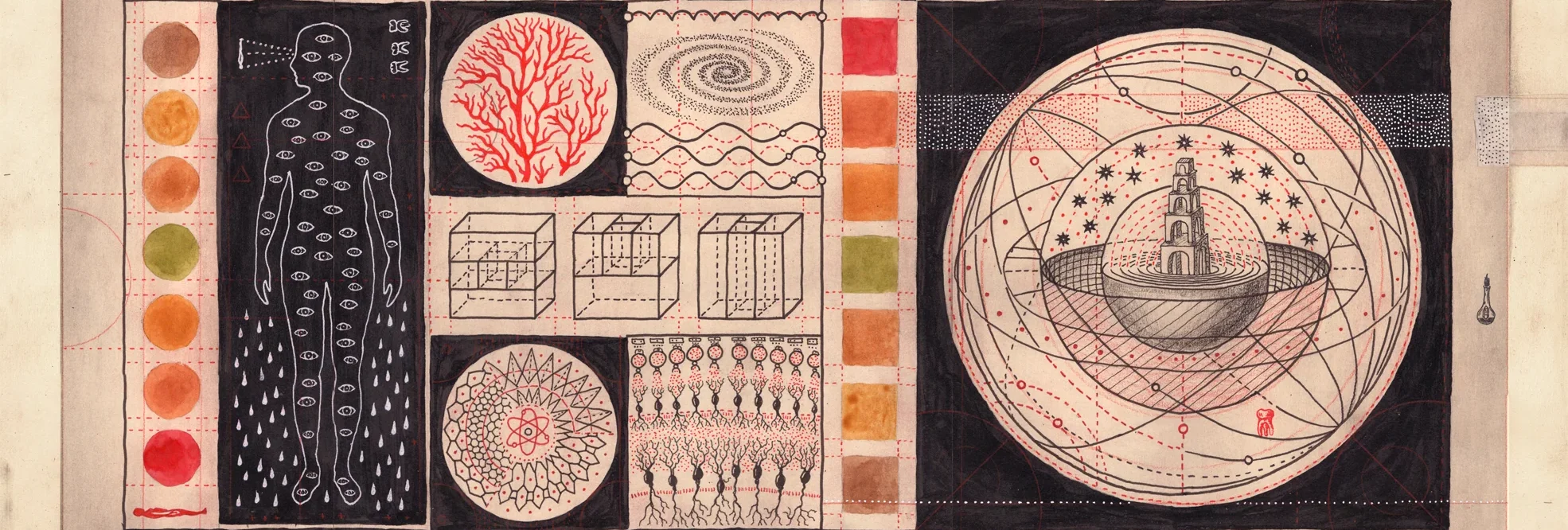
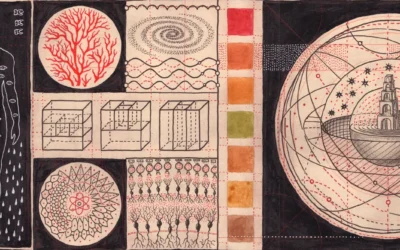
Discover fractal fluency—the neuroscience of why natural patterns calm the brain while minimalist architecture stresses it. Learn how to create a “visual diet” for trauma recovery by designing environments with the right fractal dimension (D=1.3-1.5) to passively regulate the nervous system.
Design Psychology: The Architecture of the Mind
Our environments are not just backgrounds; they are silent participants in our mental health. From the “cathedral effect” of high ceilings to the restorative power of biophilic textures, we explore how the spaces we inhabit shape the way we think, feel, and heal.
Clinically Reviewed & Edited By:
Joel Blackstock, LICSW-S, MSW, PIP | Clinical Director, Taproot Therapy Collective
Spatial Dynamics & Healing
Neuroarchitecture & Biology
How the built environment talks to the brain.
- Circadian Lighting: The impact of light temperature on cortisol and melatonin regulation.
- Biophilic Design: Why organic patterns and natural materials reduce sympathetic nervous system arousal.
- Sensory Integration: Designing for neurodivergence and trauma-informed sensitivity.
Therapeutic Space Logic
The geometry of rapport and regulation.
- The Cathedral Effect: How ceiling height influences abstract thinking vs. detail-oriented focus.
- Furniture Geometry: Why 90-degree seating arrangements reduce social anxiety in clinical settings.
- Color & Texture: Using haptic feedback and chromatic scales to foster safety.
Birmingham Built Environments
Regional aesthetics and psychological comfort.
- Southern Architecture: The psychology of porches, communal spaces, and regional identity.
- Urban Planning: How Birmingham’s natural topography and green spaces act as public mental health resources.
- Local Heritage: Repurposing historical industrial spaces for modern healing.
Why Your Living Room is a Clinical Tool
At Taproot, we believe that self-care begins with the “container” you live in. A cluttered environment creates a cluttered mind, but a thoughtfully designed space can anchor a dysregulated nervous system. By applying the principles of environmental psychology, we help clients treat their physical surroundings as an extension of their therapeutic work.
Whether it’s optimizing a home office for focus or understanding why certain urban layouts trigger stress, design psychology provides the map for a more regulated, purposeful life.
Space & Wellbeing: FAQ
What is biophilic design in mental health?
Biophilic design incorporates natural elements—light, plants, and organic shapes—into built spaces. Research shows this can lower blood pressure, reduce heart rate, and speed up recovery from stressful events.
Is your Hoover clinic designed with these principles?
Absolutely. We have curated our Birmingham office to maximize safety, lighting, and spatial comfort, ensuring that your environment supports your nervous system from the moment you walk through the door.
Can small changes in my home really help my depression?
Yes. Simple adjustments to lighting, decluttering high-traffic areas, and introducing tactile, grounding elements can reduce the cognitive load on your brain, providing a more supportive environment for healing.
Heal in a Space Designed for You
Our environment impacts us more than we realize. If you are seeking a therapist in Hoover, AL who understands how your world shapes your mind, our team is accepting new patients.
📍 Taproot Therapy Collective: 2025 Shady Crest Dr, Suite 203, Hoover, AL 35216
The Iron Psyche: Birmingham’s Architecture as Mirror of Collective Consciousness
Alabama Local History, Design Psychology, Psychology of Buildings and Architecture, Psychology of History
Explore Birmingham, Alabama’s architectural evolution through a psychological lens, from industrial shotgun houses to Tudor Revival suburbs, examining how the Magic City’s buildings reflect collective consciousness, trauma, and healing across 150 years of urban development.
The Archetype’s in Brand Psychology: Building Authentic Identity Through Jung’s Timeless Wisdom
Alternative Medicine and Holistic Health, Anthropology and Evolutionary Psychology for Therapy, Design Psychology, Industrial Organisational Psychology, Therapeutic Approaches and Techniques for Therapists, Trauma, Depth Psychology, and Social Work
Discover how Jung’s Jester archetype and the 12 archetypal patterns transform brand identity, from therapy practices to Fortune 500 companies. Learn practical strategies for authentic archetypal branding that bridges ancient wisdom with modern neuroscience.
How to Pick a Therapy Chair for Your Psychotherapy Office
Design Psychology, Free Resources for Therapists in Private Practice, Therapy Resources, Tips and Tools
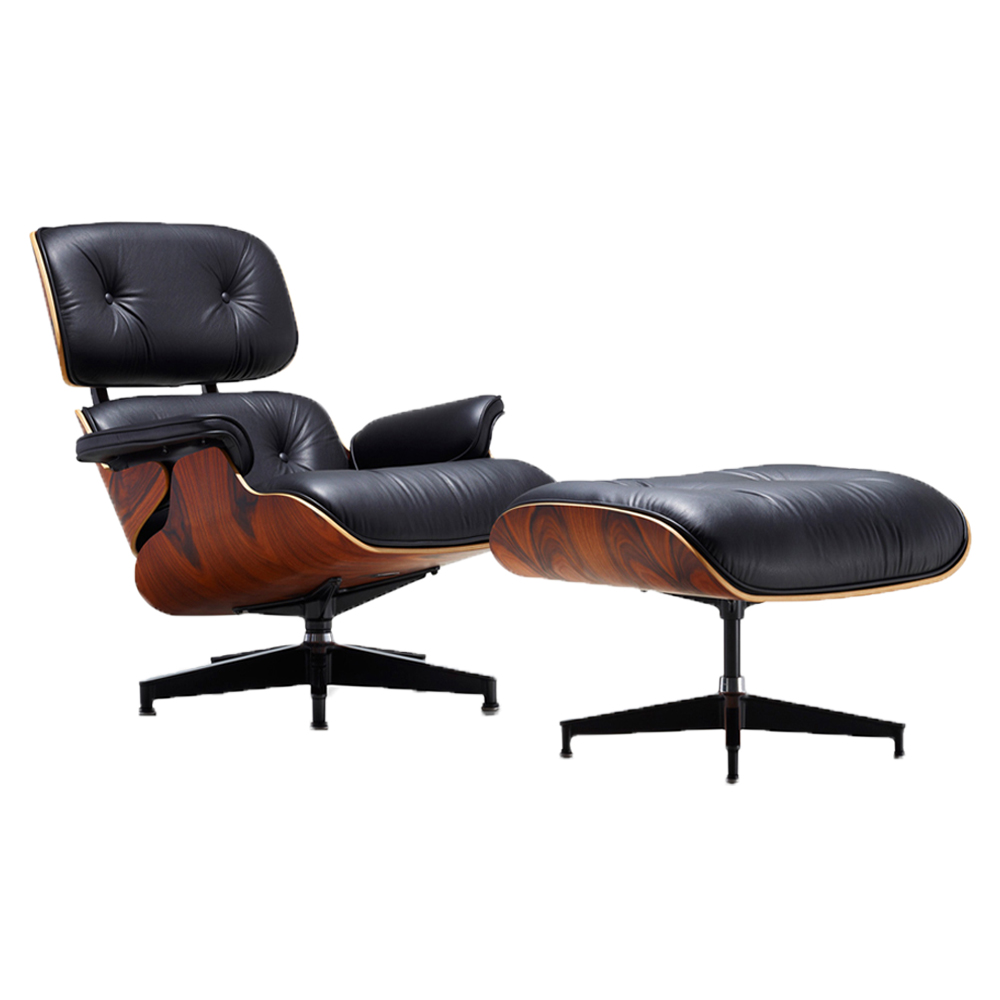
Why Design Psychology Matters Insights from 12 Mid-Century Modern Masters of Design The field of design psychology examines how the built environment shapes human behavior, emotions and well-being. From the layout of city streets to the furnishings in our homes, the designed world is a powerful yet often invisible influence on our inner lives. We have most of these chairs in our Hoover offices at Taproot Therapy Collective. If you are local you can come test them out. Nowhere is this more important than in spaces...
William Morris: Weaving the Threads of Myth into Design
Design Psychology, Psychology of Artists, Poets, and Writers, Symbolism and Meaning in Psychotherapy
Who Was William Morris? William Morris was a designer known for his exquisite tapestries depicting scenes from myth, legend and medieval romance. More than decorative objects, these woven works invite the viewer into a mesmerizing world of archetypes, hidden meanings and the unconscious stirrings of the soul. Morris's oeuvre exemplifies many of the insights of depth psychology - the recognition that powerful symbols, when engaged with imaginatively, can connect us to profound truths within the psyche. The Mythic...
Victorian Eclecticism: A Fusion of Styles
Design Psychology, Psychology of Buildings and Architecture
The Psychlogy of Victorian Eclecticism The Psychology of Victorian Eclecticism: A Fusion of Styles Victorian Eclecticism, prevalent during the reign of Queen Victoria (1837-1901), represents a period of architectural exuberance and diversity. This movement, characterized by its blend of various historical styles, reflects the complex social and cultural landscape of the 19th century. In this exploration, we'll examine the origins, characteristics, and psychological underpinnings of Victorian Eclecticism....
The Psychology of Design: How Our Spaces Reveal Our Minds
Design Psychology, Industrial Organisational Psychology, Psychology of Buildings and Architecture, Symbolism and Meaning in Psychotherapy
The Psychology of Design in America Design is more than just the way things look. Design is an alchemization of a culture's values, aspirations, anxieties and worldview at a particular moment in time. Like an anthropologist studying ancient ruins to understand a lost civilization, we can examine the designs of past eras to gain insight into the psyche of the society that created them. Every curve of a 1950s tail fin, every earthtone in a 1970s living room, every boxy black appliance of the 1980s was...