Psychology: Understanding the Science and Art of Mental Health
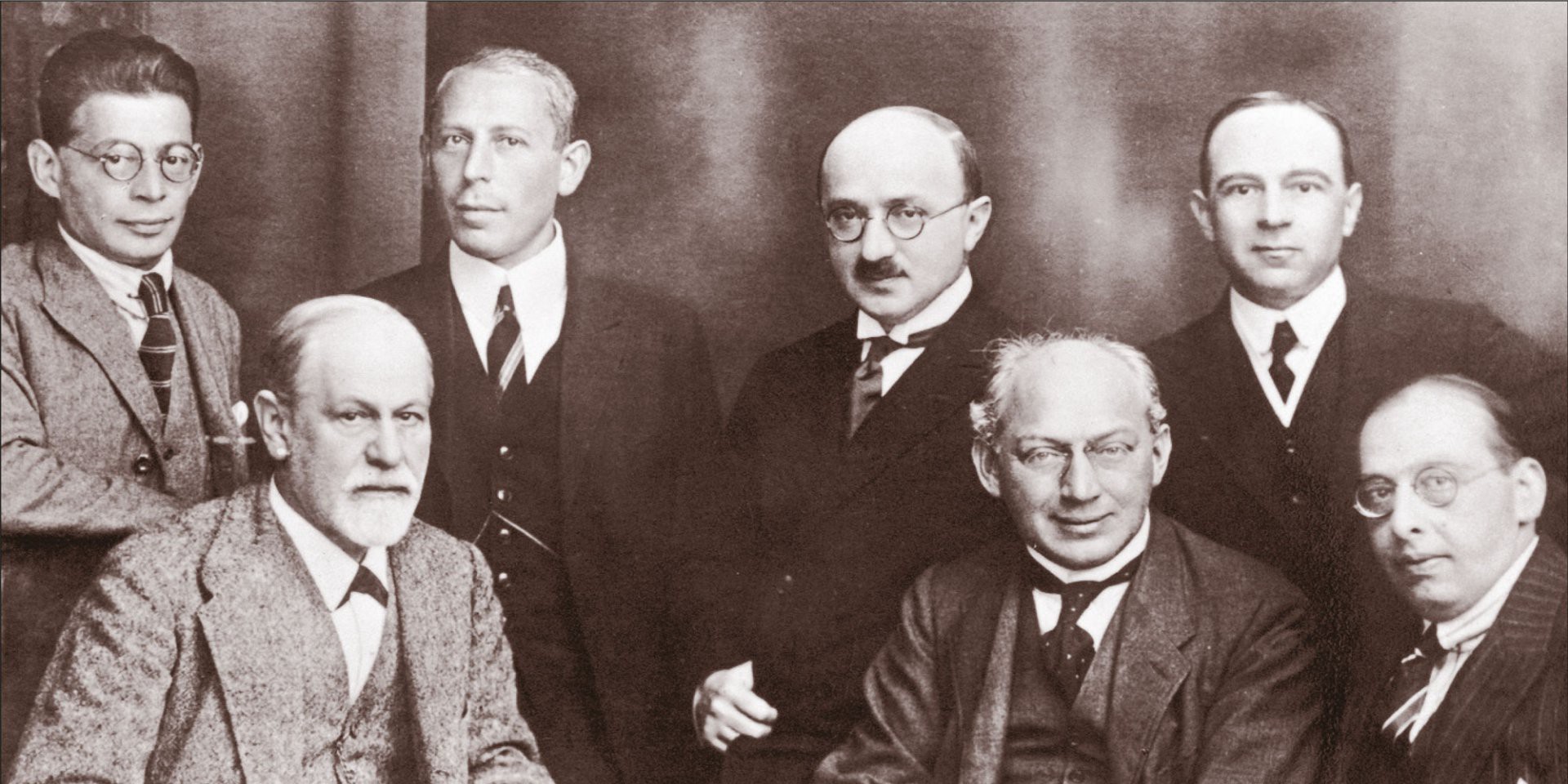
Exploring Diverse Approaches to Human Experience in Birmingham
Welcome to Taproot Therapy Collective’s exploration of psychology in all its complexity, from foundational theories to cutting-edge research shaping how we understand and treat mental health. Our psychology content bridges academic research with practical therapeutic applications while examining how different psychological approaches inform effective mental health care.
What You’ll Find in These Articles
Our psychology content covers major therapeutic modalities, from cognitive-behavioral approaches and psychodynamic theories to humanistic and transpersonal perspectives. We explore how these different frameworks understand human nature, psychological development, and the change process while examining their practical applications in Birmingham therapeutic practice.
You’ll discover articles on influential psychologists and their contributions, research findings that challenge conventional wisdom, and debates within the field about effectiveness, cultural responsiveness, and integration. We examine both the promises and limitations of psychological approaches while exploring how they complement each other in comprehensive mental health care.
Bridging Theory and Practice
These articles translate complex psychological concepts into accessible insights while maintaining scientific rigor and therapeutic relevance. From exploring attachment theory’s applications to trauma treatment to understanding how positive psychology research informs resilience building, our content shows how psychological knowledge enhances the therapeutic approaches detailed on our main services page.
We also examine emerging areas like neuropsychology, cultural psychology, and digital mental health that are reshaping the field while addressing ongoing questions about evidence-based practice explored in our psychology and research section.
Birmingham Mental Health Context
Our psychology articles often connect broader psychological principles with Birmingham’s unique cultural context, examining how regional factors, historical experiences, and community resources influence mental health understanding and treatment approaches in Alabama.
Contact Taproot Therapy Collective: 📍 2025 Shady Crest Dr. Suite 203, Hoover, AL 35216
📞 (205) 598-6471
🌐 www.GetTherapyBirmingham.com
🎧 Podcast: gettherapybirmingham.podbean.com
Discover + Heal + Grow with Taproot Therapy Collective – Birmingham’s resource for understanding psychology’s diverse approaches to mental health and human experience.