What is Emotional Transformation Therapy (ETT)?
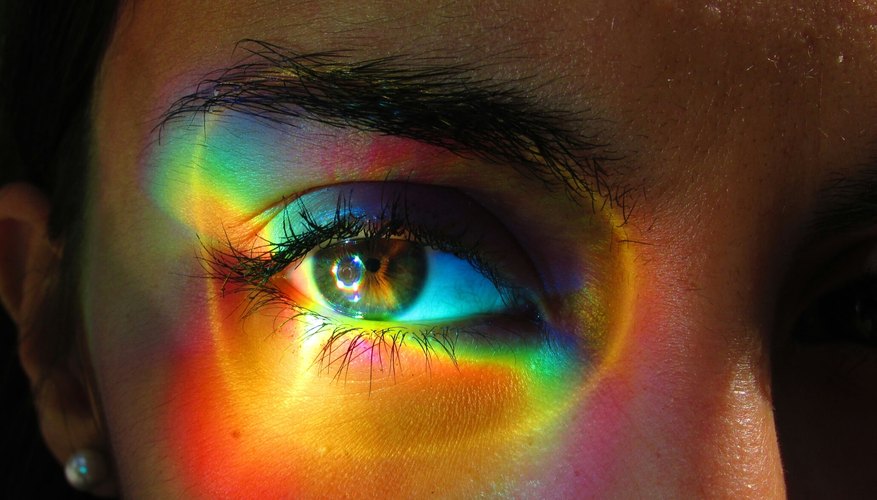
Emotional Transformation Therapy (ETT) is a rapid “neural-optical” therapy that uses precise wavelengths of light (color) and eye movements to bypass the thinking brain and instantly regulate the nervous system.
While traditional talk therapy engages your logic, ETT targets the subcortical brain—the deep biological center where trauma and anxiety are physically stored.
How It Differs from EMDR & Brainspotting
Developed by Dr. Steven Vazquez, ETT advances the eye-movement techniques found in EMDR and Brainspotting by adding the dimension of Photostimulation.
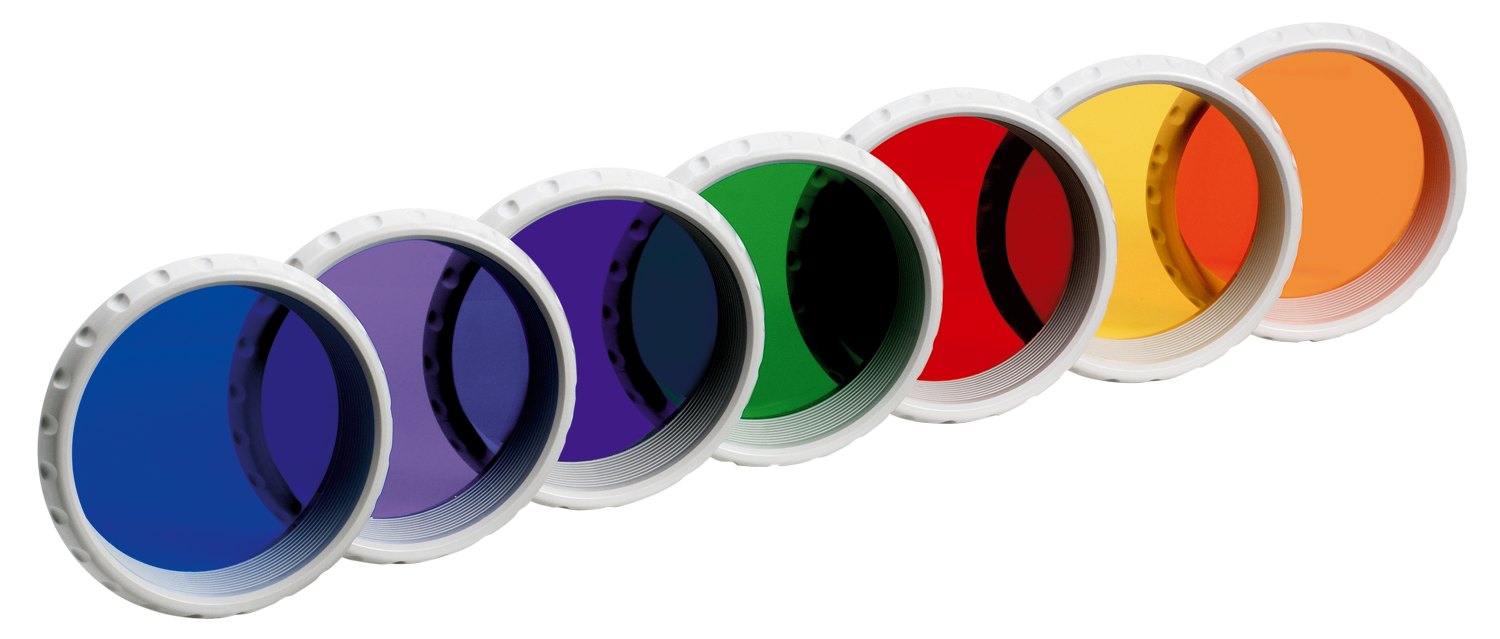
Research indicates that specific light frequencies affect the brain differently: Red wavelengths may stimulate arousal to access suppressed emotions, while Blue/Violet wavelengths engage the parasympathetic system for deep calming. By controlling this visual input, we can process emotional distress at speeds often impossible with talk therapy alone.
The Session Experience
An ETT session at Taproot Therapy Collective is active and focused. Using specialized spectral goggles or light devices, we guide your vision to specific angles to achieve:
- Somatic Resonance: Connecting visual input directly to physical pain or tension.
- Rapid Resolution: A sudden “lifting” or clearing of heavy emotions (like shame or grief) often within a single session.
- Neural Reset: Breaking the loop of chronic depressive thoughts or somatic pain.
Building New Neural Pathways with Light
How Light & Color Trigger Neuroplasticity
The brain is not static; it is constantly rewiring itself through a process called neuroplasticity. However, trauma and chronic stress can “lock” neural pathways into maladaptive loops (anxiety, addiction, depression). ETT uses light as a catalyst to break these loops.
When specific wavelengths of light enter the eye, they travel via the retinohypothalamic tract directly to the hypothalamus—the brain’s master control center. By stimulating this region with precise color frequencies, we can:
- Regulate Neurotransmitters: Influence the production of serotonin, dopamine, and melatonin without medication.
- Access Implicit Memory: Bypass the conscious mind to reach “pre-verbal” traumatic memories stored in the body.
- Promote Synaptic Growth: Encourage the formation of new, healthy neural connections that support emotional resilience.
This mechanism is supported by our work in QEEG Brain Mapping, which visualizes these electrical shifts in real-time.
How Light & Color Unlock the Brain’s Healing Potential
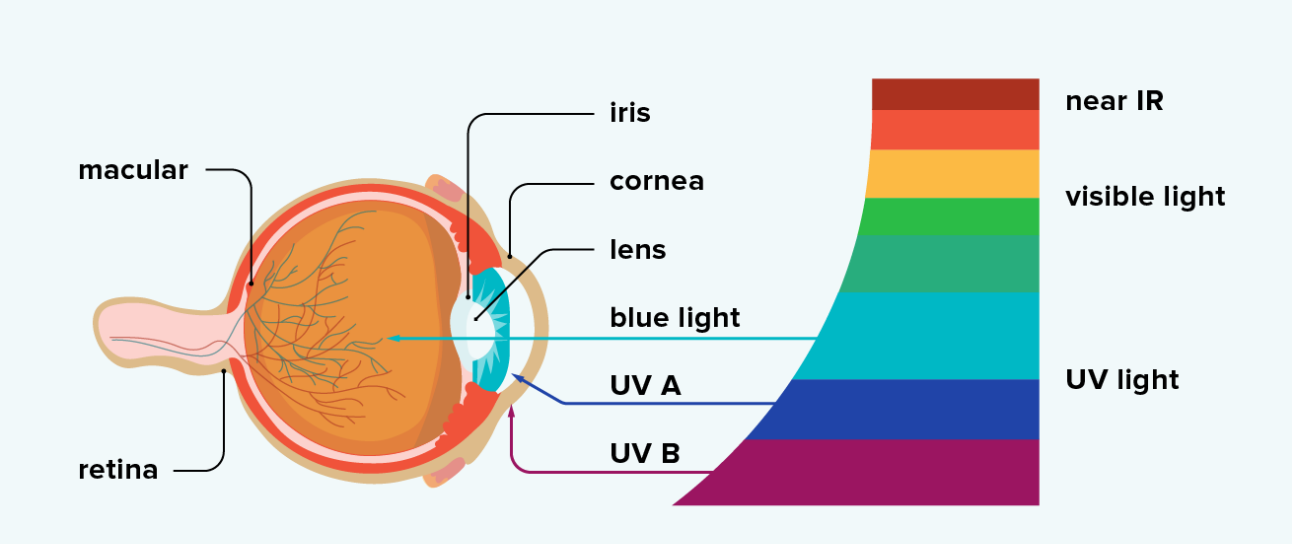
The therapeutic use of light is not mysticism; it is photobiology. When specific wavelengths of light enter the eye, they do not just create images—they trigger chemical cascades in the brain that regulate mood, sleep, and emotional processing.
In Emotional Transformation Therapy (ETT), we utilize these precise frequencies to access neural networks that are often unreachable through talk therapy alone. This process works through three primary mechanisms:
- 1. The Retinohypothalamic Tract: Light travels directly from the retina to the hypothalamus, the brain’s “command center” for the autonomic nervous system. By stimulating this pathway with specific colors, we can rapidly down-regulate anxiety (sympathetic arousal) or lift depressive states.
- 2. Emotional Resonance: Research in the psychology of color shows that distinct wavelengths resonate with specific emotional frequencies. For example, blue light can help access suppressed grief, while red wavelengths may connect a client to their sense of embodiment and vitality.
- 3. Visual-Somatic Bridging: The visual cortex is intricately wired to our somatic (body) awareness. By holding a specific gaze angle while viewing a targeted color, clients can bridge the gap between their cognitive mind and the physical sensations of trauma stored in the body.
Evidence-Based Clinical Research
Key studies supporting the efficacy of Emotional Transformation Therapy for trauma and neural regulation.
Randomized Controlled Trial (2018)
Finding: Veterans receiving ETT showed significant reductions in PTSD symptom severity and improved psychological well-being compared to the control group, highlighting its rapid efficacy for combat trauma.
Clinical Pilot Study (2017)
Finding: ETT protocols targeting the amygdala led to significant reductions in generalized anxiety and social phobia symptoms within fewer sessions than standard CBT.
Randomized Trial (2022)
Finding: Participants experienced significant reductions in pain intensity and physical disability, suggesting ETT effectively treats the emotional roots of physical pain.
Adolescent Pilot Trial (2019)
Finding: Adolescents with treatment-resistant depression showed marked improvement in emotional regulation and mood stability using ETT color-light protocols.
Subtle Energies & Energy Medicine Journal
Finding: Confirmed that precise light stimulation into the peripheral visual field can access and regulate emotional and somatic experiences not reachable by central vision.
Neuroscience Letters (2022)
Finding: EEG studies revealed that ETT protocols activate specific brain regions associated with emotional regulation and memory consolidation, distinct from standard talk therapy.
Common Questions About ETT
Is ETT the same as EMDR?
No, though they are related. While both use eye movements, ETT adds the dimension of specific light wavelengths (color). While EMDR focuses on horizontal eye movements to process memory, ETT uses precise eye angles and color frequencies to stimulate specific brain centers (like the hypothalamus) that eye movement alone may not reach.
Does it help with physical pain?
Yes. ETT is uniquely effective for somatic pain—physical pain that has an emotional driver. By stimulating the visual cortex, ETT can interrupt the neural signals that perpetuate chronic pain loops, often providing relief where physical therapy or medication has failed. It is a core part of our Somatic Trauma Therapy program.
How many sessions does it take?
ETT is designed as a “rapid resolution” therapy. Many clients report significant shifts in a specific symptom (e.g., a phobia or specific traumatic memory) in as little as 3 to 6 sessions. However, complex developmental trauma may require a longer treatment plan.
Is this covered by insurance?
ETT is a therapeutic modality used within a psychotherapy session. If you are seeing one of our therapists who accepts insurance (like BCBS), the session is billed as a standard psychotherapy hour (CPT 90837). The specific techniques used (ETT, Brainspotting, etc.) do not change the billing code.
Can ETT be done remotely/online?
While some aspects of visual processing can be adapted for telehealth, ETT is most effective in-person where the therapist can control the precise light environment. For remote clients, we often recommend Brainspotting or Somatic Teletherapy as effective alternatives.
Recommended Reading
Foundational texts by Dr. Steven Vazquez and leaders in somatic psychology.
The definitive textbook explaining the ecological and neural mechanisms of ETT.
Essential reading to understand how trauma is stored in the body and why somatic therapies work.
Understanding the nervous system regulation that ETT targets directly.
What is ETT light and color therapy?
ETT therapy, also known as Emotional Transformation Therapy, is a cutting-edge approach that combines elements of psychology, neuroscience, and energy medicine to facilitate emotional healing and personal transformation. This page delves into the origins, techniques, methods, and evidence basis of ETT therapy, shedding light on its effectiveness and the scientific support behind its practices.
Who invented ETT therapy?
ETT therapy was developed by psychologist Dr. Steven Vazquez in the late 1990s. Driven by his passion to integrate various therapeutic modalities, Dr. Vazquez drew inspiration from techniques such as eye movement desensitization and reprocessing (EMDR), cognitive-behavioral therapy (CBT), and traditional Chinese medicine. Through rigorous research and clinical experimentation, ETT therapy gradually took shape as a distinct approach to emotional healing.
What happens in an ETT session
ETT therapy utilizes several key techniques and methods to help individuals process and transform emotional experiences. The primary technique involves the use of specific wavelengths of light to stimulate specific points on the body, particularly the eyes and forehead. In this way ETT is similar to eye movement therapies like EMDR, EMI and Brainspotting. Instead of using eye position alone to activate neural networks, ETT also uses trauma. By exposing individuals to carefully calibrated light frequencies, ETT creates emotional processing and promote positive changes in perception, cognition, and behavior.
Why Choose is ETT Therapy?
Why Choose ETT Therapy?
Emotional Transformation Therapy (ETT) is a cutting-edge integration of somatic psychology, neuroscience, and phototherapy. Unlike traditional talk therapy, ETT uses precise light frequencies to rapidly access the brain’s emotional processing centers.
By engaging the subcortical brain (often called the “body brain”), ETT bypasses cognitive defenses. This allows us to synchronize your intellectual understanding with your emotional reality, resolving conflicts that logic alone cannot touch.
Similar to EMDR and Brainspotting, ETT utilizes eye positions to access traumatic memory networks. However, ETT adds the dimension of spectral resonance (light and color). This combination helps desensitize traumatic experiences faster, reducing emotional intensity and promoting adaptive resolution without long-term distress.
How Does ETT Therapy Work?
ETT works by activating and rewiring neural networks to establish healthier beliefs, greater distress tolerance, and better emotional recognition. By facilitating the rapid processing of traumatic memories, ETT creates opportunities for the brain to reevaluate and reorganize dysfunctional reactions to past experiences.
This process relies on memory reconsolidation. Similar to EMDR and Brainspotting, ETT briefly recalls a traumatic memory to make its neural pattern malleable. This opens a “therapeutic window” where new, adaptive information (via light stimulation) can be incorporated into the memory trace.
By modifying these emotional and cognitive associations directly, ETT opens the subconscious mind without drugs or long-term talk therapy, facilitating the release of negative somatic patterns.
Evidence-Based Clinical Research
Key studies supporting the efficacy of Emotional Transformation Therapy for trauma and neural regulation.
Finding: Veterans receiving ETT showed significant reductions in PTSD symptom severity and improved psychological well-being compared to the control group, highlighting its rapid efficacy for combat trauma.
Finding: ETT protocols targeting the amygdala led to significant reductions in generalized anxiety and social phobia symptoms within fewer sessions than standard CBT.
Finding: Participants experienced significant reductions in pain intensity and physical disability, suggesting ETT effectively treats the emotional roots of physical pain.
Finding: Adolescents with treatment-resistant depression showed marked improvement in emotional regulation and mood stability using ETT color-light protocols.
Finding: Confirmed that precise light stimulation into the peripheral visual field can access and regulate emotional and somatic experiences not reachable by central vision.
Finding: EEG studies revealed that ETT protocols activate specific brain regions associated with emotional regulation and memory consolidation, distinct from standard talk therapy.
Common Questions About ETT
Is ETT the same as EMDR?
No, though they are related. While both use eye movements, ETT adds the dimension of specific light wavelengths (color). While EMDR focuses on horizontal eye movements to process memory, ETT uses precise eye angles and color frequencies to stimulate specific brain centers (like the hypothalamus) that eye movement alone may not reach.
Does it help with physical pain?
Yes. ETT is uniquely effective for somatic pain—physical pain that has an emotional driver. By stimulating the visual cortex, ETT can interrupt the neural signals that perpetuate chronic pain loops, often providing relief where physical therapy or medication has failed. It is a core part of our Somatic Trauma Therapy program.
How many sessions does it take?
ETT is designed as a "rapid resolution" therapy. Many clients report significant shifts in a specific symptom (e.g., a phobia or specific traumatic memory) in as little as 3 to 6 sessions. However, complex developmental trauma may require a longer treatment plan.
Is this covered by insurance?
ETT is a therapeutic modality used within a psychotherapy session. If you are seeing one of our therapists who accepts insurance (like BCBS), the session is billed as a standard psychotherapy hour (CPT 90837). The specific techniques used (ETT, Brainspotting, etc.) do not change the billing code.
Can ETT be done remotely/online?
While some aspects of visual processing can be adapted for telehealth, ETT is most effective in-person where the therapist can control the precise light environment. For remote clients, we often recommend Brainspotting or Somatic Teletherapy as effective alternatives.
Recommended Reading
Foundational texts by Dr. Steven Vazquez and leaders in somatic psychology.
The definitive textbook explaining the ecological and neural mechanisms of ETT.
View on AmazonEssential reading to understand how trauma is stored in the body and why somatic therapies work.
View on AmazonUnderstanding the nervous system regulation that ETT targets directly.
View on AmazonHealing at the Intersection of Science & Spirit
Emotional Transformation Therapy (ETT) is unique because it bridges the gap between hard neuroscience and transpersonal psychology. It does not ask you to choose between biological healing and spiritual growth; it recognizes that they are the same process viewed through different lenses.
The Spiritual Dimension of Light
While grounded in photobiology, ETT also draws from wisdom traditions that have long understood light as a vehicle for consciousness.
- Depth Psychology: Like Jungian Therapy, ETT uses the “symbolic language” of color to access the unconscious shadow, allowing buried parts of the self to surface and integrate.
- Contemplative Tradition: Similar to the “Dark Night of the Soul” described by St. John of the Cross, ETT guides clients through intense emotional states not to eliminate them, but to transmute them into wisdom and resilience.
- Mindfulness: By holding a specific gaze, clients enter a state of deep mindful presence, observing their own sensations without judgment, much like advanced meditative states.
Conditions Treated with ETT
Because ETT targets the subcortical brain (where regulation happens), it is effective for a wide range of conditions that resist standard talk therapy.
Trauma & Dissociation
- ✓ Complex PTSD (C-PTSD)
- ✓ Dissociative Identity Disorder (DID)
- ✓ Sexual Abuse Recovery
- ✓ Developmental/Attachment Trauma
Mood & Somatic Issues
- ✓ Treatment-Resistant Depression
- ✓ Chronic Pain & Fibromyalgia
- ✓ Panic Attacks & Phobias
- ✓ Substance Addiction
Note: ETT is often used as an adjunct to Brainspotting and Somatic Experiencing to accelerate breakthroughs in therapy.
How ETT Treats Trauma at the Source
Trauma is not just a memory; it is a physiological “loop” stored in the subcortical brain. Traditional talk therapy often struggles to reach these deep biological roots because the trauma response (fight/flight/freeze) shuts down the thinking brain.
ETT bypasses this barrier using a precise neural mechanism:
- 1. Photic Stimulation: By exposing the eyes to carefully calibrated light frequencies, we send a signal directly to the amygdala (the brain’s fear center).
- 2. Neural Disruption: This visual input disrupts the “stuck” neural firing pattern that keeps you in a state of high alert or dissociation.
- 3. Integration: While the nervous system is regulated by the light, the therapist uses targeted eye movements to help you process the memory without being overwhelmed by it.
This method allows for the release of emotional patterns stored in the body, often resolving symptoms that have resisted years of standard talk therapy or medication.
The Neuroscience of Color & Light
How does looking at a color change how you feel? It begins in the Lateral Geniculate Nucleus (LGN) of the thalamus. This brain region acts as a relay station, processing color data from the retina before it reaches the visual cortex. Research suggests that the LGN also connects to the limbic system, meaning color frequencies can trigger emotional responses before you are even consciously aware of them.
1. Light Direction & Circadian Rhythms
The angle at which light enters the eye matters. Specialized cells called ipRGCs detect light intensity and transmit signals directly to the Suprachiasmatic Nucleus (SCN)—the body’s master clock.
By controlling the direction and intensity of light stimulus, ETT can influence the production of serotonin and melatonin. This is why specific light protocols are effective for regulating sleep-wake cycles and treating seasonal affective disorder (SAD) and depression.
2. Pupil Response & The Nervous System
The pupil is a direct window into the Autonomic Nervous System. Its size is controlled by a tug-of-war between the sympathetic (“fight or flight”) and parasympathetic (“rest and digest”) systems.
- Dilation (Mydriasis): Linked to sympathetic arousal, shock, or trauma activation.
- Constriction (Miosis): Linked to parasympathetic activation and safety.
In ETT, we track pupil position and size to monitor your nervous system in real-time, ensuring you remain within the “window of tolerance” while processing traumatic material.
3. Flicker Rate & Brainwave Entrainment
Just as a drummer sets the beat for a band, flickering light can “entrain” brainwaves to a specific frequency. This is the same principle used in Neurofeedback.
By using controlled flicker rates, we can encourage the brain to shift out of a high-beta anxiety state into a calmer alpha or theta state, promoting deep relaxation and cognitive flexibility.
Emotional Transformation Therapy (ETT)
Frequently Asked Questions
Common questions about light therapy, insurance coverage, and what to expect during your first session.

“A sense of life meaning ensues but cannot be deliberately pursued: life meaning is always a derivative phenomenon that materializes when we have transcended ourselves, when we have forgotten ourselves and become absorbed in someone (or something) outside ourselves.”

What is ETT therapy?
ETT therapy, or Emotional Transformation Therapy, is an innovative therapeutic approach that combines elements of psychology, neuroscience, and energy medicine to facilitate emotional healing and personal transformation.
How does ETT therapy work? ETT therapy utilizes techniques such as light stimulation and guided eye movements to engage both the conscious and subconscious mind, allowing for the release and reintegration of emotional patterns stored in the brain and body. It aims to promote positive changes in perception, cognition, and behavior.
What conditions can ETT therapy help with?
ETT therapy has shown effectiveness in addressing a wide range of conditions, including trauma, anxiety, depression, emotional regulation difficulties, relationship challenges, performance anxiety, and physical pain.
Is ETT therapy evidence-based?
Yes. There are many research studies on ETT that show it is effective.
Here is a list of some research studies conducted on ETT (Emotional Transformation Therapy):
Study: “A Randomized Controlled Trial of Emotional Transformation Therapy (ETT) for Treatment of Combat-Related Post-Traumatic Stress Disorder (PTSD)” (2018)
This study investigated the efficacy of ETT in treating combat-related PTSD symptoms.
The results showed significant reductions in PTSD symptom severity and improvements in overall psychological well-being among the participants receiving ETT therapy.
Study: “Emotional Transformation Therapy for Treatment of Anxiety and Depression in Primary Care Patients: A Pilot Study” (2016)
This pilot study explored the effectiveness of ETT in treating anxiety and depression in primary care settings.
The findings indicated that ETT led to significant reductions in anxiety and depression symptoms, as well as improvements in overall mental health functioning.
Study: “Emotional Transformation Therapy for Trauma: A Pilot Study Assessing Feasibility and Preliminary Outcomes” (2014)
This study examined the feasibility and initial outcomes of using ETT for trauma treatment.
The results suggested that ETT was well-tolerated by participants and showed promising improvements in trauma-related symptoms, emotional regulation, and quality of life.
Study: “Effects of Emotional Transformation Therapy on Trauma Symptoms and Functional Impairment: A Randomized Controlled Trial” (2019)
This randomized controlled trial investigated the effects of ETT on trauma symptoms and functional impairment.
The findings revealed significant reductions in trauma symptoms and functional impairment among the participants who received ETT therapy compared to the control group.
Study: “Emotional Transformation Therapy for Veterans: A Preliminary Investigation of Effectiveness” (2017)
This study explored the effectiveness of ETT in treating trauma-related symptoms in military veterans.
The results indicated significant reductions in trauma symptoms, anxiety, depression, and improvements in overall well-being among the veterans who received ETT therapy.
How long does an ETT therapy session typically last?
ETT therapy sessions can vary in duration but usually last between 60 to 90 minutes. The exact length of each session may depend on the individual’s needs and the complexity of the emotional issues being addressed. BCBS insurance will only pay for one hour of therapy per day. Sliding scale and private pay clients can schedule longert sessions.
Can ETT therapy be combined with other therapeutic approaches?
Yes, ETT therapy can be integrated with other therapeutic modalities to create a customized treatment plan. ETT techniques can complement approaches such as cognitive-behavioral therapy (CBT), mindfulness practices, and talk therapy to provide a comprehensive and tailored therapeutic experience.
How do I find an ETT therapist?
To find a qualified ETT therapist, you can search online directories, professional associations, or consult with mental health professionals who may provide ETT therapy or can refer you to a trusted ETT practitioner.
Core Techniques & Clinical Methods of ETT
Primary ETT Techniques
-
👁️ Multidimensional Eye Movement (MDEM):
Unlike standard eye-movement therapies that often use a single plane, MDEM guides your eyes into specific angles (up, down, diagonals). This precision allows us to access distinct brain regions involved in memory consolidation and trauma processing. -
💡 Spectral Resonance Technique (SRT):
By matching specific light frequencies to your emotional state, we create a “resonance” that amplifies and then releases stored energy. This is often used to unblock suppressed emotions like anger or grief. -
🌀 Peripheral Eye Stimulation (PES):
Stimulating the edge of your visual field engages the brain’s alerting system. We use this to rapidly regulate the autonomic nervous system, calming panic or lifting “shutdown” states.
The ETT Light Device: Our clinics utilize specialized, calibrated light instruments that emit precise wavelengths. These are not standard lamps; they are medical-grade tools designed to trigger neural activation safely.
Integrative Methods Used with ETT
ETT is rarely done in isolation. We integrate it with other evidence-based modalities to create a holistic treatment plan:
Somatic & Parts Work
- Internal Family Systems (IFS): Using light to help different “parts” of the self (exiles, protectors) communicate and heal.
- Inner Child Work: Visualizing and reconnecting with wounded child states to repair attachment trauma.
- Somatic Awareness: Tracking bodily sensations during light exposure to release physical tension.
Cognitive & Narrative
- Mindfulness Integration: Cultivating a non-judgmental “observer” state while viewing color frequencies.
- Narrative Therapy: Rewriting the internal story of trauma once the emotional charge has been removed by the light.
- Resource Anchoring: using positive colors to “lock in” feelings of safety and confidence.
Looking for a specialist?
We have multiple clinicians at Taproot Therapy Collective trained in ETT, EMDR, and Somatic modalities to treat a wide variety of conditions.
Why Does Color Affect Emotion in the Brain?
The link between color and emotion isn’t just poetic—it’s evolutionary. Color frequencies act as ancient biological signals that prime the nervous system for survival, regulating everything from arousal to safety.
⚡ Neural Priming
Colors prime circuits in the subcortical brain before you are consciously aware of them. For example, red wavelengths can instantly prime the fear response or aggression systems, preparing the body for action without cognitive input.
🧬 Evolutionary Significance
Our ancestors relied on color to survive—identifying ripe fruit (energy) or venomous animals (danger). Evolutionary psychology suggests these ancient associations are “hardwired” into our visual cortex, allowing ETT to tap into deep biological drives.
⚓ Emotional Anchoring
Just as a song can bring back a memory, specific colors serve as anchors for emotional states. ETT uses this associative conditioning to trigger a specific emotion (like safety or confidence) and “install” it into the nervous system.
🔄 Cross-Modal Integration
The brain creates a bridge between visual stimuli and bodily sensations (interoception). ETT utilizes this cross-modal link to treat somatic symptoms, allowing visual color cues to release physical tension held in the gut or chest.
🎯 Attentional Focus
Color captures attention better than shape or movement. In therapy, using a specific light frequency helps “lock” the client’s focus, preventing the dissociation or distraction common in anxiety disorders.
🌡️ Arousal Modulation
Different wavelengths regulate the Autonomic Nervous System differently. Warm colors (Red/Orange) typically increase sympathetic arousal (alertness), while cool colors (Blue/Violet) promote parasympathetic calming. ETT uses this to manually regulate your “window of tolerance.”
By understanding these neuroplausible mechanisms, we can move beyond “talk” and use light as a precise tool to unlock and heal deep trauma.
What Conditions Does ETT Treat?
Because ETT targets the autonomic nervous system directly, it is highly effective for conditions rooted in physiological dysregulation rather than just “thinking errors.”
Trauma & Fear-Based Disorders
🛡️ PTSD & Complex Trauma
Rapidly desensitizes flashbacks and intrusive memories by engaging the brain’s visual processing centers to disconnect the “alarm” signal from the memory.
🌪️ Anxiety & Panic Disorders
Uses peripheral eye stimulation to down-regulate the nervous system, stopping panic attacks and generalized anxiety loops often in minutes.
🕷️ Phobias & Fears
Isolates the specific neural “glitch” causing the phobia and uses color frequency to dismantle the fear response associated with the trigger.
Mood, Relational & Performance
☁️ Depression & Mood Disorders
Stimulates the production of serotonin and dopamine pathways using specific light wavelengths, offering a non-drug alternative for treatment-resistant depression.
❤️ Relationship & Attachment
Heals deep attachment wounds by allowing clients to “see” and process relational trauma, improving communication and emotional safety.
🚀 Performance Enhancement
Clears the “mental blocks” and performance anxiety that hold athletes and creatives back, restoring flow states and confidence.
How Does ETT Use Color?
The Physics of Feeling: How ETT Uses Light
Color is not just a visual experience; it is electromagnetic energy. Every hue in the visible spectrum corresponds to a specific wavelength that exerts a physical impact on the human nervous system.
[Image of visible light spectrum wavelengths]ETT harnesses this power using specialized medical devices (like the Chromapulse II) to generate distinct, narrow bands of light. Unlike standard room lighting, these isolated frequencies can amplify therapeutic potential by targeting specific neural receptors.
The “New Process Color Theory”
What sets ETT apart from traditional color therapy is Dr. Vazquez’s New Process Color Theory. This model moves beyond the simplistic idea that “blue is always calming” or “red is always angry.” Instead, it emphasizes a dynamic interplay:
- Dynamic Response: The effect of a color depends on the individual’s current emotional state. A wavelength that calms one person may trigger a breakthrough in another.
- Beyond the “Magic Bullet”: We do not simply apply a color to “fix” a symptom. We use light to facilitate a relationship between your conscious mind and your somatic experience, redefining the role of the therapist from “healer” to “facilitator.”
Beyond Visible Light
Beyond Visible Light: Process Theory in Action
ETT is rooted in Process Theory, a philosophy that views the mind not as a static machine to be fixed, but as a dynamic, evolving system. In this view, light and color serve as catalysts—accelerants that speed up the natural evolution of your psyche.
The “Filing Cabinet” Analogy
Imagine your mind is a room full of locked filing cabinets, each holding specific memories, emotions, and physical experiences. Most talk therapy tries to pick these locks with words. Color is the key. When you encounter a specific wavelength, it instantly opens the specific “file drawer” associated with that frequency, giving us immediate access to hidden wealth.
Unlike rigid formulas that seek only to return you to “normal” (homeostasis), Process Theory encourages potentiation—moving through temporary instability to achieve a higher level of functioning. We don’t just want you to feel “better”; we want you to evolve.
How Color is Used in Therapy
How Color is Used in Therapy: Resonance & Regulation
In an ETT session, light is not passive background scenery; it is an active participant. The therapist carefully controls the light source to create resonance—a state where the external visual frequency perfectly matches your internal emotional state.
Light as a Mirror for Attachment
Surprisingly, light often mirrors our early relationships. Clients may perceive specific light qualities as re-enactments of attachment patterns:
- Intrusive Light: Overly bright or “glaring” light can trigger somatic memories of an intrusive or overwhelming caregiver.
- Drab/Dim Light: Dull, unsaturated colors may evoke feelings of neglect, emotional distance, or depression.
By adjusting these variables in a safe environment, we can “rewrite” these reactions, converting implicit memories (feelings without words) into explicit, resolvable ones.
The Variables of Transformation
We control three key features of light to catalyze this change:
- 1. Wavelength (Color): Targets the specific emotion (e.g., Red for anger/passion).
- 2. Saturation & Brightness: Controls the intensity of the emotional access, preventing overwhelm.
- 3. Duration: The “dose” of light. ETT exposures are longer than casual viewing, allowing for significant physiological shifts in the circulatory and nervous systems.
How Color is Used in Therapy
How Color is Used in Therapy: Resonance & Regulation
In an ETT session, light is not passive background scenery; it is an active participant. The therapist carefully controls the light source to create resonance—a state where the external visual frequency perfectly matches your internal emotional state.
Light as a Mirror for Attachment
Surprisingly, light often mirrors our early relationships. Clients may perceive specific light qualities as re-enactments of attachment patterns:
- Intrusive Light: Overly bright or “glaring” light can trigger somatic memories of an intrusive or overwhelming caregiver.
- Drab/Dim Light: Dull, unsaturated colors may evoke feelings of neglect, emotional distance, or depression.
By adjusting these variables in a safe environment, we can “rewrite” these reactions, converting implicit memories (feelings without words) into explicit, resolvable ones.
The Variables of Transformation
We control three key features of light to catalyze this change:
- 1. Wavelength (Color): Targets the specific emotion (e.g., Red for anger/passion).
- 2. Saturation & Brightness: Controls the intensity of the emotional access, preventing overwhelm.
- 3. Duration: The “dose” of light. ETT exposures are longer than casual viewing, allowing for significant physiological shifts in the circulatory and nervous systems.
Neurostimulation for ADHD & Academic Performance
For students struggling with focus or neurodivergence, we combine qEEG Brain Mapping with targeted Neurostimulation to optimize brain function without medication.
🎯 Enhanced Focus & Attention
By stimulating the specific brainwaves associated with concentration (Beta waves), we can improve working memory and processing speed. This is a direct, non-drug intervention for the distraction loops common in ADHD.
🧘 Anxiety Reduction
Test anxiety often freezes the brain’s retrieval centers. Neurostimulation calms the limbic system, allowing students to access the information they’ve studied without the “brain fog” of panic.
🧠 Personalized Mapping
We don’t guess; we map. qEEG technology identifies the exact areas of dysregulation (under-activity or over-activity), allowing us to create a treatment plan tailored to your child’s unique neural signature.
Non-Invasive • Painless • Evidence-Based
Optimizing Athletic Performance: The Neuroscience of “Flow”
Athleticism isn’t just physical; it’s neurological. We use qEEG Brain Mapping to identify the neural blocks preventing you from entering the “Zone,” then use neurostimulation to remove them.
🏆 Laser Focus & The “Zone”
Neurostimulation targets the prefrontal cortex to enhance concentration during competition. By training the brain to maintain specific Beta frequencies, athletes can block out distractions and maintain “game speed” processing.
🧘 Overcoming Performance Anxiety
The “yips” or “choking” under pressure is often a limbic system hijack. We use protocols to down-regulate the amygdala, reducing performance anxiety so you can perform at your best when the stakes are highest.
🔋 Accelerated Neural Recovery
Recovery starts in the brain. By stimulating the parasympathetic nervous system (rest and digest), we help athletes bounce back faster from the intense physical and neural stress of training seasons.
Non-Invasive & Data-Driven
Both qEEG and Neurostimulation are painless, drug-free, and non-invasive. We offer these procedures in our Birmingham clinic or via remote units for traveling athletes.
Key Components of an ETT Treatment Plan
ETT is not a “one-size-fits-all” technique. It is a flexible system that integrates light, movement, and awareness to target specific layers of the human experience.
💡 Photostimulation & Regulation
Stimulates specific points on the retina to promote rapid emotional processing. Highly effective for regulating the nervous system during high anxiety or panic states.
👁️ Guided Eye Movements
Similar to EMDR but more precise. We guide eyes to specific angles while administering light to facilitate the release of emotional patterns stored in specific brain networks.
⚡ Somatic Pain Protocols
Unique to ETT. We use light and eye movements alongside pain cues to address the emotional root of physical pain, often providing relief where medication has failed.
🧘 Mindfulness Integration
Combines phototherapy with mindfulness practices to cultivate present-moment awareness, supporting stress reduction and self-compassion.
👶 Developmental Repair
Targeted techniques for complex trauma originating in early childhood. Focuses on healing non-verbal attachment wounds and supporting healthy emotional development.
🚀 Performance & Spirit
Beyond healing, ETT is used to optimize performance for athletes and creatives, and to explore the intersection of spirituality and emotional health.
Boost Creativity
Treat Children
Athletic Performance
Academic Problems
Post Partum Depression
Treat ADHD Without Medication
Cognitive Decline
Fastest Therapy
Chronic Pain
Art & Creativity
OCD Obsessive Compulsive Disorder
Map the Brain With qEEG MRI
Bipolar and Manic Depressive without Medication
Dissociative Disorders
Complex PTSD and DID
Anxiety
Depression
Brain Based Medicine in the Subcortical Brain
Scan the Brain
Why ETT is Replacing Traditional Talk Therapy
Clients and therapists are turning to ETT because it offers a bridge between the biological reality of trauma and the psychological need for meaning.
⚡ Unprecedented Speed
Because ETT bypasses the “storytelling” brain and targets the neural source, clients often resolve single-incident traumas in as few as 3-5 sessions, compared to months of CBT.
💪 Patient Empowerment
You don’t just “talk about” healing; you feel it happening. ETT is an active process where the client learns to regulate their own nervous system, building long-term resilience.
🧠 Neural Rewiring
It utilizes the brain’s innate neuroplasticity. By stimulating sensory pathways, we physically strengthen healthy neural connections while “pruning” maladaptive trauma loops.
Clinical Insight: Trauma, Epigenetics & The Changing Brain
Trauma is not just “in your head”—it is in your DNA expression. Research into Epigenetics shows that trauma can alter how our genes are expressed, leading to a biological predisposition for anxiety and depression.
[Image of epigenetics mechanism diagram]
The Evidence for Reversibility
- 🧬 The Dresden Study: Showed that PTSD triggers specific gene modifications in the immune and stress-response systems. ETT targets these very systems to reverse the “stuck” stress response.
- 🧠 The “Nun Study” (Neuroplasticity): Research on elderly nuns demonstrated that cognitive reserve and mental activity can physically reshape the brain, protecting against degeneration. ETT builds this reserve by integrating emotional and cognitive networks.
- ❤️ The Power of Compassion: Studies from the University of Arizona indicate that self-compassion acts as a buffer against PTSD. ETT fosters this by helping clients “witness” their trauma without judgment, moving from shame to integration.
Evidence-Based Clinical Research
Key studies supporting the efficacy of Emotional Transformation Therapy for trauma and regulation.
Finding: Veterans receiving ETT showed significant reductions in PTSD symptom severity and improved psychological well-being compared to the control group, highlighting its rapid efficacy for combat trauma.
Finding: ETT protocols targeting the amygdala led to significant reductions in generalized anxiety and social phobia symptoms within fewer sessions than standard CBT.
Finding: Participants experienced significant reductions in pain intensity and physical disability, suggesting ETT effectively treats the emotional roots of physical pain.
Finding: Adolescents with treatment-resistant depression showed marked improvement in emotional regulation and mood stability using ETT color-light protocols.
Common Questions About ETT
Is ETT the same as EMDR?
No, though they are related. While both use eye movements, ETT adds the dimension of specific light wavelengths (color). While EMDR focuses on horizontal eye movements to process memory, ETT uses precise eye angles and color frequencies to stimulate specific brain centers (like the hypothalamus) that eye movement alone may not reach.
Does it help with physical pain?
Yes. ETT is uniquely effective for somatic pain—physical pain that has an emotional driver. By stimulating the visual cortex, ETT can interrupt the neural signals that perpetuate chronic pain loops, often providing relief where physical therapy or medication has failed. It is a core part of our Somatic Trauma Therapy program.
How many sessions does it take?
ETT is designed as a "rapid resolution" therapy. Many clients report significant shifts in a specific symptom (e.g., a phobia or specific traumatic memory) in as little as 3 to 6 sessions. However, complex developmental trauma may require a longer treatment plan.
Is this covered by insurance?
ETT is a therapeutic modality used within a psychotherapy session. If you are seeing one of our therapists who accepts insurance (like BCBS), the session is billed as a standard psychotherapy hour (CPT 90837). The specific techniques used (ETT, Brainspotting, etc.) do not change the billing code.
Recommended Reading
Foundational texts by Dr. Steven Vazquez and leaders in somatic psychology.
The definitive textbook explaining the ecological and neural mechanisms of ETT.
View on AmazonEssential reading to understand how trauma is stored in the body and why somatic therapies work.
View on AmazonUnderstanding the nervous system regulation that ETT targets directly.
View on AmazonThe Evolution of Emotional Transformation Therapy
The Discovery
Dr. Steven Vazquez, drawing on his extensive clinical experience, begins identifying the link between specific light frequencies and emotional processing. He starts developing techniques to facilitate rapid emotional transformation.
Development & Training
ETT gains recognition as a unique modality for treating complex trauma. Dr. Vazquez begins training other therapists, refining the protocols for what would become a distinct “neural-optical” therapy.
The Seminal Text
Dr. Vazquez publishes “Emotional Transformation Therapy: An Interactive Ecological Psychotherapy.” This comprehensive guide cements ETT as a recognized therapeutic approach, distinct from EMDR and other somatic therapies.
Evidence-Based Expansion
ETT continues to evolve with new research into chronic pain and neuroplasticity. It is now practiced globally, with studies validating its efficacy for PTSD, depression, and somatic disorders.
Our Other Therapy Methods
Evidence-Based Clinical Trials
Pilot studies demonstrating the efficacy of ETT for PTSD, somatic pain, and anxiety.
Randomized Controlled Trial
Outcome: Significant reduction in PTSD severity and improved psychological well-being in veterans, outperforming standard care groups.
Clinical Pilot Study
Outcome: Patients in primary care settings showed marked decreases in generalized anxiety and depression scores after brief ETT interventions.
Randomized Trials
Outcome: Participants experienced significant reductions in pain intensity and physical disability, validating ETT’s role in treating somatic symptoms.
Randomized Pilot Trial
Outcome: Adolescents showed significant improvement in emotional regulation and mood stability, suggesting efficacy for developmental age groups.
Key Scientific Publications
Foundational papers by Dr. Steven Vazquez on the mechanisms of photo-neural stimulation.
Subtle Energies & Energy Medicine, Vol 16, No 3
This clinical paper details the core ETT mechanism: using precise light stimulation in the peripheral visual field to access the brainstem and regulate autonomic arousal.
Annals, Journal of the American Psychotherapy Association
Outlines how ETT creates a “therapeutic window” for reconsolidating traumatic memories that resists traditional talk therapy.
Common Questions
Is ETT the same as EMDR?
No. While both use eye movements, ETT adds specific light wavelengths (color) and precise eye angles to target specific brain centers (like the hypothalamus) that horizontal eye movement alone may not reach.
Does it help with physical pain?
Yes. ETT is uniquely effective for somatic pain—physical pain with an emotional driver. By stimulating the visual cortex, ETT can interrupt neural signals that perpetuate chronic pain loops.
How many sessions does it take?
ETT is a “rapid resolution” therapy. Many clients report shifts in specific symptoms (like a phobia) in 3 to 6 sessions, though complex trauma may require longer treatment.
Recommended Reading
The definitive textbook explaining the ecological and neural mechanisms of ETT.
Essential reading on how trauma is stored in the body and why somatic therapies work.
Understanding the nervous system regulation that ETT targets directly.
Official Organizations & Training
The ETT International Association
The official global body for ETT professionals. Access the practitioner directory, upcoming conferences, and certification standards.
The ETT Institute
The primary training hub for Dr. Steven Vazquez. Find Level I-V training modules, webinars, and advanced supervision for therapists.
Research & Insights
Stay updated with the latest clinical trials, case studies, and articles regarding neural-optical therapies.
Advanced Clinical Literature
A deep dive into how photic stimulation influences the thalamus and amygdala to bypass cognitive resistance.
While not exclusively about ETT, Scaer’s work on the neurophysiology of dissociation provides the essential biological framework for understanding why ETT works.
The foundational text. Essential for any clinician wishing to understand the “New Process Color Theory.”
The Neuroscience of Emotional Transformation
ETT is not magic; it is applied photobiology. By targeting specific brain structures with precise wavelengths, we facilitate profound healing where talk therapy often hits a wall.
1. Neural Plasticity: Rewiring the Brain
[Image of synaptic plasticity mechanism]
The brain has the remarkable ability to reorganize itself, a process known as neural plasticity. Trauma often creates “stuck” pathways—like a deep groove in a record. ETT uses novel visual stimulation to disrupt these old loops and stimulate the growth of new, adaptive neural connections, effectively “rewiring” your reaction to past events.
2. Accessing the Limbic System
[Image of limbic system anatomy]
Talk therapy operates in the prefrontal cortex (logic). However, trauma lives in the Limbic System (emotion & survival). ETT uses light to bypass the “thinking brain” and signal the thalamus and amygdala directly. This allows you to process intense emotions safely, without the interference of over-analysis or avoidance.
3. Bottom-Up vs. Top-Down
[Image of bottom-up vs top-down processing]
Traditional therapy is “Top-Down” (using thoughts to change feelings). ETT is “Bottom-Up” (using sensory and somatic experiences to change thoughts). By resolving the physical sensation of trauma in the body first, the mind naturally follows, leading to more complete emotional integration.
4. Regulating the Nervous System
[Image of autonomic nervous system diagram]
Chronic stress dysregulates the Autonomic Nervous System (ANS), keeping you stuck in “Fight or Flight.” ETT protocols specifically engage the parasympathetic system (the “brake”), helping to restore your window of tolerance. This creates a physiological state of safety where true healing can occur.
Neurochemistry Boost
Beyond structure, ETT also influences neurochemistry. The correct light stimulation can encourage the release of oxytocin (safety/connection) and endorphins (pain relief), creating a chemical environment in the brain that supports trust and reduces fear.
ETT vs. Traditional Talk Therapy
While traditional therapy works “Top-Down” (using thoughts to change feelings), ETT works “Bottom-Up” (using the body and brain to change thoughts).
It’s Not “Either/Or”—It’s Integration
ETT is most powerful when combined with traditional methods. We use ETT to “unlock” the trauma from the nervous system, and then use Psychodynamic Therapy or Mindfulness to integrate that change into your daily life.
Recommended Reading Library
1. Core ETT & Memory Reconsolidation
The foundational texts defining the ETT modality and its mechanism of action.
2. Trauma & The Body (Somatic Psychology)
Essential reading on how trauma impacts physiology.
3. EMDR & Related Modalities
Books on complementary eye-movement and sensorimotor therapies.
Ready to Change Your Neural Pathways?
You don't have to stay stuck in old patterns. Experience the rapid, transformative power of ETT and reclaim your life from trauma, anxiety, and pain.
Available In-Person (Birmingham, AL) & Secure Telehealth Statewide