
Unlocking Healing: A Deep Dive into IV Ketamine Therapy with Dr. Harrison Irons
At Taproot Therapy Collective, we recognize that healing is rarely a straight line. For many clients—especially those dealing with treatment-resistant conditions—traditional talk therapy and standard medications may need to be augmented with advanced medical interventions. To ensure our clients receive the most comprehensive care possible, we partner with top-tier medical providers in the Birmingham area.
One such partner is Southern Ketamine and Wellness, a premier provider of medical IV Ketamine. We recently sat down with Dr. Harrison Irons to demystify the process of ketamine treatment, discuss its safety, and explore how it is reshaping the landscape of mental health recovery.
Watch the Full Interview
You can watch our video conversation with Dr. Irons below, or listen to the podcast episode on the go.
https://www.youtube.com/watch?v=YKeR4siEbPc
<iframe style=”border: none; min-width: min(100%, 430px);” title=”Interview with Dr. Harrison Irons from Southern Ketamine and Wellness” src=”https://www.podbean.com/player-v2/?from=embed&i=z7ti4-1229eea-pb&square=1&share=1&download=1&fonts=Arial&skin=956f46&font-color=auto&rtl=0&logo_link=episode_page&btn-skin=2baf9e&size=300” width=”100%” height=”300″ scrolling=”no” allowfullscreen=”allowfullscreen” data-name=”pb-iframe-player”></iframe>
What is IV Ketamine Therapy?
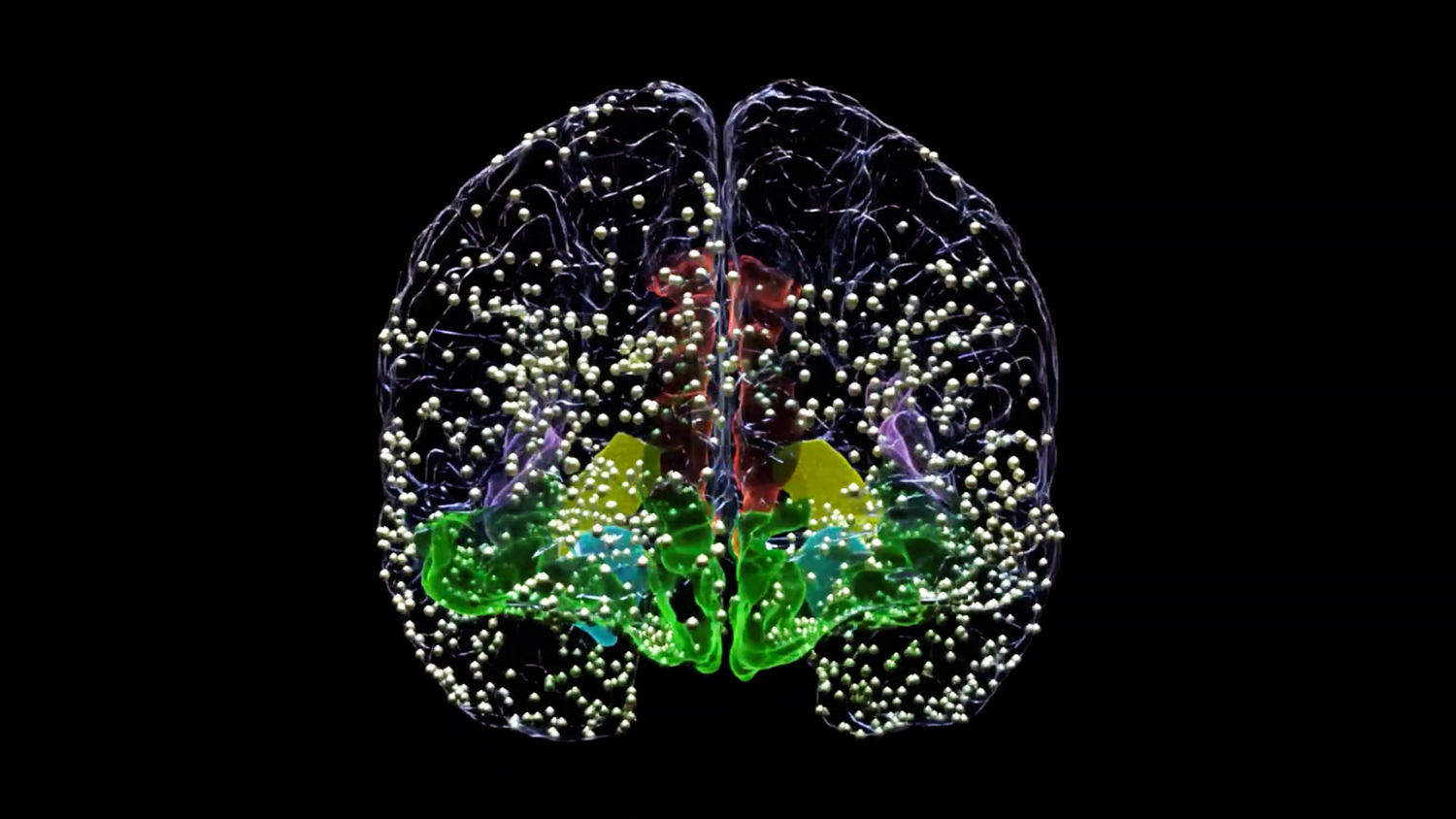
Ketamine was originally developed as an anesthetic, but in the last two decades, researchers have discovered its profound ability to rapidly alleviate symptoms of various mental health disorders. Unlike traditional antidepressants (SSRIs) that work on the serotonin system and take weeks to build up, Ketamine targets the brain’s glutamate system.
By blocking NMDA receptors and activating AMPA receptors, Ketamine triggers a rapid release of glutamate. This process promotes synaptic plasticity—essentially helping the brain to sprout new neural connections and repair damaged circuits. This “rewiring” effect is often what allows patients to break free from the rigid thought patterns associated with depression and trauma.
Conditions Treated
In our discussion, Dr. Irons highlighted several conditions where IV Ketamine has shown significant clinical efficacy:
-
Chronic Post-Traumatic Stress Disorder (PTSD): Helping to decouple traumatic memories from the intense emotional response.
-
Treatment-Resistant Depression: Providing relief when oral medications have failed.
-
Panic Disorders & Anxiety: calming the hyper-aroused nervous system.
-
Dissociation & Mood Disorders: Assisting in reintegrating fragmented parts of the self.
-
Chronic Pain Management: Ketamine can “reset” central sensitization in pain disorders like CRPS or fibromyalgia.
The Process: What to Expect
Receiving a ketamine infusion is a medical procedure conducted in a controlled, safe environment. Dr. Irons explains that the process typically involves:
-
Medical Screening: A thorough review of your medical history to ensure safety.
-
The Infusion: You relax in a comfortable chair while the medication is administered intravenously over about 40 minutes.
-
Monitoring: Vital signs are continuously monitored by medical professionals.
-
Integration: Many patients find that combining the biological “reset” of Ketamine with psychotherapy (Integration) maximizes the long-term benefits.
The Science: Research & Bibliography
The use of Ketamine in psychiatry is backed by a growing body of robust clinical research. Below is a curated bibliography of the studies that inform this practice.
Key Clinical Trials & Efficacy
-
PTSD: Feder, Adriana, et al. “Efficacy of Intravenous Ketamine for Treatment of Chronic Post-Traumatic Stress Disorder: A Randomized Clinical Trial.” JAMA Psychiatry, vol. 71, no. 6, 2014, pp. 681-688.
-
Depression: Andrade, Chittaranjan. “Ketamine for Depression, 1: Clinical Summary of Issues Related to Efficacy, Adverse Effects, and Mechanism of Action.” The Journal of Clinical Psychiatry, vol. 78, no. 4, 2017, pp. 393-402.
-
Chronic Pain: Goldberg, Mark E., et al. “Use of Ketamine in Pain Management.” Acta Anaesthesiologica Scandinavica, vol. 54, no. 6, 2010, pp. 672-683.
-
Novel Antidepressants: Jelen, Leszek A., et al. “Ketamine: A Promising Novel Antidepressant.” The International Journal of Neuropsychopharmacology, vol. 24, no. 1, 2021, pp. 77-88.
Ketamine Assisted Psychotherapy (KAP)
-
Outcomes: Dore, Jeffrey, et al. “Ketamine Assisted Psychotherapy (KAP): Patient Demographics, Clinical Data and Outcomes in Three Large Practices Administering Ketamine with Psychotherapy.” Journal of Psychoactive Drugs, vol. 51, no. 2, 2019, pp. 189-198.
Further Reading on Neurobiology
-
Mechanism of Action: Zorumski, Charles F., et al. “Ketamine: NMDA Receptors and Beyond.” The Journal of Clinical Psychiatry, vol. 77, no. 7, 2016, e848-e852.
-
Glutamatergic System: Sanacora, Gerard, et al. “Targeting the Glutamatergic System to Develop Novel, Improved Therapeutics for Mood Disorders.” Nature Reviews Drug Discovery, vol. 7, no. 5, 2008, pp. 426-437.
-
Combined Treatments: Schoevers, Robert A., et al. “Adding Psychotherapy to Antidepressant Medication in Depression and Anxiety Disorders: A Meta-Analysis.” World Psychiatry, vol. 19, no. 1, 2020, pp. 77-93.


















Hey there! I just want to offer you a huge thumbs up for your excellent info you have here on this post. Ill be coming back to your blog for more soon.
Thank you please check out the youtube for more.