
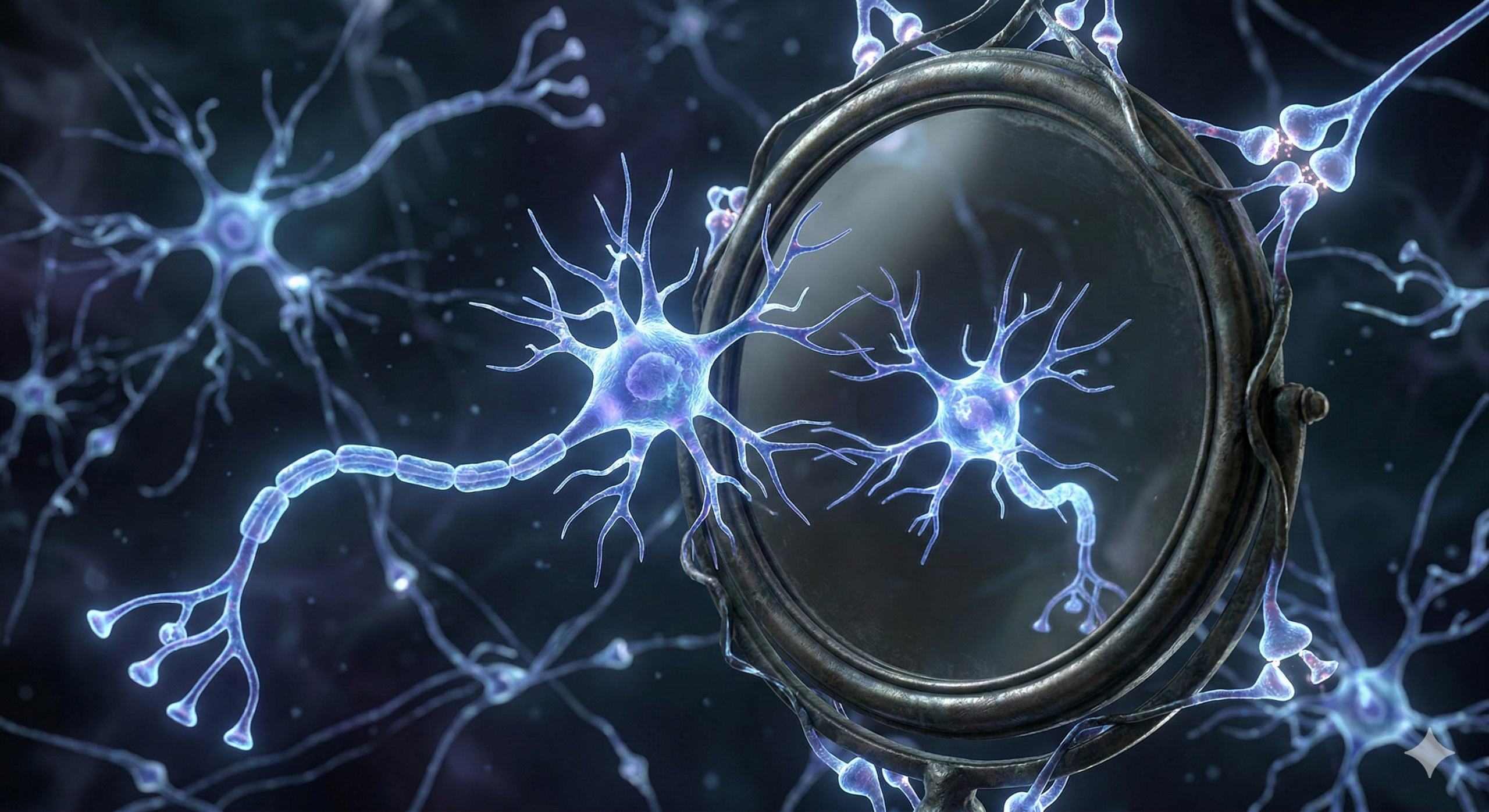
If you have struggled with chronic anxiety, panic disorder, or complex PTSD, you likely know the exhaustion of trying to “think” your way out of a physiological response. You can sit in traditional talk therapy and rationally understand that you are safe, yet your racing heart, shallow breath, and intrusive thoughts tell a completely different story.
This disconnect is not a failure of willpower; it is a biological reality. When the nervous system is locked in chronic sympathetic arousal (fight-or-flight), the logical centers of the brain literally go offline. To achieve deep, lasting relief, we must address anxiety at its neurobiological root.
At Taproot Therapy Collective, we recognize that true healing often requires us to look beyond traditional interventions. Neuromodulation—the science of directly altering nerve activity to regulate brain function—is emerging as one of the most powerful tools for dismantling treatment-resistant anxiety.
The Neurobiology of Chronic Anxiety
To understand why neuromodulation is so effective, we first have to look at what anxiety actually does to the brain’s architecture.
In a healthy nervous system, your amygdala (the brain’s emotional smoke detector) senses danger and triggers a stress response. Once the threat passes, your prefrontal cortex (the logical, executive center) steps in to signal the “all clear,” bringing your body back to a baseline of calm.
In a chronically anxious brain, this communication breaks down. The amygdala becomes hyperactive, constantly misinterpreting safe situations as life-threatening. Simultaneously, the prefrontal cortex becomes under-active, losing its ability to pump the brakes on your fear response. Your brain literally gets stuck in a loop of high-frequency, chaotic electrical activity.
What is Neuromodulation?
Neuromodulation interventions bypass the need for conscious cognitive effort. Instead of asking you to talk about your anxiety, these therapies use gentle, targeted electrical, magnetic, or feedback-based stimulation to physically alter how your neurons communicate.
By directly targeting the neural circuits responsible for emotional regulation, neuromodulation induces neuroplasticity—the brain’s ability to heal, reorganize, and build new, healthier pathways.
Transcranial Magnetic Stimulation (TMS)
TMS is an FDA-approved, non-invasive treatment that uses highly targeted magnetic fields to stimulate specific regions of the brain.
- How it works for anxiety: In anxious patients, TMS is often used to target the prefrontal cortex. By delivering repetitive magnetic pulses, TMS “wakes up” this under-active region, strengthening its connectivity to the amygdala.
- The clinical impact: Over the course of treatment, TMS helps restore the brain’s natural inhibitory control. The prefrontal cortex regains its ability to quiet the amygdala, leading to a profound reduction in intrusive thoughts, generalized dread, and physiological panic.
Neurofeedback (EEG Biofeedback)
Neurofeedback is a form of operant conditioning for your central nervous system. It trains your brain to self-regulate its own electrical patterns.
- How it works for anxiety: During a session, sensors map your brainwave activity in real-time. Anxious brains typically show an excess of High-Beta waves (associated with hyper-vigilance and stress). You are then guided through a visual or auditory exercise (like watching a video) that only plays smoothly when your brain shifts into a calmer state (like Alpha or Theta waves).
- The clinical impact: Your brain inherently desires the “reward” of the smooth video or audio. Over time, it learns to subconsciously drop out of anxious hyper-arousal to achieve that reward. It is essentially strength training for emotional regulation.
Transcranial Direct Current Stimulation (tDCS)
tDCS utilizes a very mild, battery-powered electrical current delivered through electrodes placed on the scalp. Unlike TMS, which causes neurons to fire, tDCS subtly alters the resting electrical charge of neuronal membranes. This makes it either easier or harder for specific brain regions to activate, depending on the clinical goal. It is often used as a gentle, adjunctive treatment to lower overall anxiety baselines and improve cognitive flexibility.
Healing the Nervous System in the Modern South
Living and working in the greater Birmingham and Hoover metro area comes with its own unique pace and pressures. Whether you are navigating the high-stress demands of our local medical and corporate communities, managing the daily gridlock on Highway 280, or balancing family life, the modern environment constantly taxes the nervous system.
When you are fundamentally burnt out, traditional coping skills—like deep breathing or reciting affirmations—often feel inadequate against a deeply ingrained biological stress response.
To create meaningful change, therapeutic care must meet the nervous system where it is. By integrating an understanding of advanced neuromodulation and brain-based therapies, we can move away from simply “managing” symptoms and move toward actually rewiring the brain for long-term resilience and peace.
Moving Forward with Taproot Therapy Collective
Healing a dysregulated nervous system requires expertise, compassion, and a commitment to evidence-based science. You do not have to live your life bracing for the next panic attack or trapped in a cycle of chronic worry.
If you are ready to explore a clinical approach that addresses the neurobiological roots of your distress, reach out to Taproot Therapy Collective to schedule a consultation with our Hoover-based clinical team. Let’s work together to help your brain rediscover its natural capacity for calm.





















0 Comments