Depression and Autism:

by | Oct 19, 2024 | 0 comments

Navigating the Intersection of Mood and Neurodiversity

A clinical exploration of Autistic Depression, the necessity of QEEG Brain Mapping for accurate diagnosis, and the comprehensive 2026 Birmingham Mental Health Directory.

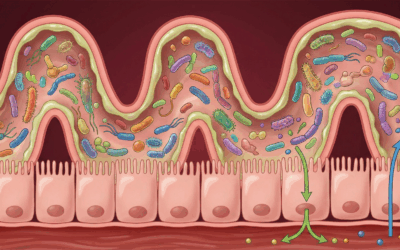
A visual representation of the intersection between autistic neurodivergence and mood disorders.

What is Depression with Autism?

Major Depressive Disorder and Autism Spectrum Disorder (ASD) are distinct conditions that frequently co-occur. Clinical research suggests that neurodivergent individuals are at a profoundly higher risk of developing depression, with peer-reviewed studies indicating prevalence rates as high as 40%. When an individual has both, we refer to this highly specific neurological profile as Depression-Autism.

Historically, clinical depression in autistic individuals was severely overlooked or erroneously misattributed to the autism itself. Standard psychiatric models assumed that flat affect, social withdrawal, or executive dysfunction were merely "autistic traits," ignoring the very real metabolic mood crash occurring beneath the surface. Recent advancements in neurobiology have led to far more nuanced diagnostic approaches, recognizing that autistic individuals experience profound depression, albeit often with highly atypical presentations.

The Push-Pull of Overlapping Symptoms

Living with Depression-Autism forces the individual to navigate an incredibly complex cognitive and sensory landscape. The overlap of traits can result in deep diagnostic confusion and internal paralysis:

  • Sensory Amplification: The sensory sensitivities inherent to autism drastically intensify the emotional overwhelm and physical pain associated with depression.
  • Alexithymia: A common autistic trait involving difficulty identifying and articulating internal emotional states. This makes expressing depressive pain to a neurotypical therapist incredibly difficult.
  • Burnout vs. Depression: Autistic Burnout (caused by years of masking) deeply mirrors clinical depression (lethargy, skill regression, isolation), yet requires entirely different treatment protocols.
  • Loss of Special Interests: The profound anhedonia (loss of pleasure) of depression can rob an autistic individual of their special interests—often their primary neurological regulation tool.

The QEEG Mandate: Why Talk Therapy Fails Autistic Depression

If you are an autistic adult seeking treatment for depression, standard psychiatric questionnaires will frequently fail you. Standard clinical checklists are fundamentally biased toward neurotypical baseline behaviors. If you naturally avoid eye contact, experience flat affect, or prefer isolation to regulate your nervous system, a standard psychiatrist may misdiagnose you with severe clinical depression when you are actually at your healthy autistic baseline.

Conversely, because you may not express sadness in a neurotypically recognizable way, your actual, devastating depressive episodes may be entirely dismissed by medical professionals.

Enter QEEG Brain Mapping

At Taproot Therapy Collective, we do not guess at diagnostics. Under the direction of Dr. Jason Mishalanie, PhD, BCN, we utilize Quantitative EEG (QEEG) Brain Mapping. QEEG allows us to objectively map your brain's electrical activity, cutting through the bias of verbal assessments.

  • Separating the Signals: We can distinctly identify the "hyper-connectivity" common in the autistic sensory cortex, separating it from the biological markers of clinical depression (such as frontal alpha asymmetry or diffuse theta slowing).
  • Targeted Neurofeedback: Once mapped, we do not try to "cure" your autism. Instead, we use precision neurostimulation to specifically target and resolve the depressive neuro-networks, restoring your baseline mood without attempting to alter your authentic neurodivergent personality.
  • Validating Your Reality: For many late-diagnosed adults, seeing the objective data of their brainwaves provides the ultimate clinical validation that they are not "broken" or "lazy."
Clinical E-E-A-T Reference: The necessity of objective neuroimaging in differentiating ASD resting-state networks from comorbid psychopathology is widely supported in modern psychiatric literature. For further review, consult the National Center for Biotechnology Information (NCBI) studies on resting-state EEG in Autism and the American Psychological Association.

Rethinking Treatment for Depression-Autism

Beyond neurofeedback, managing this comorbidity requires a neuro-affirming approach that respects autistic neurology while actively treating the depressive symptoms. Innovative, "bottom-up" treatments showing immense promise include:

  • Somatic Experiencing (SE): A body-oriented approach adapted for sensory sensitivities, helping autistic individuals physically regulate their nervous system and process emotions without the demand for complex verbal articulation.
  • Lifespan Integration (LI): Helps individuals create a coherent narrative of their experiences. This gentle approach is highly beneficial for those who struggle with traditional cognitive-behavioral demands.
  • Brainspotting: A subcortical visual-field therapy highly effective in addressing depression-related neural patterns while respecting the sensory processing differences of the autistic brain.

The 2026 Birmingham Mental Health Directory

A verified, comprehensive clinical index of crisis intervention, LGBTQ+ support, holistic clinics, and specialized community resources across the Greater Birmingham area.


Advanced Neurobiology & Trauma (Taproot Therapy)
Taproot Therapy Collective (Birmingham, AL)
Specializes in neurodivergent care (AuDHD, Autism), severe depression, complex trauma, and PTSD. Treatments include QEEG Brain Mapping, Neurofeedback, Brainspotting, EMDR, Somatic Experiencing, Lifespan Integration, and Parts-Based Therapy.
Emergency & Crisis Centers
1. Crisis Center Birmingham (24/7 Crisis Line)
Immediate support for individuals in emotional distress, including suicide prevention, trauma, and mental health crises.
2. Rape Response Line
Dedicated to providing support for survivors of sexual assault, available 24/7.
3. Teen Link
Teen-specific support line for youth in emotional or mental distress.
4. National Suicide Prevention Lifeline (Serving Alabama)
A national 24/7 suicide prevention hotline.
5. UAB Psychiatry Emergency Services
Immediate psychiatric evaluation and crisis intervention at UAB Hospital.
6. Alabama Domestic Violence Hotline
24/7 support for individuals experiencing domestic violence, available statewide.
7. Birmingham AIDS Outreach Crisis Line
Crisis support for individuals affected by HIV/AIDS, including LGBTQ+ community support.
8. Alabama 2-1-1 Call Center
A statewide referral line connecting individuals to housing, food, mental health, and substance abuse services.
9. Jefferson County Family Resource Center Crisis Line
Provides crisis intervention, family support, domestic violence resources, and mental health services.
10. Veterans Crisis Line (Serving Birmingham)
Specialized crisis line for veterans experiencing emotional distress.
LGBTQ+ and Poly-Friendly Support
Magic City Acceptance Center (MCAC)
LGBTQ+ youth programs, adult support groups, and community events in Birmingham.
Inclusive Therapists
Directory of therapists in Birmingham and Hoover specializing in LGBTQ+ and poly-friendly care.
PFLAG Birmingham
Support groups for families and friends of LGBTQ+ individuals, offering mental health resources.
Steel City Spectrum
Provides support and resources for the transgender and gender-nonconforming communities in Birmingham.
Alabama Polyamory Network
A supportive community providing mental health resources for polyamorous individuals.
New Hope Counseling
Poly-friendly therapy services, offering support for non-traditional relationships.
Open Counseling Birmingham
Provides mental health counseling for those in polyamorous or open relationships.
Free & Low-Cost Therapy
Impact Family Counseling
Provides sliding-scale counseling services for trauma, anxiety, depression, and family therapy.
Firehouse Shelter
Offers mental health services and crisis support for homeless individuals in the Birmingham area.

Pathways Birmingham
Women’s shelter offering mental health and trauma support for homeless women and children.
United Way of Central Alabama
Offers access to free or low-cost mental health counseling and crisis intervention through partnerships.
BridgeWays Alabama
Offers family and youth counseling, including trauma recovery, on a sliding fee scale.
Holistic & Alternative Therapy Centers
Birmingham Wellness Institute
Focuses on alternative healing practices such as yoga therapy, mindfulness, and EMDR.
Sojourn Counseling (Hoover, AL)
Provides integrative counseling with a focus on EMDR, trauma work, and mindfulness.
Red Mountain Therapeutics
Offers somatic therapies, acupuncture, and integrative emotional healing for trauma recovery.
Shanti Healing Arts Center
Focuses on trauma-sensitive yoga, meditation, and holistic therapies for emotional health.
Lifespan Integration & Trauma Mapping
Birmingham Counseling Associates
Provides Lifespan Integration therapy for complex trauma and PTSD.
Lifeline Counseling (Hoover, AL)
Trauma-informed care specializing in Lifespan Integration and Somatic Trauma Mapping.
River Oaks Counseling
Offers Lifespan Integration and other trauma-focused therapies for PTSD and dissociation.
Emotional Wellness Counseling
Provides Lifespan Integration therapy and somatic trauma work.
QEEG Brainmapping & Neurofeedback Providers
Focus-MD Birmingham
Specializes in ADHD treatment and qEEG brain mapping for neurodevelopmental disorders.
Birmingham Neurofeedback Clinic
Provides qEEG brain mapping and neurofeedback for trauma, anxiety, and ADHD.
Alabama Neurofeedback
Offers qEEG brain mapping and neurofeedback to improve brain function and emotional regulation.
Covenant Neuropsychology
qEEG brain mapping services for trauma-related symptoms and neurological issues.
Psych Wellness South
qEEG and neurofeedback services to treat anxiety, ADHD, and trauma.
Youth & Family Services
Oasis Counseling for Women and Children
Provides trauma therapy, parenting support, and family counseling.
Children's Aid Society of Alabama
Family and individual counseling, including trauma services for children.
Aletheia House
Mental health and substance abuse services for families, including trauma recovery programs.
Big Brothers Big Sisters of Greater Birmingham
Offers mentorship and emotional support for at-risk youth.
The Exceptional Foundation
Provides support for children and adults with special needs, including mental health resources.

Explore the Other Articles by Categories on Our Blog 

Hardy Micronutrition is clinically proven to IMPROVE FOCUS and reduce the effects of autism, anxiety, ADHD, and depression in adults and children without drugsWatch Interview With HardyVisit GetHardy.com and use offer code TAPROOT for 15% off

Why Go to Family Counseling

Why Go to Family Counseling

The Fractured Mirror: Why Individual Trauma and Family Chaos are the Exact Same System Modern life has collapsed the traditional boundaries that once protected human psychological well-being. Today, both individuals and families operate under an unprecedented level of...

The Freud Legacy: Documentary Evidence of Cover-ups

The Freud Legacy: Documentary Evidence of Cover-ups

 Anna Freud's Impact on Freud's Biographical Scholarship The systematic efforts to control and sanitize the historical record surrounding Freud have had profound and lasting consequences for our understanding of psychoanalysis and its founder. The work of Frederick...

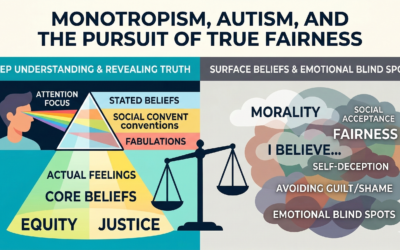
The Ethical Advantage: Why Autistic Minds Are Built for Justice

The Ethical Advantage: Why Autistic Minds Are Built for Justice

Here is a pattern I see constantly in clinical practice: an autistic client accurately identifies an injustice at work, in their family, or in society. They name it clearly. They expect others to recognize the obvious problem and act accordingly. Instead, they're...

What Hospital Hacks Mean for Hospital Liability and Patient Rights

What Hospital Hacks Mean for Hospital Liability and Patient Rights

Your Medical Records Disappeared. Now What? Imagine walking into your therapist's office or your doctor's clinic and hearing five words that stop you cold: "We can't find your records." Not misplaced in a filing cabinet somewhere. Not delayed by a slow system. Gone....

The Hidden Dynamics of Executive Leadership

The Hidden Dynamics of Executive Leadership

The Psychic Infrastructure of Power The modern boardroom is not merely a place of financial calculation; it is a ritual space where the unconscious forces of the collective psyche play out in high definition. While MBA programs teach strategy, they rarely address the...

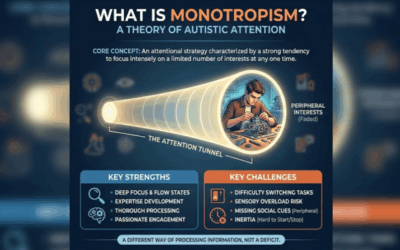
What is Monotropism? New Tools to Understand Autism

What is Monotropism? New Tools to Understand Autism

Written by the clinical team at Taproot Therapy Collective, a Birmingham psychotherapy practice specializing in neurodivergent-affirming care. Our clinicians work daily with autistic adults, ADHDers, and AuDHD clients navigating a world built for different brains. If...

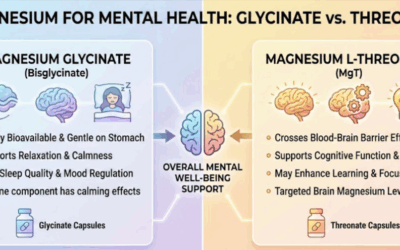
The Metabolic Mind: A 2025 Clinical Update on Nutritional Psychiatry

The Metabolic Mind: A 2025 Clinical Update on Nutritional Psychiatry

A 2025 clinical update on nutritional psychiatry for psychotherapists. Explore the latest research on psychobiotics, vitamin D, magnesium, zinc, omega-3s, amino acid therapies, and herbal interventions—including new safety warnings on ashwagandha and evidence that saffron matches SSRI efficacy for mild depression.

Love in the Uncanny Valley—The Psychology of AI Companionship

Love in the Uncanny Valley—The Psychology of AI Companionship

The New Relational Landscape Something unprecedented is happening in human relationships. Millions of people are now forming emotional bonds with artificial intelligence. Apps like Replika offer AI companions that remember your conversations, adapt to your...

0 Comments

Submit a Comment

Your email address will not be published. Required fields are marked *