
The Inflamed Mind: When Depression is a Metabolic Crisis
A quiet revolution is shattering the "chemical imbalance" myth. Discover how modern neurobiology—and the founding pioneers of depth psychology—map the undeniable link between a compromised gut, systemic inflammation, and clinical depression.
For decades, the medical-industrial complex operated under a "cerebrocentric" model of mental health. The dominant assumption was that the brain was an impenetrable fortress, isolated from the rest of the body by the blood-brain barrier. If you felt depressed, you simply lacked serotonin. If you felt anxious, you possessed a localized firing error in your amygdala. Treatment rigidly focused on altering brain chemistry through top-down medication or logic-based talk therapy.
But for a massive subset of patients—up to 40% of those labeled "treatment-resistant"—these modalities fail completely. These patients frequently present with a distinct constellation of seemingly unrelated symptoms: severe brain fog, chronic fatigue, irritable bowels, and joint pain. In 2026, modern neuroscience has definitively connected the dots: the brain is not an island. It is inextricably tethered to the immune system and the gastrointestinal tract.
At Taproot Therapy Collective, we are forced to ask patients a radical, paradigm-shifting question: What if your depression is actually an allergic reaction to systemic inflammation?
The Biological Mechanism: From Leaky Gut to Leaky Brain
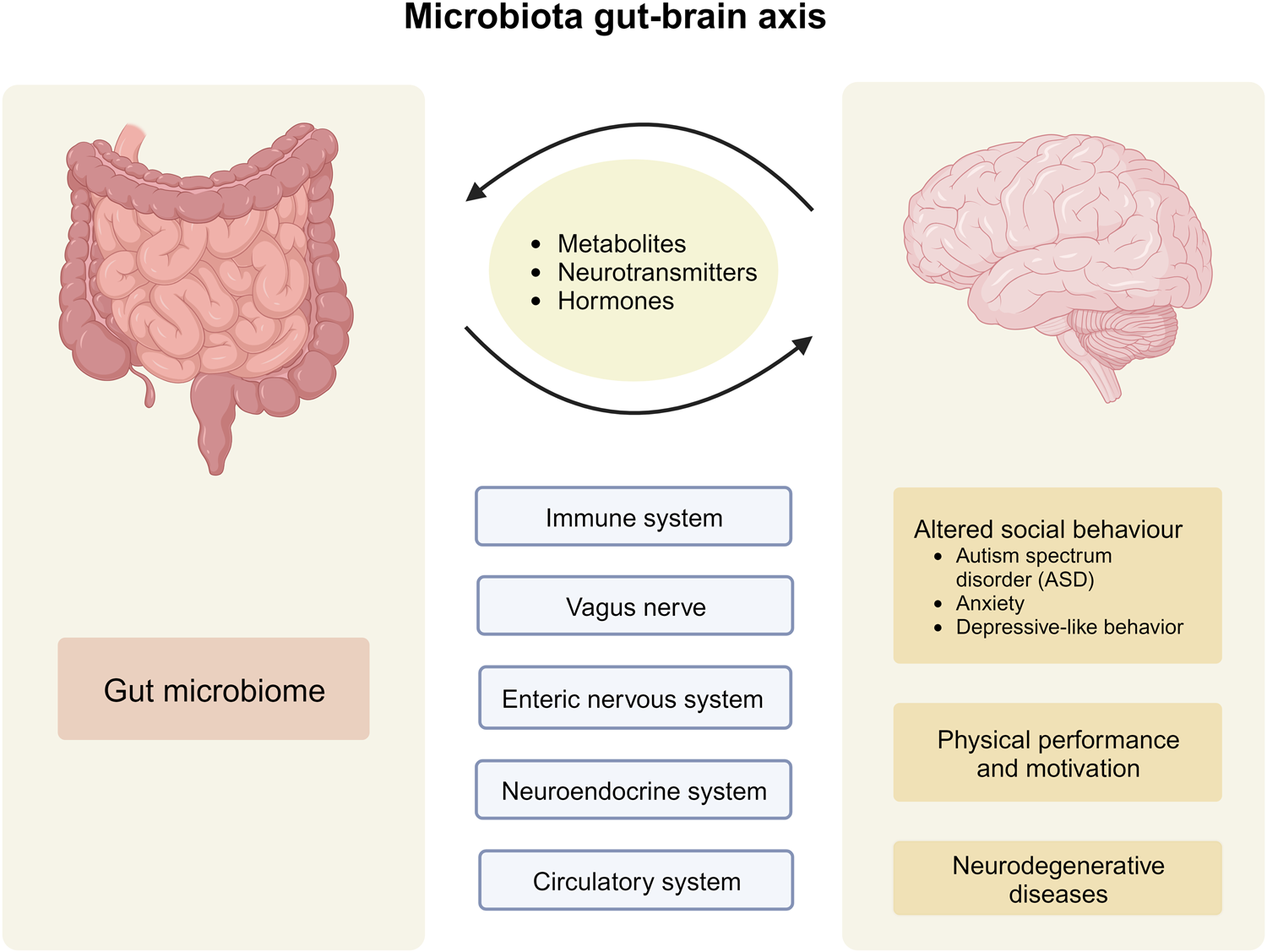
The connection between your digestion and your mood is not metaphorical; it is heavily anatomical. The Gut-Brain Axis is a bi-directional communication highway connecting your Central Nervous System to your Enteric Nervous System (the "second brain" located in your gut). This highway is paved by the Vagus Nerve, but it is trafficked heavily by neurotransmitters and immune cells.
Remarkably, 95% of your body's serotonin—the neurotransmitter responsible for feelings of safety and stability—is manufactured in your intestines, not your brain. Furthermore, 70% of your immune system resides in your gut lining. Every time you eat, you are either actively nourishing your neurological baseline or inflaming it.
The Cascade of Sickness Behavior
- Intestinal Permeability: Chronic stress, environmental toxins, and highly inflammatory proteins (specifically gluten) trigger the release of zonulin. Zonulin forces the "tight junctions" of your intestinal wall to open, allowing undigested food and bacteria to escape into the bloodstream—a condition known as "Leaky Gut."
- The Cytokine Storm: The immune system detects these invaders and sounds a systemic alarm, releasing inflammatory cytokines. These cytokines travel through the blood and eventually breach the blood-brain barrier.
- Microglial Attack: Once inside the brain, the inflammation triggers the microglia (the brain's immune cells). The brain shifts into a defensive posture, shutting down serotonin production and triggering extreme neuro-fatigue. We experience this biological lockdown as clinical depression.
The Pioneers: How Depth Psychology Mapped the Matrix
While the hard biological data of the Gut-Brain Axis is modern, the foundational concept—that the body and mind are inseparable—was mapped out nearly a century ago by the greatest pioneers of depth psychology. Long before we had fMRI machines or microbiome sequencing, these clinicians identified that attempting to treat the mind while ignoring the physical organism was an exercise in futility.
Carl Jung
Analytical PsychologyCarl Jung coined the concept of the Unus Mundus (one world), positing that the psyche and matter are two sides of the exact same coin. He understood that when the conscious mind refuses to process psychological trauma, it is forced into the Shadow, where it frequently somatizes into severe, inexplicable physical illness. Jung would view systemic inflammation not just as biology, but as the body actively expressing a neglected psychological truth.
Arnold Mindell
Process-Oriented PsychologyArnold Mindell took Jung’s somatic theories and merged them with quantum physics to create Process Work. He argued that a physical symptom (like a chronic gut issue or systemic fatigue) is essentially "a dream trying to express itself through the body." You cannot merely medicate the gut away; you must amplify the symptom to understand the psychological energy it carries.
Fritz Perls
Gestalt TherapyFritz Perls recognized the catastrophic danger of the "alienated body." He built Gestalt therapy around forcing patients to abandon abstract, top-down intellectualizing and drop directly into the physical, visceral sensations of the present moment. He knew that the anxiety was not in the thoughts—it was physically lodged in the tightened fascia and shallow breathing of the organism.
Alfred Adler
Individual PsychologyAlfred Adler conceptualized "Organ Inferiority" and "Organ Jargon," believing that the body "speaks" what the mind cannot. If a patient felt structurally inadequate to handle life's demands, Adler noted that their physical organs would often sympathetically break down to match their psychological retreat. He demanded a strictly holistic view of the patient.
Carl Rogers
Person-Centered TherapyCarl Rogers understood that the human organism possesses an innate, biological drive toward self-actualization. However, if the environment is highly toxic (whether through emotional neglect or physical inflammation), that biological drive is thwarted. He proved that an organism can only heal when placed in a profoundly safe, unconditionally supportive physical and emotional container.
The Taproot Nutritional Psychiatry Protocol
We cannot talk an inflamed brain into being calm. If a patient is biologically starving for the raw materials required to synthesize neurotransmitters, no amount of cognitive reframing will cure their depression. We utilize targeted Micronutrient Therapy and advanced neuro-regulation.
The Three Pillars of Somatic Repair
- Replenish Deficiencies: We test for specific metabolic deficiencies. Vitamin B12 and Folate are mandatory for methylation. Zinc regulates the stress response. Magnesium protects the hippocampus from cortisol damage. We provide the brain with the precise clinical-grade building blocks it requires.
- Objective Brain Mapping: Under the direction of Dr. Jason Mishalanie, we use QEEG Brain Mapping to objectively identify the specific electrical slowing and hyper-coherence caused by neuroinflammation, allowing for targeted neurofeedback.
- Somatic Trauma Discharge: Chronic psychological stress guarantees a leaky gut. Using Somatic Experiencing, we guide the nervous system out of "Fight or Flight," lowering systemic cortisol so the digestive tract can finally focus on repair and neurotransmitter production.
Our Integrated Clinical Team
Healing a metabolic psychiatric crisis requires a team trained across multiple disciplines of neurobiology, nutrition, and trauma processing. Review the practitioners guiding this work across Alabama:
Put Out the Fire in Your Nervous System
Mental health is not just in your head—it is in your vagus nerve, your immune system, and your metabolic pathways. If you are ready to treat the physiological roots of your suffering, we are here to map the path.
Schedule a Neuro-Metabolic Assessment























0 Comments