

The Impact of Compassion Fatigue and Secondary Trauma
Let’s stop pretending this is just “stress.” The image of the stoic, tireless healer is a dangerous and outdated myth that modern corporate medicine actively exploits. In the current healthcare landscape, providers are facing a systemic collapse that goes far beyond standard occupational burnout. You did not endure a decade of medical school and residency to become an administrative clerk for an insurance company, yet that is exactly what the system now demands.
When you are emotionally and neurologically depleted, being told by hospital administration to “take a vacation,” “practice mindfulness,” or “do some yoga” feels insulting. It implies that your exhaustion is a personal failure of resilience, rather than a normal biological response to a fundamentally broken system.
At Taproot Therapy Collective in Hoover, Alabama, we do not treat physician burnout as a lack of coping skills. We treat it as a neurobiological injury requiring rapid, specialized intervention. This clinical guide explores the actual data behind why doctors are leaving medicine in droves, the critical differences between burnout and moral injury, and why our clinic utilizes advanced neuro-therapies—like Brainspotting, QEEG Brain Mapping, and Somatic Experiencing—to heal the providers the system has abandoned.
The 2026 Reality: Why Doctors are Regretting Medicine
If you are considering quitting medicine entirely, you are not an outlier. According to a landmark May 2026 study published in The Permanente Journal, the mean age at which physicians are now leaving clinical practice has plummeted to 48.1 years (down from 57.1 in 2008). Even more shocking, 11% of respondents in 2026 completed their residency training and never entered clinical practice at all. They looked at the reality of modern medicine and walked away.
Why is this happening? Because the day-to-day conditions of practice have become unendurable. The top drivers of the exodus are no longer malpractice fears; they are systemic:
- The Administrative Nightmare: The “hassle factor” is cited by 44.7% of exiting physicians as their primary reason for leaving. Recent 2025/2026 surveys show that the average clinician is losing over 44 hours a month—an entire work week—to Electronic Health Record (EHR) documentation alone, much of it bleeding into personal family time.
- The Prior Authorization Crisis: A 2026 AMA survey of 1,000 practicing doctors revealed that 94% say prior authorization heavily fuels their burnout. Even worse, 26% of physicians reported that prior auth delays directly led to a serious adverse event, hospitalization, or death for their patient. Being forced to argue with an unqualified insurance rep for basic patient care causes profound psychological damage to the provider.
- The Private Equity Takeover: The corporatization of medicine is stripping away clinical autonomy. With Private Equity firms increasingly buying out independent clinics and oncology centers, the pressure to meet RVU (Relative Value Unit) quotas and extract maximum short-term revenue is destroying the doctor-patient relationship. (In a major June 2026 lawsuit in California, the AMA actually had to intervene to protect doctors who were fired by a PE firm for making ethical clinical decisions).
The Diagnostic Reality: Burnout vs. Moral Injury
Hospital wellness modules use “burnout” as a catch-all term, but treating an administrative crisis like a mental health deficit is a mistake. Understanding the specific nature of your exhaustion dictates the precise treatment protocol.
1. Occupational Burnout (The Bureaucratic Toll)
Burnout is fundamentally a crisis of energy and resources. You did not burn out from caring for sick people; you burned out from the “reams of new paperwork.”
Clinical Presentation: Burnout manifests as profound cynicism, depersonalization, feeling “hollowed out,” chronic fatigue, and a reduced sense of professional efficacy. You may find yourself treating patients as “tasks” to be completed rather than human beings, simply to survive the shift.
2. Compassion Fatigue (Secondary Traumatic Stress)
Compassion fatigue is the emotional residue or strain of prolonged exposure to the suffering of others. It is the cost of bearing witness to catastrophic illness, pediatric codes, and grieving families.
Clinical Presentation: Symptoms closely mirror Post-Traumatic Stress Disorder (PTSD). Providers may experience hyper-vigilance, intrusive thoughts about specific patients, sleep disturbances, and a terrifying inability to feel empathy (emotional numbness). This numbness is not a lack of caring; it is the nervous system blowing a fuse to prevent total collapse.
3. Moral Injury (The Ethical Crisis)
First identified in combat veterans, “moral injury” is the true diagnosis for what most physicians are experiencing today. Moral injury occurs when a provider is forced to take actions (or prevented from taking actions) that violate their deepest moral and ethical codes, usually due to systemic constraints imposed by hospital leadership or insurance companies.
Clinical Presentation: Moral injury does not look like tiredness; it looks like a profound spiritual crisis. It presents as overwhelming guilt, shame, and intense, unresolved anger at the “system.” You feel betrayed by the leadership that was supposed to support you.
The Neurobiology of Empathy: Why Caring Physically Hurts
Human beings are wired with a complex Mirror Neuron System. When a physician or nurse witnesses a patient in extreme physical or emotional pain, the provider’s brain lights up in the exact same regions as if the provider were in pain themselves. This is the biological imperative of empathy.
In a healthy environment, a provider experiences this empathetic resonance, treats the patient, and then their autonomic nervous system returns to a baseline state of rest (parasympathetic regulation). However, in modern medical environments, there is no time to reset. You run from a code straight to a room to explain a terminal diagnosis, and then you have 77 unanswered EHR messages waiting for you.
Without adequate recovery time, the brain’s “pain matrix” remains activated in a state of chronic sympathetic overdrive. Over time, the brain attempts to protect itself by down-regulating the empathy centers, leading to dissociation. This relates closely to Allan Schore’s research on interpersonal neurobiology and the strict biological limits of human emotional regulation.
The Talk Therapy Bottleneck: Why Traditional Counseling Fails Doctors
Physicians, surgeons, and medical executives are highly intelligent, highly analytical, and highly defended. If a physician goes to a standard Cognitive Behavioral Therapy (CBT) counselor, the therapy often fails.
Why? Because standard talk therapy keeps the patient in the prefrontal cortex—the thinking, analyzing, and rationalizing part of the brain. A doctor can spend six months in talk therapy intellectualizing their problems, analyzing hospital politics, and discussing coping skills they already learned in medical school. But talking does not regulate an exhausted nervous system.
Your prefrontal cortex doesn’t need more information. Your brainstem needs a profound biological reset.
At Taproot Therapy Collective, we specialize in “bottom-up” processing. We recognize that medical trauma and severe anxiety are stored in the subcortical regions of the brain and the body’s autonomic nervous system. We use advanced neuro-technologies and somatic treatments to rapidly discharge this stored trauma, allowing you to return to your life and practice effectively.
Evidence-Based, Rapid Recovery Protocols at Taproot Therapy
We utilize specialized, fast-acting therapies specifically designed to help high-performing professionals heal from systemic trauma.
1. QEEG Brain Mapping & Neurostimulation
Severe burnout physically alters your brainwaves. Chronic stress can lock your brain into high-amplitude Beta waves (constant hyper-anxiety and rumination) or excessive Theta waves (brain fog, dissociation, and exhaustion). Using QEEG (Quantitative Electroencephalogram) Brain Mapping, our clinical team can objectively measure the exact electrical exhaustion in your brain.
Once we map the dysregulation, we use targeted Neurostimulation and EEG Neurofeedback to gently retrain the brain out of hyper-arousal. This provides rapid, measurable relief from insomnia, executive dysfunction, and chronic stress.
2. Brainspotting for Visual and Secondary Trauma
Healthcare providers carry haunting visual memories: a traumatic pediatric code, a devastating surgical outcome, or the face of a grieving family. Talk therapy cannot easily reach these subcortical images. Brainspotting is a powerful therapeutic tool based on the neurobiological premise that “where you look affects how you feel.”
By helping the provider find specific eye positions (Brainspots) correlated with neural activation, our therapists can access the midbrain directly. This allows “stuck” traumatic images to be processed and integrated instantly—without requiring you to verbally recount the horrific details of the trauma.
3. Somatic Experiencing: Discharging the Freeze Response
Trauma resides in the tissue. When a medical professional must suppress their physiological stress response to remain calm and professional during a crisis, that adrenaline and cortisol have nowhere to go. The energy gets trapped in the nervous system as a “functional freeze.”
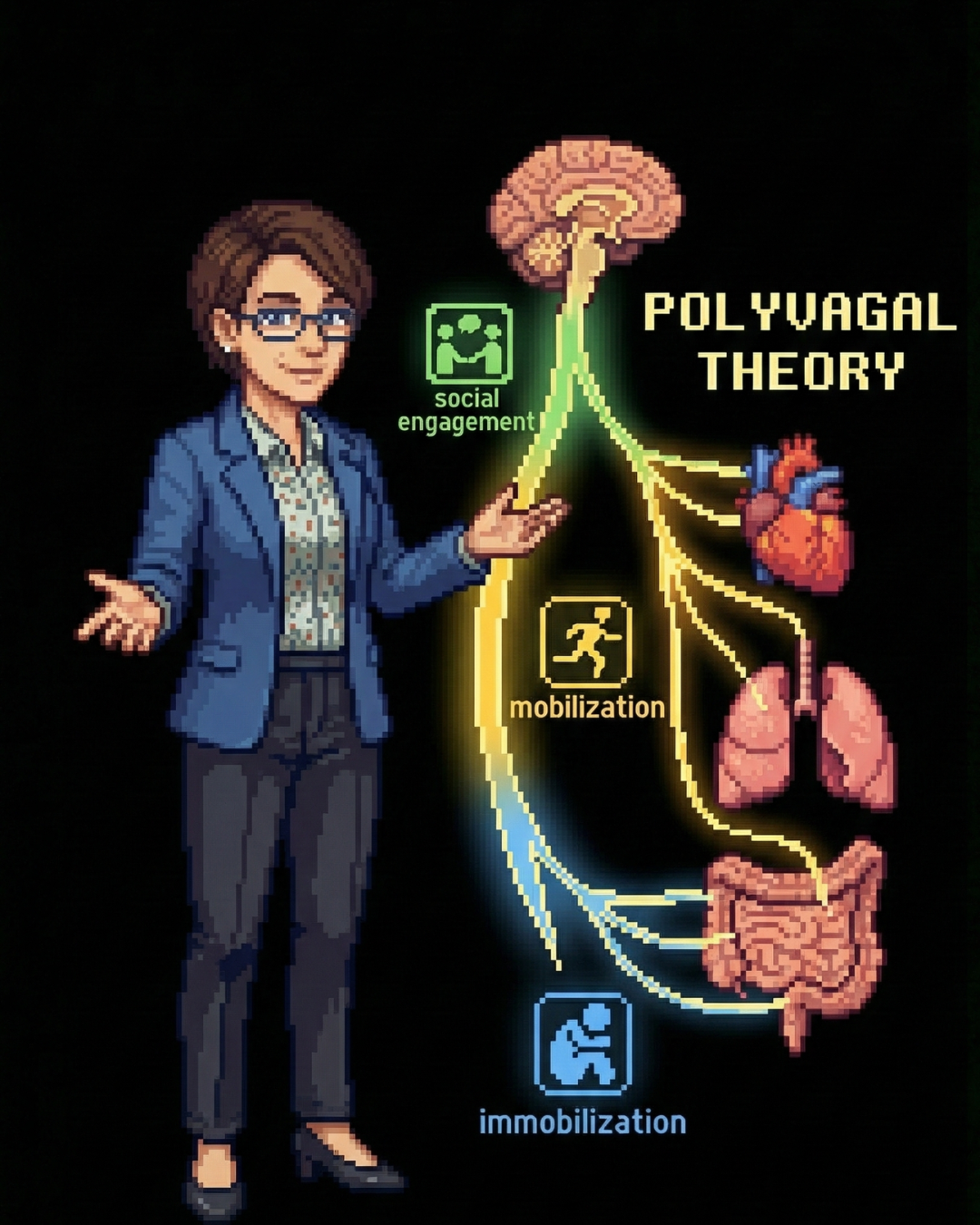
Somatic Experiencing (SE) helps providers physically “discharge” the freeze response accumulated over years of practice. By tracking micro-movements and autonomic shifts in the body, we can help reset the vagus nerve, bringing the body out of chronic fight-or-flight.
4. Jungian Analysis & The “Wounded Healer” Archetype
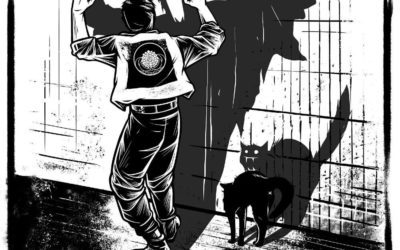
Medical culture reinforces the dangerous idea that the physician must be invincible, sacrificing their own humanity for the sake of the patient. Jungian Depth Psychology helps medical professionals safely integrate their own “Wounded” side. Dealing with the Jungian Shadow—the parts of ourselves we suppress or reject, such as our exhaustion or our suppressed resentment toward demanding patients—is absolutely crucial to preventing long-term burnout.
Our Team of Specialized Therapists in Birmingham, AL
Treating high-level medical professionals requires therapists who understand the intense demands of the healthcare industry. Our clinic in Hoover, Alabama, houses a diverse team of experts trained in the exact modalities needed to reverse systemic burnout:
- Joel Blackstock, LICSW-S, MSW, PIP (Clinical Director): Specializes in Brainspotting, Jungian Depth Psychology, and treating complex trauma in high-achieving professionals.
- Dr. Jason Mishalanie, PhD., BCN: Specializes in QEEG brain mapping and Neurostimulation to objectively repair the exhausted brain.
- Brittany Gray, M.Ed., LPC-S: Specializes in EMDR, Brainspotting, and Healthcare/Professional Burnout.
- Marie Danner, LICSW-S, CCTP-II: Certified Clinical Trauma Professional specializing in Lifespan Integration and severe trauma treatment.
Conclusion: Reclaiming Your Humanity in a Broken System
The cost of caring is extraordinarily high, but it should not cost you your health, your family, or your soul. By acknowledging the biological reality of compassion fatigue and distinguishing it from systemic moral injury, healthcare providers can stop blaming themselves for their exhaustion. The system is broken; you are not.
Whether through advanced neurostimulation, deep somatic work, or subcortical trauma processing, the path to recovery involves reclaiming the humanity that the modern medical system often tries to strip away. At Taproot Therapy Collective, we have the specialized, fast-acting tools to help you heal quickly and confidentially. As you care for others, remember that you, too, are a patient worthy of advanced care.
2026 Clinical Bibliography & Further Reading
- “Why Have All the Doctors Gone? Insights Into Early Clinical Departure Among Physicians in the United States.” (May 2026). The Permanente Journal.
- “Latest Prior Auth Survey Shows Promised Reform Remains Elusive.” (June 2026). American Medical Association (AMA).
- “Private Equity Firing Wrongly Crossed Into Practicing Medicine.” (June 2026). American Medical Association (AMA).
- Dean, W., & Talbot, S. G. (2019). Moral injury and burnout in medicine: A year of lessons learned.
- The Hero’s Journey in Psychotherapy: Navigating the cycle of call, struggle, and return in medicine.
Disclaimer: This article is for educational purposes only and does not constitute medical advice or professional supervision. If you are in crisis, please contact a mental health professional or emergency services by dialing 988.
















0 Comments