
The Counterintuitive Role of Humor in Trauma Recovery
There exists a seeming paradox in the realm of trauma therapy: the juxtaposition of humor against the backdrop of suffering. For those grappling with PTSD and the horrific aspects of life that create it, the idea of finding anything funny may feel not just counterintuitive but downright impossible. Yet humor, used skilfully, is one of the most powerful tools we have for exploring and integrating even the darkest of human experiences.
Stand-Up Comedians: Messengers from the Shadow Realm
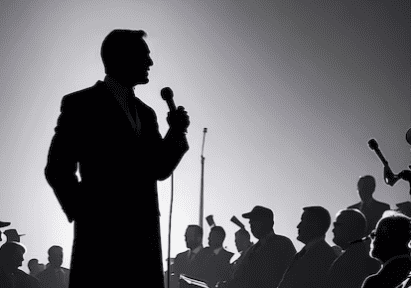
To understand the role humor can play in trauma recovery, we need look no further than the world of stand-up comedy. Many of our greatest comedians have risen from backgrounds steeped in trauma, abuse, and adversity. Rather than crumbling beneath the weight of their pain, they have alchemized it into an art form that not only elicits laughter but shines a light on the shadowy underbelly of the human condition.
Stand-up comedians operate in the realm of what Carl Jung called the shadow—those aspects of ourselves and society that we have repressed, denied, or refused to acknowledge. They take the observations and impulses that social convention discourages and package them as revelations—truths the audience feels they are not supposed to hear spoken aloud.
In giving voice to the unspeakable, comedians demonstrate the first principle of trauma recovery: what we cannot talk about, we cannot heal. By speaking the forbidden, they create a space where the unspeakable can be named, felt, and finally released through the transformative power of laughter.
Humor as a Gateway to Metacognition and Integration
The parallel between the comedian’s craft and the therapist’s art goes deeper still. In therapy, as in comedy, the aim is not to give people what they want, but to give them what they need—a dose of reality potent enough to disrupt dysfunctional patterns, yet palatable enough to be absorbed.
Humor serves this function by creating what I call “metacognitive distance“—the ability to step outside of our immediate experience and observe it from a larger perspective. When we learn to laugh at ourselves and the absurdities of our condition, we assert authorship over our own narratives. We transmute shame into self-acceptance, helplessness into empowerment, isolation into connection.
This distance is crucial for trauma integration because it allows us to relate to our wounds without being overwhelmed by them. By finding the quirks and ironies within even our darkest chapters, we begin to weave those chapters into the larger story of who we are. Trauma moves from being an unspeakable secret that defines us to simply one part of our hero’s journey.
Truth, Politics, and the Humorless Mind
Humor also serves a vital function in reality-testing and truth-telling. As the saying goes, “What isn’t true isn’t funny.” When we find ourselves feeling reactive or defensive in response to a joke, it’s often a sign that some shadow element is being activated—an unacknowledged bias, a disowned desire, a denied reality.
The more humorless we are about a given topic, the more that topic has the power to control us. Laughter liberates. It is the sound the soul makes when it glimpses a truth that sets it free. This is why rigid ideologues of all stripes inevitably seem to have an inverse relationship to humor. They cannot afford genuine laughter because their worldviews depend on not looking at the shadow, their own or anyone else’s.
True humor, like true therapy, is an act of courageous curiosity. It is a willingness to wade into the swamplands of the psyche and shine a flashlight, knowing full well we may find both treasure and tragedy. It is the conviction that repression is more dangerous than exposure, that the only way out is through. In a world that wants to go back to sleep, the comedian and the therapist are both trickster heroes urging us to stay awake.
Humor as a Humble Embrace of Our Humanity
In the final analysis, humor is a pathway back to wholeness. It is a reminder that even our deepest suffering is part of a larger human tragicomedy in which we all play a starring role. When we learn to hold our pain lightly, we create space for genuine healing, for the integration of shadow and light that Jung believed was the ultimate aim of the therapeutic encounter.
So let us never be too holy, too rigid, or too attached to our own personal melodramas that we cannot find the cosmic humor in this grand existential predicament called life. Let the darkness have its say on the stage, transmuted through the alchemical magic of laughter. Let the sacred and the absurd walk hand in hand. For in the end, to fully embrace our humanity is to weep and laugh in equal measure at the gorgeous, terrible, hilarious spectacle of it all.













0 Comments