
Brainspotting Therapy in Birmingham, AL
Get to the root of your issues.
Heal the trauma stored in your “Body Brain.”
📍 Serving Hoover, Vestavia Hills, Mountain Brook & Statewide via Telehealth
“Where you look affects how you feel.”
Brainspotting (BSP) is a powerful, focused treatment method that works by identifying, processing, and releasing core neurophysiological sources of emotional/body pain, trauma, dissociation, and a variety of other challenging symptoms.
Where Do You Hurt?
Trauma is not just a story in your head. It is a physical weight stored in your muscles and fascia. Here is how the body remembers.
Jaw & Neck
- Anger (Clenching)
- Inability to Speak Up
- Hypervigilance
Shoulders & Back
- Burden / Responsibility
- "Carrying the Weight"
- Fear of Attack (Hunching)
Chest & Lungs
- Grief / Heartbreak
- Panic & Anxiety
- Self-Protection (Armoring)
Stomach & Gut
- Fear / Dread
- Intuition ("Gut Feeling")
- Powerlessness
Hips & Psoas
- Sexual Trauma
- Fight or Flight (Running)
- Shame / Vulnerability
Hands & Feet
- Numbness / Dissociation
- Need to Escape (Restless Legs)
- Desire to Fight (Fists)
Do any of these resonate with you?
Your body is trying to tell the story your mind has forgotten.
Where Do You Hurt?
Trauma is not just a story in your head. It is a physical weight stored in your muscles and fascia. Here is how the body remembers.
Jaw & Neck
- Anger (Clenching)
- Inability to Speak Up
- Hypervigilance
Shoulders & Back
- Burden / Responsibility
- "Carrying the Weight"
- Fear of Attack (Hunching)
Chest & Lungs
- Grief / Heartbreak
- Panic & Anxiety
- Self-Protection (Armoring)
Stomach & Gut
- Fear / Dread
- Intuition ("Gut Feeling")
- Powerlessness
Hips & Psoas
- Sexual Trauma
- Fight or Flight (Running)
- Shame / Vulnerability
Hands & Feet
- Numbness / Dissociation
- Need to Escape (Restless Legs)
- Desire to Fight (Fists)
Do any of these resonate with you?
Your body is trying to tell the story your mind has forgotten.

Body Brain Healing
Access your trauma in the deep brain and loosen it’s grip on your life. Understand your physical and emotional responses to your life experiences.
Heal Trauma Fast
Brainspotting is able to help you release involuntary emotional and physical reactions to stress and trauma. It does not require time intensive analysis.
Deep Awareness
Brainspotting helps you realize negative patterns and unconscious reactions. It can help you feel more present and free to be yourself.

Brainspotting: Where Neuroscience Meets Ancient Wisdom
Brainspotting is a modern, brain-based therapy, but it shares deep roots with the collective wisdom of the humanities. It bridges the gap between contemporary science and timeless human experience.
The Science: Activating Self-Healing
At its core, Brainspotting works by activating the brain’s innate self-scanning mechanisms. It engages the subcortical brain—the deep, non-verbal part of your brain that stores implicit memories and trauma.
Neuroscientists like Antonio Damasio have shown that emotions, thoughts, and bodily sensations are deeply interlinked. Brainspotting taps into this interconnected “felt sense,” allowing the brain to “digest” and release traumatic experiences organically, much like it does during REM sleep.
The Humanities: A Timeless Pattern
While the technology is new, the concept of entering a focused, deeper state of consciousness to heal is ancient. Brainspotting parallels many insights from philosophy, mythology, and depth psychology:
- Carl Jung: The Brainspotting process mirrors Jung’s concepts of facing the Shadow and working with Archetypes to achieve wholeness.
- The Hero’s Journey: Joseph Campbell’s universal template of “going into the underworld” to find strength is mirrored in how Brainspotting empowers you to dive deep into your psyche to find healing.
- Liminal Spaces: Anthropologists like Arnold van Gennep and Victor Turner describe “liminal” (threshold) states where transformation happens. Brainspotting creates this exact psychological space for you to release old identities.
- Ancient Wisdom: From the meditative insights of William James to the mystical poetry of Rumi, humanity has always sought a way to access the “deep inner intelligence.” Brainspotting provides a modern access point to this timeless wisdom.
An Integrative Approach
By combining the precision of neuroscience with the depth of the humanities, Brainspotting offers a path to healing that honors both your biology and your soul.
Brainspotting Therapy in Birmingham
Because we have found brainspotting to be such an rapid and effective treatment for PTSD, all the clinicians at Taproot have undergone training to be able to conduct
What happens in a Brainspotting Session?
In a Brainspotting session a therapist holds a pointer that and looks for an eye position that a person’s brain associates with a part of a traumatic event or a set of emotional and physical reactions.
Reprocessing
Brainspotting can help us recognizethe emotions “under” our lives and conscious experience. Muscle tensions, uncomfortable emotion, younger parts of self, and stress responses can all be recognized and released.
What We Treat
Brainspotting is versatile. It addresses the physiological roots of both emotional trauma and performance blocks.
Trauma & Mood
- PTSD & Complex Trauma
- Severe Anxiety & Panic
- Treatment-Resistant Depression
- Phobias & Fear Responses
- Grief & Loss
Performance Expansion
- Athletic Performance Blocks
- "The Yips" (Sports Anxiety)
- Stage Fright & Public Speaking
- Creative Blocks (Writers/Artists)
- Executive Leadership Focus
Physical & Somatic
- Chronic Pain & Fibromyalgia
- Addiction & Cravings
- Migraines & Tension Headaches
- Chronic Fatigue
- Preparation for Medical Procedures
What Does Brainspotting Feel Like?
The experience is intensely personal, but most clients report a common journey. While talk therapy stays in the “thinking” brain, Brainspotting drops into the “feeling” brain.
🏠 In the Room
You may be guided to find a specific eye position (“Brainspot”) that connects to a feeling in your body.
Most of what you feel during a session is physical (tightness, heat, tingling), while the emotional processing often follows later.
🌍 Out of the Room
Your brain continues to process deep material for 24–48 hours after you leave. You may notice:
- Sudden insights or “connecting the dots.”
- Emotional releases (crying or laughing) that feel cleansing.
- Shifts in perception—things that used to trigger you might feel neutral.
🌙 Dreams & Sleep
Because Brainspotting accesses the subcortical brain, many clients report vivid or “archetypal” dreams. Some describe them as photorealistic or “mythic.” This is a sign that your brain is actively metabolizing old trauma during REM sleep.
✨ After Processing
The goal is freedom from automatic reactions. The intense emotions you excavated are usually gone for good. You may feel:
- A longer fuse: More time to react before getting angry or anxious.
- Neutrality: Memories of trauma no longer carry a painful physical charge.
- Relief: A sense that the weight you have carried for years has finally been set down.
The Science: How It Works
Brainspotting targets the subcortical brain—the deep, non-verbal region that stores implicit memory and trauma.
Bottom-Up Processing
Talk therapy is “Top-Down” (using the mind to change feelings). Brainspotting is “Bottom-Up.” By holding a specific eye position, we anchor the brain’s activity in the limbic system. This bypasses the analytical neocortex and allows the brain to “digest” stuck trauma organically.
Brainspotting & Ancient Wisdom
While the neuroscience is new, the concept is timeless. Brainspotting aligns with deep insights from the humanities and depth psychology.
- Carl Jung: The process mirrors Shadow Work—facing the hidden parts of the self to achieve wholeness.
- The Hero’s Journey: Like the myths described by Joseph Campbell, Brainspotting involves a descent into the “underworld” of the psyche to retrieve lost strength.
- Liminal Space: Anthropologists like Arnold van Gennep describe “thresholds” of transformation. Brainspotting creates this exact psychological space for you to shed old identities.
- Inner Wisdom: From William James to Rumi, humanity has always sought to access the “deep inner intelligence.” Brainspotting is a modern tool for this ancient practice.
Contact us today to experience this integrative approach to healing.
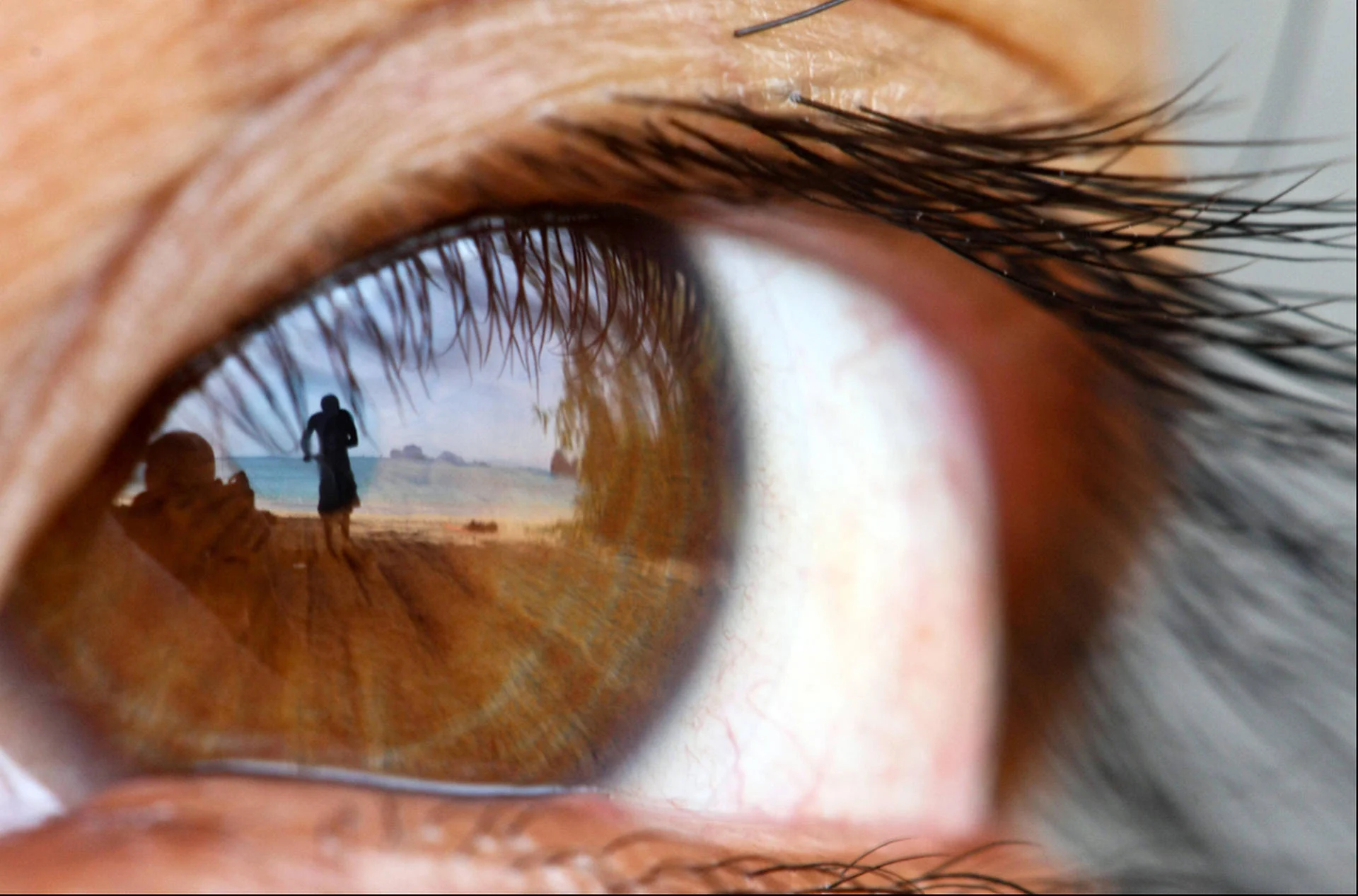
Beyond Basic Brainspotting: Advanced Techniques
Because every brain is unique, Brainspotting has evolved into several specialized styles. Your therapist may use these specific techniques to bypass resistance or access deeper layers of trauma.
Visual & Spatial Techniques
Gazespotting:
Instead of following a pointer, you simply lock your gaze on a specific spot where you naturally find yourself staring. This often provides the most direct access to deep-seated processing.
Z-Axis (Vergence):
Trauma is stored not just left-to-right, but close-up and far-away. We adjust the distance of your gaze to access 3D spatial memories of trauma.
Expansion Brainspotting:
Ideal for strengthening resilience. We identify spots that correspond to hope, strength, or “expansion” to help you tolerate the distress of trauma processing.
Movie Spotting:
We treat the memory like a movie on a screen. This allows you to process the event with a safe emotional distance, reducing the risk of being overwhelmed.
Somatic & Creative Integrations
Body & Wave Spotting:
We track the physical “wave” of sensation (tingling, heat, tension) as it moves through the body. This is crucial for releasing trauma stored in the fascia and nervous system.
Tap Spotting:
Unsure if a pain is emotional? You “tap” on the physical area of pain while we scan your eyes. If the eyes react, we know that physical pain has a neurological root we can treat.
Sensory Spotting:
For severe trauma where the body feels unsafe, we focus on one safe sense (smell, touch, or sound) to anchor the brain before diving deep.
Dreamspotting:
We use the imagery from your dreams as the entry point. This accesses the subcortical brain directly through its own symbolic language.
✨ Myth Spotting
Sometimes personal stories are too painful to touch directly. Myth Spotting uses our natural affinity for storytelling, archetypes, and mythology to confront fear without the shame of personal narrative.
Read our Guide on Myth Spotting and the Hero’s Journey here →
What You Need to Know About the Brainspotting Technique
Brainspotting is a therapeutic technique that activates the deepest part of our fight or flight and emotional center where trauma is stored in the brain. In brainspotting sessions, your therapist guides your vision with a pointer and looks for eye positions that your brain associates with a traumatic event or a set of emotional and physical reactions.
Your experience during brainspottting can be intensely personal and hard to explain. Most people experience a heightened awareness of their emotions and how their emotions affect their body. This enhanced body brain connection has been shown to help you recognize and process your somatic trauma in healthier ways.
Anxiety & PTSD
Chronic Depression
Men's & Women's Issues
Anger Management
Childhood Trauma
Sexual Trauma
Chronic Pain & Illness
Dissociation
Addiction & Substance Abuse
Discrimination Trauma
Panic Attacks
The History of Healing
Developed by Dr. David Grand, Brainspotting evolved from EMDR (Eye Movement Desensitization and Reprocessing). Dr. Grand realized that instead of moving the eyes rapidly, finding and holding a specific eye position allowed clients to process trauma deeper and faster.
Dr. David Grand discovers “Natural Flow” while working with trauma survivors and an Olympic figure skater. He notices that when eyes “wobble” and hold a spot, deep processing occurs.
The first official Brainspotting training is held. The technique is formalized as a distinct therapy separate from EMDR, focusing on the “Brainspot” as a portal to the subcortical brain.
Dr. Grand publishes his groundbreaking work, “Brainspotting: The Revolutionary New Therapy for Rapid and Effective Change,” bringing the method to a global audience.
The method expands into performance psychology with the book “This is Your Brain on Sports,” proving its efficacy for athletes and creative professionals.
Brainspotting is a globally recognized, evidence-based therapy used to treat PTSD, anxiety, and chronic pain. All clinicians at Taproot Therapy Collective are trained in this modality.
Your Session: Step-by-Step
Brainspotting is a structured yet flexible process. Here is what you can expect during your hour.
Finding the Spot
We start by identifying the issue you want to work on. Your therapist will guide your eyes to find the specific "Brainspot"—the eye position where your emotional activation is strongest (or sometimes, where you feel most calm).
Dual Attunement
Safety is key. Your therapist maintains "Dual Attunement"—simultaneously tuning into your emotional process while monitoring your body's subtle physical cues to ensure you stay within your window of tolerance.
Focused Mindfulness
You will hold your gaze on the Brainspot. Unlike talk therapy, you don't need to speak much here. You simply observe your thoughts, body sensations, and memories as they rise and fall, like watching a movie.
Deep Processing
This is the "work." Your subcortical brain begins to metabolize the stuck trauma. You might feel waves of heat, tingling, or emotion. This is your nervous system physically releasing the stored energy of the event.
Grounding & Closure
As the session ends, we guide you back to the present moment. We use grounding techniques to ensure you feel stable, calm, and fully "back in the room" before you leave our office.
Integration
The work continues after you leave. Your brain will continue to process in the background for 24-48 hours. We encourage self-compassion, hydration, and rest as your neural pathways reorganize.
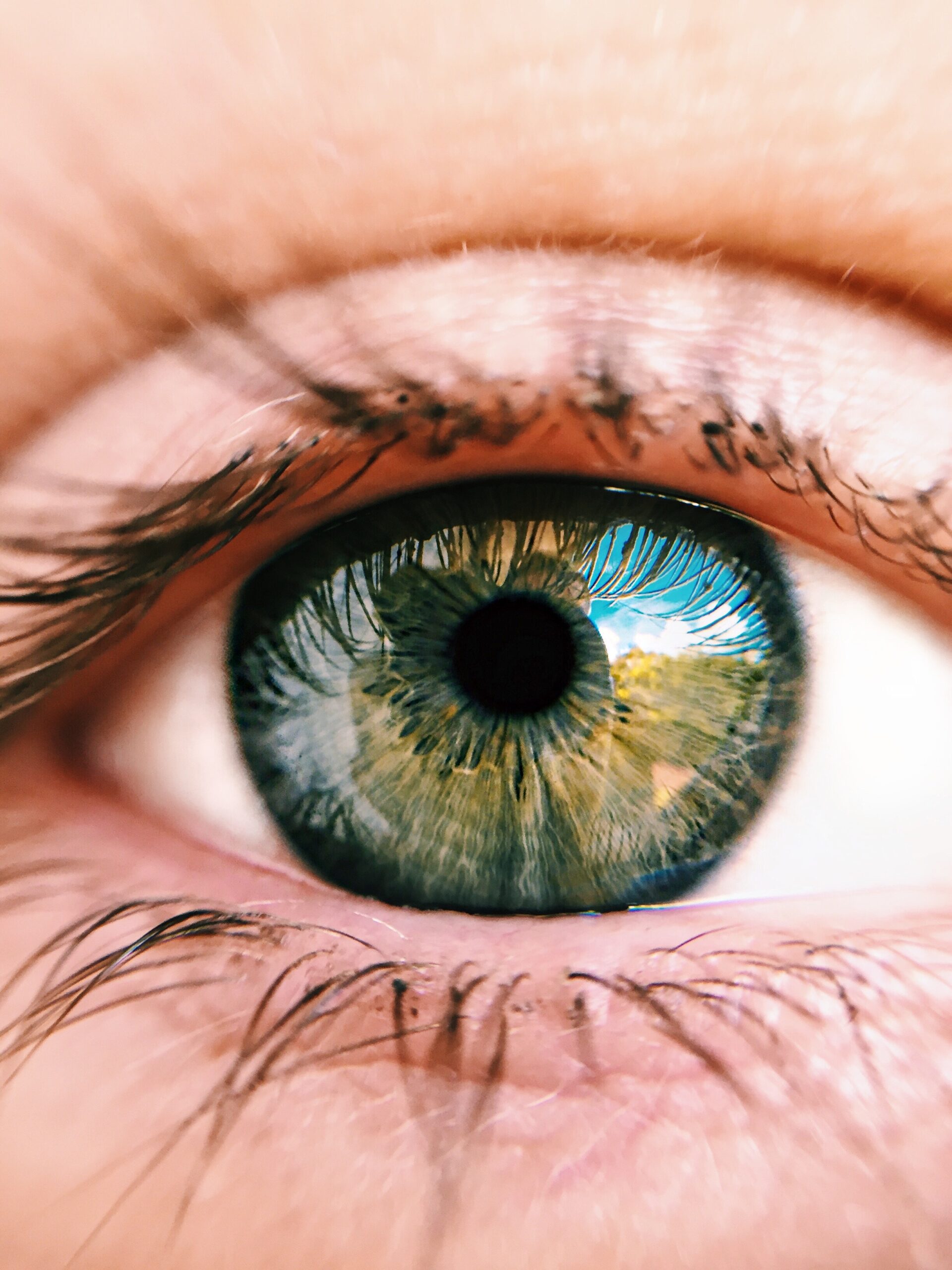
How Does Brainspotting Work?
Brainspotting can have life changing effects, but the process itself is quite simple and unintrusive. Brainspotting does not require extensive recounting and analysis of traumatic events. In a brainspotting session a therapist holds a pointer that a client follows with their eye. Sometimes a client will listen to music during the process or wear certain glasses, but that is all the process entails.
What Does Brainspotting Feel Like?
Your experience during brainspottting can be intensely personal and hard to explain. Most people experience a heightened awareness of their emotions and a heightened physical awareness of how their emotions effect their body.
Who Invented Brainspotting?
BSP was developed by Dr. David Grand and is born out of EMDR. Through clinical work, he discovered that a eye position had the potential to unlock deeply held memories and emotion. Today, multiple types of brainspotting have emerged through its ongoing use and innovation.
Where Does Brainspotting Fit into Treatment?
Brainspotting has become one the most common therapies at Taproot. It doesn’t usually take many sessions. Yet it can lead to some of your most profound results. BSP has the tendency to be powerful and subtle at the same time. It’s likely to continue growing in popularity.
Why Taproot Therapy Brainspotting?
Taproot Therapy is Birmingham, Alabama’s premiere treatment center for PTSD. We offer personalized treatment based on your needs and goals. We lead with empathy and consistency. We get great results for people just like you. We’ll help you get to the root of your trauma, not just cover it up or disguise it.
“Whatever the client was experiencing changed. Images and memories came more quickly. Emotions and body experience went deeper and moved on more rapidly and easily. Clients also got to observe the process while they were in it. The process was fascinating and still is.”
– Dr. David Grand
Unlocking the Brain's Potential
Brainspotting is more than just a technique; it is a physiological reset button. Here is how it engages your brain's own healing mechanisms.
The Brainspot
A "Brainspot" is not just a random point in space. It is a specific eye position that connects directly to a neural "capsule" where a traumatic memory is stored. By holding this gaze, we keep that file open for processing.
Limbic System Activation
Traditional talk therapy works in the neocortex (thinking brain). Brainspotting bypasses this to access the Limbic System—the deep, wordless center responsible for emotions, memory, and survival instincts.
Neuroplasticity
The brain has an amazing ability to rewire itself. Brainspotting activates this "neuroplasticity," allowing your nervous system to forge new, healthy pathways and disconnect the old, painful wiring of trauma.
Deep Integration
Healing isn't just about "forgetting." It's about metabolizing the experience so it no longer triggers a fight-or-flight response. The result is a profound sense of calm and a lasting release of physical tension.
Deep Dive: The Neuroscience
For those who want to understand the exact biological mechanisms behind the healing.
How does Brainspotting activate the Subcortical Brain?
The subcortical brain (including the amygdala and hippocampus) is where trauma lives. Unlike talk therapy, which stays in the "thinking" brain (neocortex), Brainspotting uses eye position to bypass the analytical mind and access these deeper regions directly. This allows us to process the felt sense of trauma rather than just the story of it.
Why do we call it the "Lizard Brain"?
The "Lizard Brain" refers to the brainstem—the most primitive part of your brain responsible for survival instincts like fight, flight, or freeze. Trauma often gets stuck here as a permanent "alarm" signal. Brainspotting communicates directly with this region to turn off the alarm and return your nervous system to safety.
How does it bypass the Prefrontal Cortex?
The optic nerve connects directly to the midbrain, bypassing the logical centers of the Prefrontal Cortex. By holding a specific gaze, we "anchor" your brain's activity in the emotional centers. This prevents your analytical mind from rationalizing away the feelings, allowing for pure, uninhibited processing.
FAQ about Brainspotting
Can Brainspotting Be Used on Children?
Yes, Brainspotting can be used as a therapeutic approach for children. It is a gentle and effective method that can be adapted for use with children, taking into consideration their developmental stage, cognitive abilities, and emotional needs.
Brainspotting can be used with children who have experienced various types of trauma, including but not limited to, physical abuse, sexual abuse, neglect, accidents, medical procedures, bullying, loss of a loved one, or witnessing violence. It can also be helpful for children who struggle with anxiety, depression, behavioral issues, attention deficit hyperactivity disorder (ADHD), and other emotional or psychological challenges.
When working with children, a trained Brainspotting therapist will use age-appropriate language and techniques to create a safe and supportive environment. The therapist may use play therapy, art therapy, or other creative modalities to help children express their thoughts, feelings, and experiences. Brainspotting can help children process and integrate their emotions in a gentle and non-threatening way, and it can also help them develop healthy coping skills and resilience.
What’s the Differences in Brainspotting and EMDR?
Brainspotting is a newwer form of eeye moement therapy. It typically involves less distress for the patient and works slightly faster than EMDR.
Here’s a list of similarities and differences between Eye Movement Desensitization and Reprocessing (EMDR) and Brainspotting:
Similarities between Brainspotting and EMDR:
- Both EMDR and Brainspotting are therapeutic approaches that aim to process and resolve traumatic memories and emotional distress.
- Both techniques utilize bilateral stimulation, either through eye movements or other forms of bilateral stimulation, to access and process traumatic or emotionally charged material.
- Both approaches recognize the importance of the body in the processing of emotions and trauma, and may incorporate somatic and body-centered techniques in their practice.
- Both EMDR and Brainspotting emphasize the role of the therapist as a supportive guide in the healing process, providing a safe and non-judgmental environment for the client to explore and process their experiences.
- Both techniques can be used to treat a variety of psychological conditions, including PTSD, anxiety, depression, phobias, and other traumatic experiences.
Differences between Brainspotting and EMDR:
- EMDR follows a standardized eight-phase protocol, which includes assessment, preparation, desensitization, installation, body scan, closure, reevaluation, and integration, whereas Brainspotting does not have a standardized protocol and offers more flexibility in its approach.
- EMDR focuses on cognitive reprocessing of traumatic memories, utilizing eye movements or other forms of bilateral stimulation to facilitate the processing of thoughts, emotions, and memories, whereas Brainspotting focuses on identifying and processing “brainspots,” which are eye positions that correspond to traumatic or emotional experiences.
- Brainspotting allows for a more organic and spontaneous healing process, with the therapist and client collaboratively exploring and processing emotions and memories as they arise, whereas EMDR follows a more structured protocol with specific steps and procedures.
- EMDR requires certification and training to practice as an EMDR therapist, whereas Brainspotting has its own certification and training requirements.
- Brainspotting may incorporate a wider range of techniques, such as mindfulness, resourcing, and somatic techniques, depending on the therapist’s approach and the client’s needs, whereas EMDR incorporates cognitive-behavioral and exposure therapy elements in addition to bilateral stimulation.
It’s important to note that while EMDR and Brainspotting share some similarities, they also have distinct differences in their protocols, techniques, and approaches. The choice between EMDR and Brainspotting, or any other therapeutic approach, should be made in consultation with a qualified mental health professional based on an individual’s specific needs, preferences, and goals for therapy.
What Happens if Brainspotting Doesn’t Work?
If Brainspotting doesn’t seem to be working for you, here are some steps you can consider taking:
Communicate with your therapist: It’s important to communicate openly and honestly with your therapist about your experience with Brainspotting. Let them know if you’re not feeling any significant shifts or changes, or if you’re experiencing any challenges or discomfort during the process. Your therapist may be able to adjust their approach, provide additional support, or explore other therapeutic options with you.
Practice self-care: Taking care of yourself outside of therapy can also be beneficial. Engage in self-care practices such as regular exercise, sufficient sleep, healthy nutrition, relaxation techniques, and stress-reducing activities that can support your overall well-being. A healthy lifestyle can create a conducive environment for emotional healing and processing. Much of the brainspotting processing take place durring sleep and brain spotting can create strange dreams.
Explore other therapeutic options: Brainspotting may not be the right fit for everyone. Consider discussing alternative therapeutic approaches with your therapist, such as other forms of trauma therapy, talk therapy, cognitive-behavioral therapy (CBT), or other evidence-based modalities that may better align with your needs and goals.
Give it time: Healing and processing traumatic experiences can be a complex and individual journey, and it may take time for you to see the full benefits of Brainspotting. Be patient with yourself and the therapeutic process, and trust that healing can occur at its own pace.
Seek a second opinion: If you have concerns about the effectiveness of Brainspotting, you can also consider seeking a second opinion from another qualified mental health professional. Different therapists may have different approaches and perspectives, and a fresh perspective may offer new insights or options for your healing journey.
Remember that every individual is unique, and what works for one person may not work for another. It’s important to work closely with a qualified mental health professional to find the therapeutic approach that best suits your specific needs and goals.
The Future of Brainspotting
Therapy is evolving. Here is how Brainspotting is integrating with new technology and global research.
VR & Neuro-Tech
The future includes integrating Virtual Reality (VR) to create safe, immersive environments for processing trauma, as well as fMRI and EEG biofeedback to visualize brain changes in real-time.
Specialized Care
Protocols are expanding for specific populations, including addiction recovery, chronic pain management, and eating disorders, moving beyond just "trauma" to holistic health.
Holistic Integration
We are seeing a synthesis of Brainspotting with other modalities like CBT, Somatic Experiencing, and Internal Family Systems (IFS) to create a more robust "Unified Theory" of healing.
Evidence-Based Growth
As adoption grows, so does the clinical data. New randomized controlled trials (RCTs) are solidifying Brainspotting's status as a gold-standard treatment alongside EMDR.
Global Expansion
From disaster relief zones to elite sports training facilities, Brainspotting is being adapted across cultures to address both individual and collective trauma.
Advanced Training
Certification programs are becoming more rigorous, ensuring that practitioners like those at Taproot maintain the highest level of neurobiological expertise.
Global Leaders in Brainspotting
This modality is constantly evolving thanks to the research and innovation of these international clinicians.
The discoverer of Brainspotting. He identified the connection between eye position and brain processing in 2003 and has since trained thousands of therapists worldwide.
A psychiatrist whose work in neurobiology provided the scientific framework for why Brainspotting works, specifically identifying the midbrain mechanisms involved.
Renowned for integrating Brainspotting with somatic therapies. She specializes in using the method for profound grief and loss recovery in Australia.
A pioneer in combining Brainspotting with Internal Family Systems (IFS) to help clients integrate dissociated "parts" of the self safely.
His research focuses on the "Crocodile Brain" (survival brain) in addiction, using Brainspotting to reduce cravings and prevent relapse.
One of the earliest adopters, specializing in severe dissociation and complex developmental trauma. She is a leading voice in the US Brainspotting community.
The Evidence: Brainspotting vs. EMDR
Brainspotting is not just experimental. Clinical trials show it is as effective as EMDR but often faster and better tolerated.
⚖️ Comparative Effectiveness (BSP vs. EMDR)
-
Paradigm Shift in Trauma Treatment
Key Finding: A trial of 53 patients showed that just 3 sessions of Brainspotting achieved the same PTSD symptom reduction that typically requires 8–12 sessions of EMDR.
-
BSP vs. EMDR vs. Body Scan
Key Finding: Brainspotting significantly outperformed Body Scan Meditation and matched EMDR in reducing the vividness and distress of traumatic memories (p < 0.001).
-
The Hildebrand RCT (Randomized Controlled Trial)
Key Finding: The landmark study. 76 participants showed equivalent effectiveness between BSP and EMDR, but patients reported BSP was more comfortable and easier to tolerate.
🧬 Physiological Proof (It's Not Placebo)
-
Heart Rate Variability (HRV) Study
Key Finding: Brainspotting sessions physically altered the autonomic nervous system, measurably improving Heart Rate Variability (a key marker of stress resilience).
-
Subcortical Processing Pathways
Key Finding: 81% of clients achieved significant trauma resolution, confirming the "Natural Flow" model of subcortical brain access.
🛡️ Specific Populations (First Responders & Abuse)
-
First Responders & PTSD
Key Finding: First responders showed a 74% reduction in PTSD symptoms, with results sustained at a 6-month follow-up.
-
Sexual Trauma Recovery
Key Finding: 85% of survivors experienced significant symptom reduction and reported improved capacity for intimacy.
-
Combat Veterans
Key Finding: Reduced combat-related PTSD symptoms by 82%, with a notably higher completion rate than exposure therapies.
The Evidence: Brainspotting vs. EMDR
Brainspotting is not just experimental. Clinical trials show it is as effective as EMDR but often faster and better tolerated.
⚖️ Comparative Effectiveness (BSP vs. EMDR)
-
Paradigm Shift in Trauma Treatment
Key Finding: A trial of 53 patients showed that just 3 sessions of Brainspotting achieved the same PTSD symptom reduction that typically requires 8–12 sessions of EMDR.
-
BSP vs. EMDR vs. Body Scan
Key Finding: Brainspotting significantly outperformed Body Scan Meditation and matched EMDR in reducing the vividness and distress of traumatic memories (p < 0.001).
-
The Hildebrand RCT (Randomized Controlled Trial)
Key Finding: The landmark study. 76 participants showed equivalent effectiveness between BSP and EMDR, but patients reported BSP was more comfortable and easier to tolerate.
🧬 Physiological Proof (It's Not Placebo)
-
Heart Rate Variability (HRV) Study
Key Finding: Brainspotting sessions physically altered the autonomic nervous system, measurably improving Heart Rate Variability (a key marker of stress resilience).
-
Subcortical Processing Pathways
Key Finding: 81% of clients achieved significant trauma resolution, confirming the "Natural Flow" model of subcortical brain access.
🛡️ Specific Populations (First Responders & Abuse)
-
First Responders & PTSD
Key Finding: First responders showed a 74% reduction in PTSD symptoms, with results sustained at a 6-month follow-up.
-
Sexual Trauma Recovery
Key Finding: 85% of survivors experienced significant symptom reduction and reported improved capacity for intimacy.
-
Combat Veterans
Key Finding: Reduced combat-related PTSD symptoms by 82%, with a notably higher completion rate than exposure therapies.
Full Research Library
A comprehensive archive of clinical trials, case studies, and academic dissertations supporting Brainspotting.
🧠 Top Clinical Trials (RCTs)
📊 Pilot Studies & Preliminary Reports
🧑🤝🧑 Case Studies & Applications
🎓 Dissertations & Academic Theory
Expertly Trained Clinicians
Brainspotting requires rigorous, multi-phase certification. Our therapists undergo extensive training to ensure your safety and care.
EMDR, BSP, ETT, or EMI?
Understanding the "Alphabet Soup" of eye-based trauma therapies.
EMDR
Eye Movement Desensitization & ReprocessingThe "Gold Standard." Highly structured and protocol-driven. It uses rapid lateral eye movements to process specific traumatic memories.
Read Full ComparisonBrainspotting
Our Preferred ModalityThe "Evolution." Fluid and intuitive. It uses a fixed eye position (staring) to access deep subcortical processing without the need for strict protocols.
Learn MoreETT
Emotional Transformation TherapyThe "Visual Aid." Uses specific wavelengths of light and color combined with eye movements to rapidly regulate emotional states and shift energy.
Explore ETTEMI
Eye Movement IntegrationThe "Integrator." Roots in NLP (Neuro-Linguistic Programming). Uses complex eye movement patterns to connect fragmented parts of a memory.
Read About EMIHow to Decide?
There is no "wrong" choice, only the best fit for your nervous system.
- ✅ Choose EMDR if you like structure, clear steps, and have a specific memory to target.
- ✅ Choose Brainspotting if you "don't have words" for your pain, struggle with dissociation, or want to perform better in sports/arts.
- ✅ Choose ETT if you are visually oriented and open to using light/color for rapid regulation.
Ready to Look Deeper?
You don't have to carry the weight of trauma forever. Our certified Brainspotting therapists are ready to help you find your spot and release the pain.
Book Your Initial ConsultationServing Birmingham, Hoover, and all of Alabama via Secure Telehealth.
Recommended Reading
Want to go deeper? These are the foundational texts we recommend for clients and clinicians.
Brainspotting: The Revolutionary New Therapy
The definitive guide by the creator himself. It explains the "how" and "why" of Brainspotting in accessible language, detailing case studies of trauma, anxiety, and performance issues.
Brainspotting with Children and Adolescents
An essential resource for parents and therapists. It adapts the Brainspotting model for younger nervous systems, offering gentle techniques for healing early developmental trauma.
Our Other Therapy Methods


Can Brainspotting be done virtually through teletherapy?
Yes, Brainspotting can be effectively delivered through teletherapy. Our therapists at Taproot Therapy Collective have adapted Brainspotting techniques for online sessions, making this powerful healing modality accessible to clients throughout Alabama. We use secure video platforms and have developed specific techniques to ensure the same quality of care remotely as in person. Many clients find the comfort of their home environment enhances the safety needed for deep trauma processing.
Is Brainspotting covered by insurance?
Many insurance plans cover Brainspotting therapy when provided by a licensed mental health professional. At Taproot Therapy Collective, we can help verify your insurance benefits and discuss options to make therapy accessible. The service is typically billed under standard therapy codes rather than as a specific technique. We also offer flexible payment options and sliding scale fees for those without coverage to ensure this effective treatment is accessible to those who need it.
What should I do to prepare for a Brainspotting session?
To prepare for a Brainspotting session, ensure you have a private, comfortable space where you won't be interrupted. Wear comfortable clothing and consider having water nearby. It's helpful to get adequate rest the night before and avoid substances that might interfere with your awareness. After your session, allow time for self-care and integration—avoid scheduling demanding activities immediately afterward. You don't need to prepare specific traumatic memories to discuss; your therapist will guide you through the process of identifying what to work on during the session.
Can children and adolescents benefit from Brainspotting?
Yes, Brainspotting can be effective for children and adolescents, and is often adapted to be developmentally appropriate. The minimally verbal nature of Brainspotting makes it accessible for young people who may struggle to verbalize their experiences. At Taproot Therapy Collective, our therapists have specialized training in working with youth and can incorporate play elements, art, or other age-appropriate modifications to make Brainspotting engaging and effective for younger clients.
Scientific Research and Resources on Brainspotting
For those interested in the scientific foundations of Brainspotting, these resources provide valuable insights:
Foundational Research
- Brainspotting: Recruiting the midbrain for accessing and healing sensorimotor memories of traumatic activation - Corrigan & Grand (2013)
- Brainspotting: Sustained attention, spinothalamic tracts, thalamocortical processing, and the healing of adaptive orientation truncated by traumatic experience - Corrigan, Grand & Raju (2015)
- Recognition of the neurobiological insults imposed by complex trauma and the implications for psychotherapeutic interventions - Corrigan & Hull (2015)
Comparative Studies
- Psychotherapeutic Techniques for Distressing Memories: A Comparative Study between EMDR, Brainspotting, and Body Scan Meditation - D'Antoni et al. (2022)
- Brainspotting reduces disturbance and increases Heart Rate Variability linked to distressing memories: A pilot study - Mediterranean Journal of Clinical Psychology (2023)
Books on Brainspotting
- "Brainspotting: The Revolutionary New Therapy for Rapid and Effective Change" by David Grand
- "The Listening Cure: Healing Secrets of an Unconventional Doctor" by Dr. Chris Gilbert and David Grand
- "Brainspotting with Children and Adolescents" by Mark Grixti
Our Certified Brainspotting Therapists in Birmingham
At Taproot Therapy Collective, all of our adult therapists have completed certified training in Brainspotting. Each brings unique specialties and approaches to this powerful technique:
Joel Blackstock, MSW, LICSW-S, PIP
Joel combines Brainspotting with Jungian psychology and somatic approaches for a holistic treatment of trauma, anxiety, and depression. His integrative approach helps clients connect body awareness with deeper psychological understanding.
Kristan Baer, LMSW, MSW
Kristan integrates Brainspotting with Somatic Experiencing for comprehensive trauma healing. She specializes in complex trauma, anxiety disorders, and attachment issues.
Alice Hawley, LPC
Alice utilizes Brainspotting to help clients process trauma, anxiety, and emotional blocks. She creates a compassionate space for deep healing and self-discovery.
Pamela Hayes, LMSW
Pamela offers Brainspotting combined with IFS, Somatic Experiencing, and EMDR via teletherapy, making trauma healing accessible throughout Alabama.
Kristi Wood, MSW, LICSW
Kristi specializes in using Brainspotting for trauma, anxiety, and depression. Her gentle approach helps clients feel safe while processing difficult experiences.
James Waites, LICSW, MSW
James brings Brainspotting expertise to his work with healthcare professionals, treating burnout, trauma, and workplace stress.
Marie Danner, LICSW-S, MSW, CCTP-II
Marie combines Brainspotting with her extensive trauma certification for comprehensive trauma healing, anxiety treatment, and depression care.
Becky Milstead, LPC
Becky utilizes Brainspotting to help clients work through trauma, grief, and life transitions with compassion and sensitivity.
Areas We Serve with Brainspotting Therapy
Taproot Therapy Collective offers Brainspotting therapy both in-person at our Birmingham location and via teletherapy throughout Alabama.
In-Person Brainspotting Services
Teletherapy Brainspotting Services
College Student Populations
Begin Your Healing Journey with Brainspotting in Birmingham
Trauma doesn't have to define your story. Through the transformative power of Brainspotting therapy at Taproot Therapy Collective, you can process traumatic experiences, release emotional blocks, and reclaim your life with greater freedom and peace.
Our team of skilled, compassionate therapists is dedicated to creating a safe space for your healing journey. With both in-person and teletherapy options available, effective trauma therapy is accessible to you wherever you are in Alabama.
Taproot Therapy Collective
2025 Shady Crest Dr, Suite 203
Hoover, AL 35216
(205) 598-6471
[email protected]
Alabama Statewide Treatment Access
We provide specialized clinical treatment via secure, HIPAA-compliant telehealth to clients across the entire state of Alabama. Select your location or university below to connect with a provider specializing in your area.
Student Mental Health
- UAB Student Counseling Support
- University of Alabama (UA) Therapy
- Auburn University Student Therapy
- Samford University Counseling
- Troy University Student Support
- South Alabama (Mobile) Students
- University of Montevallo Therapy
- UAH (Huntsville) Counseling
- Birmingham-Southern College
- Jeff State Community College
Regional Service Areas
- Huntsville & Madison Trauma Therapy
- Mobile & Baldwin County
- Tuscaloosa & Northport
- Auburn & Opelika Counseling
- Dothan & The Wiregrass
- Florence & The Shoals
- Prattville & Montgomery
- Loxley & Robertsdale
- Margaret & St. Clair County
- Jemison & Chilton County
- Harpersville & Childersburg