
The Mystical Depths of the Psyche: Exploring the Intersection of Mysticism, Psychology, and Psychotherapy
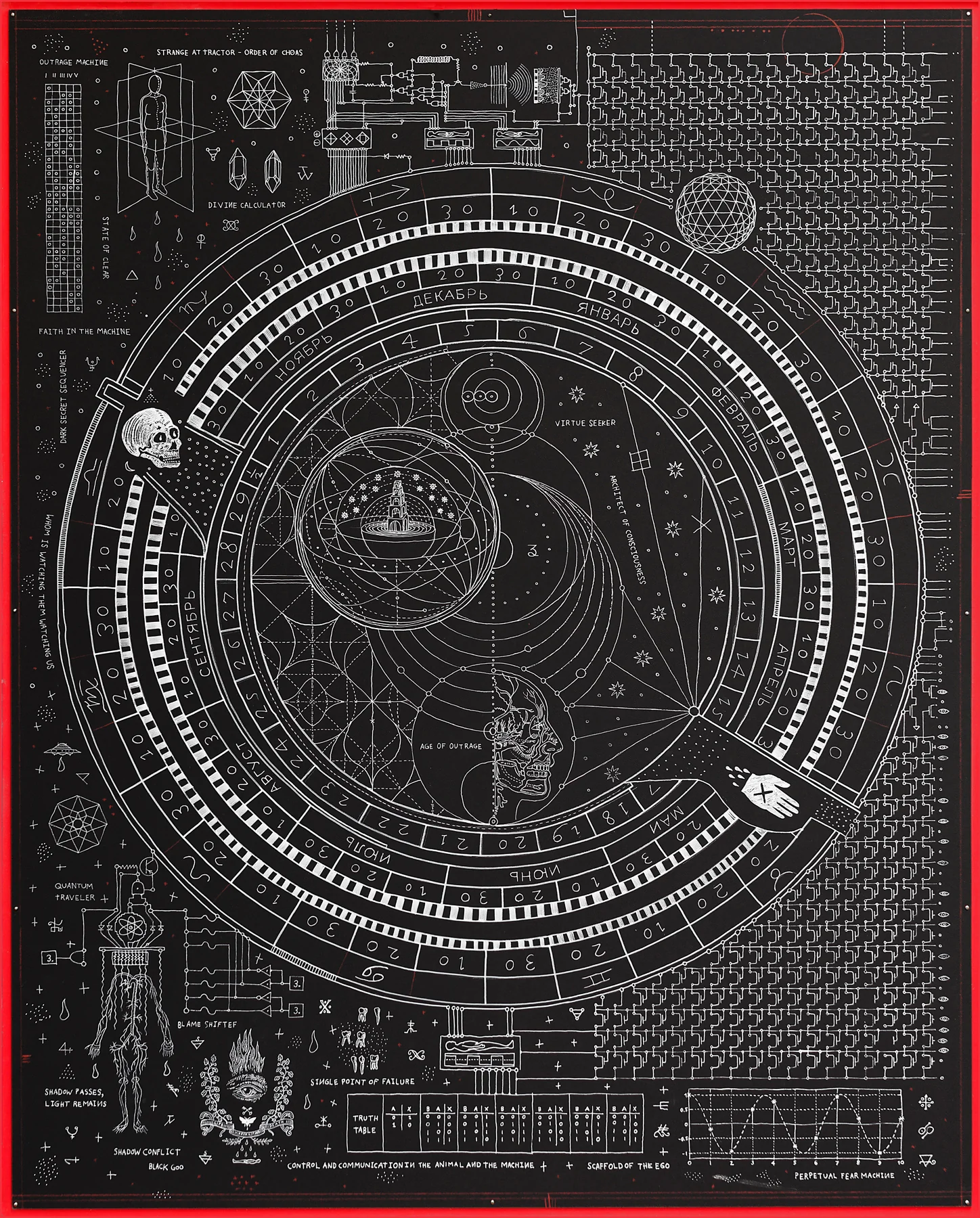
Throughout history, humans have sought to understand the depths of their own minds and souls through various mystical and spiritual traditions. In recent times, the fields of psychology and psychotherapy have also delved into the inner workings of the psyche, often drawing upon mystical concepts. This essay explores the fascinating intersection of mysticism, psychology, and psychotherapy, examining how these seemingly disparate domains converge to offer profound insights into the human condition.
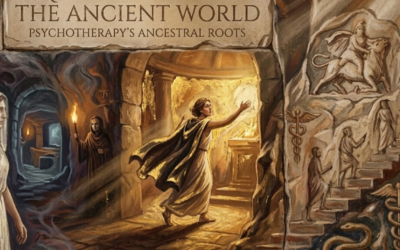
At the heart of this exploration lies the idea that the journey inward – the quest for self-discovery and transformation – is a central theme in both mystical traditions and depth-oriented psychotherapies. The process of confronting the hidden aspects of the psyche, integrating unconscious contents, and ultimately transcending the ego is mirrored in practices ranging from ancient shamanic rituals to modern Jungian analysis (https://gettherapybirmingham.com/how-to-understand-jung-part-3-jungian-analysis/).
The Mystical Quest for Self-Realization
Mystical traditions across cultures and throughout history have emphasized the importance of direct experience of the divine or ultimate reality. This experience often involves a dissolution of the ego and a sense of unity with the cosmos. The Islamic mystical tradition of Sufism, for example, speaks of fana, the annihilation of the self in the divine presence. Similarly, the Hindu concept of moksha points to liberation from the illusion of a separate self and realization of one’s true nature as identical with the ultimate reality of Brahman.
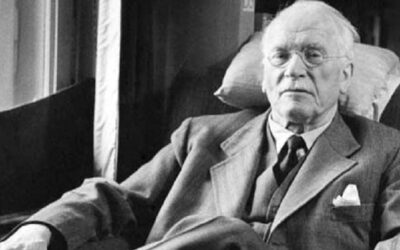
These themes find striking parallels in the work of pioneering psychologists like Carl Jung, who saw the process of individuation – the integration of conscious and unconscious elements of the psyche – as a path to wholeness and self-realization. Jung drew heavily upon mystical and esoteric traditions in developing his understanding of the psyche, from Gnosticism to alchemy and Kabbalah.
Other influential thinkers like philosopher and comparative religion scholar Henry Corbin have further illuminated the intersection of mysticism and depth psychology. Corbin’s concept of the imaginal realm – a intermediary world between the sensory and the divine – has profound implications for understanding visionary experiences and the role of creative imagination in transformation.
Neurobiology, Consciousness, and Mystical States
Recent advances in neuroscience have begun to shed light on the biological underpinnings of mystical states and expanded states of consciousness. The work of researchers like Michael Gazzaniga on split-brain patients has revealed striking insights into the nature of the self and the role of the brain’s hemispheres in shaping our experience of reality.
The study of psychedelic substances has also opened new avenues for exploring the neurobiology of mystical experience. Substances like psilocybin, found in certain mushrooms, and ayahuasca, a traditional Amazonian brew, have been shown to induce profound states of ego dissolution and a sense of unity that closely resemble descriptions of mystical experiences. These findings suggest that alterations in brain chemistry and neural activity may underlie some of the transformative effects of both spontaneous mystical experiences and intentional practices like meditation.
Models like Paul MacLean’s triune brain theory offer a framework for understanding how different levels of neural organization – from the primitive reptilian complex to the neocortex – shape our conscious experience. Mystical states may involve a temporary downregulation of higher cortical functions, allowing for a more direct experience of reality unfiltered by the categorizing and narrative-weaving activity of the neocortex.
Integrating Mysticism and Psychotherapy
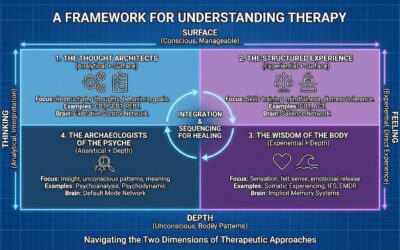
The intersection of mysticism and psychotherapy offers rich possibilities for facilitating deep personal transformation. By recognizing the commonalities between the inward journeys described by mystics and the process of psychotherapy, clinicians can help clients navigate the challenges of shadow work, ego transcendence, and integration of peak experiences.
Depth-oriented approaches like Jungian analysis, archetypal psychology, and transpersonal therapy explicitly draw upon mystical concepts and practices. But even in more mainstream modalities, an appreciation for the transformative power of altered states of consciousness and the centrality of the individuation journey can enrich the therapeutic process.
Techniques like active imagination, dream work, and mindfulness practices can help clients access deeper levels of the psyche and facilitate the integration of unconscious material. By creating a safe and supportive container for inner exploration, therapists can guide clients through the often challenging terrain of the individuation process, helping them confront and integrate shadow elements, reconnect with a sense of meaning and purpose, and ultimately realize a greater wholeness.
The study of mysticism and its intersection with psychology and psychotherapy offers profound insights into the nature of the psyche and the process of human transformation. By recognizing the universality of the inward journey and the capacity for transcendent experience, we can develop a more integrated understanding of the mind and its potential for growth and healing.
As the fields of neuroscience, comparative religion, and depth psychology continue to advance and cross-pollinate, we may discover ever more powerful methods for facilitating transformation and wholeness. By honoring the wisdom of mystical traditions while remaining grounded in the empirical rigor of scientific inquiry, we can chart a path forward that embraces the full spectrum of human experience – from the depths of the personal unconscious to the heights of transpersonal realization.
Ultimately, the merging of mysticism and psychotherapy invites us to embark on the most profound journey of all: the exploration of our own minds and souls. By diving deep into the wellsprings of the psyche and opening to the possibility of transcendence, we participate in the great unfolding of human consciousness and potential. As both seekers and therapists, we are called to light the way for ourselves and others through the labyrinth of awakening.










0 Comments