
Therapy in Vestavia Hills, AL
Specialized anxiety and trauma support for the high-functioning professional and family.
Schedule Your ConsultationUnderstanding the "Vestavia Standard"
Vestavia Hills is a community known for excellence—in our schools, our businesses, and our families. But high standards often come with high pressure. Many of our clients struggle with "high-functioning anxiety," the feeling that no matter how much you achieve, it's never quite enough.
Whether you are a professional navigating career burnout, a parent managing family dynamics, or an individual healing from past trauma, Taproot Therapy Collective offers a sanctuary. We move beyond simple "talk therapy" to provide deep, neurological healing.
Meet Our Vestavia Hills Specialists

Dr. Haley Beech
PhD, MSW, LMSW
Specializing in women's issues, perinatal mental health, and medical trauma. Dr. Beech provides a safe space for navigating the complex transitions of motherhood and career.

Pamela Hayes
MSW, LMSW
A compassionate expert in anxiety, depression, and chronic pain. Pamela is available for both in-person and convenient teletherapy sessions for busy professionals.
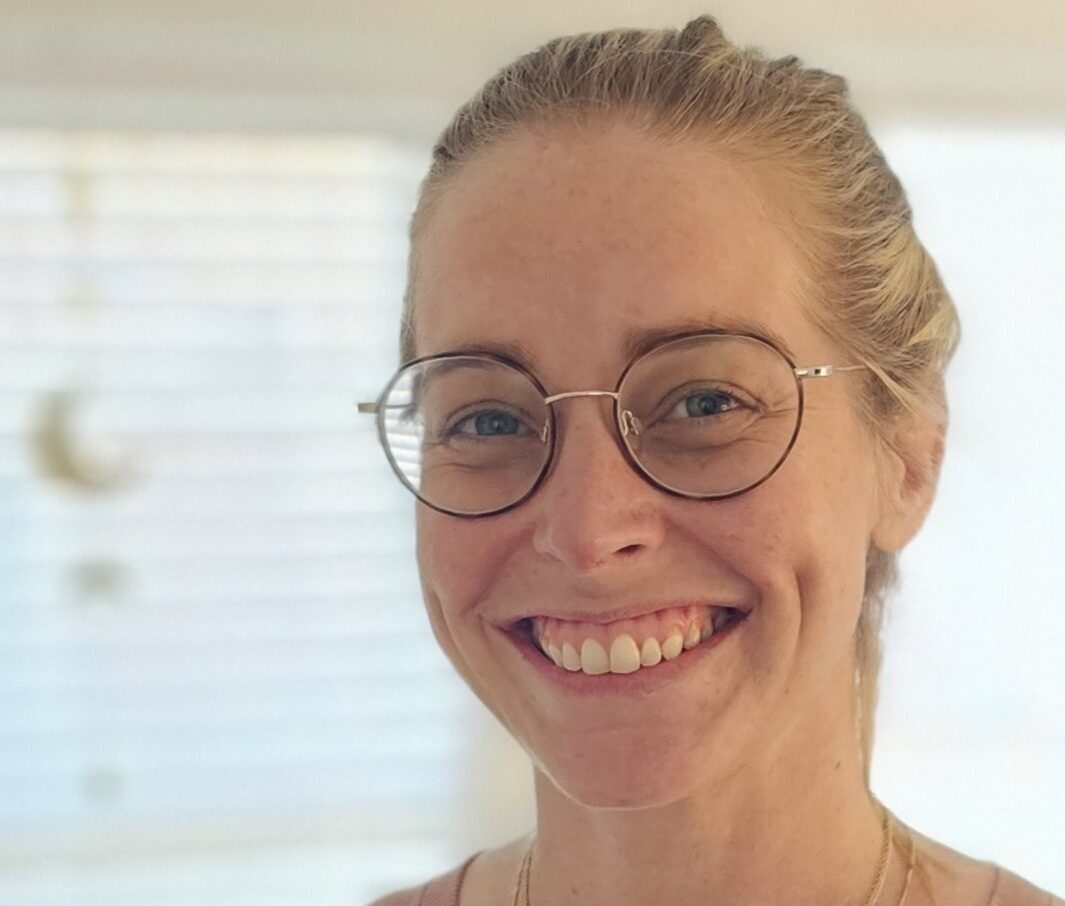
Alice Hawley
LPC
Offering a depth-oriented approach through Jungian therapy and integrative counseling. Ideal for those seeking deeper meaning and spiritual connection alongside symptom relief.

Kristi Wood
LICSW
Trauma and anxiety specialist utilizing Brainspotting and other advanced modalities to help clients heal from the root.
Advanced Treatments for Anxiety & Trauma
We utilize cutting-edge therapies that target the nervous system to provide lasting relief.
- Brainspotting: A powerful, focused treatment method that works by identifying, processing, and releasing core neurophysiological sources of emotional/body pain.
- EMDR (Eye Movement Desensitization and Reprocessing): An interactive psychotherapy technique used to relieve psychological stress and treat trauma.
- Somatic Experiencing: A body-oriented approach to the healing of trauma and other stress disorders.
- Family Systems Therapy: Helping families navigate conflict and improve communication within the Vestavia Hills community context.
Vestavia Hills Mental Health Resources
-
Birmingham Anxiety & Trauma Therapy
Located right here in Vestavia Hills, providing specialized care for anxiety disorders.
100 Centerview Drive, Vestavia Hills, AL 35216 -
Community Grief Support
offering free counseling and support groups for those grieving the loss of a loved one.
400 Vestavia Parkway, Suite 131, Vestavia Hills, AL 35216 -
NAMI Birmingham - Vestavia Hills Group
Peer and family support groups meeting locally at St. Stephen's Episcopal Church.
-
Crisis Center Birmingham
24/7 crisis intervention and suicide prevention services for our area.
Call: (205) 323-7777
Start Your Path to Healing
You don't have to carry the weight of anxiety or trauma alone. Our team is here to support you with confidentiality and expertise.
Location: Just minutes from Vestavia Hills at 2025 Shady Crest Dr, Hoover, AL 35216.
Call (205) 598-6471We offer teletherapy across the state of Alabama and in these major cities: Dothan, Vestavia Hills, Madison, Prattville, Mountain Brook, Homewood, Tuscaloosa, Montgomery, Florence, Birmingham, Auburn, and Mobile, Alabama.
🧠 The Science of Transformation: Our Evidence-Based Approach
Our practice is dedicated to providing therapies validated by the **latest and most rigorous scientific research**. We integrate advanced tools with established psychological modalities to ensure your treatment path is effective and grounded in reliable data.
Quantitative EEG (QEEG) Brain Mapping
QEEG, or “brain mapping,” provides a neurophysiological profile of your brainwave patterns, enabling precise and personalized treatment planning.
- For Depression (Biomarkers): Research supports that QEEG can help **identify neurophysiological biomarkers** (such as altered brainwave power and asymmetry) that may predict treatment response and improve personalized care for Major Depressive Disorder, according to the 2022 machine-learning meta-analysis, Predicting treatment response using EEG in major depressive disorder (Watts et al., 2022).
- For Concussion (mTBI): A 2024 cohort study established that QEEG can identify distinct **concussion subtypes** based on brain activity, with these profiles showing a statistically significant association with **time to return to activity**, indicating QEEG’s potential as an objective biomarker for recovery from mild Traumatic Brain Injury (mTBI) (Identification of Concussion Subtypes Based on Intrinsic Brain Activity, PubMed, 2024).
- For ADHD (Cautionary Finding): While QEEG-guided neurofeedback continues to be studied, a comprehensive meta-analysis of blinded randomized controlled trials (RCTs) published in *JAMA Psychiatry* in 2024 concluded there is **insufficient evidence to recommend neurofeedback as a first-line treatment for ADHD symptoms** when compared to sham controls (JAMA Psychiatry Summary, University of Southampton, 2024).
Dialectical Behavior Therapy (DBT)
DBT is a skills-based therapy proven to help individuals manage intense emotions and reduce self-destructive behaviors.
- Self-Harm and Suicidal Ideation: DBT demonstrates **robust efficacy in significantly reducing self-harm, suicidal ideation, depression, and anxiety** while enhancing emotion regulation abilities in adolescents, as confirmed by the 2024 systematic review, The effectiveness of dialectical behavioral therapy on psychological distress… (Chang et al., 2024).
Somatic, Body-Focused, and Experiential Therapies
These approaches leverage the mind-body connection to process and heal trauma, promoting lasting regulation.
- Somatic Experiencing (SE): A 2017 randomized controlled trial (RCT) provided evidence that **SE significantly reduced PTSD symptoms** compared to a waitlist control, supporting its efficacy as a body-oriented trauma therapy (Somatic experiencing for posttraumatic stress disorder: A randomized controlled outcome study, Brom et al., 2017).
- Brainspotting (BSP): A comparative study suggested that BSP is an **effective alternative therapeutic approach for individuals with PTSD**, showing comparable significant reductions in PTSD, anxiety, and depressive symptoms to EMDR (Brainspotting – the efficacy of a new therapy approach for the treatment of Posttraumatic Stress Disorder…, Hildebrand et al., 2014, updated 2022).
Micronutrition Therapy
We integrate nutritional support based on evidence linking nutrient status to mental health outcomes.
- Vitamin D for Depression: A 2024 meta-analysis confirmed that **Vitamin D supplementation significantly reduced depressive symptoms** in people with primary depression (The effect of vitamin D supplementation on primary depression: A meta-analysis, Wang et al., 2024).
- Micronutrients for ADHD: A 2022 placebo-controlled RCT found that broad-spectrum **micronutrient supplementation improved both inattentive and internalizing ADHD symptoms** in youth, supporting its viability as an adjunctive treatment option (Micronutrients for attention-deficit/hyperactivity disorder in youths…, Johnstone et al., 2022).
Meditation & Mindfulness
Mindfulness-Based Cognitive Therapy (MBCT) is recognized as a powerful tool for preventing relapse and recurrence.
- MBCT vs. Antidepressants: A major RCT published in *The Lancet* in 2015 found that **MBCT is not inferior to maintenance antidepressant medication** for preventing depressive relapse over 24 months, offering an equally effective non-pharmacological alternative (Effectiveness and cost-effectiveness of mindfulness-based cognitive therapy…, Kuyken et al., 2015).
- Existential/Post-Traumatic Growth: The integration of existential work is supported by a 2023 study identifying **EEG neuromarkers for Post-Traumatic Growth (PTG)**, validating the measurable neural shifts associated with finding meaning after hardship (Posttraumatic growth EEG neuromarkers, Glazebrook et al., 2023).
Teletherapy (Virtual Care)
Our virtual services provide accessible, high-quality care with validated efficacy.
- Therapeutic Alliance: A 2024 systematic review and meta-analysis confirmed a **small but significant positive association between the therapeutic alliance quality and treatment outcomes in teletherapy**, demonstrating that a strong connection is still highly achievable in a virtual setting (The association between quality of therapeutic alliance and treatment outcomes in teletherapy, Aafjes-van Doorn et al., 2024).