
Key Takeaways: The Psychology of the Peloponnesian War
- Archetypal Conflict: Athens represents the Anima (creative, chaotic, fluid), while Sparta represents the Shadow/Ego (rigid, militaristic, disciplined).
- Hubris & Inflation: The Athenian defeat is a classic case of “Psychic Inflation”—when the ego identifies with the divine and loses touch with reality (The Melian Dialogue).
- Failure of Integration: Sparta’s victory was hollow because they failed to integrate the “Feminine” qualities of culture and diplomacy, leading to their own eventual collapse.
- Modern Relevance: The war mirrors the internal battle between our need for freedom (Athens) and our need for order (Sparta).
The Peloponnesian War: History, Psychology, and the Battle Within
The Outer War Mirrors the Inner Conflict of the Psyche
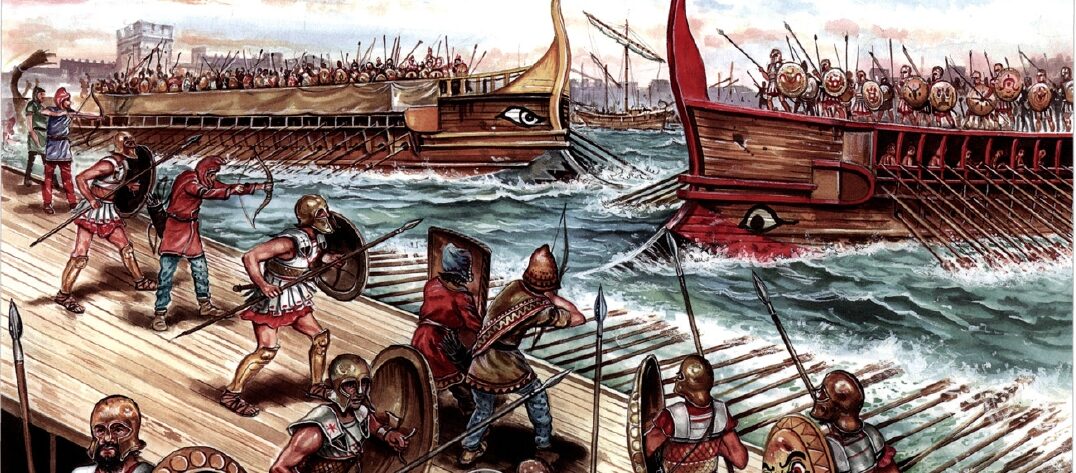
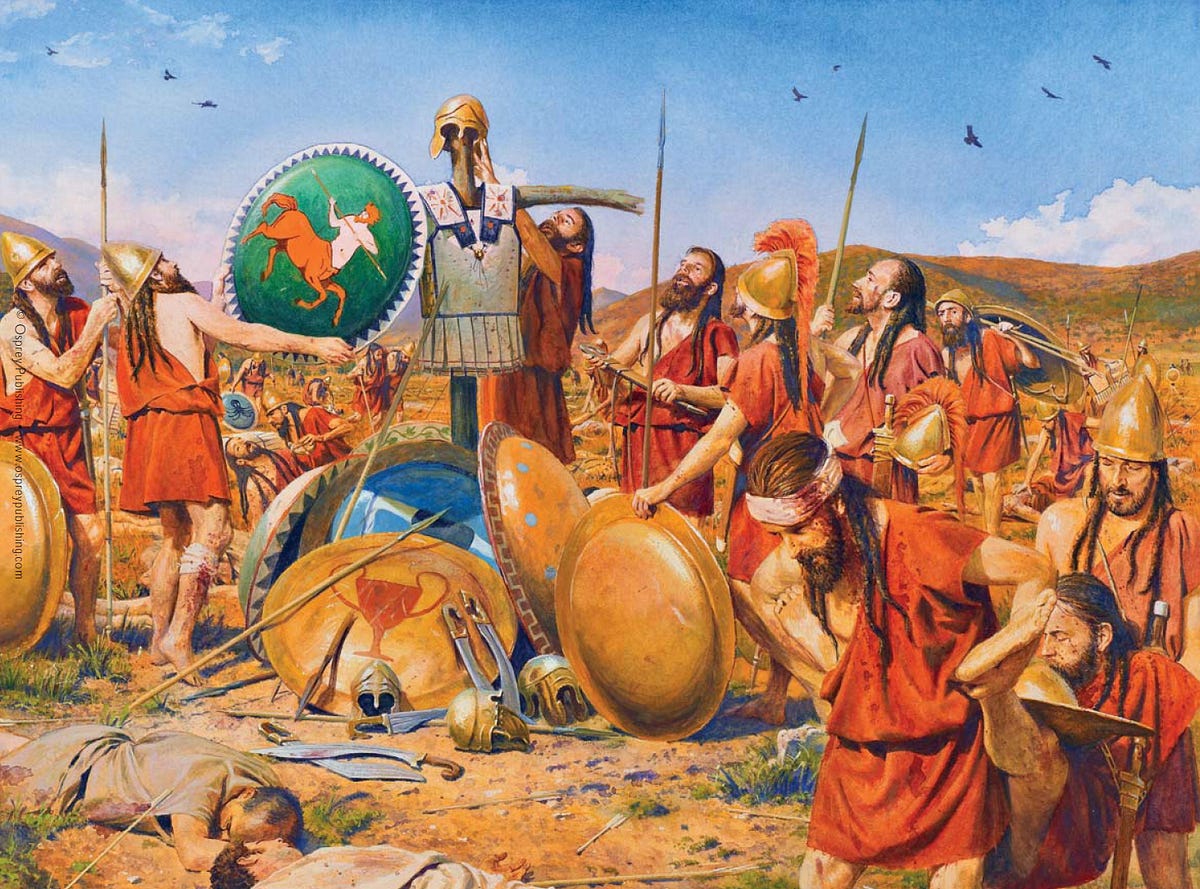
The Peloponnesian War (431–404 BC) was a pivotal conflict in ancient Greek history that reshaped the Hellenic world. But more than just a military struggle between rival city-states Athens and Sparta, this epochal war represents a clash of ideologies and psychologies that is embedded in the human condition itself. By viewing this conflict through the lens of Jungian psychology, we can unpack its deeper symbolic meaning and extract wisdom for our time.
Historical Context: The Greek World in the 5th Century BC
To understand the Peloponnesian War, we must first set the stage of classical Greece. In the aftermath of the Persian Wars, two powers rose to the fore, representing diametrically opposite ways of being human.
Athens: The Realm of Logos and Eros
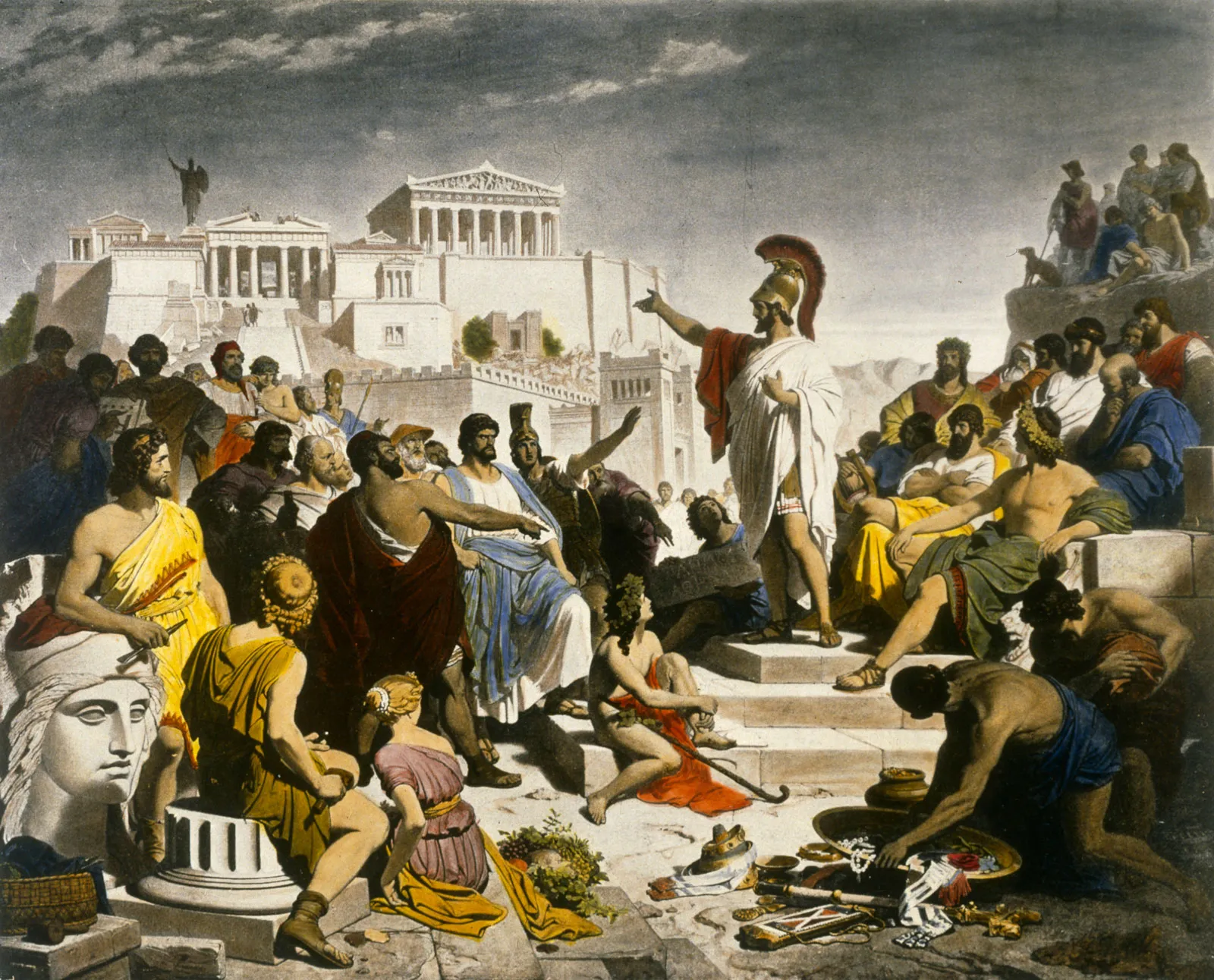
Located in Attica, Athens was the cultural and intellectual heart of Greece. It was the birthplace of democracy, where all male citizens could vote. Athens was an open, cosmopolitan society that prized the arts, philosophy, and rhetoric. It was a “Naval Empire,” fluid and dynamic, connected to the wider world through the sea. Psychologically, Athens represents the Neocortex—the center of innovation, speech, and higher thought.
Sparta: The Realm of Shadow and Discipline
In the Peloponnese peninsula, Sparta stood as a fortress of tradition. It was a land power, rooted in the earth. Spartan society was a totalitarian oligarchy dedicated to the production of the perfect warrior. The Agoge (training system) stripped boys of their individuality to forge a collective unit.
However, Sparta’s stability was built on a dark secret: the Helots. These were a subjugated population of serfs who outnumbered the Spartans 7 to 1. The Spartan state lived in constant, paranoid fear of a slave revolt. Psychologically, this represents the Rigid Ego suppressing the Shadow (the oppressed unconscious).
A Jungian Perspective: The War Within
Carl Jung argued that “external wars are merely the projection of internal conflicts.” The Peloponnesian War is a perfect case study of Archetypal Enantiodromia—the tendency of things to turn into their opposites.
The Archetypal Adversaries
Athens as the Anima/Puer Aeternus
Athens embodies the energy of the Puer Aeternus (Eternal Youth) and the Anima. It is creative, brilliant, and full of potential, but also impulsive, arrogant, and lacking in grounding. Its naval power symbolizes its connection to the Unconscious (the sea). However, like the Puer, Athens refused to accept limits (the Sicilian Expedition), leading to its fall.
Sparta as the Senex/Shadow
Sparta embodies the Senex (Old Man) and the Shadow. It is disciplined, grounded, and enduring, but also rigid, fearful of change, and culturally sterile. Sparta represents the “Superego” gone mad—total control at the expense of life. Its victory over Athens is the victory of repression over expression.
Pericles Funeral Oration
The Melian Dialogue: A Study in Psychopathy
The turning point of the war—and of the Athenian soul—is recorded by Thucydides in the “Melian Dialogue.” Athens demands that the small, neutral island of Melos surrender or be destroyed.
“The strong do what they can and the weak suffer what they must.”
– The Athenian Envoys
From a Jungian perspective, this is the moment Athens became possessed by the Shadow. By rejecting all morality in favor of pure power, Athens lost its connection to the Self. It became inflated. In Greek tragedy (like The Oresteia or Oedipus Rex), Hubris (pride) is always followed by Ate (ruin). The massacre of the Melians was the moral suicide of Athens, which paved the way for their physical defeat.
Sparta’s Pyrrhic Victory: The Failure to Integrate
Sparta won the war, but lost the peace. Why? Because the Ego (Sparta) cannot rule without the Soul (Athens). Upon victory, Sparta tried to impose its rigid oligarchy on the fluid, democratic Greek world. It failed miserably.
From a psychological perspective, this failure represents the inability to integrate the Anima. Sparta remained one-sided—hyper-masculine, hyper-logical, and devoid of feeling. A psyche that represses its feminine side eventually dries up and becomes brittle. Within a generation of their “great victory,” Sparta was defeated and irrelevant.
Thucydides as the First Psychoanalyst
The historian Thucydides, who chronicled the war, acted as the “observing ego.” He did not just record battles; he analyzed the pathology of the Greek mind. He noted how war stripped away the veneer of civilization (the Persona), revealing the savage instincts underneath. His work is a case study in collective shadow projection.
Conclusion: The Battle Continues
The Peloponnesian War is not ancient history; it is current psychology. Every human being fights a daily war between their inner Athens (the desire for freedom, pleasure, and novelty) and their inner Sparta (the need for discipline, safety, and control).
Health is not the victory of one over the other. It is the Integration of both. We need the Spartan discipline to give structure to the Athenian creativity. Without Sparta, we are chaotic; without Athens, we are robots.
Explore the Archetypes of History and Myth
Taproot Therapy Collective Podcast
Classical Literature & Archetypes
- Greek Tragedy and Jung: How ancient plays map the unconscious.
- The Oresteia: The evolution of justice from blood vengeance to law.
- Oedipus Rex: The tragedy of self-knowledge.
- Ajax: The warrior’s shadow and the cost of rigid masculinity.
- The Bacchae: The danger of repressing the irrational (Dionysus).
War and the Psyche
- Athens as Anima, Sparta as Animus: A deeper dive into the gendered archetypes of the war.
- The Shadow: Understanding the dark side of national and personal identity.
- The Villain Within: How to use shadow work for creative writing and storytelling.
Timeline of the Peloponnesian War (431-404 BCE)
- 431 BCE: Outbreak of war; Sparta invades Attica.
- 429 BCE: Death of Pericles; Athens loses its “Good Father” archetype.
- 416 BCE: The Melian Dialogue; the moral collapse of Athens.
- 415-413 BCE: The Sicilian Expedition; a catastrophic failure of ego-inflation.
- 404 BCE: Surrender of Athens; the victory of the Shadow.
















0 Comments