
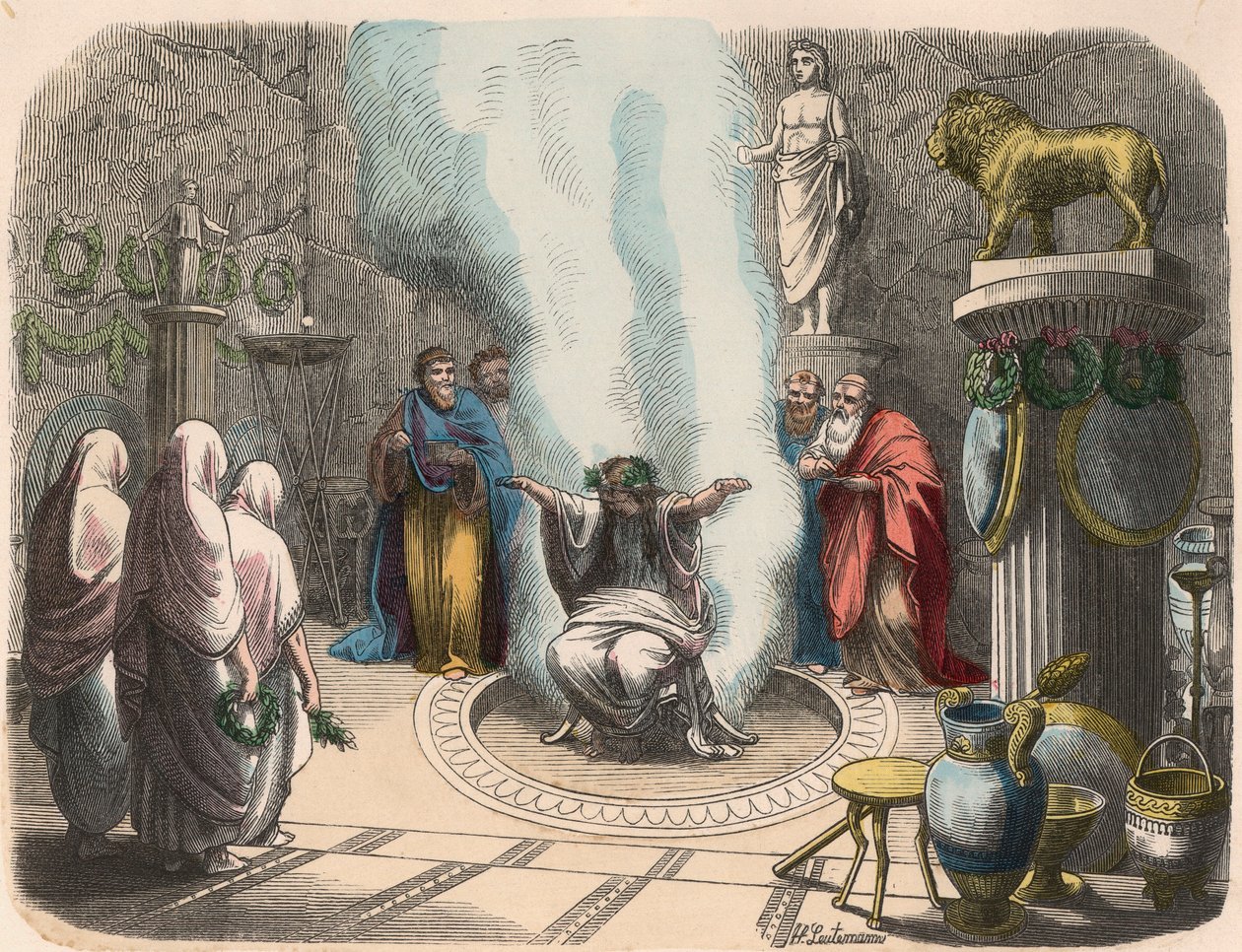
Key Takeaways: Greek Tragedy & Jungian Psychology
- Archetypal Mirror: Greek tragedies are not just ancient stories; they are maps of the Collective Unconscious, dramatizing universal psychological conflicts.
- The Shadow: Plays like Medea and Ajax illustrate the catastrophic consequences of repressing the “Shadow” self.
- Individuation: The Hero’s Journey in plays like Oedipus at Colonus mirrors the psychological process of moving from Ego to Self.
- The Apollonian/Dionysian Split: Euripides’ The Bacchae serves as a warning about the dangers of hyper-rationality and the repression of instinct.
The Theater of the Soul: Depth Psychological Reflections on Aeschylus, Sophocles, and Euripides
Nietzsche, in The Birth of Tragedy (1872):
“We shall have gained much for the science of aesthetics, once we perceive not merely by logical inference, but with the immediate certainty of intuition, that the continuous development of art is bound up with the Apollonian and Dionysian duality.”
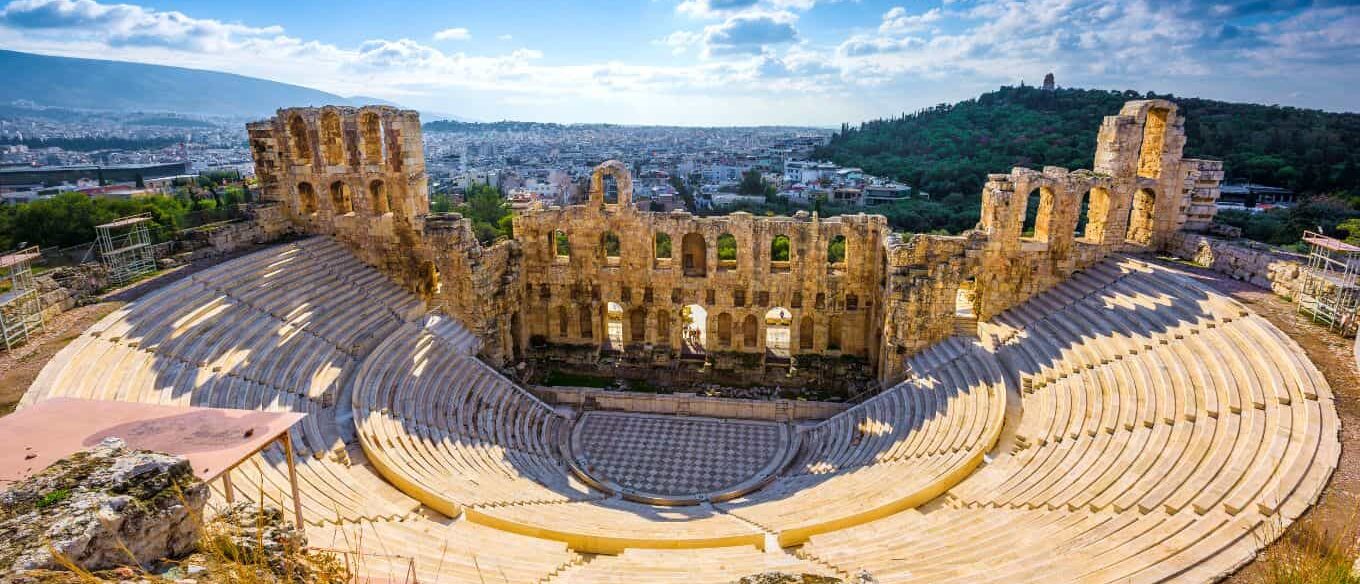
The tragedies of ancient Greece are not merely literary masterpieces; they are profound explorations of the human psyche that anticipated many of the key insights of modern depth psychology. In particular, the works of Aeschylus, Sophocles, and Euripides resonate powerfully with the ideas of Carl Jung. From the collective unconscious to the process of individuation, the themes of Greek tragedy illuminate the depths of the psyche and the universal patterns of human experience.
Jung himself recognized the psychological significance of these ancient plays. He saw in them a vivid expression of the archetypal realities he sought to map. For Jung, the myths and symbols of Greek tragedy were revelations of the objective psyche—the shared, transpersonal dimensions of the human soul.
The Three Tragedians: Architects of the Unconscious
To understand the psychological power of these plays, we must look at the distinct “psychological flavor” of each playwright.
| Playwright | Psychological Focus | Key Archetypal Theme |
| Aeschylus | The collision of divine forces and human law. He deals with the “ancestral curse” (Intergenerational Trauma). | The evolution of Justice (from blood vengeance to civil law). |
| Sophocles | The individual’s struggle against Fate and the Self. He focuses on the isolation of the hero. | The tragedy of Self-Knowledge (Oedipus). |
| Euripides | The irrational, chaotic, and emotional depths. He explores the “Shadow” and the madness of repression. | The return of the repressed (The Bacchae/Medea). |
Aeschylus and the Transformation of Trauma
In the Oresteia trilogy, Aeschylus dramatizes the cycle of violence. The House of Atreus is cursed because each generation repeats the sins of the father. Psychologically, this is a perfect depiction of Intergenerational Trauma and the Compulsion to Repeat.
The Furies, terrifying goddesses who pursue Orestes, represent the Shadow aspects of guilt and rage. The resolution comes not through violence, but through Integration. Athena transforms the Furies into the “Eumenides” (Kindly Ones), symbolizing how the destructive energy of trauma can be transformed into wisdom when it is honored and given a place within the psyche (the city).
Sophocles and the Tragedy of Self-Knowledge
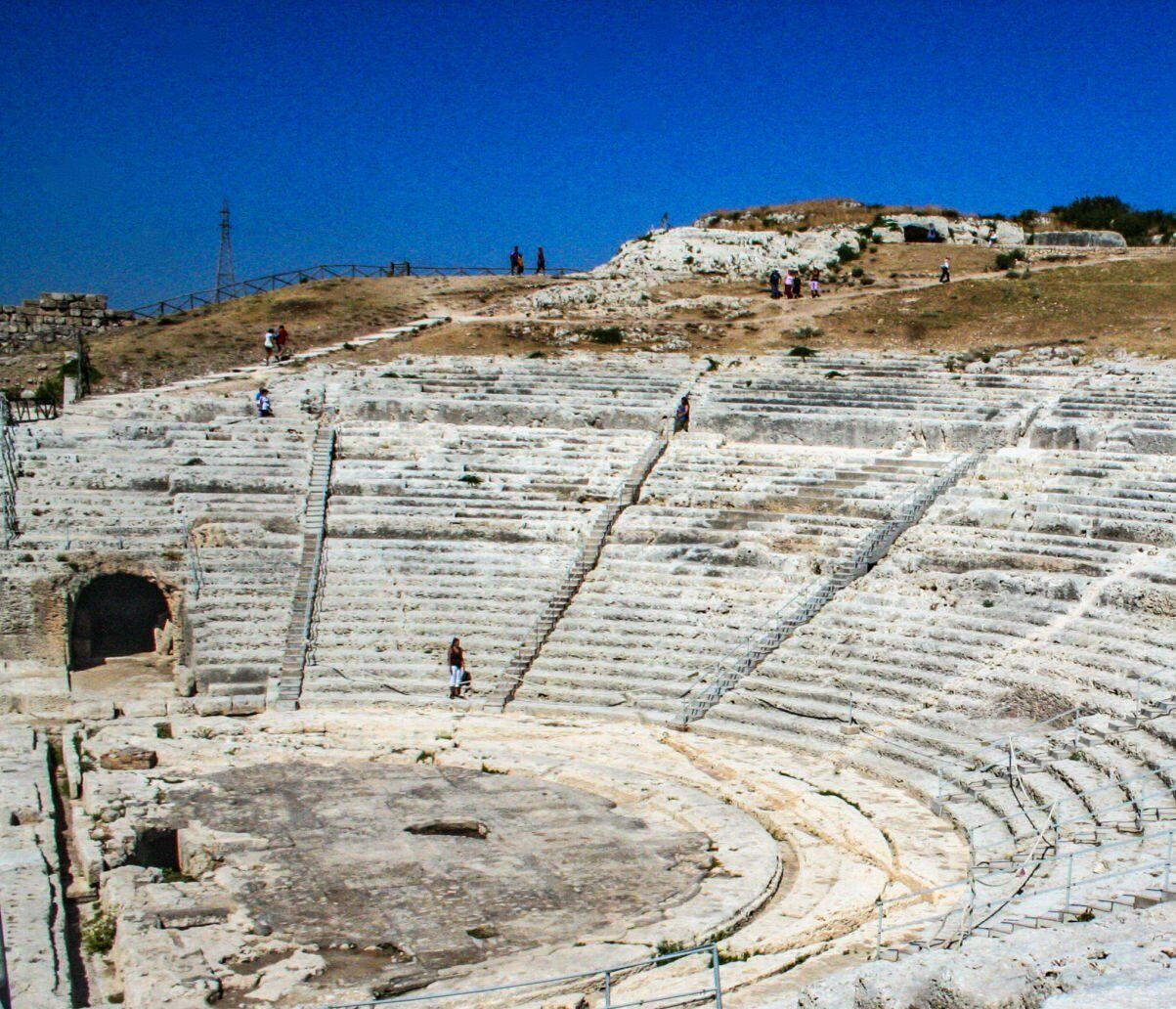
Sophocles’ Oedipus Rex is the quintessential drama of the Ego confronting the Self. Oedipus is the detective solving a crime, only to discover that he is the criminal. This is the terrifying realization of the Shadow: “I am the problem I have been trying to solve.”
However, the story does not end there. In Oedipus at Colonus, the blind, exiled king becomes a holy figure. By accepting his guilt and his fate, he achieves Individuation. He integrates the Shadow and becomes whole, demonstrating that the “fall” of the Ego is often the beginning of spiritual life.
Euripides: The Danger of Repression
Euripides was the psychologist of the irrational. In The Bacchae, King Pentheus tries to ban the worship of Dionysus (the god of wine, ecstasy, and instinct). He represents the rigid, hyper-rational Ego. Dionysus warns him, but Pentheus refuses to listen.
The result is catastrophe. The repressed instinct returns as madness, and Pentheus is torn apart by his own mother. This is a stark warning about the dangers of repressing the Dionysian energy of the body and the unconscious. As Jung said, “The gods have become diseases; Zeus no longer rules Olympus but rather the solar plexus.”
The Anima and Animus in Tragedy
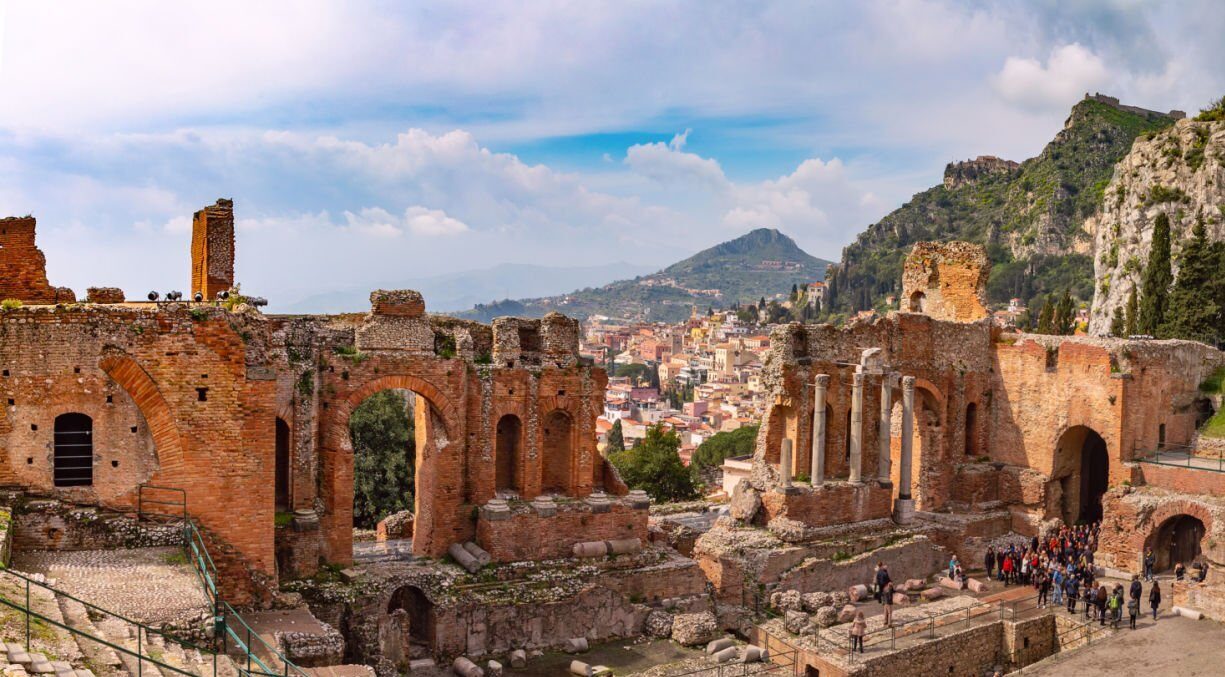
The conflict between the masculine (Logos) and feminine (Eros) principles drives much of Greek tragedy. In Medea, we see the destructive power of the “Negative Anima” when betrayed. Medea is not just a woman scorned; she is an elemental force of nature that Jason tries to exploit and discard. Her vengeance destroys his future (his children), symbolizing how the betrayed feeling function can destroy the rational plans of the Ego.
Conversely, Antigone represents the positive Anima—the moral feeling that stands up against the tyrannical laws of the state (Creon). She honors the “unwritten laws” of the heart, reminding us that there is a higher authority than the Ego.
Why We Still Need Tragedy
Greek tragedy functions as a collective therapy session. It allows us to witness the worst aspects of human nature—incest, murder, madness—within the safe container of art (the Temenos). By watching the hero fall, we experience Catharsis (purification). We realize that we are not alone in our suffering and that even our darkest impulses are part of the universal human story.
Explore the Archetypes of Classical Literature
Taproot Therapy Collective Podcast
The Theban Cycle (Sophocles)
- Oedipus Rex: The tragedy of the inflated Ego and the collision with Fate.
- Oedipus at Colonus: The redemption of the outcast and the integration of the Shadow.
- Antigone: The clash between the laws of man and the laws of the Soul.
The Trojan War & Its Aftermath
- The Oresteia: Breaking the curse of intergenerational trauma.
- Ajax: The fragility of the masculine warrior ethos.
- The Philoctetes: The archetype of the Wounded Healer.
- Helen: Illusion, projection, and the scapegoat mechanism.
The Irrational & The Divine
- The Bacchae: The psychology of ecstasy and the danger of repression.
- Medea: The rage of the rejected Anima.
- Hippolytus: The fatal conflict between instinct (Aphrodite) and purity (Artemis).
- Prometheus Bound: The archetype of the rebel and the cost of consciousness.
Bibliography
- Neumann, E. (1954). The Origins and History of Consciousness. Princeton University Press.
- Edinger, E. F. (1985). The Psyche on Stage: Individuation Motifs in Shakespeare and Sophocles. Inner City Books.
- Hillman, J. (1990). Oedipus Variations. Spring Publications.
- Paris, G. (1990). Pagan Meditations: The Worlds of Aphrodite, Artemis, and Hestia. Spring Publications.
- Jung, C. G. (1966). The Spirit in Man, Art, and Literature. Princeton University Press.





0 Comments