
Depression is a symptom with several different causes, and treating it well means finding yours. Unprocessed trauma. A nervous system in shutdown. A life that no longer fits. A brain pattern that two or three medications never reached. At Taproot Therapy Collective in Hoover, minutes from Birmingham, seven clinicians treat depression at the level it's actually coming from, with somatic therapy, Brainspotting, Jungian and existential depth work, and QEEG-guided neurofeedback for depression that hasn't responded to anything else. In person or by secure video anywhere in Alabama; Blue Cross Blue Shield of Alabama accepted for most clinicians.
What we mean by depression
The National Institute of Mental Health lists the symptoms: low mood most days, loss of interest, sleep and appetite changes, fatigue, guilt, trouble concentrating, thoughts of death. That describes what depression looks like from outside. From inside it usually looks like one of four things: a body that never came back online after something happened, a life that stopped making sense, a brain that's been running low for so long it feels like personality, or grief that never finished. The American Psychological Association recommends several therapies for depression; the one that works is the one aimed at the right cause.
Who is depression treatment for?
Depression that started after a loss, an illness, a betrayal or a trauma. Depression that has outlasted two or more medications. The flat, numb kind that doesn't feel like sadness. Postpartum depression. Depression with chronic pain or illness. Burnout in people who did everything right. Bipolar depression alongside psychiatric care. And the midlife kind, where nothing is wrong and nothing matters.
Why talk therapy and medication plateau
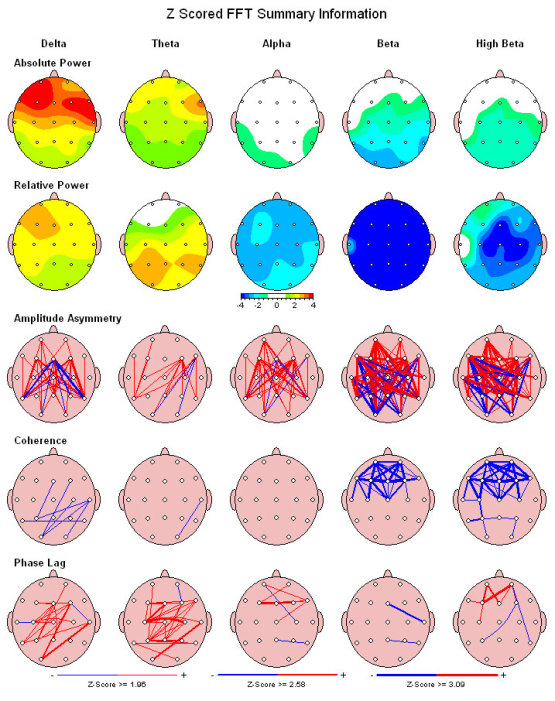
Cognitive therapy changes what you think about your life; it doesn't change a nervous system that decided, below thought, to shut down. Medication raises the floor; it doesn't process the trauma or answer the question underneath. That's why so many people come to us already having done both. Somatic therapy brings a shut-down body back online. Brainspotting and EMDR process the event the depression started after. Jungian and existential work take on the meaning problem. And when nothing has worked, a QEEG brain map shows what the brain is actually doing so neurofeedback can retrain it.
What happens in depression treatment at Taproot?
The intake sorts out which kind you have; a somatic map, and a brain map if medication has failed, make it concrete. Then the method matches the cause. Sessions are 50 to 80 minutes, in person or by video, and we review progress every few sessions. If you're on medication, we coordinate with your prescriber. If you're not and you're wondering, we'll tell you honestly whether we think it would help.
How long does it take?
Depression tied to a specific event often lifts in two to three months once the event is processed. Long-standing, treatment-resistant or shutdown depression is slower, and neurofeedback runs over a series of sessions with a re-map partway through.
How it works at Taproot
- 1Free 15-minute intake call
You're matched with the clinician whose specialty fits the kind of depression you describe.
- 2Find the driver
A somatic map, and a QEEG brain map if medication has failed, show whether this is trauma, shutdown, meaning or a brain pattern.
- 3Treat the driver
Brainspotting or EMDR, somatic work, depth therapy or neurofeedback, chosen by what we found rather than by default.
- 4Review
Progress checked every few sessions; a re-map partway through neurofeedback.
Four kinds of depression, four different starting points
| What it looks like | What's usually driving it | Where we start | Who |
|---|---|---|---|
| Started after a loss, illness, betrayal or trauma | Unprocessed trauma | Brainspotting or EMDR | Joel, Marie, Kristi, Alice |
| Flat, numb, going through the motions | Nervous system in shutdown | Somatic therapy | Kristi, Marie, Joel |
| Nothing is wrong and nothing matters | Loss of meaning; a life that no longer fits | Jungian and existential work | Joel, Alice |
| Two or more medications, no lasting relief | A brain pattern medication doesn't reach | QEEG brain map and neurofeedback | Dr. Mishalanie |
| Pregnancy or postpartum | Hormonal load on a stressed system, birth trauma | Perinatal-specialized somatic work | Dr. Haley Beech |
| Teen mood, school refusal | Development and family system | Child and adolescent therapy | Becky Milstead |
Is depression and mood disorder treatment right for me? A 30-second check
Depression therapists in Hoover and Birmingham

Depression that is about meaning, midlife and a life that no longer fits; Jungian and existential depth work with Brainspotting and EMDR.

Depression after trauma and traumatic grief, for clients who have already done years of therapy; Lifespan Integration and Brainspotting.

Depression rooted in attachment and early trauma; polyvagal therapy and Brainspotting.
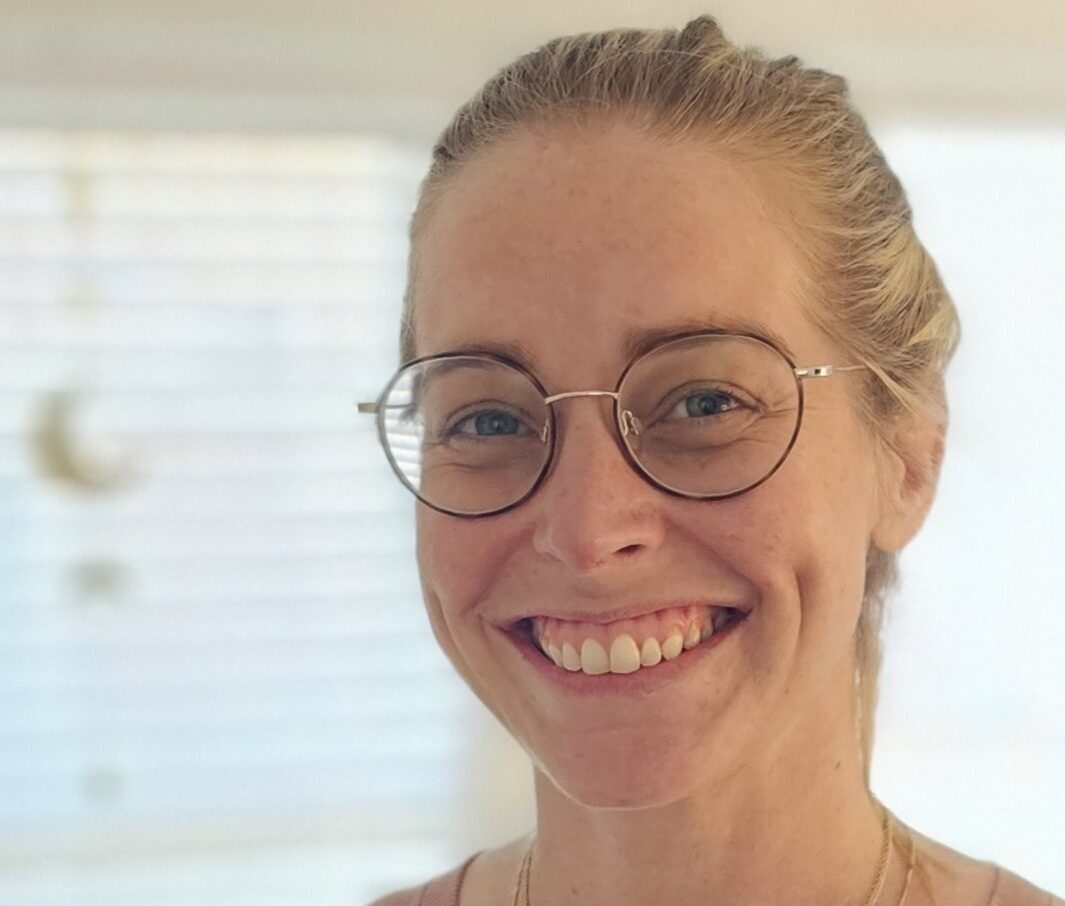
Depression with dissociation or spiritual crisis; shadow work, EMDR and Brainspotting.

Pregnancy and postpartum depression, birth trauma; Brainspotting and somatic processing.

Children and teens: mood disorders, school refusal and the family around them.
Treatment-resistant depression; QEEG brain mapping and neurofeedback at Peak Neuroscience, office only.
Cost, insurance and teletherapy
We accept Blue Cross Blue Shield of Alabama for most clinicians. Private-pay and out-of-network sessions are $250, with an income-based sliding scale, and we send a monthly superbill with the codes your insurer needs for out-of-network reimbursement. Secure video sessions are available anywhere in Alabama on the same sliding scale.
Frequently asked questions
Can depression be treated without medication?
Often, and when medication is already in place we work alongside your prescriber rather than against them. Depression rooted in trauma responds to trauma processing; depression that is really a nervous system in shutdown responds to somatic work; depression about a life that no longer fits responds to depth therapy. Medication treats the symptom of all three.
What if I've tried two or three antidepressants and nothing worked?
That is exactly when a QEEG brain map earns its keep. It shows whether your brain is running a pattern medication doesn't reach, and neurofeedback trains that pattern directly. Dr. Mishalanie reviews every map with your history before anything is recommended.
I don't feel sad, I feel nothing. Is that depression?
Numbness, flatness and going through the motions are the shutdown branch of the nervous system, and they're as common a form of depression as sadness. Somatic therapy treats that state directly, and it's usually where we start.
Do you treat depression in teenagers?
Yes. Becky Milstead works with children and teens, including mood disorders, school refusal and the family dynamics around them.
Start depression treatment in Hoover or online
Your first call is a free 15-minute conversation with our intake coordinator, who matches you with the right clinician. Our office is off I-65 at the Riverchase exit in Hoover, about ten minutes from Vestavia Hills, Homewood and Mountain Brook and fifteen from downtown Birmingham, with free parking at the door.
Book onlineCall (205) 598-6471