
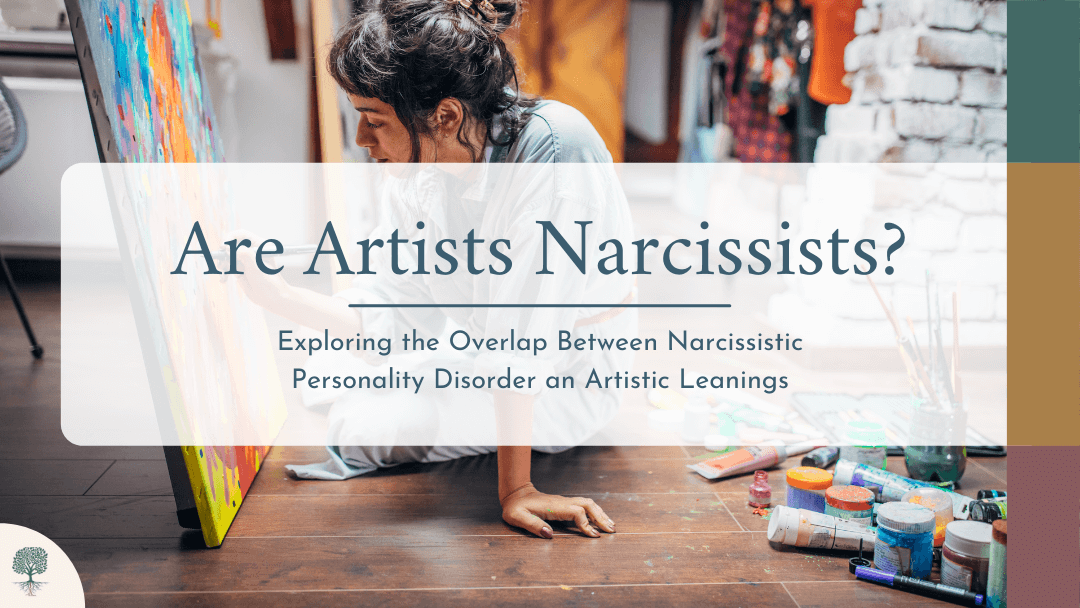
Are Artists Narcissists? The Fine Line Between Creation and Deception

I had a patient ask me once if all artists were narcissists. The question sent me for a loop because it hit on such a basic, uncomfortable truth about how these personality types communicate. Both crave an audience. Both are often obsessed with their own internal experience. Both can suck the oxygen out of a room. Yet, clinically, they are almost different species, operating on opposing ends of the spectrum of human vulnerability.
To understand the difference, we have to look past the behavior—the “look at me” quality that both share—and look at the motivation. Patients with Narcissistic Personality Disorder (NPD) are deeply ashamed of some part of themselves on an unconscious level. This shame is not just a feeling; it is a structural fault line in their psyche, usually stemming from trauma, abuse, or neglect in childhood. The shame is so deep, so terrifying, that all of their conscious and unconscious energies go into controlling others’ perception of them. They build a “False Self”—a golden statue—to hide the terrified child inside.
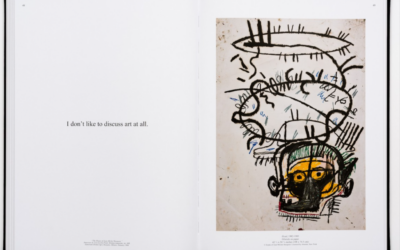
Artists, on the other hand, are often trying to smash the statue. The true artist is obsessed not with hiding the terrified child, but with revealing it. They use paint, words, or melody to expose the ugliness, the raw truth, and the messy reality of the human experience. While the narcissist hides behind a facade of perfection, the artist exposes themselves in a desperate bid to be understood.
The Architecture of the False Self
Narcissists do not care if the perceptions others have of them are accurate; they only care that those perceptions are grandiose. They divest enormous energy into controlling the “optical illusion” of their life. They care about how their home, family, and career appear, not how they feel. This is why the narcissist makes for such a poor artist in the long run. Art requires vulnerability—the admission of flaw, weakness, or humanity. The narcissist cannot create art; they can only create propaganda.
When a narcissist creates, they are creating a monument to themselves. When an artist creates, they are often creating a map of their own pain, hoping that someone else will see it and say, “Me too.” This distinction is vital because it explains why artists often struggle with The Inner Critic in a way that narcissists do not. The artist is constantly questioning the validity of their expression, while the narcissist is questioning the validity of the audience.
Narcissists are rarely funny. Humor requires self-deprecation and the ability to see the absurdity of one’s own ego. If you ask a narcissist to tell a joke, they will often give a crude observation about power at the expense of an enemy. Narcissists take themselves too seriously for true wit. They are bored by metaphor and threatened by irony because irony requires a gap between what is said and what is meant—a gap where the narcissist feels unsafe.
Karen Horney and the “Moving Away” Personality
To truly understand the artist’s psychology, we have to look at the work of psychoanalyst Karen Horney. In her 1950 seminal work Neurosis and Human Growth, she identified three ways children deal with the anxiety of being small in a big, scary world: Moving Toward people (compliance), Moving Against people (aggression), and Moving Away from people (withdrawal).
Artists often fall into the “Moving Away” category. As children, they likely felt misunderstood, neglected, or simply too sensitive for their environment. Instead of fighting for attention (Moving Against) or pleading for it (Moving Toward), they retreated into their own heads. They built a rich inner world where they could be safe. Creativity became a way to self-soothe. But paradoxically, it also became their primary tool for connection.
The artist learned to encode their personality into stories, paintings, or songs as a “message in a bottle.” They move away from the immediate social environment to create something that can bridge the gap between their soul and the world. The narcissist, by contrast, often falls into the “Moving Against” category—they view life as a zero-sum game where they must dominate the narrative to survive.

This leads to the critical difference in their social interactions. The narcissist says, “Look at me because I am perfect.” The artist says, “Look at this thing I made, because it explains who I am (and I am messy).” The artist uses the work as a shield, yes, but also as a window. The narcissist uses the work only as a mirror.
The Mirror vs. The Window
I work with many artists in therapy. Sensitive people are drawn to therapy because they view it as a tool for self-discovery. They want to know what is in their Shadow. They want to integrate their pain. They are willing to look at the parts of themselves that are jealous, petty, or broken because they know that those parts are the raw material for their work.
Narcissists, conversely, are terrified of self-discovery. If they looked inward, they would have to confront the shame they have spent a lifetime running from. Therefore, narcissists cannot change. They cannot grow because they cannot admit they need to. They surround themselves with people who reflect their own grandeur back to them. They like people who are “just like them” (or extensions of them).
The actualized artist finds parts of their soul in people who are *different* than they are. They use art as a window to see the “Other.” True empathy is interested in the stranger; narcissism is only interested in the self. When a narcissist engages in DARVO tactics (Deny, Attack, Reverse Victim and Offender), they are rewriting reality to protect their ego. When an artist engages in conflict, they are often mining the conflict for truth, even if that truth makes them look bad.
The Ancient Debate: Homer vs. Odysseus
This tension between Truth and Performance is ancient. It is the tension at the heart of storytelling itself. Consider *The Odyssey*. Homer inserts himself into the story as a blind poet. He creates value by telling the truth about the human condition—the suffering, the longing for home, the hubris.
His character, Odysseus, however, is a liar. He is the original trickster. He invents stories to survive, to manipulate, and to gain power. He tells people what they need to hear so he can get what he wants. Is Odysseus an artist, or is he a con man? Is he the hero, or is he a narcissist?
Cultural debate still rages over this. We ask, “How could people vote for that charlatan?” or “Why is that pop star so famous when they have no talent?” We are constantly trying to distinguish between the person who wants to be *seen* (Artist) and the person who wants to be *worshipped* (Narcissist). The line is often blurry because the mechanism—holding the attention of a crowd—is the same.
The difference lies in what happens when the applause stops. When the lights go down, the artist goes back to the work. They go back to the struggle of trying to say the unsayable. When the lights go down for the narcissist, they collapse. Without the external supply of admiration, they cease to exist.
The Solipsism of the Creative Mind
It is true that artists can be solipsistic. To create a world, you have to live inside your own head for long periods. You have to believe that your specific, subjective experience of the color blue or the feeling of heartbreak is important enough to share with the world. That requires a level of ego.
However, the artist’s solipsism is usually a means to an end. They dive into themselves to find the universal. They swim down to the bottom of their own psyche to retrieve the pearls that belong to everyone. The narcissist dives down and drowns. They get stuck in their own reflection.
This is why artists often struggle with depression and anxiety—they are acutely aware of the gap between their vision and their reality. They are aware of their own limitations. They suffer from The Creator Archetype’s burden: the need to bring something new into existence. The narcissist suffers from the burden of maintaining an illusion.
The Grey Area
The truth is, no one is purely one or the other. Every artist has a narcissistic need for validation; if they didn’t, they would never show their work to anyone. Every narcissist has a wounded child who just wants to be seen.
If you are in a creative field—or a helping profession like therapy—you likely have elements of both. We all want to be special. We all want to be the protagonist of the story. The question is: Are you using your work to reveal the truth, or to hide it? Are you trying to connect with others, or are you trying to control them?
The answer to whether artists are narcissists is “No, but…” They share the same wound, but they chose different medicines. The artist chose expression; the narcissist chose suppression. And in that choice lies the difference between a life of meaning and a life of performance.












0 Comments