
Complete Jungian Psychology Resource Library

How do I learn about Carl Jung and Jungian Psychology?
Delving into the depths of Jungian psychology can feel like exploring an endless labyrinth of interconnected ideas, spanning from the personal shadow to collective mythologies that shape our understanding of the human psyche. This comprehensive resource library serves as your Ariadne’s thread, guiding you through Carl Jung’s revolutionary concepts and their modern applications. Whether you’re a practicing therapist, a student of psychology, or someone seeking deeper self-understanding, this carefully curated collection of articles covers everything from foundational theories to practical applications in therapy, creativity, and personal growth. From Jung’s groundbreaking work with the OSS to contemporary interpretations of ancient mythologies, from shadow work exercises to the neuroscience of the unconscious mind, this library illuminates the multifaceted nature of analytical psychology and its enduring relevance in our modern world.
Jungian Innovators
Primary Figures
Carl Jung – Comprehensive introduction to the founder of analytical psychology and his core concepts.
James Hillman – Hillman’s revolutionary approach to archetypal psychology and his re-visioning of psychological concepts.
Erich Neumann – Neumann’s groundbreaking work on consciousness evolution and archetypal development.
Henry Corbin – Corbin’s exploration of the imaginal realm and its influence on depth psychology.
David Tacey – Tacey’s work on cultural psychology and sacred dimensions in contemporary life.
Robert Moore – Moore’s framework of archetypal masculinity and psychological development.
Sidra and Hal Stone – The Stones’ development of Voice Dialogue and psychology of selves.
John Beebe – Beebe’s innovative model of psychological types and archetypal complexes.
Marie-Louise von Franz – Von Franz’s work on fairy tales, alchemy, and number archetypes.
Jolande Jacobi – Jacobi’s systematic approach to understanding the unconscious.
Anthony Stevens – Stevens’ integration of evolutionary psychology with Jungian concepts.
Thomas Moore – Moore’s application of Jungian ideas to everyday spiritual life.
Sonu Shamdasani – Shamdasani’s historical research and work on The Red Book.
Arnold Mindell – Mindell’s development of process-oriented psychology.
James Hollis – Hollis’s work on the middle passage and meaning in modern life.
Sabina Spielrein – Spielrein’s theories on psychological transformation and the death drive.
Edward Edinger – Edinger’s work on individuation and ego-Self relations.
Notable Analysts
June Singer – Singer’s work on androgyny and psychological types.
Jean Shinoda Bolen – Bolen’s application of goddess archetypes to feminine psychology.
Robert A Johnson – Johnson’s accessible approach to inner work through mythology.
Emma Jung – Emma Jung’s independent contributions to analytical psychology.
Robert Bly – Bly’s poetic approach to masculine psychology.
Murray Stein – Stein’s integration of Jungian concepts with modern theory.
Barbara Hannah – Hannah’s contributions as analyst and Jung biographer.
John Ryan Haule – Haule’s work on mystical experience and transformation.
Clarissa Pinkola Estés – Estés’ work on feminine archetypal patterns through storytelling.
Gerhard Adler – Adler’s contributions to developing analytical psychology.
Nathan Schwartz-Salant – Schwartz-Salant’s work on narcissism and transformation.
Joseph Henderson – Henderson’s work on cultural patterns and initiation.
Adolf Guggenbühl-Craig – Guggenbühl-Craig’s perspectives on power in helping professions.
Ginette Paris – Paris’s work on archetypal psychology and cultural renewal.
Michael Fordham – Fordham’s integration of developmental psychology.
Esther Harding – Harding’s pioneering work on feminine psychology.
Marion Woodman – Woodman’s work on feminine psychology and embodied spirituality.
Steven T Richards – Richards’ integration of spiritual traditions.
Psychology of Mythology
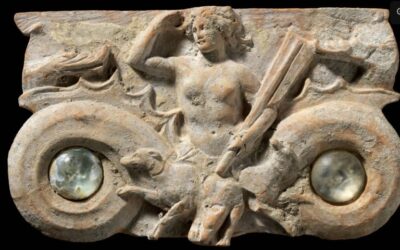
Tracing the Malta Burret Culture – Exploring ancient Mediterranean mythology and its psychological significance.
Literalism in Mythology – Examining approaches to understanding mythological figures.
How to Apply Myth to Therapy – Practical guidance for incorporating mythology in therapeutic work.
Norse Mythology – Psychological themes in Norse mythological traditions.
Egyptian Mythology – Egyptian mythological motifs and their psychological significance.
Greek Mythology – Analysis of Greek myths through a psychological lens.
Hindu Mythology – Understanding Hindu deities as aspects of the psyche.
Gilgamesh – Depth psychological interpretation of the ancient epic.
Pantheons in Therapy – Practical applications of mythological systems in therapy.
Bio of Joseph Campbell – Campbell’s contributions to mythological studies and psychology.
Ritual in Therapy – Examining the therapeutic use of ritual practices.
Indigenous Thought and Existentialism – Comparing indigenous and existential approaches to meaning.
Anthropological Perspectives on Trauma – Exploring collective trauma through an anthropological lens.
The Neuroscience of Trauma and Psychology – Integrating neuroscientific and psychological perspectives on trauma.
Jungian Topics
Archetypes in Relationships – How archetypal patterns manifest in relationships.
What is Emotion – Understanding emotion from a Jungian perspective.
The Trial of Carl Jung’s Legacy – Critical assessment of Jung’s impact and controversies.
Carl Jung’s Work with The CIA – Historical examination of Jung’s intelligence work.
How Psychotherapy Lost Its Way – Critical analysis of modern therapeutic practices.
Ritual and Animism – Understanding ritual and animistic perspectives.
Tensions in Modern Therapy – Examining contemporary challenges in psychotherapy.
Jung and the New Age – Clarifying distinctions between Jungian psychology and New Age thinking.
Science and Mysticism – Exploring the relationship between scientific and mystical approaches.
Therapy, Mysticism and Spirituality – Examining intersections of therapeutic and spiritual practices.
The Left and Right Hand Path in Myth – Understanding polarities in psychological development.
The Shadow – Comprehensive exploration of the shadow concept.
The Golden Shadow – Understanding positive aspects of the shadow.
The Symbolism of the Bollingen Stone – Analysis of Jung’s symbolic work.
What Can the Origins of Religion Teach us about Psychology – Exploring psychological aspects of religious development.
The Major Influences on Carl Jung – Examining key influences on Jung’s thought.
Animals in Dreams – Understanding animal symbolism in dreams.
The Unconscious as a Game – Novel approaches to understanding unconscious processes.
How to Understand Carl Jung – Comprehensive introduction to Jung’s method.
How to Use Jungian Psychology for Screenwriting – Applying Jungian concepts to narrative creation.
The Psychology of Color – Understanding color’s psychological significance.
The Symbolism of Color in Dreams – Interpreting color in dreams.
How the Shadow Shows up in Dreams – Understanding shadow manifestations in dreams.
How to read The Red Book – Guide to understanding Jung’s seminal work.
The Dreamtime – Exploring aboriginal concepts of dreamtime.
Using Jung to Combat Addiction – Jungian approaches to addiction recovery.
Healing the Modern Soul – Contemporary approaches to psychological healing.
Jungian Exercises from Greek Myth – Practical exercises derived from mythological themes.
Jungian Shadow Work Meditation – Guided practices for shadow integration.
The Shadow in Relationships – Understanding shadow dynamics in intimate relationships.
Free Shadow Work Group Exercise – Structured group activities for shadow exploration.
Post Post-Modernism and Post Secular Sacred – Examining contemporary philosophical perspectives on the sacred.
Mysticism and Epilepsy – Exploring connections between neurological conditions and mystical experiences.
The Origins and History of Consciousness – Analysis of Neumann’s seminal work on consciousness evolution.
Archetypes – Comprehensive guide to understanding and working with archetypes.
Jung’s Empirical Phenomenological Method – Detailed examination of Jung’s scientific approach to psychology.
The Future of Jungian Thought – Analysis of Jung’s continuing relevance and future directions.
Jungian Analysis – Comprehensive overview of analytical methods and practice.
Subcortical Brain – Exploring neuroscientific perspectives on Jungian concepts.
Labyrinths – Understanding the symbolic significance of labyrinths in psychological transformation.
The Hero’s Journey – Examining the hero’s journey pattern in psychological development.
Stages of Grief as Deflection – Critical examination of conventional grief stage theory.
J.B. Rhine and Eugene Osty – Historical examination of early parapsychological research.
Micro and Macro Blindspots – Understanding individual and collective psychological blind spots.
This comprehensive library represents every single article in the collection, providing a complete resource for understanding Jungian psychology from its foundational concepts to its contemporary applications. Each entry has been carefully cataloged to ensure accessibility and clear understanding of its content.










0 Comments