No Results Found
The page you requested could not be found. Try refining your search, or use the navigation above to locate the post.

Exploring the intersection of neuroscience and aesthetic experience—how specific wavelengths influence the autonomic nervous system, emotional regulation, and clinical outcomes.
Clinically Reviewed & Edited By:
Joel Blackstock, LICSW-S, MSW, PIP | Clinical Director, Taproot Therapy Collective
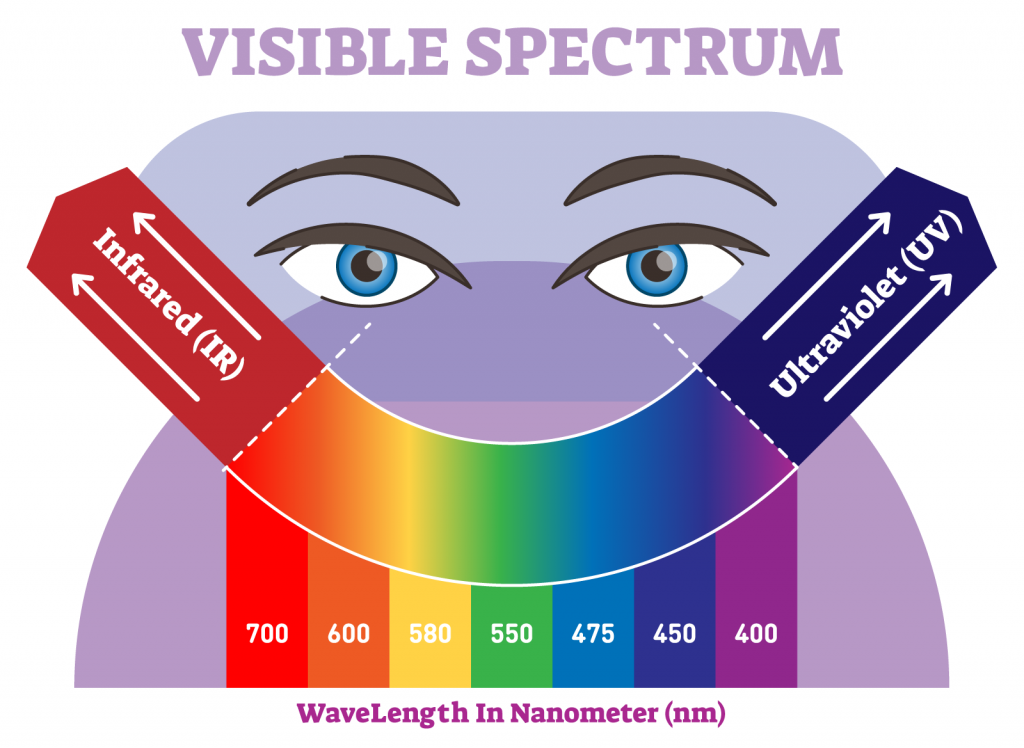
The biological impact of visible wavelengths.
Environmental psychology in healing spaces.
Symbolism in Alabama’s regional context.
We examine how color therapy integrates with evidence-based treatments detailed in our psychology and research section. Modern studies from institutions like Stanford Medicine highlight how light and color frequency directly influence the autonomic nervous system and cognitive flexibility.
Whether through art therapy materials or the environmental design of our Hoover clinic, we utilize color psychology to foster an atmosphere of safety, presence, and transformation.
Cooler tones, such as soft blues and greens, are most effective for anxiety reduction. These colors are associated with the parasympathetic nervous system, helping to lower heart rate and promote a sense of calm and safety.
Alabama’s rich natural palette—including the deep greens of our forests and the blue of the Cahaba—provides a grounding environmental influence. Conversely, the lack of light during seasonal changes can impact mood, making color-informed lifestyle choices essential for mental wellness in the South.
Taproot Therapy Collective in Hoover, AL, integrates color psychology and creative expression into our clinical work. Our therapists help the Greater Birmingham community use these tools for deep self-discovery and trauma recovery.
Our clinical library is read worldwide, but our clinic is firmly rooted in the Alabama community. If you are seeking an expert therapist in Birmingham, AL who understands the nuances of psychological healing, we are ready to support your journey.
📍 Taproot Therapy Collective: 2025 Shady Crest Dr, Suite 203, Hoover, AL 35216
The page you requested could not be found. Try refining your search, or use the navigation above to locate the post.