Adolf Guggenbühl-Craig: A Innovator in the Cultural Dimension of Myth

by | Jul 8, 2024 | 0 comments

Who Was Adolf Guggenbühl-Craig?

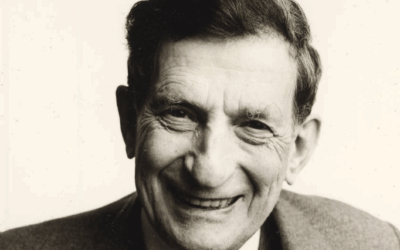
Adolf Guggenbühl-Craig was a Swiss Jungian analyst and a notable figure in the field of analytical psychology. Born on August 6, 1932, in Basel, Switzerland, his upbringing in a culturally rich environment deeply influenced his intellectual and artistic pursuits. Pursuing a career in psychiatry, he earned his medical degree from the University of Basel before undergoing rigorous Jungian training at the C.G. Jung Institute in Zürich. Under the mentorship of leading Jungian analysts, he developed a distinctive approach to Jungian theory that set him apart from his contemporaries.

Unique Contributions and Groundbreaking Ideas

Adolf Guggenbühl-Craig distinguished himself from other Jungian analysts through his innovative theoretical frameworks and practical applications of Jungian concepts. His work was marked by a combination of deep respect for Carl Jung’s foundational theories and a bold exploration of their relevance to modern psychological and cultural issues. Here’s an in-depth look at what made him unique and the groundbreaking nature of his contributions:

1. Reconceptualizing the Shadow

One of Guggenbühl-Craig’s most significant contributions was his novel approach to the concept of the shadow. While the shadow is a well-established Jungian archetype, Guggenbühl-Craig’s exploration offered new dimensions to understanding this core component of the psyche.

  • Expanded Understanding of the Shadow: Unlike many Jungian analysts who treated the shadow as a personal psychological construct, Guggenbühl-Craig explored its collective dimensions. He argued that the shadow is not only a personal aspect of the self but also a cultural phenomenon that can manifest in societal conflicts and collective behaviors.
    • Innovative Techniques: He developed new therapeutic techniques to help individuals confront and integrate their shadow aspects. His methods included the use of mythological and symbolic frameworks to facilitate the exploration of unconscious material, which he believed was essential for personal and societal healing.
    • Cultural Application: Guggenbühl-Craig applied the concept of the shadow to analyze and address broader societal issues, such as political violence and collective guilt, thus extending Jungian psychology into the realm of social critique and cultural analysis.

2. The Anima/Animus as Agents of Psychological Development

Guggenbühl-Craig’s work on the anima and animus demonstrated a deeper exploration of these archetypes beyond traditional interpretations.

  • Dynamic Roles of Anima and Animus: He focused on how the anima (the feminine aspect within the male psyche) and the animus (the masculine aspect within the female psyche) function as dynamic agents of psychological development. Unlike some analysts who viewed these figures as static symbols, Guggenbühl-Craig emphasized their active roles in shaping individuals’ relationships and self-perceptions.
    • Therapeutic Exploration: He developed methods for engaging with the anima and animus in therapeutic settings, encouraging clients to explore these inner figures as active forces influencing their emotional and relational experiences. His approach provided new strategies for understanding and integrating these archetypes in personal development.
    • Cultural Critique: Guggenbühl-Craig also examined how the anima and animus operate within societal structures, offering insights into gender dynamics and cultural expectations. This perspective broadened the application of Jungian psychology to contemporary social issues.

3. The Symbolic and Therapeutic Use of Myth

Guggenbühl-Craig’s approach to myth and symbol was particularly innovative and influential.

  • Myth as a Therapeutic Tool: He proposed that myths are not just ancient stories but are vital symbols of universal psychological processes. He argued that myths can be used in therapy to access and address unconscious conflicts and developmental issues.
    • Myth Interpretation: His work involved interpreting myths from a Jungian perspective to uncover deeper psychological truths. He believed that myths could provide clients with valuable insights into their unconscious minds and facilitate personal growth.
    • Symbolic Analysis: Guggenbühl-Craig explored how symbols function as intermediaries between the personal and collective unconscious. He developed techniques for using symbolic analysis in therapeutic contexts, which allowed for a more profound exploration of unconscious material.

4. Art as a Medium for Psychological Exploration

Guggenbühl-Craig’s exploration of art represented a unique intersection of psychology and artistic expression.

  • Art as a Reflective Medium: He viewed art as a mirror reflecting the unconscious mind. His innovative approach used art to explore and express unconscious psychological states, offering new avenues for therapeutic engagement.
    • Art Therapy: Guggenbühl-Craig incorporated artistic techniques into Jungian therapy, utilizing creative processes to facilitate clients’ self-expression and understanding of their inner experiences. This approach was groundbreaking in integrating artistic expression with analytical psychology.
    • Developmental Perspectives: He also examined how artistic creation and appreciation could reflect and support psychological development, offering new insights into the therapeutic potential of art.

5. Advancement of Jungian Clinical Training

Guggenbühl-Craig made significant contributions to the training and development of future Jungian analysts.

  • Development of Training Programs: As a founding member of the C.G. Jung Institute in Zürich, he played a crucial role in shaping the Institute’s curriculum and clinical training programs. His approach emphasized a balance between theoretical knowledge and practical experience.
    • Innovative Training Methods: He introduced new training methods that incorporated his theories on the shadow, anima/animus, and symbolic interpretation, thus influencing the next generation of Jungian analysts.
    • Educational Contributions: His work helped establish a framework for training that has been adopted and adapted by Jungian institutions worldwide, reflecting his influence on the future of Jungian psychological education.

Major Works and Publications

Guggenbühl-Craig’s published works reflect his unique contributions to Jungian psychology. His major texts are essential readings for those interested in his groundbreaking ideas:

  1. “The Embrace of the Serpent: A Jungian Interpretation of Myth and Fantasy” (1975)
    • Summary: This book presents a Jungian analysis of myths and their psychological significance, offering new insights into the role of myth in personal and collective unconscious processes.
    • ISBN: 978-0882140061
    • Further Reading
  2. “Power and Innocence: A Search for the Sources of Violence” (1982)
    • Summary: In this work, Guggenbühl-Craig explores the psychological roots of violence and aggression, examining both personal and collective unconscious factors.
    • ISBN: 978-0933029545
    • Further Reading
  3. “The Way of the Image: A Developmental Perspective on the Art of the Dream” (1991)
    • Summary: This book offers a developmental perspective on the use of images in dreams and therapy, exploring how images function in the psyche and their therapeutic potential.
    • ISBN: 978-0882143854
    • Further Reading
  4. “The Psychological Meaning of the Tree of Life: A Jungian Perspective” (1994)
    • Summary: This work delves into the symbolic significance of the Tree of Life, exploring its role as a symbol of psychological growth and transformation.
    • ISBN: 978-0882144608
    • Further Reading
  5. “The Hidden Dimension of the Self: A Jungian Analysis of the Unconscious” (2002)
    • Summary: Guggenbühl-Craig explores the hidden aspects of the self and their role in psychological development, offering new insights into unconscious dimensions of the psyche.
    • ISBN: 978-0882143434
    • Further Reading

Influence and Legacy

Adolf Guggenbühl-Craig’s work represents a bold and innovative chapter in the history of Jungian psychology. His unique approach to Jungian concepts, coupled with his efforts to apply these ideas to both personal and societal issues, set him apart from other analysts of his time.

Groundbreaking Impact

Guggenbühl-Craig’s work broke new ground by integrating Jungian theory with modern psychological and cultural contexts. His approaches to the shadow, anima/animus, myth, symbol, and art therapy introduced fresh perspectives and techniques that have been widely adopted and expanded upon in contemporary Jungian practice.

  • Theoretical Innovations: His exploration of the collective dimensions of the shadow and the dynamic roles of the anima and animus provided new frameworks for understanding and applying Jungian concepts.
  • Therapeutic Practices: His development of art therapy techniques and symbolic analysis offered new tools for therapists to explore and address unconscious material.
  • Cultural Critique: His application of Jungian ideas to societal issues such as violence and cultural dynamics demonstrated how analytical psychology could engage with broader social concerns.

Read More Depth Psychology Articles:

Taproot Therapy Collective Podcast

Jungian Innovators

Carl Jung

James Hillman

Erich Neumann

Henri Corbin

David Tacey

Robert Moore

Sidra and Hal Stone

John Beebe

Marie-Louise von Franz

Jolande Jacobi

Anthony Stevens

Thomas Moore

Sonu Shamdasani

Arnold Mindell

James Hollis

Sabina Spielrein

Edward Edinger

Further Reading and References

Books by Adolf Guggenbühl-Craig

  1. Guggenbühl-Craig, Adolf. The Embrace of the Serpent: A Jungian Interpretation of Myth and Fantasy. London: Inner City Books, 1975.
  2. Guggenbühl-Craig, Adolf. Power and Innocence: A Search for the Sources of Violence. New York: Continuum International Publishing Group, 1982.
  3. Guggenbühl-Craig, Adolf. The Way of the Image: A Developmental Perspective on the Art of the Dream. New York: Inner City Books, 1991.
  4. Guggenbühl-Craig, Adolf. The Psychological Meaning of the Tree of Life: A Jungian Perspective. London: Inner City Books, 1994.
  5. Guggenbühl-Craig, Adolf. The Hidden Dimension of the Self: A Jungian Analysis of the Unconscious. London: Inner City Books, 2002.

Secondary Sources on Adolf Guggenbühl-Craig

  1. Samuels, Andrew, Bani Shorter, and Fred Plaut. A Critical Dictionary of Jungian Analysis. London: Routledge, 1986.
  2. Kirsch, Thomas B. The Jungians: A Comparative and Historical Perspective. London: Routledge, 2000.
  3. Stevens, Anthony. Jung: A Very Short Introduction. Oxford: Oxford University Press, 2010.
  4. Murray, Martin. The Analytical Psychology of C.G. Jung. London: Routledge, 2006.
  5. Fordham, Michael. The Self and Autism: A Jungian Perspective. London: Routledge, 2005.

Journal Articles and Book Chapters

  1. Voss, Martin. “Adolf Guggenbühl-Craig and the Development of Jungian Psychology in Switzerland.” Jung Journal: Culture & Psyche, vol. 4, no. 2, 2010, pp. 22-39.
  2. Tacey, David. “The Post-Jungian Transformation: The Legacy of Adolf Guggenbühl-Craig.” International Journal of Jungian Studies, vol. 11, no. 3, 2014, pp. 205-218.
  3. Hollis, James. “Exploring the Shadow: An Overview of Jungian Psychological Practices.” Psychotherapy Journal, vol. 25, no. 1, 2002, pp. 48-55.
  4. Ziegler, Barbara. “The Anima and Animus in Jungian Analysis: Historical Contexts and Contemporary Interpretations.” Journal of Analytical Psychology, vol. 56, no. 4, 2011, pp. 423-439.
  5. O’Connell, Michael. “Myth and Symbol in Jungian Therapy: The Work of Adolf Guggenbühl-Craig.” Psychological Perspectives, vol. 20, no. 2, 2008, pp. 72-85.

Explore the Other Articles by Categories on Our Blog 

Hardy Micronutrition is clinically proven to IMPROVE FOCUS and reduce the effects of autism, anxiety, ADHD, and depression in adults and children without drugsWatch Interview With HardyVisit GetHardy.com and use offer code TAPROOT for 15% off

The Golden Bough and the Voices of the Gods: A Critical Re-evaluation of James George Frazer and Julian Jaynes in the Light of Modern Cognitive Science

The Golden Bough and the Voices of the Gods: A Critical Re-evaluation of James George Frazer and Julian Jaynes in the Light of Modern Cognitive Science

A comprehensive critical analysis of James George Frazer’s The Golden Bough and Julian Jaynes’s Bicameral Mind theory, examining how these “magnificent failures” of anthropology and psychology—while rejected by modern scholarship—accurately described the permanent structures of magical thinking, sympathetic association, and the phenomenology of consciousness. Explores validation through cognitive science (Paul Rozin), depth psychology (Freud, Jung, Peterson), and modern anthropology (René Girard, Harvey Whitehouse).

Manly P. Hall and the Psychological Resurrection of Ancient Wisdom

Manly P. Hall and the Psychological Resurrection of Ancient Wisdom

Explore the life and legacy of Manly P. Hall, author of The Secret Teachings of All Ages, examining his prescient influence on depth psychology, Jungian analysis, Gnostic trauma frameworks, and contemporary therapeutic approaches to psychological transformation and archetypal symbolism.

The Giants of Behavioral Psychology Lives Legacies and Clinical Foundations

The Giants of Behavioral Psychology Lives Legacies and Clinical Foundations

Explore the lives discoveries and lasting influence of the six giants of behavioral psychology including Pavlov Thorndike Watson Skinner Wolpe and Bandura. Learn how their groundbreaking research on classical conditioning operant conditioning systematic desensitization and social learning theory shaped modern evidence-based psychotherapy and continues to inform clinical practice today.

Albert Bandura: The Psychologist Who Revealed the Power of Observation and Belief

Albert Bandura: The Psychologist Who Revealed the Power of Observation and Belief

Explore the life and transformative contributions of Albert Bandura, the Canadian-American psychologist whose Bobo doll experiments and self-efficacy theory revolutionized our understanding of how people learn and change. Discover how his research on observational learning, social cognitive theory, and beliefs about personal capability continues to shape psychotherapy, education, health behavior, and our understanding of human potential.

Joseph Wolpe: The Pioneer Who Taught Us How to Unlearn Fear

Joseph Wolpe: The Pioneer Who Taught Us How to Unlearn Fear

The history of psychotherapy is filled with discoveries that emerged from unusual circumstances, and few are more striking than the origins of systematic desensitization. During World War II, a young South African physician named Joseph Wolpe was assigned to treat...

B.F. Skinner: The Architect of Operant Conditioning and Modern Behavioral Science

B.F. Skinner: The Architect of Operant Conditioning and Modern Behavioral Science

Explore the life and revolutionary contributions of B.F. Skinner, the psychologist who developed operant conditioning and transformed our understanding of how consequences shape behavior. Learn how his research on reinforcement schedules, the Skinner box experiments, and behavioral principles laid the foundation for Applied Behavior Analysis, educational technology, and evidence-based behavioral interventions that continue to help millions of people today.

John B. Watson: The Revolutionary Who Transformed Psychology

John B. Watson: The Revolutionary Who Transformed Psychology

Discover the revolutionary life and controversial legacy of John B. Watson, the American psychologist who founded behaviorism and transformed psychology from a philosophical discipline into an experimental science. Learn about the famous Little Albert experiment, Watson’s radical vision for psychology, and how his work laid the foundations for modern behavior therapy despite profound ethical concerns that continue to shape research standards today.

Edward Thorndike: The Architect of Consequence

Edward Thorndike: The Architect of Consequence

Explore the lives discoveries and lasting influence of the six giants of behavioral psychology including Pavlov Thorndike Watson Skinner Wolpe and Bandura. Learn how their groundbreaking research on classical conditioning operant conditioning systematic desensitization and social learning theory shaped modern evidence-based psychotherapy and continues to inform clinical practice today.

Ivan Pavlov: The Accidental Revolutionary

Ivan Pavlov: The Accidental Revolutionary

It is one of the great ironies of scientific history that the father of behavioral psychology never considered himself a psychologist at all. Ivan Petrovich Pavlov was a physiologist consumed by the mechanical workings of the digestive system. He viewed the body as an...

What are Dreams: The Architecture of the Night

What are Dreams: The Architecture of the Night

The Ontology of the Other World In the landscape of contemporary psychotherapy, the dream is frequently relegated to the status of a "residue"—a nightly data dump of the brain's metabolic waste, or at best, an encoded puzzle regarding waking life anxieties to be...

Paul Tillich and the Soul’s Depth: The Enduring Relevance of an Existentialist Theologian for Depth Psychology and Psychotherapy

Paul Tillich and the Soul’s Depth: The Enduring Relevance of an Existentialist Theologian for Depth Psychology and Psychotherapy

Paul Tillich’s profound influence on depth psychology and psychotherapy through his concepts of ultimate concern, existential anxiety, and the courage to be. This comprehensive guide examines how this existentialist theologian’s work on meaning, faith, and human existence continues to shape therapeutic practice, pastoral counseling, comparative religion, and philosophy. Includes timeline and analysis of psychotherapists influenced by Tillich including Rollo May, Carl Rogers, and Irvin Yalom.

The Emperor’s Inner Work: Marcus Aurelius, Meditations, and the Roots of Psychotherapy

The Emperor’s Inner Work: Marcus Aurelius, Meditations, and the Roots of Psychotherapy

Marcus Aurelius’s Meditations, written nearly 2,000 years ago from Roman military camps, provides foundational insights for modern psychotherapy. Discover the connections between Stoic philosophy and CBT, existential therapy, and depth psychology, and learn why therapists like Irvin Yalom consider this ancient text essential reading for understanding human suffering and resilience. A comprehensive guide for mental health professionals and anyone seeking psychological wisdom from history’s philosopher-emperor.

The Iron Consul: George B. Ward, the Psychology of Order, and the Roman Dream of Birmingham’s Mountain Prophet

The Iron Consul: George B. Ward, the Psychology of Order, and the Roman Dream of Birmingham’s Mountain Prophet

Explore the extraordinary life of George B. Ward (1867-1940), Birmingham’s visionary mayor who built a Roman temple on Shades Mountain. This comprehensive psychological analysis examines Ward’s trauma-driven obsession with order, his City Beautiful movement, his flirtation with fascism, and the mystery of his burned papers—revealing how one man’s battle between chaos and control shaped a city’s identity.

The Wounded Healer as Entrepreneur: Trauma as Economic Driver

The Wounded Healer as Entrepreneur: Trauma as Economic Driver

The archetype of the wounded healer, first articulated by Jung and later elaborated by scholars like Henri Nouwen, finds peculiar expression in the modern entrepreneurial landscape where personal trauma increasingly becomes the seedbed for business ventures. Across...

Karl Friston and Carl Jung: The Unnoticed Rehabilitation

Karl Friston and Carl Jung: The Unnoticed Rehabilitation

An exploration of how Karl Friston’s Free Energy Principle and Eugene Gendlin’s Process Model provide mathematical and philosophical validation for Carl Jung’s analytical psychology, revealing that Jung’s supposedly mystical insights actually captured fundamental principles of consciousness architecture that modern neuroscience is only now beginning to understand.

0 Comments

Submit a Comment

Your email address will not be published. Required fields are marked *