Anxiety Disorders and ADHD:

by | Oct 19, 2024 | 0 comments

The Neurobiology of Anxiety-ADHD: Breaking the Cycle of Executive Dysfunction and Panic

At Taproot Therapy Collective, we reject the superficial "talk therapy" models that reduce profound neurological injuries to mere character flaws. Discover the electrical, subcortical, and metabolic reality of living with comorbid Severe Anxiety and ADHD.

For decades, the psychiatric establishment operated under a deeply flawed, compartmentalized model of mental health. Patients were placed into rigid silos: you either had an anxiety disorder, driven by worry and trauma, or you had a neurodevelopmental disorder like Attention Deficit Hyperactivity Disorder (ADHD), driven by a lack of focus. We now know that the human nervous system does not abide by these artificial boundaries.

In 2026, robust clinical neuroscience confirms that up to 50% of adults diagnosed with ADHD also suffer from a co-occurring severe anxiety disorder. When these two conditions intersect, they forge a highly volatile neurobiological profile: Anxiety-ADHD. This comorbidity traps the autonomic nervous system in a perpetual, exhausting war between the brain's demand for stimulation and its absolute terror of it.

The Biological Paradox: Prefrontal Cortex vs. Amygdala

To understand why standard therapy and generalized advice fail this demographic so completely, we must look at the structural architecture of the brain.

The ADHD Deficit (Cortical)

ADHD is a disorder of the prefrontal cortex—the executive center of the brain. It is characterized by an under-activation of neural pathways and a rapid depletion of dopamine. Because the brain is starved for neurotransmitters, it constantly hunts for high-intensity stimulation, novelty, and risk just to reach a functional baseline. It drives impulsivity, distraction, and context-switching.

The Anxiety Override (Subcortical)

Severe anxiety lives in the amygdala and the limbic system—the primitive survival center. It is characterized by severe hyper-activation and hypervigilance. The brain interprets neutral stimuli as mortal threats, flooding the body with cortisol and adrenaline. It demands absolute safety, total control, and behavioral avoidance to survive.

Living with Anxiety-ADHD means your prefrontal cortex is desperately slamming on the gas pedal searching for dopamine, while your amygdala is simultaneously ripping the emergency brake out of the floorboard. The result is total systemic paralysis. You are exhausted but physically incapable of resting. You are terrified of failing, yet biologically incapable of initiating the task required to succeed.

E-E-A-T Clinical Efficacy Marker The complex interplay between dopaminergic executive dysfunction and limbic hyperarousal is widely documented in neurobiological literature. For peer-reviewed context regarding the compounding effects of these comorbid disorders, consult the National Center for Biotechnology Information (NCBI) on ADHD and Generalized Anxiety Disorder, and the American Psychiatric Association (APA) for the latest diagnostic neuro-markers.

The Pharmacological Trap

The medical-industrial complex routinely fails Anxiety-ADHD patients through
Explore the Other Articles by Categories on Our Blog 

Hardy Micronutrition is clinically proven to IMPROVE FOCUS and reduce the effects of autism, anxiety, ADHD, and depression in adults and children without drugsWatch Interview With HardyVisit GetHardy.com and use offer code TAPROOT for 15% off

Why Go to Family Counseling

Why Go to Family Counseling

The Fractured Mirror: Why Individual Trauma and Family Chaos are the Exact Same System Modern life has collapsed the traditional boundaries that once protected human psychological well-being. Today, both individuals and families operate under an unprecedented level of...

The Freud Legacy: Documentary Evidence of Cover-ups

The Freud Legacy: Documentary Evidence of Cover-ups

 Anna Freud's Impact on Freud's Biographical Scholarship The systematic efforts to control and sanitize the historical record surrounding Freud have had profound and lasting consequences for our understanding of psychoanalysis and its founder. The work of Frederick...

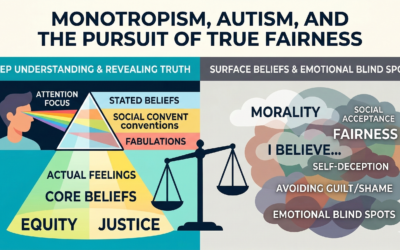
The Ethical Advantage: Why Autistic Minds Are Built for Justice

The Ethical Advantage: Why Autistic Minds Are Built for Justice

Here is a pattern I see constantly in clinical practice: an autistic client accurately identifies an injustice at work, in their family, or in society. They name it clearly. They expect others to recognize the obvious problem and act accordingly. Instead, they're...

What Hospital Hacks Mean for Hospital Liability and Patient Rights

What Hospital Hacks Mean for Hospital Liability and Patient Rights

Your Medical Records Disappeared. Now What? Imagine walking into your therapist's office or your doctor's clinic and hearing five words that stop you cold: "We can't find your records." Not misplaced in a filing cabinet somewhere. Not delayed by a slow system. Gone....

The Hidden Dynamics of Executive Leadership

The Hidden Dynamics of Executive Leadership

The Psychic Infrastructure of Power The modern boardroom is not merely a place of financial calculation; it is a ritual space where the unconscious forces of the collective psyche play out in high definition. While MBA programs teach strategy, they rarely address the...

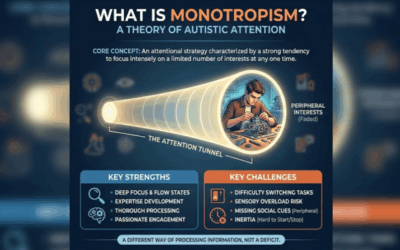
What is Monotropism? New Tools to Understand Autism

What is Monotropism? New Tools to Understand Autism

Written by the clinical team at Taproot Therapy Collective, a Birmingham psychotherapy practice specializing in neurodivergent-affirming care. Our clinicians work daily with autistic adults, ADHDers, and AuDHD clients navigating a world built for different brains. If...

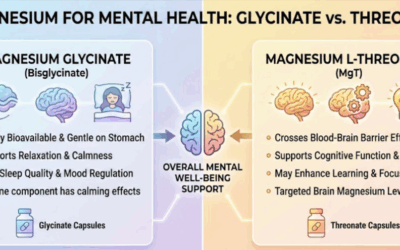
The Metabolic Mind: A 2025 Clinical Update on Nutritional Psychiatry

The Metabolic Mind: A 2025 Clinical Update on Nutritional Psychiatry

A 2025 clinical update on nutritional psychiatry for psychotherapists. Explore the latest research on psychobiotics, vitamin D, magnesium, zinc, omega-3s, amino acid therapies, and herbal interventions—including new safety warnings on ashwagandha and evidence that saffron matches SSRI efficacy for mild depression.

Love in the Uncanny Valley—The Psychology of AI Companionship

Love in the Uncanny Valley—The Psychology of AI Companionship

The New Relational Landscape Something unprecedented is happening in human relationships. Millions of people are now forming emotional bonds with artificial intelligence. Apps like Replika offer AI companions that remember your conversations, adapt to your...

0 Comments

Submit a Comment

Your email address will not be published. Required fields are marked *