
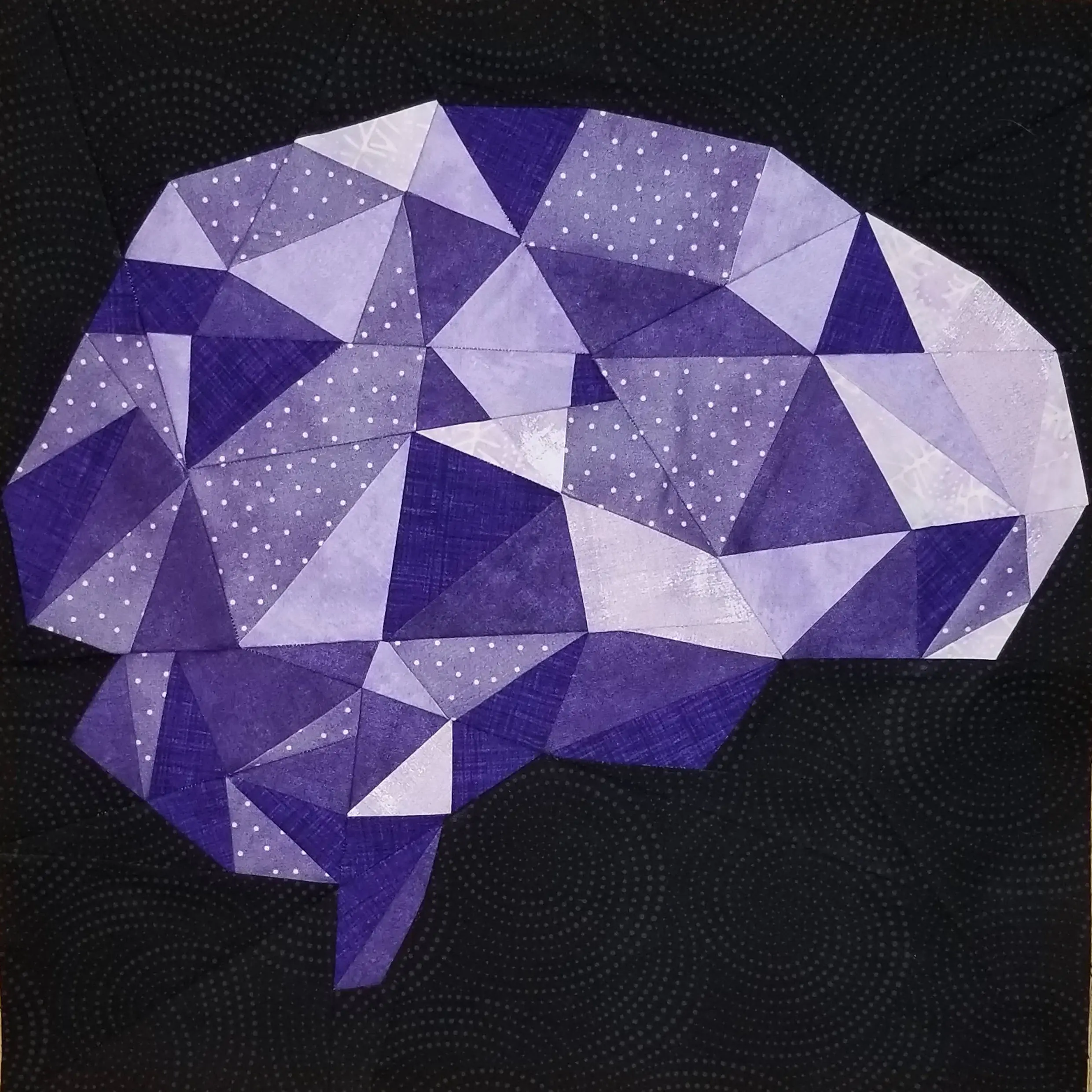
Navigating Emotional Intensity: The Neurobiology of BPD & Bipolar Comorbidity
At Taproot Therapy Collective in Hoover and Vestavia Hills, Alabama, we reject the antiquated, stigmatizing notion that severe emotional dysregulation is a behavioral choice, a lack of willpower, or a character flaw. We treat Borderline Personality Disorder (BPD) and Bipolar Disorder for what they are: verifiable neurobiological injuries to the brain and autonomic nervous system. Generic "talk therapy" and superficial cognitive-behavioral worksheets are historically insufficient for addressing the profound structural realities of these conditions.
Borderline Personality Disorder (BPD) and Bipolar Disorder are distinct diagnostic categories, yet they frequently co-occur. Clinical data suggests that up to 20% of individuals diagnosed with BPD also meet the strict criteria for a Bipolar Disorder diagnosis. When a patient presents with both, it creates a highly specific, volatile, and deeply painful psychological profile that we define clinically as BPD-Bipolar Comorbidity. Treating this intersection requires abandoning outdated paradigms in favor of advanced, bottom-up neuro-therapies.
The Diagnostic Evolution
Historically, the intense, rapid mood swings characteristic of BPD were routinely misdiagnosed as the manic, hypomanic, or depressive episodes of Bipolar Disorder. This diagnostic confusion led to decades of incomplete treatment protocols. Bipolar Disorder is heavily mediated by endogenous neurochemical shifts, whereas BPD involves rapid autonomic threat responses triggered primarily by interpersonal trauma and relational stress. Recognizing how these two distinct mechanisms interact is the first step toward legitimate healing.
The Neurological Complexity
Advanced neuroimaging studies demonstrate that both BPD and Bipolar Disorder involve profound structural alterations in the limbic system (the brain's emotional and survival center) and the prefrontal cortex (the center for impulse control, logic, and emotional regulation) [NCBI: Neurobiology of BPD]. In a BPD-Bipolar brain, the amygdala may become hyper-reactive to perceived abandonment (the BPD trauma response), while simultaneously being subjected to severe, unprovoked neurochemical shifts in dopamine and serotonin (the Bipolar metabolic response). This dual-dysregulation severely impairs the brain's ability to maintain autonomic homeostasis.
The Push-Pull of Overlapping Symptoms
Living with BPD-Bipolar means navigating a nervous system that is frequently caught in contradictory survival states. The clinical presentation is not just "moody"; it is a physiological crisis. These overlapping traits result in a unique push-pull dynamic:
- Triggered vs. Endogenous Cycling: BPD causes extremely rapid mood shifts (often minute-to-minute) directly in response to interpersonal triggers. Bipolar Disorder involves longer-lasting mood episodes (days, weeks, or months) that occur regardless of environmental triggers.
- Compounded Impulsivity: The impulsive survival responses inherent to BPD (such as substance use or reckless behavior) are dangerously amplified during the manic or hypomanic phases of Bipolar Disorder.
- Amplified Abandonment Trauma: The core BPD fear of abandonment and rejection becomes paralyzing during the profound neurochemical lows of a Bipolar depressive crash, drastically increasing the risk of severe self-harm and suicidality.
Rethinking Treatment: A "Bottom-Up" Protocol at Taproot
Managing BPD-Bipolar requires a comprehensive, integrative approach that stabilizes the neurochemical mood cycles while simultaneously healing the underlying attachment trauma and autonomic dysregulation. You cannot out-think a traumatized brainstem. At Taproot Therapy Collective, our clinicians utilize advanced modalities to target the root of the injury.
1. qEEG Brain Mapping & Neurostimulation
Before implementing psychological interventions, we must understand the brain's electrical landscape. Utilizing Quantitative Electroencephalogram (qEEG) Brain Mapping, our clinic visualizes the exact neural networks driving mood instability. Under the guidance of Dr. Jason Mishalanie, PhD, BCN, we deploy targeted neurofeedback and neurostimulation to physically train the brain out of hyperarousal, creating the neurological stability required for trauma processing.
2. Brainspotting & EMDR
Trauma is not stored in the language centers of the neocortex; it is locked in the subcortical brain. Modalities like Brainspotting and EMDR (Eye Movement Desensitization and Reprocessing) bypass the limitations of cognitive therapy. By utilizing visual field processing and bilateral stimulation, these therapies access the deep brain to release trapped survival energy and process the relational trauma that exacerbates BPD symptoms.
3. Somatic Experiencing (SE) & Lifespan Integration
BPD-Bipolar is a physiological experience. Somatic Experiencing helps patients gently discharge the "fight, flight, or freeze" energy trapped in the nervous system. Concurrently, Lifespan Integration helps individuals create a coherent sense of self across time, healing the fragmented identity and complex trauma histories that drive BPD pathology.
4. Jungian Depth Psychology & Parts-Based Therapy
Once autonomic regulation is achieved, we must address the psyche. Jungian Therapy and Parts-Based Therapy provide a framework for patients to understand their contradictory emotional states. Rather than pathologizing these states, we guide patients in integrating their "shadow" elements, fostering profound self-acceptance and authenticity.
The Inherent Strengths of the BPD-Bipolar Mind
Modern psychiatry is obsessively focused on pathology, often ignoring the incredible neuro-adaptive strengths forged in the fires of mental illness. At Taproot, we view the BPD-Bipolar mind not just as an injury to be managed, but as a unique psychological profile with distinct advantages. The same neurological architecture that creates intense suffering also facilitates extraordinary human capabilities [JAMA Psychiatry: Bipolarity and Creative Achievement].
| Pathologized Symptom | Neuro-Adaptive Strength |
|---|---|
| Intense Emotional Dysregulation | Deep Empathy & Emotional Intuition: An unmatched capacity to read micro-expressions, sense the emotional states of others, and form profound, authentic human connections. |
| Manic / Hypomanic Activation | Explosive Creativity & Passion: Periods of elevated mood frequently correlate with surges of artistic, intellectual, and professional innovation. |
| Identity Diffusion & Fragmentation | Unparalleled Adaptability: A highly fluid sense of self allows for psychological resilience and the ability to rapidly adapt and reinvent oneself after devastating trauma. |
Consult Our Clinical Specialists in Alabama
Managing the intersection of Borderline Personality Disorder and Bipolar Disorder requires a highly specialized, collaborative clinical team. Our clinicians reject the corporatization of healthcare and are dedicated to providing deep, transformational healing through evidence-based neuro-therapies.
Whether you are seeking in-person care at our Hoover/Birmingham clinic or require Teletherapy for Trauma Anywhere in Alabama, we are here to support your integration and healing. Your experiences are valid, your neurobiology can be regulated, and profound recovery is entirely possible.
For scheduling or clinical inquiries, please visit our Contact Page.




















0 Comments