No Results Found
The page you requested could not be found. Try refining your search, or use the navigation above to locate the post.

Neurological variations are not “broken” versions of a standard brain; they are natural expressions of human diversity. With 1 in 5 people identifying as neurodivergent, we provide the clinical tools—from QEEG brain mapping to sensory-informed trauma therapy—to help individuals thrive in a world built for the neurotypical.
Clinically Reviewed & Edited By:
Joel Blackstock, LICSW-S, MSW, PIP | Clinical Director, Taproot Therapy Collective
The traditional “Pathology Model” asks: How do we make this person normal? The Neurodiversity Paradigm asks: How do we reduce the barriers and trauma caused by a society that marginalizes different ways of being? We believe that when the environment matches the neurotype, the “disability” often vanishes, leaving only the unique strengths.
The spectrum is not a linear bar from “low” to “high” functioning; it is a complex array of traits—including sensory processing, motor skills, and executive function—that vary in intensity for every individual.
Reframing “attention deficit” as attention variability.
Direct communication and systematic thinking.
Processing information outside the standard box.
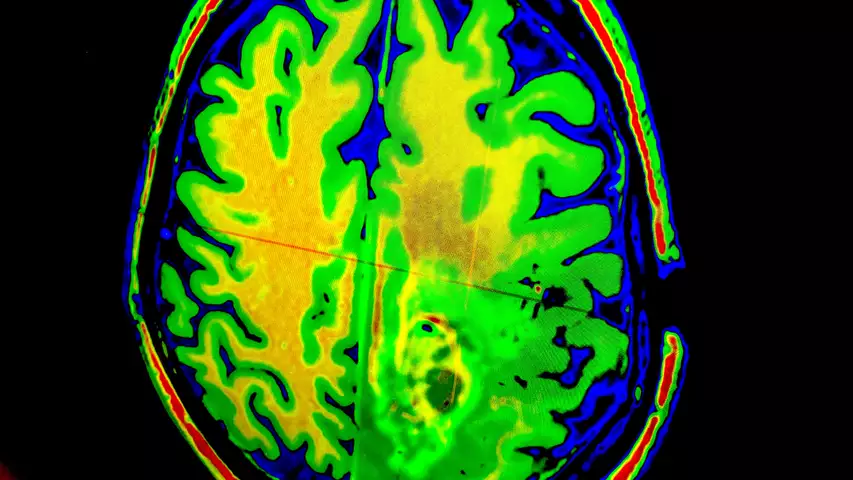
At Taproot, we use QEEG Brain Mapping to provide an objective look at your unique neurological profile. A brain map reveals where your brain is functioning optimally and where it may be getting “stuck” in loops of anxiety or sensory overwhelm.
Instead of guessing based on a checklist, we use data to create personalized neurostimulation protocols. This honors your neurotype while optimizing your ability to regulate your emotions and attention.
Neurodivergent individuals face higher rates of trauma—not because of their brains, but because of social rejection and the exhaustion of “masking” (hiding their authentic self to fit neurotypical standards). We use specialized adaptations of EMDR and Brainspotting that account for sensory sensitivities and non-verbal processing styles.
A neurodiversity-affirming therapist does not try to “cure” your Autism or ADHD. Instead, they help you understand your brain’s unique needs, work through the trauma of marginalization, and develop strategies that work with your neurotype rather than against it.
Taproot Therapy Collective in Hoover, AL, provides comprehensive brain-based assessments and affirming care. We serve the Greater Birmingham community, focusing on late-diagnosed adults and multiply neurodivergent individuals.
Most major insurance plans in Alabama cover therapy for conditions like anxiety, depression, and PTSD, which often co-occur with neurodivergence. Our team can help you navigate your benefits to ensure your care is accessible.
Your brain isn’t broken; it’s just different. If you are seeking an expert neurodiversity-affirming therapist in Hoover, AL, our clinic is ready to help you stop masking and start thriving.
📍 Taproot Therapy Collective: 2025 Shady Crest Dr, Suite 203, Hoover, AL 35216
The page you requested could not be found. Try refining your search, or use the navigation above to locate the post.