
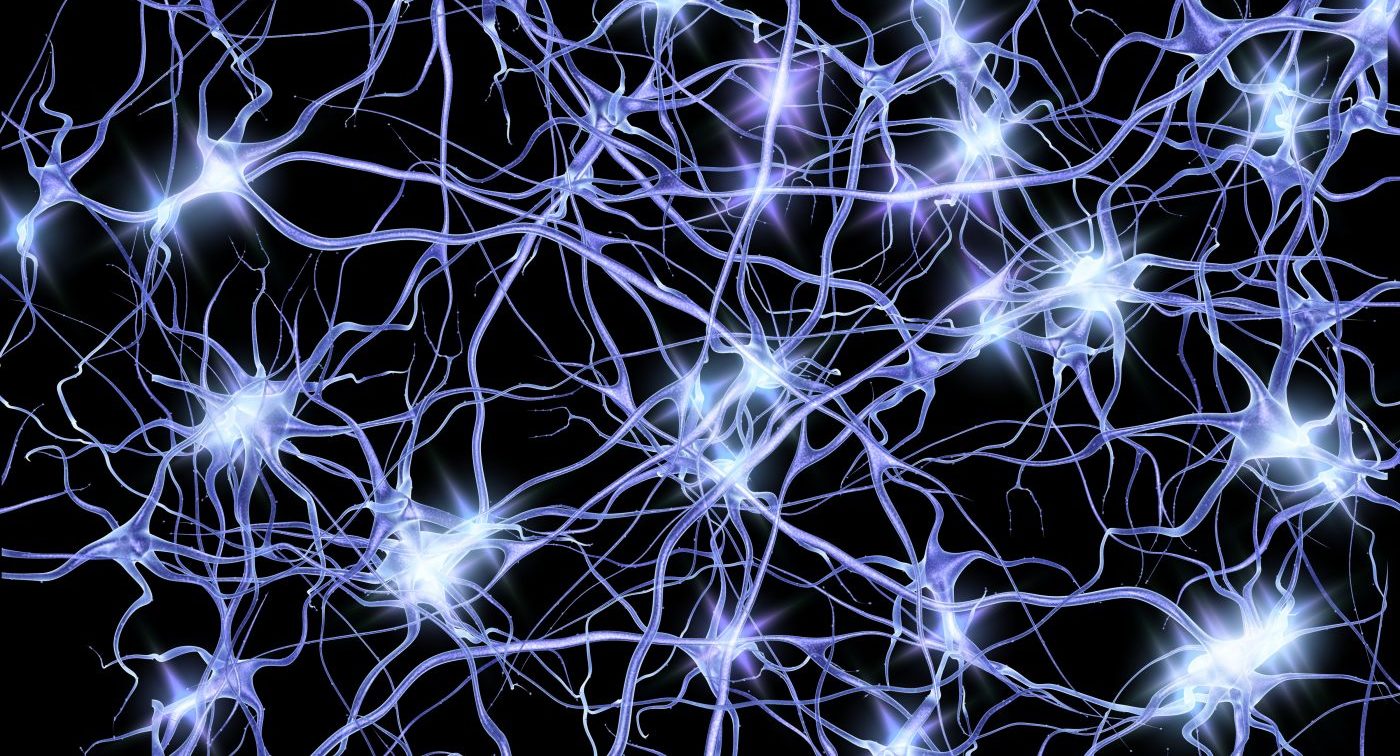
Executive Summary: The Neurobiology of Hope
The Scientific Reality: The “Static Brain” dogma is dead. Research from 2024-2026 confirms that the adult brain is not fixed; it is a dynamic, electrical ecosystem capable of radical structural remodeling until the very end of life. This process is called Neuroplasticity.
Mechanism of Action: Change occurs through two primary laws:
- Long-Term Potentiation (LTP): “Neurons that fire together, wire together.” Repeated stimulation strengthens synaptic connections.
- Long-Term Depression (LTD): “Use it or lose it.” The brain aggressively prunes unused pathways to conserve energy.
Clinical Applications: This article explores how we harness these laws to treat:
- Trauma: Rewiring the Amygdala-Hippocampus feedback loop.
- Addiction: Restoring Dopamine D2 receptor density.
- Stroke: Reassigning motor functions to healthy brain tissue.
- Depression: Reversing hippocampal atrophy via BDNF upregulation.
Can I Change My Brain If I…? The Definitive Guide to Neuroplasticity

For most of the 20th century, neuroscience operated under a tragic misconception: the belief that the adult brain was fixed, immutable, and destined only for decline. If you suffered a stroke, developed an addiction, or lived with trauma, the damage was considered permanent. This was the era of “Hardwired” biology.
We now know this is false. The brain is not a computer with fixed hardware; it is a river. It is constantly reshaping its own banks based on the flow of water (neural activity) passing through it. This phenomenon is Neuroplasticity, and it is the foundation of all modern Brain-Based Medicine.
Whether you are 25 or 85, your brain is physically changing every single day. The question is not if your brain will change, but how. Are you inadvertently wiring it for anxiety and addiction, or are you intentionally wiring it for resilience? This guide explores the mechanisms of this change and the specific clinical interventions that harness it.
Part I: The Mechanics of Change (How It Actually Works)
To understand clinical interventions, we must first understand the cellular machinery. Neuroplasticity is not magic; it is biology. It operates primarily through synaptic weighting and structural remodeling.
1. Hebbian Learning (LTP) & Synaptic Pruning (LTD)
In 1949, Donald Hebb proposed a rule that remains the cornerstone of neuroscience: “Neurons that fire together, wire together.”
- Long-Term Potentiation (LTP): When two neurons are activated simultaneously (e.g., seeing a spider and feeling fear), the chemical connection (synapse) between them strengthens. If this happens repeatedly, the brain builds a “super-highway.” The signal travels faster and requires less energy. This is how habits, skills, and traumas are encoded.
- Long-Term Depression (LTD): The inverse is also true. If a neural pathway is neglected (e.g., stopping a drug habit), the brain weakens those connections to conserve resources. This is “Synaptic Pruning.” Recovery is essentially the process of pruning maladaptive highways and paving new ones.
2. BDNF: The Brain’s Fertilizer
Brain-Derived Neurotrophic Factor (BDNF) is a protein that acts like Miracle-Gro for the brain. It promotes the survival of existing neurons and encourages the growth of new synapses (Synaptogenesis) and new neurons (Neurogenesis).
Crucial Research Findings:
Chronic Stress & Cortisol: High levels of stress hormones suppress BDNF. This leads to the atrophy (shrinking) of the Hippocampus, the brain region responsible for memory and emotional context. This is the biological basis of depression.
Interventions: Aerobic exercise, intermittent fasting, and certain antidepressants (SSRIs) have been proven to boost BDNF expression, creating the fertile soil necessary for neuroplasticity to occur.
Part II: “Can I Change My Brain If I…?”
Here we address specific clinical populations and the neuroplastic protocols used to treat them.
1. …Have Severe Anxiety or Depression?
The Old Model: Depression is a “Chemical Imbalance” (lack of Serotonin).
The Neuroplastic Model: Depression is a “Hardware Failure.” It is characterized by the atrophy of the Prefrontal Cortex (PFC) and the Hippocampus, combined with the hypertrophy (enlargement) of the Amygdala (Fear Center).
The Fix: We must stimulate the PFC to regrow connections so it can dampen the Amygdala.
- Transcranial Magnetic Stimulation (TMS): Uses magnetic fields to mechanically stimulate underactive neurons in the PFC. Studies show this can induce LTP in depressed brains that are resistant to medication.
- Ketamine & Psychedelics: Unlike SSRIs which take weeks, Ketamine triggers a rapid burst of Glutamate, which stimulates immediate dendritic spine growth. It essentially “reboots” the synaptic connections in the PFC within hours.
- CBT & Mindfulness: These are “software” updates that drive hardware changes. By learning to “reframe” negative thoughts, you are physically weakening the neural pathway of the Default Mode Network (the brain’s rumination circuit).
2. …Am Recovering from Addiction?
The Pathology: Drugs of abuse hijack the brain’s Reward System (Nucleus Accumbens). They flood the brain with so much Dopamine that the brain protects itself by downregulating (removing) Dopamine D2 Receptors. This leads to “Anhedonia”—the inability to feel pleasure from normal life.
The Neuroplastic Recovery: The brain can regrow these receptors, but it takes time (Homeostasis).
- Neurofeedback: Trains the brain to self-regulate arousal states, helping addicts tolerate the discomfort of withdrawal without relapse.
- “Dopamine Fasting”: Reducing high-stimulation inputs (social media, sugar, porn) allows the D2 receptors to re-sensitize.
- Novelty: Learning new skills (e.g., guitar, coding) forces the brain to release dopamine in a regulated way, rebuilding the “effort-reward” pathway that drugs destroyed.
3. …Have Suffered a Stroke or TBI?
The Challenge: A stroke kills neurons. Dead neurons do not come back.
The Solution: Cortical Remapping. The brain can reassign the job of the dead area to a healthy neighboring area.
- Constraint-Induced Movement Therapy (CIMT): If a patient loses the use of their right arm, therapists bind their left (good) arm. This forces the brain to use the damaged neural pathways for the right arm. The sheer necessity triggers massive neuroplastic reorganization, often restoring function even years after the stroke.
- Mirror Therapy: Watching a reflection of the moving “good” limb tricks the brain into firing the motor neurons for the paralyzed limb, keeping those circuits alive until they can reconnect.
4. …Have PTSD or Developmental Trauma?
The Injury: Trauma freezes the brain in the past. The Amygdala becomes stuck in the “On” position, and the connection to the PFC (logic) is severed.
The Intervention: We must reconnect the “Feeling Brain” with the “Thinking Brain.”
- EMDR (Eye Movement Desensitization and Reprocessing): Uses bilateral stimulation to mimic REM sleep. This forces the brain to move traumatic memories from “Short Term/Active” storage (Limbic System) to “Long Term/Archived” storage (Cortex). It physically metabolizes the memory.
- Brainspotting: Locates specific eye positions that correlate with subcortical trauma capsules. Holding the gaze on these spots allows the brain to process the “frozen” neural networks.
Part III: The Truth About “Brain Training” (Myths vs. Facts)
Myth: “You can rewire your brain in 21 days.”
Fact: Simple habits take time, but structural remodeling takes sustained, high-intensity effort. Neuroplasticity is energy-expensive. The brain resists change to save calories. True rewiring requires “The Goldilocks Rule”—the task must be difficult enough to trigger error signals (Acetylcholine release) but not so hard that you quit.
Myth: “Brain Games (like Lumosity) make you smarter.”
Fact: Most brain games only make you better at that specific game. They rarely transfer to general intelligence (Far Transfer). Real neuroplasticity comes from Novelty and Complexity—learning a new language, dancing (motor + cognitive load), or navigating a new city.
Part IV: Brain-Based Medicine Protocols
At Taproot Therapy Collective, we do not guess; we measure. We utilize the following modalities to harness neuroplasticity directly:
QEEG Brain Mapping
Before we can change the brain, we must see it. A QEEG creates a “weather map” of your brain’s electrical activity. It shows us exactly where your brain is “stuck” (e.g., too much Beta in the frontal lobes = Anxiety). We use this map to target interventions.
Neurofeedback
This is “Physical Therapy for Neurons.” By playing a video game controlled by your brainwaves, you receive instant rewards (the screen gets brighter) when your brain produces healthy patterns. Through operant conditioning, the brain learns to self-regulate. It is the purest application of neuroplasticity.
EMDR & Brainspotting
These therapies access the “Deep Brain” (Midbrain/Brainstem) where talk therapy cannot reach. They utilize the visual field to trigger the rapid reprocessing of traumatic neural networks.
Part V: Conclusion – The Cognitive Reserve
The final and perhaps most important concept in neuroplasticity is Cognitive Reserve.
Autopsies of certain elderly individuals have revealed brains full of Alzheimer’s plaques and tangles, yet these individuals showed no symptoms of dementia while alive. Why?
Because they spent their lives learning. They built such a robust network of synaptic connections (Cognitive Reserve) that when one pathway was blocked by disease, their brain simply routed the signal around the damage.
The Verdict: You can change your brain. In fact, you are doing it right now by reading this. The choice is whether you will let your environment shape your brain by accident, or whether you will use the tools of Brain-Based Medicine to shape it by design.
Take Action: Do not leave your brain health to chance. Contact Taproot Therapy Collective today to schedule a Brain Map and begin your personalized neuroplasticity protocol.
Explore Our Neuroplasticity Modalities
Trauma & Memory
Brain Regulation
The Body & Nervous System
Psychological Integration
Scientific References & Further Reading
- Doidge, N. (2007). The Brain That Changes Itself: Stories of Personal Triumph from the Frontiers of Brain Science. Viking.
The seminal text introducing neuroplasticity to the general public, detailing case studies of stroke recovery and phantom limb pain. - van der Kolk, B. (2014). The Body Keeps the Score: Brain, Mind, and Body in the Healing of Trauma. Viking.
Definitive research on how trauma physically rewires the brain and how somatic therapies can reverse it. - Lazar, S. W., et al. (2005). Meditation experience is associated with increased cortical thickness. Neuroreport.
Harvard study demonstrating that meditation physically thickens the prefrontal cortex and insula. - Taub, E., et al. (1993). Technique to improve chronic motor deficit after stroke. Archives of Physical Medicine and Rehabilitation.
The foundational study on CIMT and cortical remapping in stroke patients. - Podda, M. V., et al. (2016). Anodal transcranial direct current stimulation boosts synaptic plasticity and memory in mice via epigenetic regulation of Bdnf expression. Scientific Reports.
Research linking brain stimulation (TMS/tDCS) to gene expression and BDNF release.














0 Comments